
REVIEW · PUNO & LAKE TITICACA TOURS
Sacsayhuaman Temple, Tambomachay and Puca Pucara Half-Day Tour
Cusco ruins in one short morning can feel like magic. This half-day circuit is built for efficient sightseeing: hotel pickup by air-conditioned minivan, prebooked admission, and Inca sites close enough to hit four stops without wasting time. I also like the small-group setup (max 14), which makes it easier to ask questions and move at a calmer pace than big bus tours.
One thing to consider is timing. Sacsayhuaman is scheduled for the longest visit, but some people report the rest of the stops can feel quick, and Q’enqo may not always be fully accessible (it’s noted as not accessible at the moment for covid reasons). If you are the type who wants long photo breaks at every corner, you’ll likely want to keep your expectations realistic.
Key things to know before you go
- Four Inca sites in about 3 hours: quick drive, short walks, and steady progress.
- Prebooked entry saves time: admission is handled ahead of your arrival.
- Sacsayhuaman gets the spotlight: about 1.5 hours, plus panoramic viewpoints.
- Tambomachay is water-focused: springs, channels, and ceremonial meaning.
- Q’enqo accessibility can vary: it’s listed as not accessible at the moment for covid reasons.
- Some tours add a shop stop: alpaca and silver stores show up in guidance for some departures.
More that leaves from a Cusco hotel door
- Cusco: Humantay Lake Tour with Breakfast and Buffet Lunch★ 4.9 · 2,976 reviews
- From Cusco: Moray, Maras Salt Mines & Chinchero Weavers Tour★ 4.8 · 1,925 reviews
- From Cusco: Full-Day Group Tour of Machu Picchu★ 4.7 · 1,767 reviews
- Machu Picchu Day Trip from Cusco★ 4.5 · 1,644 reviews
A morning route that hits the big names near Cusco
This is a classic Cusco “outside the city” archaeology run, designed to cover ground fast while still keeping the visit human-sized. You start at 8:00 am, which matters in Cusco. Earlier means better light, fewer people at the first stops, and less heat as the morning climbs in altitude.
Logistically, you’re picked up from your hotel and transferred between sites in an air-conditioned minivan. That may not sound romantic, but on these mountain roads it’s a real plus, especially if you’re short on days or you don’t want to figure out local transport and timing.
And you get a live bilingual guide in Spanish and English, so you’re not stuck scanning stone piles for meaning. One review-style highlight I kept noticing is how much guide quality affects the experience. When the guide has time to explain, the sites click fast, and the photos stop looking like random ruins.
Sacsayhuaman: the fortress terraces and why they earn the first place
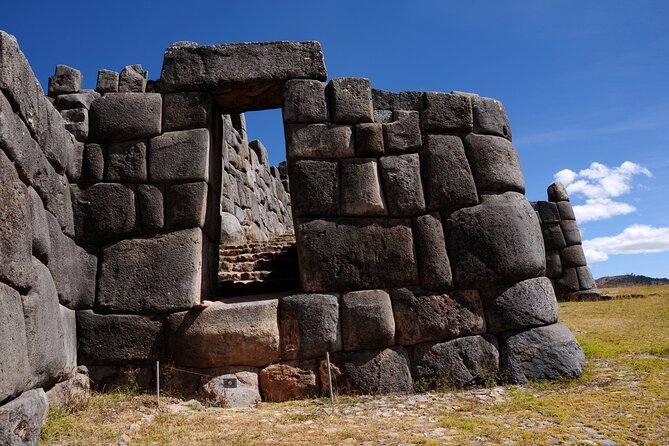
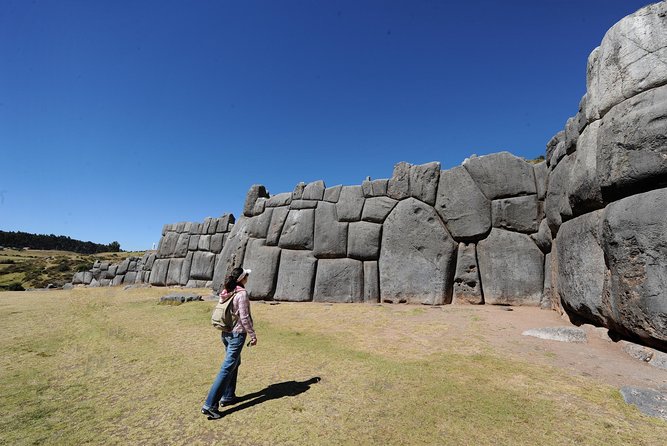
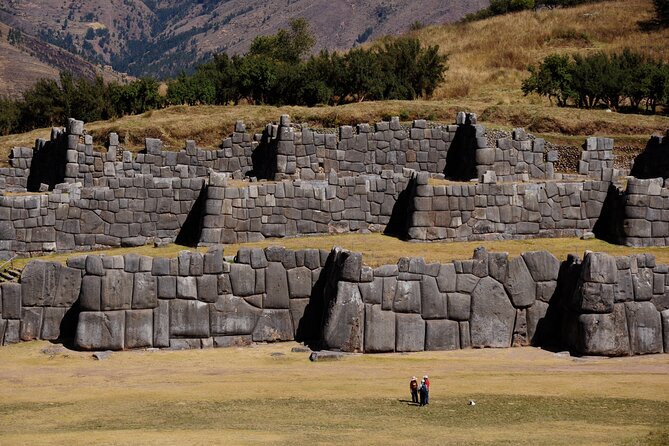
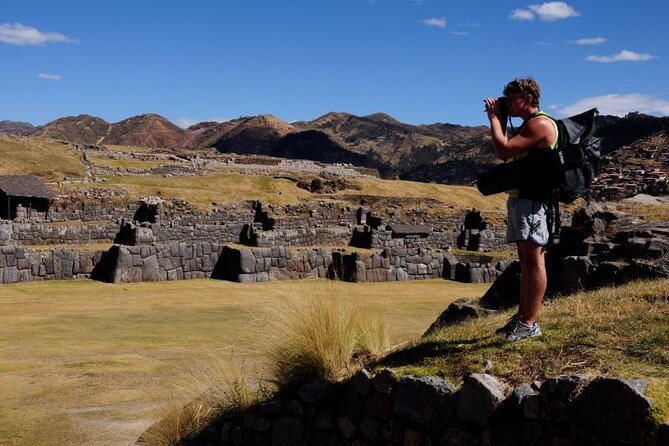
Sacsayhuaman is the headline stop, and the schedule reflects that. You’ll spend about 1 hour 30 minutes here, plus it’s built around the kind of megalithic stonework that makes your brain ask, How did they do this?
Expect a citadel with multiple levels and massive fortress-like walls overlooking Cusco. You can take your time wandering the remains of towers and sacred paths and stones, and the guide’s explanations typically help you read the shapes instead of just admiring scale.
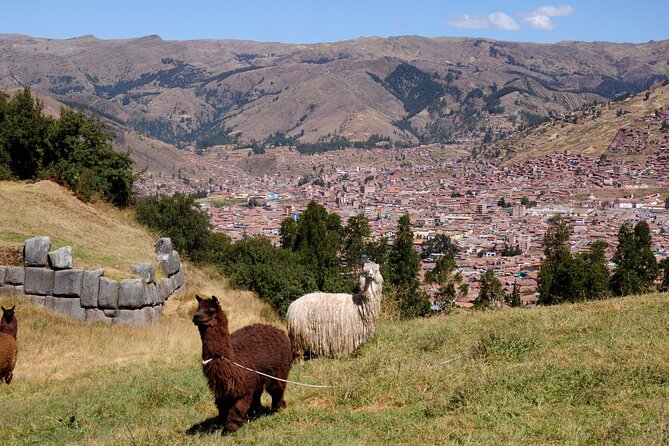
Here’s what makes it special beyond the obvious stone wow-factor: Sacsayhuaman feels like a place where architecture and mountain terrain agree. From the terraces and viewpoints you get broad outlooks over Cusco, so your brain connects the site to the living city.
Time is the main pressure point. If your guide is tight on schedule, you might lose some of the slower exploring you’d hope for. A couple of people felt the rest of the morning moved too quickly after Sacsayhuaman. In other words, if you’re going to “linger,” do it at Sacsayhuaman, where the time is already planned to be longer.
Tip for your visit: bring a hat and sun protection. At altitude, bright light can burn fast even when you’re not feeling sweaty.
Q’enqo: carved rock passages and a possible closed altar
Next up is Q’enqo, the carved rock shrine known for its winding passages and central altar area. In the schedule, it’s a short stop of about 30 minutes, and admission is included in your overall archaeological ticket.
There’s an important reality check. The information provided notes that the site is not accessible at the moment for covid reasons. That doesn’t mean the whole visit is useless, but it does mean your experience may be more of an overview rather than a full walk-through of the most famous carved areas.
If Q’enqo is partially open, you can still appreciate the rockwork and how Inca design turns stone into a ceremonial layout. If it’s limited, your guide should focus on explaining how the channels, chambers, and altar concept fit into Inca ritual life, so you still leave with context rather than just a quick glance.
Also, don’t plan on this being the “deepest” stop. Even when it’s fully accessible, it’s time-boxed. If you want a slower, more detailed exploration, this is where a DIY add-on or a longer specialized tour could make sense.
Puca Pucara: red fortress walls and a militarized purpose
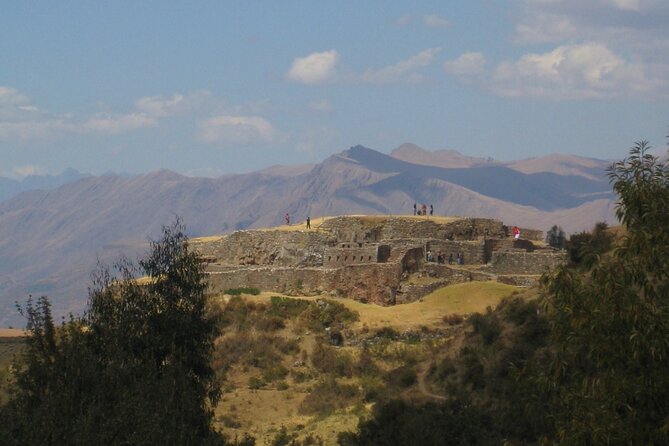
Puca Pucara means red fortress, and it’s a hilltop complex with stone walls, aqueducts, and water features. Your visit here is around 30 minutes, and it’s one of the stops that can feel like a breather after Sacsayhuaman.
What you should expect is less “fortress city” and more “outpost logic.” This site was used as a military and lookout position to defend the Cusco area and keep an eye on strategic approaches. The water system theme continues here too, since aqueducts and water features were part of how the site functioned.
The good news: because the stop is shorter, you can usually get what you need if you pay attention to what the guide is pointing out. You’ll likely spot the defensive walls, notice the overall arrangement, and get at least a few useful photos from the vantage.
The trade-off: if your favorite part of travel is slow wandering, this may not satisfy. It’s a targeted stop meant to stack meaning quickly, not to turn into a long afternoon at a single site.
More of the lake, the reeds and the islands
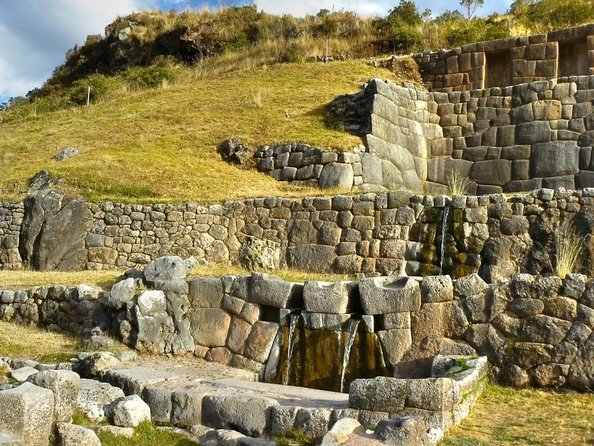
Tambomachay springs: where water became ceremonial
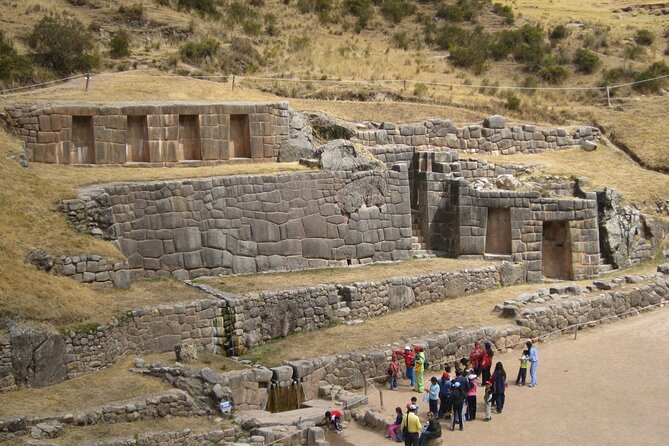
Tambomachay is your final major stop before you head back toward Cusco. Plan on about 45 minutes here, and admission is included.
This is where the tour shifts from stone engineering to water ritual. Tambomachay is centered on natural springs and built channels that were once sacred to the Incas. The big idea you’ll hear is that water wasn’t just practical, it was part of ceremonial life.
So when your guide talks about the water flowing from inside the mountain and the channels carved into the complex, you’re not just hearing trivia. You’re seeing how the Incas used the Andean environment as part of their worldview. The site’s design makes you pay attention to flow direction, channels, and how people would have experienced the sound and movement of water.
Because Tambomachay gets more time than Q’enqo and Puca Pucara, it’s often a nice ending for your visit. Even if the earlier stops felt a bit fast, you typically get enough time here to slow down and connect details.
How the van tour keeps moving, and where it can feel rushed
This tour’s whole style is “transport first, sites second, repeat.” The minivan handles the travel between Cusco and the surrounding archaeological areas, and hotel pickup is included. In practice, this means you don’t waste half your morning negotiating streets, pricing rides, and figuring out which direction is up.
Group size also matters. With a maximum of 14 travelers, the pace can stay manageable. You’re not wrestling for space at every viewpoint, and it’s easier for the guide to notice who needs extra time to catch up.
Still, the most consistent caution from real-world experiences is time pressure after Sacsayhuaman. Some departures may spend less time than you hope at the smaller stops, and a few people felt they wanted more time for photos and slower reading of the ruins.
There’s also a potential wildcard: textile and alpaca-focused shop stops show up in some experiences. Your stated itinerary here focuses on archaeology, but shop visits in Cusco are common on many tours. If you truly want zero shopping, ask your guide up front whether there’s a store stop on your departure, and if so, how long you’ll be there.
Price and value: what you’re paying for
At $69 per person for about 3 hours, the value is mostly about what you avoid. You’re paying for three things you’d otherwise have to manage yourself:
- Prebooked admission for the archaeological park ticket covering the sites.
- Guided interpretation in Spanish and English.
- Transport and hotel pickup/drop-off, including the hassle of road time and coordination.
If you were to do this solo, you could likely get similar coverage, but you’d spend more time working out logistics, buying multiple entries, and coordinating rides between sites. For a short trip, this kind of fixed schedule can be exactly what you need.
Where value can feel uneven is when the day feels rushed or when time shifts away from ruins. If your priority is linger time at multiple sites, the flat half-day structure might not match your pace.
On the flip side, if you want an organized overview with guided context and you’re happy to take the longer time at Sacsayhuaman, it’s a solid deal.
Guide quality: how it shapes what you actually learn
This tour lives or dies by the guide. Your guide is bilingual and explains what you’re seeing, and multiple names came up in experiences: Ana, Jose Aguilar, Robinson, Henry, Yuber, Alex, Marinés, and Hector. The common thread across these reports is that strong guides connect Inca stonework to real meanings.
Here’s what matters for you when choosing the right mindset: treat the guide as your translator, not just your driver. Ask a question if something looks symbolic, like animal carvings on Inca-era stones or how water channels were used.
One review-style pattern stood out to me: when the guide slowed down at Sacsayhuaman, people felt the time was worth it. When the guide moved too fast, even a great site can feel like a stop-and-snap photo session.
So, if you book this, come ready to participate. The tour is short. Your questions help stretch it.
Small-group timing tips for a smoother Cusco morning
A few practical moves can make the half-day feel longer and easier.
First, start your morning hydrated but light. Cusco altitude can make even normal walking feel like effort. If you’re breathing hard at the start, you’re not going to enjoy the terraces as much.
Second, plan for uneven footing. These are stone areas and steps. If it rains, surfaces can be slick. One experience specifically warned against rainy season for safety and comfort.
Third, focus your best patience where the schedule gives the most time: Sacsayhuaman. If you want photos, use the Sacsayhuaman window to set up. The later stops can be efficient, but they are time-boxed.
Should you book the Sacsayhuaman, Tambomachay, Q’enqo, and Puca Pucara half-day tour?
Book it if you:
- Want a fast, organized way to see four major Cusco-area Inca sites.
- Appreciate guided interpretation in Spanish and English.
- Want Sacsayhuaman to be your main deep moment, with shorter add-ons afterward.
Consider other options if you:
- Hate feeling rushed and want long time at multiple ruins.
- Are set on a specific experience at Q’enqo, especially since access is noted as limited at the moment for covid reasons.
- Want zero shopping stops. If that matters, ask before you go.
Bottom line: as a short Cusco primer, this tour makes a lot of sense. The big stone drama of Sacsayhuaman plus the water story at Tambomachay are an excellent pairing, as long as you plan to be flexible with the shorter stops.
More Tour Reviews in Cusco
- Cusco: Humantay Lake Tour with Breakfast and Buffet Lunch
★ 4.9 · 2,976 reviews - From Cusco: Moray, Maras Salt Mines & Chinchero Weavers Tour
★ 4.8 · 1,925 reviews - From Cusco: Full-Day Group Tour of Machu Picchu
★ 4.7 · 1,767 reviews - Machu Picchu Day Trip from Cusco
★ 4.5 · 1,644 reviews - Cusco: Half-Day City Tour with Sacsayhuaman and Q’enco
★ 4.6 · 1,129 reviews
More of Lake Titicaca
- Cusco: Scenic Route of the Sun to Puno with Buffet Lunch
★ 4.8 · 101 reviews - Full Day Lake Titicaca Tour from Cusco
★ 4.5 · 91 reviews - From Cusco: 2-Day Lake Titicaca Tour
★ 4.4 · 74 reviews - From Cusco: Titicaca Lake – Full day tour with sleeper bus
★ 3.9 · 72 reviews - From Cusco: 2-Night Lake Titicaca Excursion
★ 3.7 · 62 reviews
More Leaving From Cusco
- Cusco: Humantay Lake Tour with Breakfast and Buffet Lunch
★ 4.9 · 2,976 reviews - From Cusco: Moray, Maras Salt Mines & Chinchero Weavers Tour
★ 4.8 · 1,925 reviews - From Cusco: Full-Day Group Tour of Machu Picchu
★ 4.7 · 1,767 reviews - Machu Picchu Day Trip from Cusco
★ 4.5 · 1,644 reviews - Cusco: Half-Day City Tour with Sacsayhuaman and Q’enco
★ 4.6 · 1,129 reviews
Fresh in from Cusco

Puno & Lake Titicaca Tours, compared.
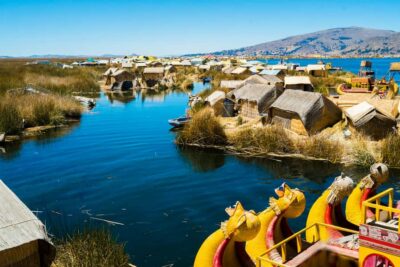 ★ 4.5From Puno: Uros, Amantaní & Taquile Islands 2-Day TourFrom $59452 reviews
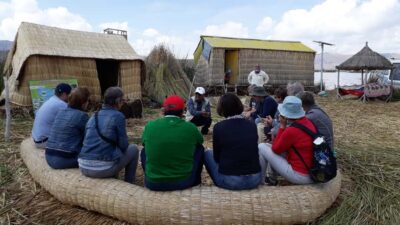 ★ 4.4From Puno: Floating Islands of the Uros Half-Day TourFrom $10394 reviews
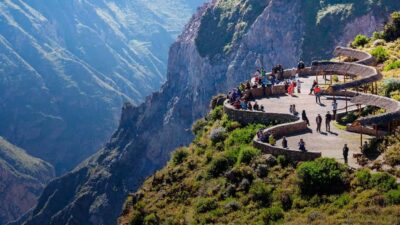 ★ 4.62-Day Tour Colca Canyon in Arequipa with end in PunoFrom $78248 reviews
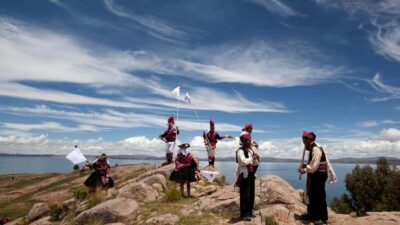 ★ 4.4Lake Titicaca 2-Day Tour to Uros, Amantani and TaquileFrom $69199 reviews
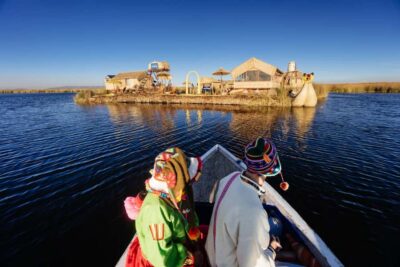 ★ 4.4Puno: Full-Day Tour of Lake Titicaca and Uros & TaquileFrom $33178 reviews
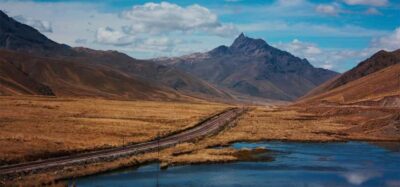 ★ 4.7Puno: Full-Day Route of the Sun Tour to Cusco with LunchFrom $44131 reviews
 ★ 4.2Floating Islands of the UrosFrom $7101 reviews
 ★ 4.8Scenic Route of the Sun to Puno with Buffet LunchFrom $44101 reviews
Browse the lists this tour appears in