
REVIEW · MACHU PICCHU & AGUAS CALIENTES TOURS
Machu Picchu: Chinchero, Maras, Moray & Machu Picchu 2 days
Two days, four big Inca stops. This small-group circuit is built to move efficiently through the Upper Urubamba Valley, with early Machu Picchu buses that help you get in before the worst of the crush. I also like that the day is structured enough that you can see major sites without feeling like you’re just being herded from one photo spot to the next. The main drawback is simple, it is a packed schedule, so plan for a lot of time in vehicles and a full-on day one.
I like the comfort level here: you sleep in a 3-star hotel in Aguas Calientes, then you’re up early for Machu Picchu. And the tour style matters, guides such as Nathalie, Adolfo, and Efrain are described as passionate and helpful, with a pace that stays smooth rather than rushed. One more consideration, it is not written for people with mobility limits, and the walking on uneven Inca stone and paths can add up.
Key points that make this tour work
- Early Machu Picchu timing with the first buses up to the citadel
- Small group size up to 16, which usually means more attention and fewer delays
- A smart route through Chinchero, Moray, Salineras, and Ollantaytambo so you understand the region as more than one famous postcard
- Overnight base in Aguas Calientes with a 3-star hotel and meals on day one
- Guided Machu Picchu tour plus free time, so you get both context and breathing room
Other ways into the citadel, side by side
- From Aguas Calientes: Machu Picchu guided tour with tickets★ 4.9 · 72 reviews
- From Cusco: Machu Picchu 2 days★ 3.6 · 29 reviews
- Cusco: Machu Picchu Day Trip with Train + Entrance ticket★ 4.5 · 17 reviews
- Rainbow Mountain tour and Machu Picchu tour by train★ 4.8 · 13 reviews
Why this 2-day Machu Picchu combo feels efficient
You’re not just rushing to the top of the mountain to check one box. You’re seeing how the Cusco region worked, how people farmed, how they collected salt, and how communities lived around Inca power centers.
Day one is a classic Urubamba Valley sweep. Chinchero gives you Inca roots mixed with the colonial-era church and a lively craft market. Moray adds the weird-but-fascinating part, circular terraces that suggest experimentation and adaptation. Salineras shows practical industry, salt extracted for centuries. Ollantaytambo brings you back to people, with ruins that still feel tied to the town.
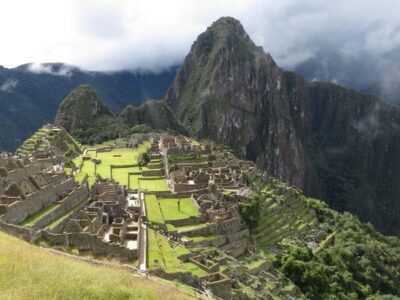
Then day two is the payoff: Machu Picchu. You get a guided highlights walk, then you have time to wander on your own before heading back down.
The value angle is that the tour bundles the big, time-consuming logistics for you. Pick-up in Cusco, entrance tickets for several sites, round-trip Expedition train, buses up and down from Aguas Calientes. You pay for convenience, but it also saves you the hassle of stitching together separate tickets and transport.
Cusco pickup at 8:00 AM, and why the timing matters
The tour starts with hotel pickup in Cusco at 8:00 AM. That’s early enough to keep the day from turning into a traffic-based guessing game, especially if you’re trying to hit multiple sites without losing momentum.
Once you’re on the road, you’ll be using a mix of car transfers and scheduled transport. Temperature checks are conducted at boarding points and at hotel check-in. Also, you’ll need to wear a mask in public places, so build that into your routine.
Practical tip: start day one with water, snacks if allowed in your comfort level, and a layer. Even on clear days, you can feel the temperature swing between valleys and higher areas.
Chinchero Market, the church, and Inca-style heritage
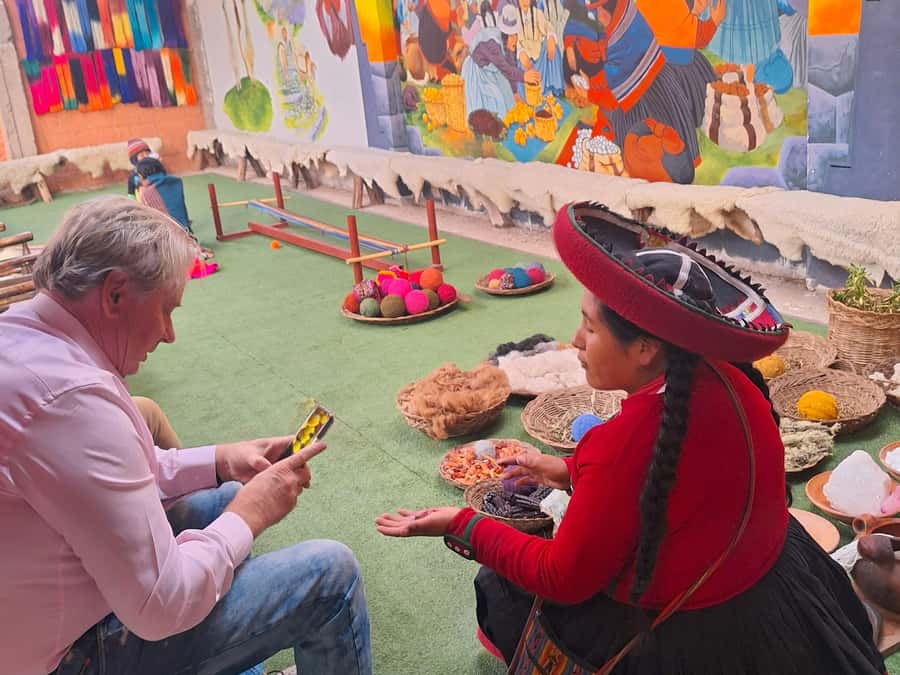
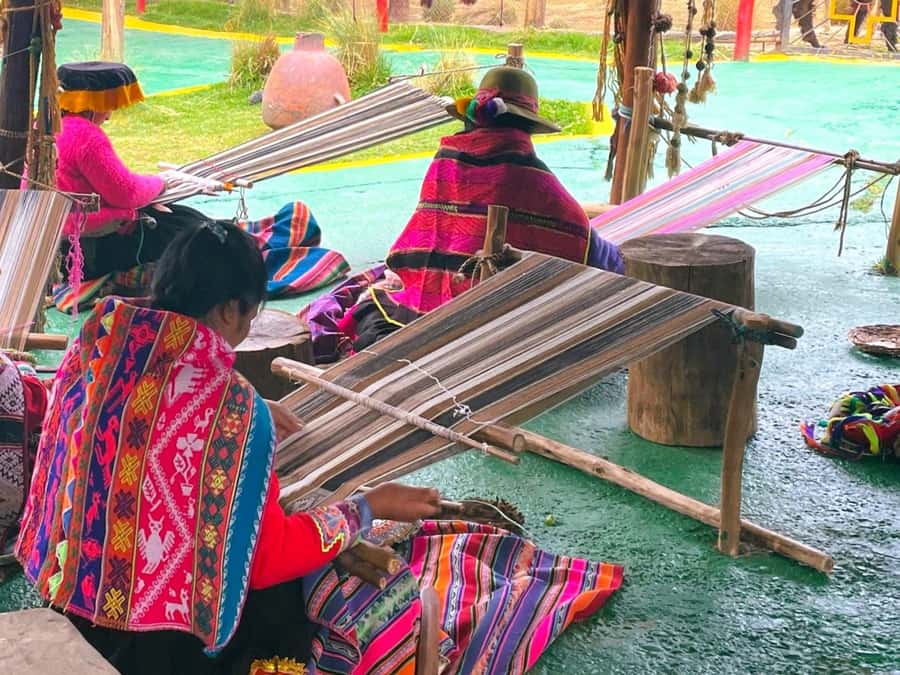
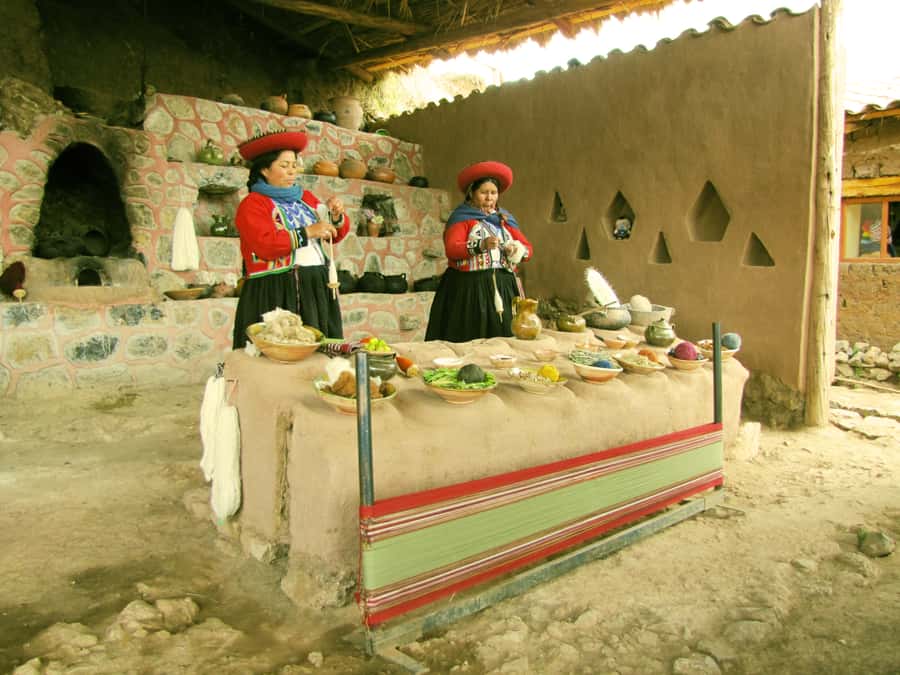
Chinchero is where the tour gives you more than ruins. You get the archaeological area, then the colonial church, then the handicraft market.
What I like about this stop is that it gives you a layered view of place. Chinchero is not only about stones from the past. It’s also about living culture you can see in front of you, especially when the market is operating. You’ll have time to explore and get oriented without feeling rushed.
Look for details in the church setting and the way the town and site sit together. It helps you understand why locals still connect strongly to Inca-era sites, even when later buildings appear alongside older foundations.
Also, if you plan to buy textiles or crafts, this is one of the most practical moments to do it. You’ll have a guide to help with context, and you’ll be in the right frame of mind because you’re not mentally saving shopping for later.
Moray’s circular terraces: what you’re really seeing
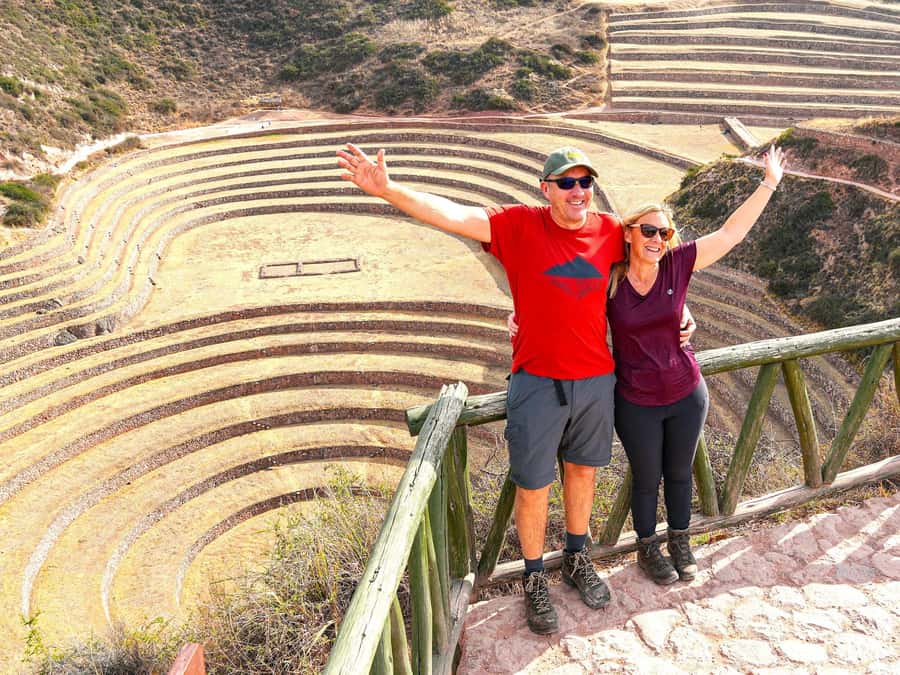
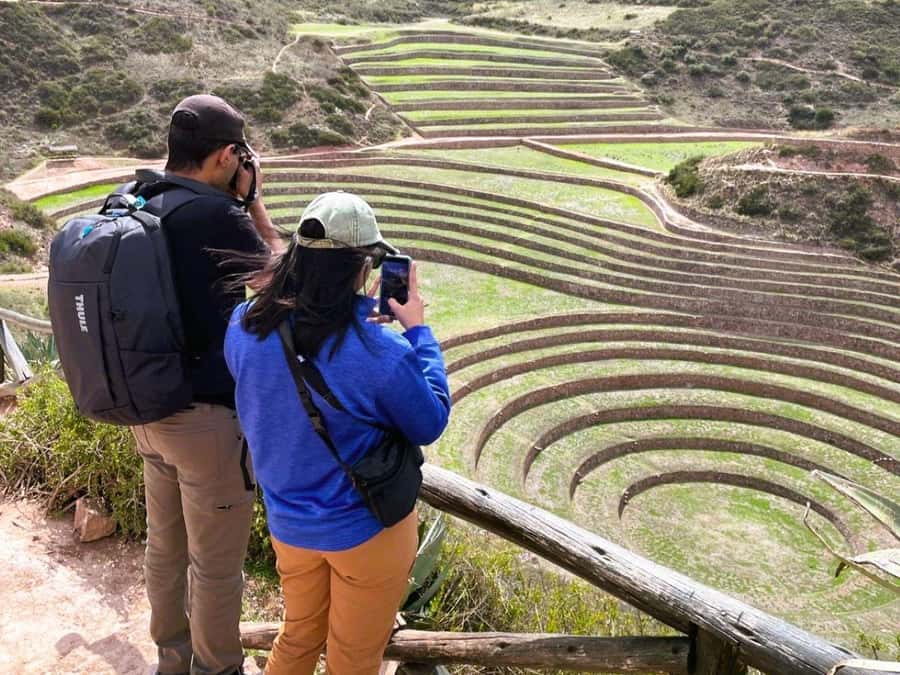
Next up is Moray, a short drive from the Chinchero area. You’ll visit the archaeological site and see the circular farming terraces.
These terraces stand out immediately because the shape is so different from the classic stepped look most people imagine. You’re getting a specific kind of Inca agricultural engineering idea. The guide’s explanations matter here, because the terraces are easier to appreciate when someone connects them to how people tested conditions and used the environment.
What could be a drawback: Moray isn’t always the easiest for photos if you’re expecting postcard-level sweeping views. It’s about structure, patterns, and scale, plus the story your guide tells. If you like seeing how ancient people solved real problems, you’ll love it. If you want only dramatic panorama shots, you may need to adjust expectations.
Maras salt mines and Salineras: centuries of salt work
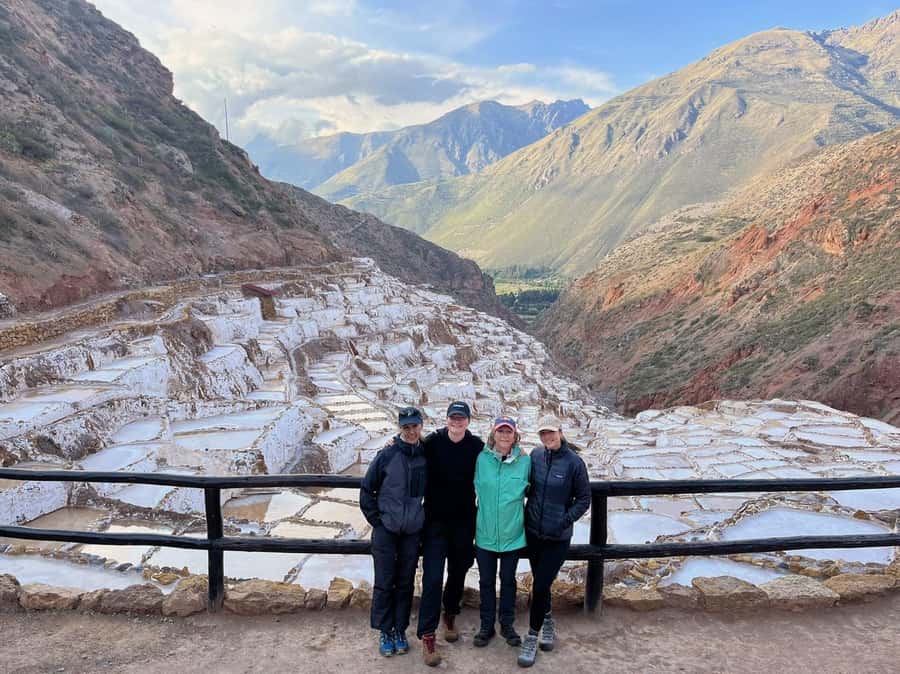
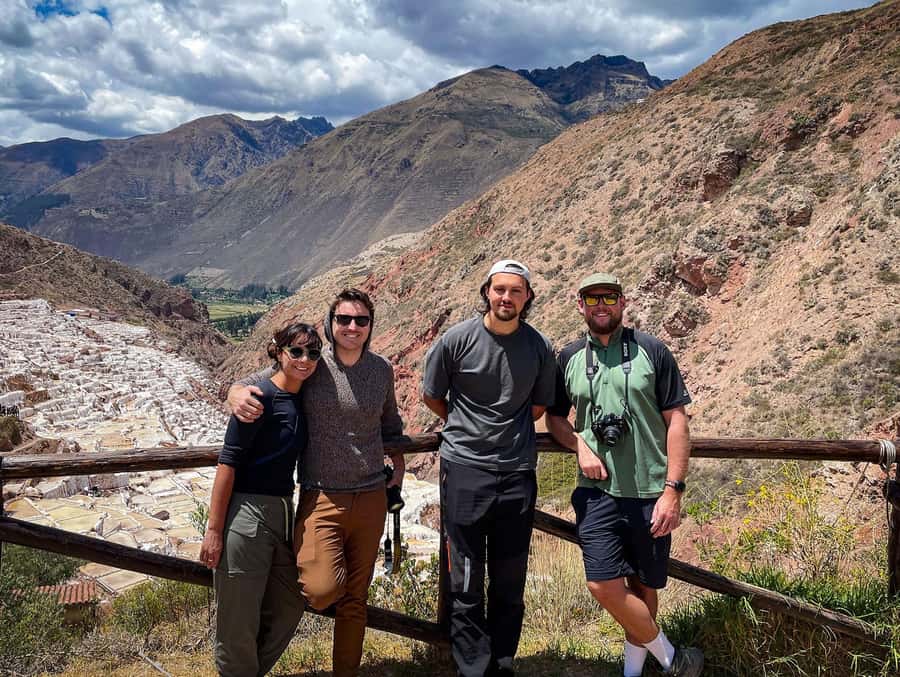
After lunch, the tour heads to Salineras, the salt terraces known for extraction since Incan times.
This stop is compelling because it feels tangible. You can see the result of human labor, and you understand why a place like this would matter in the days when salt was essential for food preservation and trading. It’s not just scenery. It’s production over time.
You’ll also have a lunch stop earlier in the day, with views of the mountains. That meal break matters on a day this full, because it resets your energy before you shift from terraces to town ruins later.
Tip: plan for some walking on uneven ground around the salt terraces. Wear shoes with grip, and keep an eye on where you step. The best photos come from slow, careful movement, not sprinting.
Ollantaytambo ruins and town: Inca stone with real life
Ollantaytambo is more than an archaeological site. You explore the town and the ruins, including a massive Inca fortress with large stone terraces on a hillside.
I like this stop because it connects Inca engineering to everyday place-making. You’re not in an isolated ruin field. You’re in a town with energy, and the ruins feel like they belong to it, even after centuries of change.
The guide should help you read the shapes and functions of the fortress areas. When you understand the layout, it stops being just impressive stonework and starts becoming a story of control, defense, and movement.
Dinner is included at a local restaurant. This is one of those meals that often feels more worthwhile than people expect, because you’re eating in the same town where you’re exploring. If you’re picky, try to communicate your preferences earlier in the meal, since options can vary.
The Expedition train to Aguas Calientes: your overnight reset
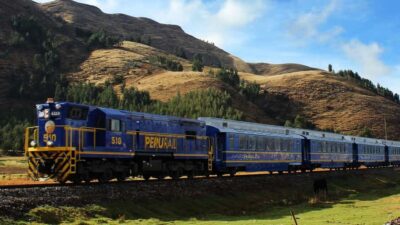
After Ollantaytambo, you take the Expedition train to Aguas Calientes and spend the night in a 3-star hotel.
Aguas Calientes is your practical base. Instead of doing a long day-trip grind, this tour gives you a night to sleep and recover. That matters because Machu Picchu day is early and physically demanding in its own way.
The train ride itself is one of those moments where you stop focusing on schedules and just watch the route unfold. Even if you’re not a train person, it’s part of why two-day tours work better than one-day sprints.
If you want to make the most of the night: keep your evening simple. Double-check what time you need to meet the next morning, set out layers, and get to bed with enough buffer so the early start doesn’t feel miserable.
Machu Picchu day: first buses, a guided tour, then freedom
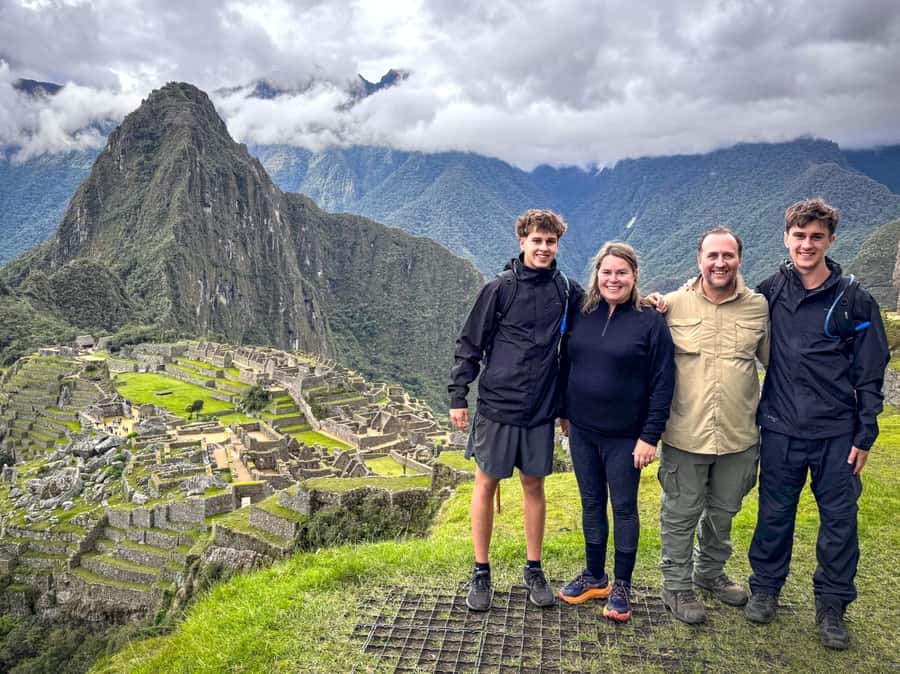
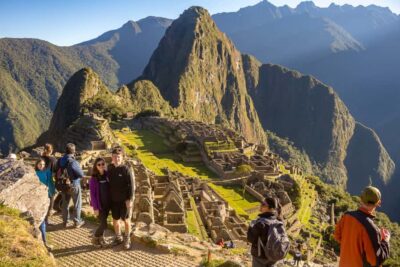
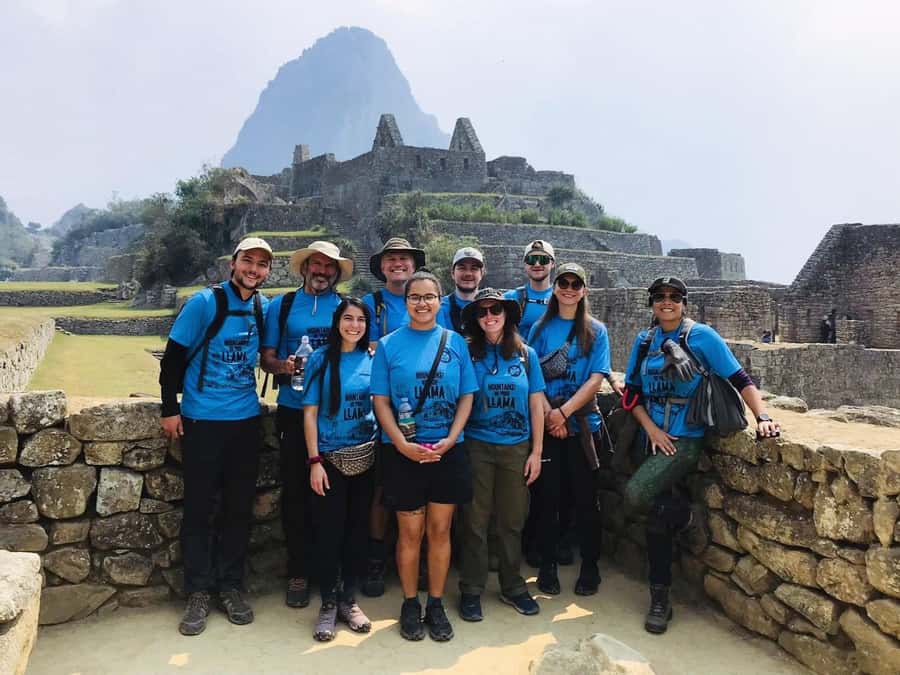
Day two starts with breakfast at the hotel, then you take the first buses up to Machu Picchu. That early timing is the key that makes this feel less like a cattle line and more like a place you can actually take in.
Once you arrive, you’ll have a guided tour through the most important places. You can expect stops that focus on major temples, palaces, and plazas. The guided portion is a great use of time because Machu Picchu is hard to interpret if you only have your own guesses. A solid guide helps you connect what you’re seeing to why it was built the way it was.
After the guided part, you get about three hours of free time to explore the citadel at your own pace. That’s where you slow down, take photos without rushing, and linger near views you like best.
Then you go back down to Aguas Calientes by bus, where you have time for lunch. Finally, you return via the Expedition train back to Cusco, arriving at your hotel around 7:30 PM.
Time, crowds, and pacing: the small group advantage
A small group of up to 16 participants is not just a comfort perk. It usually improves pacing because you spend less time waiting for everyone to regroup.
The pace also seems designed to hit a lot of places without turning the day into a blur. Guides such as Nathalie, Adolfo, and Efrain are described as passionate and helpful, and that style shows in how the tour moves. When the information is clear, you don’t need to rush to fill in the blanks yourself.
Still, be honest with yourself. This is not a slow travel day. It’s a structured experience with a lot of transfers, and day one in particular asks you to stay flexible.
Price and value: how $680 makes sense, and where it might not
At $680 per person, you are paying for a bundle: round-trip pickup from Cusco, entrance tickets for Chinchero, Moray, Salineras, Ollantaytambo, and Machu Picchu, a night in Aguas Calientes, meals on day one, and transportation including the Expedition train and bus up and down to Machu Picchu. That is a lot included for two days.
Where the value shines is when you would otherwise lose time planning. Booking Machu Picchu, managing train timing, and matching local transport can be a headache. This tour does the matching for you.
Possible downside is the return flow. There can be extra fatigue on the way back, including needing a bus connection at Ollantaytambo instead of a straight-through train transfer. If you hate logistically complicated days, that’s the part to weigh against the overall convenience.
What to pack and rules you need to follow
Here’s what you should know from the tour rules:
Bring:
- Passport
Not allowed:
- Drones
- Alcohol and drugs
Expect:
- Temperature checks when boarding the van, train, and checking into hotels
- A mask requirement in public places
Practical packing advice based on how these sites are explored:
- Wear shoes you can walk on confidently, including stone steps and uneven paths.
- Bring a light layer for bus and early morning timing.
- Keep your passport accessible, especially with boarding and ticket checks.
Who this tour is for, and who should skip it
This is a good fit if you want a strong sampler of the Cusco region in two days. You’ll get the big Machu Picchu experience, but you’ll also understand why places like Moray and Salineras matter in the broader story.
It’s also a good fit if you appreciate guidance. Machu Picchu especially is much more satisfying with a trained explanation, then time to wander on your own afterward.
It’s not a good fit if:
- You have mobility impairments (the sites and paths can be challenging).
- You’re over 95 years.
- You want minimal walking and zero schedule pressure.
Should you book this Machu Picchu 2-day tour?
Book it if you want the best mix of convenience and context. The early Machu Picchu buses, the guided highlights, the small group size, and the way day one connects multiple sites make this feel like a smart use of limited time. The inclusion of the hotel in Aguas Calientes plus train transport also reduces stress, which is often worth real money.
Consider a different option if you strongly prefer a simpler return journey or if you know you’ll struggle with a fast-paced two-day schedule and lots of transfers. If that sounds like you, you may feel the logistics more than the rewards.
Overall, if you want Machu Picchu plus a meaningful sweep through the Upper Urubamba Valley without doing spreadsheet-level planning, this is a strong choice. You get the iconic moment and the supporting cast that helps it make sense.
FAQ
How long is the tour, and do you spend the night on the route?
The tour lasts 2 days and includes one night. You’ll stay overnight in a 3-star hotel in Aguas Calientes.
What time is the Cusco hotel pickup?
Pickup in Cusco is scheduled for 8:00 AM.
Which sites are included besides Machu Picchu?
The tour includes Chinchero, Moray, Salineras (Maras salt mines), and Ollantaytambo, plus the Machu Picchu guided visit.
Is Machu Picchu guided, or is it self-guided?
Machu Picchu is guided. You’ll take a guided tour through the most important places, followed by about three hours of free time to explore on your own.
How do you get from Aguas Calientes to Machu Picchu?
You’ll take round-trip buses between Aguas Calientes and Machu Picchu.
Is transportation included from Cusco?
Yes. The tour includes door-to-door service from your hotel in Cusco and transportation covered for the entire journey, including the Expedition train and the required buses.
What meals are included?
Included meals listed for the program are a buffet lunch in Urubamba and dinner in Ollantaytambo (day one). Breakfast is part of the day two flow at your hotel, and lunch time on day two is scheduled in Aguas Calientes, though only the day one meals are specifically listed as included.
Are Huayna Picchu or Montaña hikes included?
No. Huayna Picchu or Montaña are not included and would be extra.
What do I need to bring, and what is not allowed?
You need to bring your passport. Drones are not allowed, and alcohol and drugs are not allowed.
How big is the group, and what languages are available?
The group is limited to 16 participants. The live tour guide is available in English and Spanish.
More Tour Reviews in Aguas Calientes
- From Aguas Calientes: Machu Picchu guided tour with tickets
★ 4.9 · 72 reviews - From Cusco: Machu Picchu 2 days
★ 3.6 · 29 reviews - Cusco: Machu Picchu Day Trip with Train + Entrance ticket
★ 4.5 · 17 reviews - Rainbow Mountain tour and Machu Picchu tour by train
★ 4.8 · 13 reviews - From Cusco: One-Day Round Trip to Machu Picchu by Train
★ 4.7 · 10 reviews
Machu Picchu, Three More Ways
- From Aguas Calientes: Machu Picchu guided tour with tickets
★ 4.9 · 72 reviews - From Cusco: Machu Picchu 2 days
★ 3.6 · 29 reviews - Cusco: Machu Picchu Day Trip with Train + Entrance ticket
★ 4.5 · 17 reviews - Rainbow Mountain tour and Machu Picchu tour by train
★ 4.8 · 13 reviews - From Cusco: One-Day Round Trip to Machu Picchu by Train
★ 4.7 · 10 reviews
Fresh in from Aguas Calientes

Machu Picchu & Aguas Calientes Tours, compared.
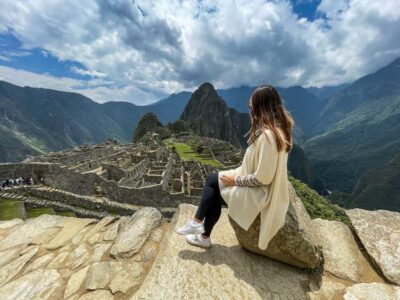 ★ 4.7Full-Day Group Tour of Machu PicchuFrom $3211,767 reviews
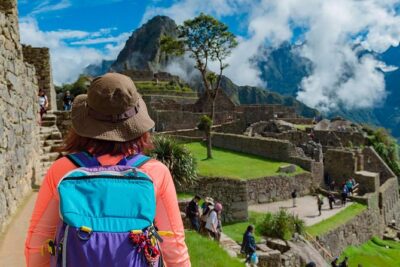 ★ 4.5Machu Picchu Day Trip from CuscoFrom $3361,644 reviews
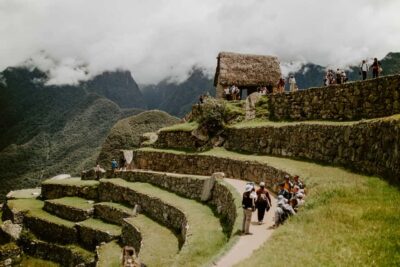 ★ 4.6Machu Picchu: Full-Day Tour from Cusco with Optional LunchFrom $283927 reviews
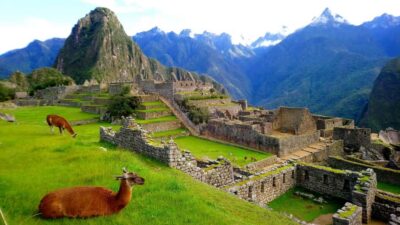 ★ 4.84-Day Inca Trail to Machu Picchu with AccommodationFrom $470432 reviews
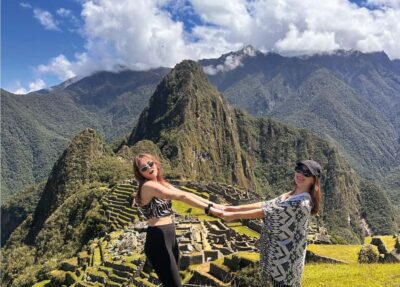 ★ 4.62-Day Trip to the Sacred Valley and Machu PicchuFrom $370265 reviews
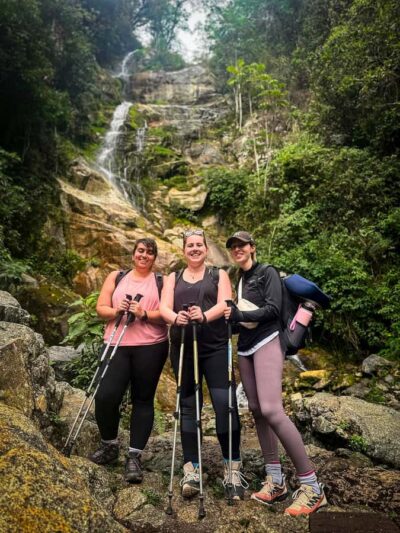 ★ 4.9Machu Picchu 2-Day Inca Trail with Panoramic TrainFrom $582260 reviews
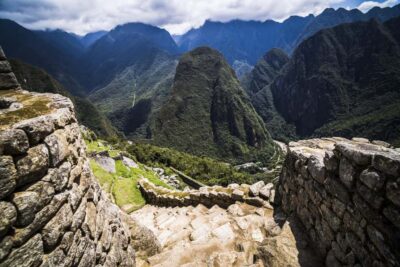 ★ 4.22-Day Inca Trail to Machu PicchuFrom $290244 reviews
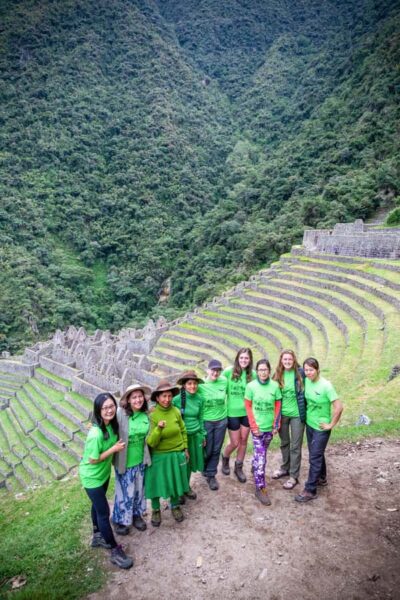 ★ 4.9Machu Picchu: Inca Trail 2-Day Overnight Guided TourFrom $585203 reviews
Browse the lists this tour appears in