
REVIEW · MACHU PICCHU & AGUAS CALIENTES TOURS
Inca Trail Machu Picchu 4 Days
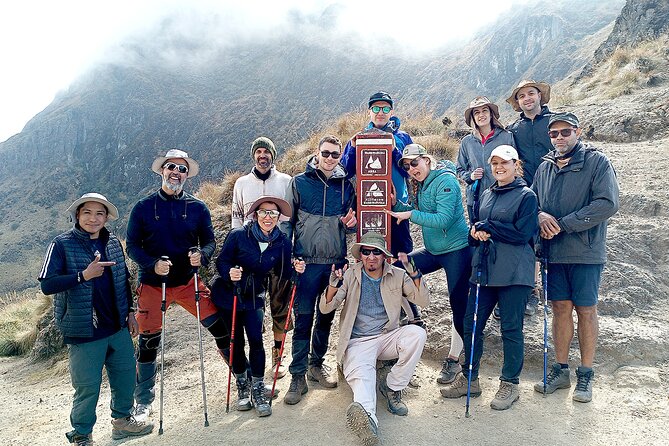
Sunrise hits Machu Picchu after four days on foot. I love that this trip gets you there the right way, with Machu Picchu at dawn from Inti Punku, plus small group camping and real trail time in Peru’s Sacred Valley.
Two things I really like: food cooked on the trail and the guide team’s calm, organized support. In particular, Franklin stood out for keeping the group together while still being flexible when people wanted to explore small side moments, and the kitchen crew turned the camp meals into a highlight, even baking cake one night.
One drawback to factor in: you need strong fitness for long days at altitude, and a key item is not included, so plan ahead for a sleeping bag and cold-weather comfort on day two.
Quick hits before you commit
- Km 82 start with document check before the real trail begins
- Warmihuañusca (Death Pass) at 4,200 m is the big physical test
- Wiñayhuayna rainforest, tunnels, and Phuyupatamarca make day three feel special
- Inti Punku sunrise view and an around two-hour guided Machu Picchu tour
- Camping gear, cooks, and porters handle the heavy lifting, including meals
- Oxygen and first aid are included for peace of mind
Other ways into the citadel, side by side
- Machu Picchu Entrance Ticket★ 4.5 · 108 reviews
- Machu Picchu Private Archaeological and Historical Guided Tour★ 5.0 · 86 reviews
- Machu Picchu Private Tour from Aguas Calientes (Tickets included)★ 5.0 · 84 reviews
- 2-Day Inca Trail To Machu Picchu★ 5.0 · 78 reviews
Entering The Day One Grind: Cusco Pickup to Km 82
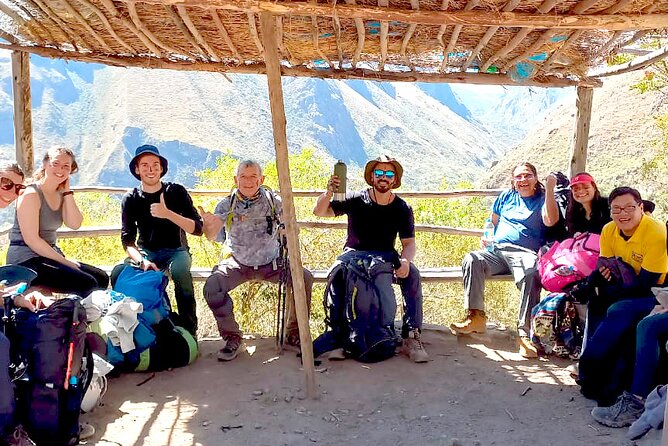
The trip starts early, with a hotel pickup in Cusco at 5:30 am. You’ll head toward the Sacred Valley, and before you even reach the trailhead you get a brief stop in Ollantaytambo, where breakfast is optional.
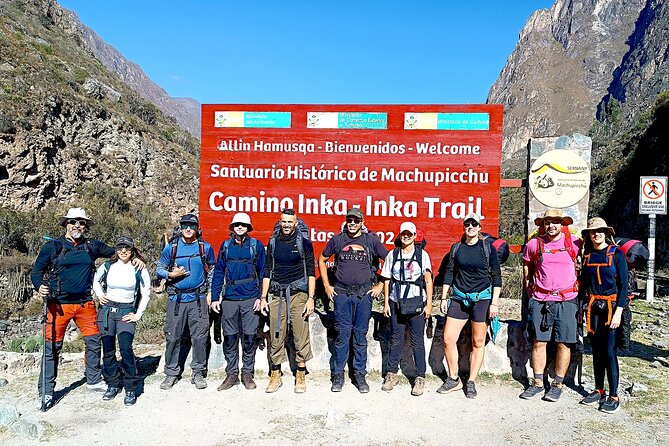
Then comes the part that feels boring on paper but matters in real life: at Km 82, you meet the group and present your documents for control and registration. That routine keeps things orderly on a trek where permits and timing matter.
After that, the adventure begins with a crossing of the Urubamba River at about 2,200 m. If you’re sensitive to altitude, this is one of the reasons it pays to keep your effort smooth early on. Day one is described as easy to follow, which is exactly what your body wants before the big climbs start.
You’ll also eat well from the start. Lunch is in Miskay, a small river bank, and your guide explains the archaeological complex of Llactapata. That small detail is useful because it gives context before you simply pass scenery and move on.
Day 1: Km 82 to Wayllabamba, Llactapata Notes and Your First Altitude Camp
Day one is your on-ramp. You hike after the Urubamba crossing, and the route is set up so you can stay calm instead of racing. At roughly 3100 m by the time you reach your first campsite in Ayapata (Wayllabamba), you’re not at the extreme heights yet, but you are high enough that slow and steady really matters.
You’ll hike for about 7 hours, with breaks built in. The overall vibe here is practical: get your rhythm, learn how your guide handles the group, and don’t spend your energy trying to “win” the trail on day one.
A useful thing to know is that camps are part of the experience, not an afterthought. This tour includes camping setup like tents, mats, dining space, and bathroom arrangements, plus the dining table and chairs. That doesn’t make the trek easy, but it does make the “camp life” feel organized.
By the end of day one, you’ll be in Ayapata at around 3,100 m and ready for a colder, longer day ahead. If you sleep lighter at altitude, plan to use the first night to adjust, not to chase extra comfort.
Day 2: Llulluchapampa to Chaquicocha, Cold Air and the Death Pass Test
Day two is the one people tend to remember in their legs. It runs about 9 hours, and it can be cold, so dress like you’re hiking into weather, not just into mountains.
You begin early along the trail toward the valley of Llulluchapampa, sitting around 3,850 m. The walk for about 3 km gives you a break from constant uphill stress, and you’ll move through rainforest conditions with water sounds. That matters, because it makes the day feel like a trek with variety instead of one long grind.
Then you work up to the high point of the day and reach Warmihuañusca, the Death Pass, at about 4,200 m. This is the trek’s toughest climbing segment. Even if you’re fit, don’t treat the pass like a sprint. Short stops at the summit help you regroup before the long descent and continued climbing segments begin.
From there, the route shifts into a long, steep slope heading toward the Pacaymayu River and through the direction of the Runkurakay pass at around 3,050 m. After all of that, you arrive at camp in Chaquicocha at roughly 3,650 m.
One thing I like about how day two is structured is the payoff: after a hard day, you get to relax at camp with incredible views over the mountains. That’s not fluff. In the Andes, having a real moment to look out after effort helps you feel like the work is paying off.
Day 3: Wiñayhuayna Rainforest Change, Tunnels, and Phuyupatamarca Above the Clouds
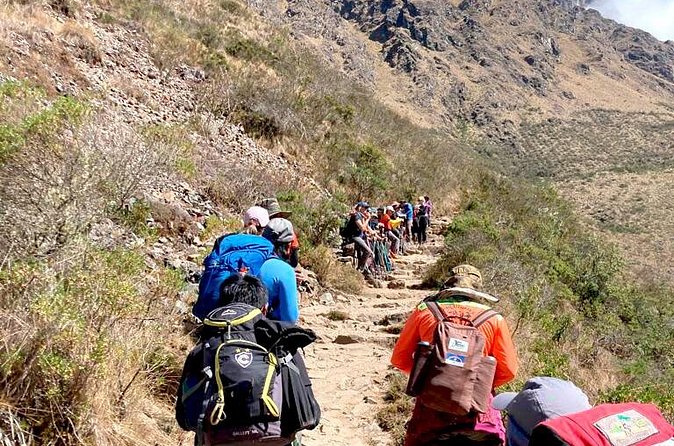
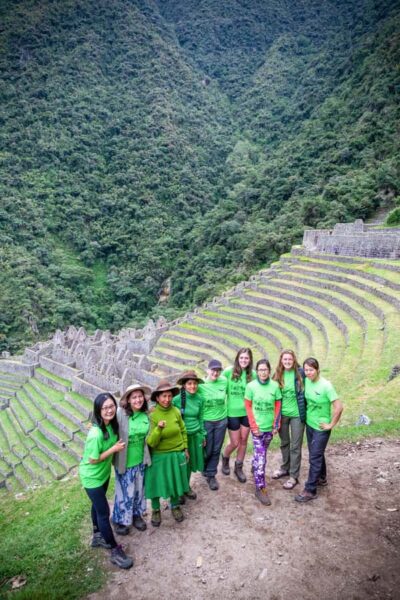
Day three is often described as the most beautiful because the trek changes feel. You’ll notice a shift in ecosystem as you walk through the rainforest of Wiñayhuayna.
You’ll spend about 6 hours on the trail, and the day includes scenic transitions that keep it from feeling repetitive. You pass by two small lakes near the top of the second pass around 3,950 m, then you climb gently through a small Inca tunnel.
That tunnel moment is one of those “how did they do this” experiences that doesn’t require you to be an archaeologist. You get a view over the Urubamba River in the sacred valley, which helps connect the trail to the bigger story of why this region mattered.
Next comes the camp at Phuyupatamarca, meaning city above the clouds, around 3,600 m. This is a well-preserved place, and you’ll see the long chain Inca bath. That’s a practical highlight because it shows you ancient water management, not just stone walls.
You’ll also go through another Inca tunnel before visiting Wiñayhuayna, often associated with the idea of forever young. After that, you descend through the valley and finally get your first views of the Machu Picchu mountain, which sets you up for the last day’s arrival.
If you’re wondering when to start thinking about Machu Picchu seriously, day three is when it becomes real. You stop hiking toward “maybe someday” and start hiking toward “tomorrow morning.”
Still weighing up the trail? More Inca Trail departures
Day 4: Inti Punku Sunrise, Guided Citadel Time, Then Aguas Calientes
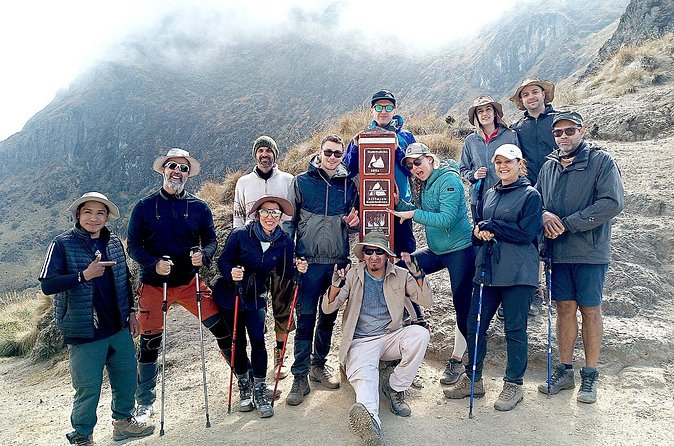
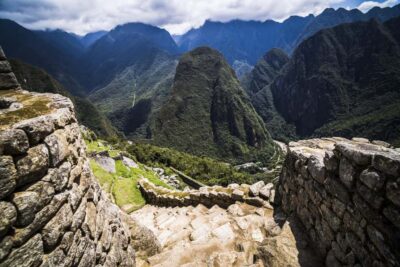
Day four starts with breakfast, then you hike to Inti Punku, also known as La Puerta del Sol. The goal is your first view of Machu Picchu, and the plan is timed so you can see the sunrise over it.
After a last triumphant slope of almost an hour, you arrive at the citadel around 8:00 am at about 2,400 m. Then you get a guided tour of approximately two hours. That time is valuable because it’s where your guide helps connect the site’s layout to what it meant to the Inca, instead of you just taking photos and guessing.
After the guided portion, you’ll have enough free time to explore on your own. You can head to the Inca Bridge, look at the different Inca monuments around the citadel, and you may be able to climb Huayna Picchu for a panoramic image if that option works with your schedule and access.
Then it’s down to Aguas Calientes for lunch. From there, you take the return train to Ollantaytambo, and then transfer back to Cusco. The return train is listed as depending on availability, so it’s smart to keep expectations flexible and not build an overly tight schedule right after the trek.
What You Get For the Money: Gear, Food, Transport, and Entry Tickets
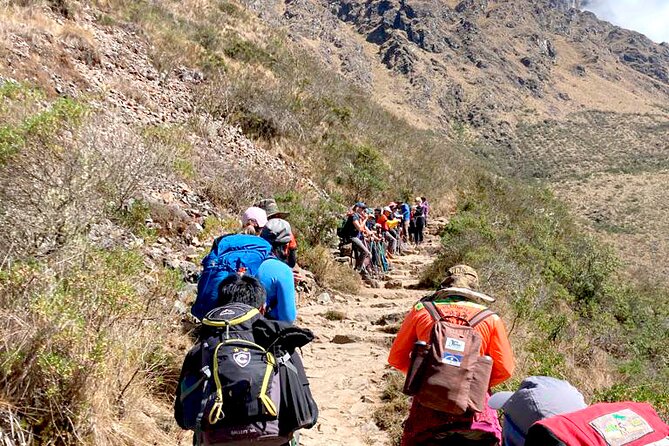
At $905 per person for about 4 days, the value depends on what you’re comparing it to. Here’s what you do not have to micromanage.
This price covers entrance to the Inca Trail and Machu Picchu, plus tourist transport Cusco to Km 82 and Ollantaytambo back to Cusco. It also includes the Consettur bus from Machu Picchu area transport points to the archaeological site.
You also get a professional guide with language Portuguese or Spanish on request. You’ll see a big difference between “somebody with a map” and a guide who keeps the flow moving. In the feedback I read, Franklin and other guides stood out for staying attentive and professional, and for keeping group logistics smooth.
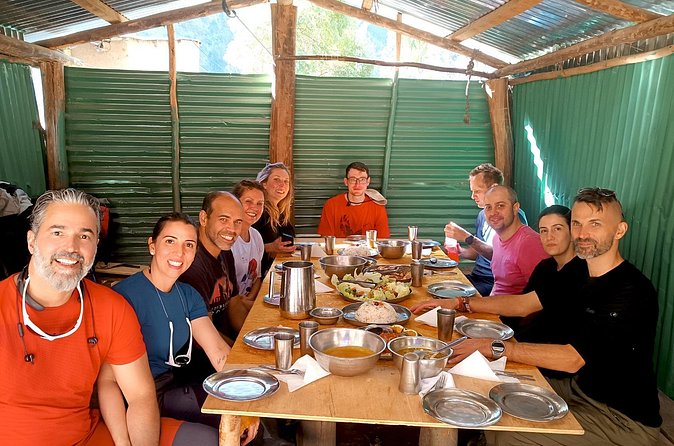
The biggest cost-saver is the camp setup. This tour includes camping equipment like tents, mats, dining area, table and chairs, and camping bathroom arrangements. There’s also a cook and kitchen equipment, plus food across the trek: breakfast on 3 days, 3 lunches, 3 dinners, and 3 snacks.
One more detail that feels small but matters at altitude: oxygen and first aid are included. That’s not a reason to push harder, but it can reduce stress if someone feels off.
Not included are a few key items. You’ll need your own sleeping bag, and breakfast on the first day is not included. Also, lunch at Machu Picchu or in Aguas Calientes is not included, and an extra carrier is not included. Those are the “budget surprises” to plan for.
The Altitude Reality Check: How Hard This Is, Day by Day
This is not a casual hike. The tour clearly states you should have strong physical fitness.
Day one begins at a relatively lower altitude (start near 2,200 m after crossing the Urubamba River) and finishes near 3,100 m. It’s described as easy to follow, which helps you conserve energy and avoid getting spooked by steep moments.
Day two is the turning point, including Warmihuañusca at 4,200 m. This kind of climb tests not just your lungs but your pacing. The itinerary also notes cold weather and long walking time, which means you should dress for temperature shifts, not just for sun.
Day three climbs and descends through multiple altitude zones, including Wiñayhuayna at 2,650 m after higher passes. That means your legs will work on both uphill and downhill segments.
Day four is shorter in hiking time but starts early and includes the climb to Inti Punku to catch the sunrise view. Then you do a two-hour guided visit, which is a lot of standing and walking on uneven ground.
If you’re someone who gets winded easily, don’t assume you can muscle through day two. Train your cardio and plan for a steady rhythm.
Logistics That Matter: Small Group, Porters, and Your Role
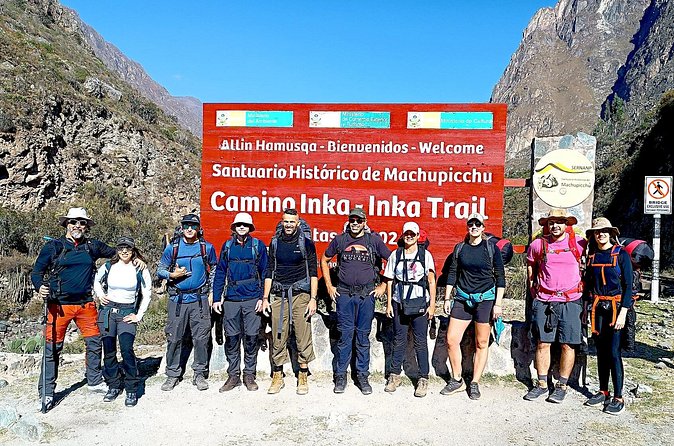
This tour operates with a maximum of 10 travelers. That’s a meaningful detail because it makes the experience feel controlled and helps a guide manage the pace without losing people constantly.
Another practical component is how the operation handles heavy gear. The trek includes tents, meal tents, portable bathrooms, cooking equipment, and supplies that can’t reasonably fit into a personal backpack setup. The porters do the heavy lifting, and that is a huge part of why the trek feels doable for many people.
You’ll still carry your personal day items, but you’re not responsible for dragging camp infrastructure up and down mountain trails. In the feedback, porters were repeatedly mentioned as essential for keeping the whole experience possible.
Also, the group meets early and follows a tight timeline, so your role is simple:
- Show up on time for the 5:30 am Cusco pickup
- Bring your documents for the Km 82 control and registration
- Keep your own pace on long segments so you can enjoy the day instead of fighting it
Who This Tour Fits Best, and Who Should Think Twice
This trip is a strong match if you want:
- A classic Inca Trail to Machu Picchu route
- Camping with included tents and gear rather than staying in lodges
- A real Machu Picchu morning plan, with guided interpretation for about two hours
- A group size that stays small at 10 travelers
It is also a good fit if you care about food quality while hiking. The camp meals were a big positive in the feedback, including creative touches like baking cake on a night.
It may be less ideal if:
- You do not have strong fitness for high-altitude trekking
- You’re not comfortable with cold weather on day two
- You’re unwilling to supply your own sleeping bag
- You have a strict schedule right after the trek, because the train portion is listed as depending on availability
If you’re unsure, the trek days are clearly different in intensity, so aim to be physically prepared for day two’s big climb.
Should You Book This 4-Day Inca Trail to Machu Picchu?
If you want an organized, safe-feeling way to do the classic route, I think this is an easy yes. You get the big pieces bundled together: entrances, guided Machu Picchu time, camping infrastructure, and food, plus oxygen and first aid.
The value is strongest when you add up what you would otherwise coordinate yourself: permits, transportation, camp gear, cooks, meal planning, and the Machu Picchu transport bus. This tour does that work for you, and the small group size keeps it from feeling chaotic.
Book this especially if you want sunrise at Machu Picchu and you like the idea of guides helping you understand what you’re seeing, not just where to stand for photos.
One last practical note: with an average booking window of about 60 days in advance, spots likely move fast. If you want this exact format, plan ahead, pack your sleeping bag, and get ready for a trek that earns the payoff.
FAQ
What is the duration of the Inca Trail to Machu Picchu tour?
It runs for 4 days (approx.), taking you from Cusco to the Sacred Valley trek, and then into Machu Picchu on day four.
Where does the tour start?
The tour starts in Cusco, Peru, with pickup from your hotel.
When do you start on day one, and where does the trail begin?
Pickup in Cusco is at 5:30 am, and the Inca Trail starts at Km 82 after document control and registration.
How big is the group?
The tour has a maximum of 10 travelers.
Is camping equipment included?
Yes. Camping equipment is included, including tents, mat, a camping bathroom setup, and a dining area with table and chairs.
What meals are included, and is day one breakfast included?
Food includes breakfast on 3 days, 3 lunches, 3 dinners, and 3 snacks. Breakfast on the first day is not included.
Is Machu Picchu visit guided?
Yes. You get a guided tour at Machu Picchu of approximately two hours, after which you also have free time to explore.
Do I need a sleeping bag?
Yes. A sleeping bag is not included.
Is oxygen or medical support included?
Yes. The tour includes oxygen and first aid.
What is the cancellation policy?
This experience is non-refundable and cannot be changed for any reason. If you cancel or request an amendment, the amount paid is not refunded.
More Tour Reviews in Sacred Valley
- Machu Picchu Entrance Ticket
★ 4.5 · 108 reviews - Machu Picchu Private Archaeological and Historical Guided Tour
★ 5.0 · 86 reviews - Machu Picchu Private Tour from Aguas Calientes (Tickets included)
★ 5.0 · 84 reviews - 2-Day Inca Trail To Machu Picchu
★ 5.0 · 78 reviews - Machupicchu Guide Service
★ 5.0 · 42 reviews
Other Inca Trail Departures
- 2-Day Inca Trail To Machu Picchu
★ 5.0 · 78 reviews
Machu Picchu, Three More Ways
- Machu Picchu Entrance Ticket
★ 4.5 · 108 reviews - Machu Picchu Private Archaeological and Historical Guided Tour
★ 5.0 · 86 reviews - Machu Picchu Private Tour from Aguas Calientes (Tickets included)
★ 5.0 · 84 reviews - 2-Day Inca Trail To Machu Picchu
★ 5.0 · 78 reviews - Machupicchu Guide Service
★ 5.0 · 42 reviews
Fresh in from Sacred Valley
Machu Picchu & Aguas Calientes Tours, compared.
 ★ 4.7Full-Day Group Tour of Machu PicchuFrom $3211,767 reviews
 ★ 4.5Machu Picchu Day Trip from CuscoFrom $3361,644 reviews
 ★ 4.6Machu Picchu: Full-Day Tour from Cusco with Optional LunchFrom $283927 reviews
 ★ 4.84-Day Inca Trail to Machu Picchu with AccommodationFrom $470432 reviews
 ★ 4.62-Day Trip to the Sacred Valley and Machu PicchuFrom $370265 reviews
 ★ 4.9Machu Picchu 2-Day Inca Trail with Panoramic TrainFrom $582260 reviews
 ★ 4.22-Day Inca Trail to Machu PicchuFrom $290244 reviews
 ★ 4.9Machu Picchu: Inca Trail 2-Day Overnight Guided TourFrom $585203 reviews
Browse the lists this tour appears in