
REVIEW · MACHU PICCHU & AGUAS CALIENTES TOURS
Inca Trail 4 Day Adventure to Machu Picchu with Panoramic Train
Four days, one footpath, big altitude.
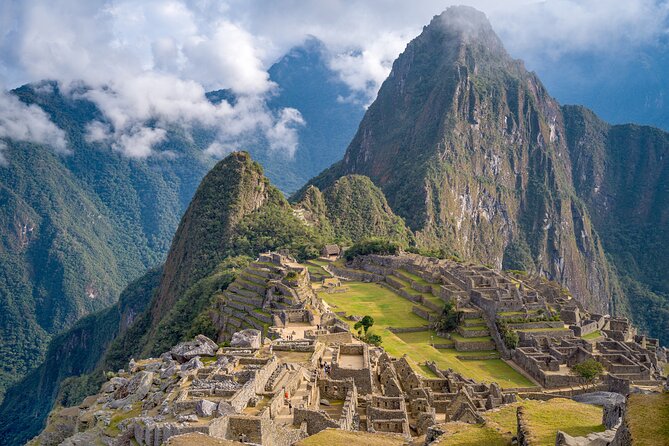
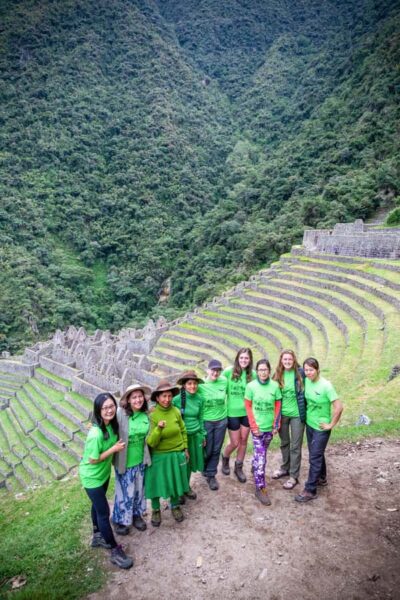
This Classic Inca Trail route is built around real Inca ruins, from Patallacta on day one to Wiñaywayna near the finish, then ends with Machu Picchu from Inti Punku, Puerta del Sol. What makes it especially interesting is the company’s local roots and mission, including yearly school supply support for kids in remote communities.
I also love how much comfort and guidance you get for the work you are doing. The trek runs with a bilingual, certified guide, plus porters for camping and kitchen gear, and full buffer-style meals with options like vegetarian, vegan, and pesquetarian. My main caution is simple, the route is demanding at altitude, including the Warmiwañusca pass at about 4,200 meters, and you will start early almost every day.
You’ll be in good hands if you respect the pace, dress for mountain weather, and accept that this is a real hike, not a stroll.
Key Highlights That Matter on the Ground
- 100% local operator with community education support, including school supplies for children in remote areas
- Sun Gate (Inti Punku) arrival and a 2-hour guided Machu Picchu tour, with time to explore after
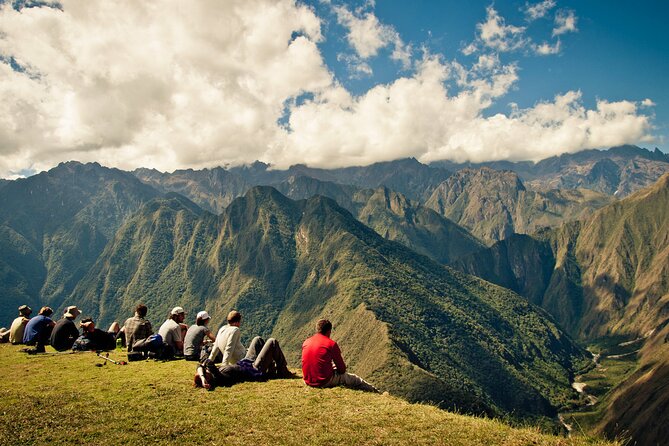
- Coca tea greeting to the apus on day two, before the toughest climb to Warmiwañusca
- Most meals handled for you on trail, with dietary preferences and snacks each trekking day
- Porters, cook, tents, and mattresses provided, so you are mostly carrying yourself
- Train back is included, with an optional upgrade to a Luxury Vistadome train name
Other ways into the citadel, side by side
- Machu Picchu Day Trip from Cusco★ 4.5 · 1,644 reviews
- Machu Picchu: Full-Day Tour from Cusco with Optional Lunch★ 4.6 · 927 reviews
- Cusco: 4-Day Inca Trail to Machu Picchu with Accommodation★ 4.8 · 432 reviews
- From Cusco: 2-Day Trip to the Sacred Valley and Machu Picchu★ 4.6 · 265 reviews
Local Roots, Small Group Energy, and Real Support
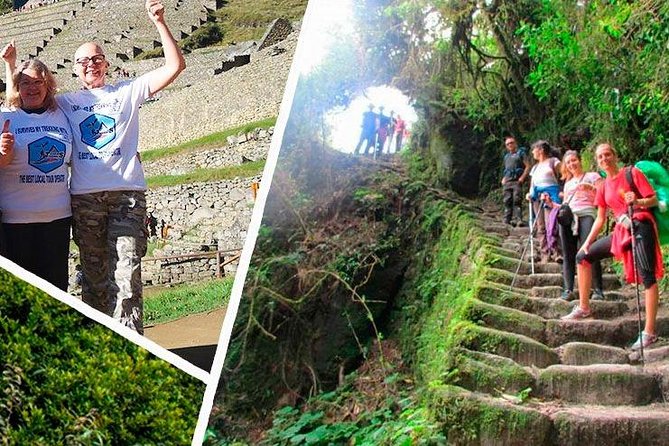
I like treks that feel like they run on relationships, not just logistics. This one is run as a 100% local Inca Trail operator, and they also put yearly resources into schooling support for kids in remote communities, which gives the trip a purpose beyond your photos.
The group size cap is 16 travelers, which is big enough to feel lively and small enough that your guide can actually manage pacing. You also get a bilingual, certified guide, plus a briefing about the trek the day before, so day one does not start with guesswork.
From the reviews that are visible in the details, names like Paolo and Raul show up as guides, and Alberto appears as a manager who handles communication. That matters because good guiding is not only about facts, it is about setting a pace that feels fair, especially if you have mixed ages or experience.
Day 1: 5:00 AM Cusco Pickup to Piskacucho, Patallacta, and Camp
Day one starts early. You get picked up around 5:00 am from your accommodation in Cusco, Urubamba, or Ollantaytambo, then you head toward Piskakucho (Km 82) for the start of the trek.
Before you hit the trail, there is a brief stop in Ollantaytambo. It is there so you can buy last-minute equipment and personal needs, and you can also order breakfast at a local restaurant before continuing to Piskakucho. If you forget something, this first window is your safety net.
Once you reach Km 82, the hike begins with a walk of about 6 to 7 hours. The first major highlight is Patallacta, described as the largest archaeological site along the route, and your guide explains what you are seeing as you move through the area. After that initial stretch and a lunch stop, you continue another 2.5 to 3 hours toward your first campsite.
What I like about this day is that it sets the rhythm. You get a meaningful first archaeology stop, then real walking time, so you can settle into breathing and footwork before tomorrow’s big climb.
Day 2: Coca Tea, Warmiwañusca Pass at 4,200 m, and the Pacaymayu Stretch
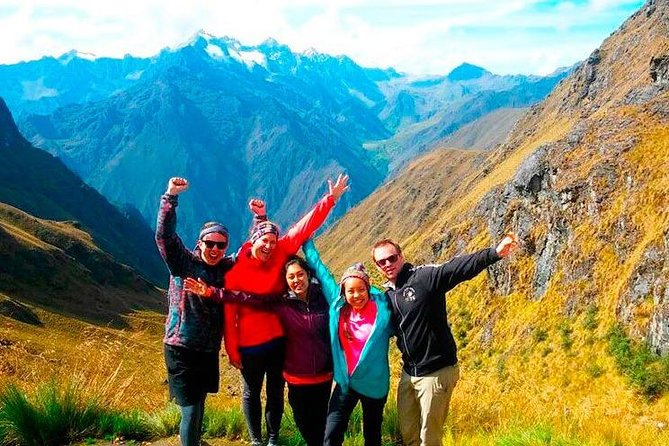
Day two is the one most people remember, because it is the hardest and longest day. You wake up early, drink a cup of coca tea as a greeting to the apus, and then start with breakfast.
Then comes the strategy part, the route uses mountain shadow when possible. The itinerary specifically notes that walking under the shadow is much better, which is good advice in high elevation conditions when sun and wind can feel relentless.
This is also when you chase the highest point of the trek, the Warmiwañusca pass, also called the Dead Woman pass, at about 4,200 meters. It is not just about the altitude number, it is about managing effort so you do not burn out before you crest.
After a short rest at the pass, you continue toward the Pacaymayu Valley, where the scenery and air shift as you descend. The day runs about 8 hours total, so you should plan your energy like you would for a long uphill day, not a casual hike.
A practical tip I take from the way this day is structured is pacing. Ask your guide to keep you steady, because this is the day when a fast start can turn into a slow finish.
Day 3: Inca Flat Views, Phuyupatamarca Town in the Clouds, and Wiñaywayna
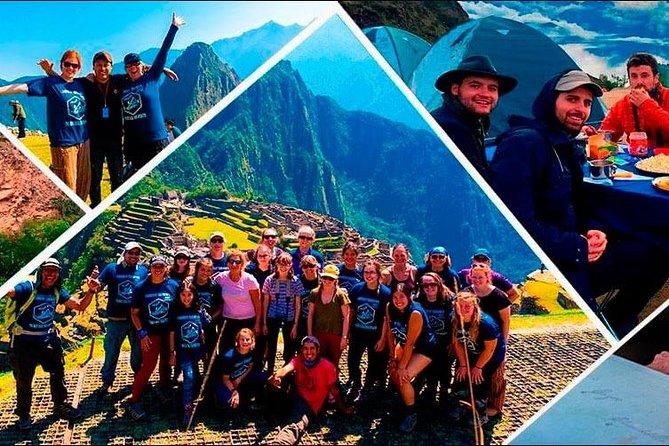
Day three is often described as the most beautiful day, and the structure supports that. You start with an early, nutritious breakfast, then walk about 2 hours along Inca Flat, a stretch built for steadier progress and big outlooks.
This is where the itinerary points you toward sweeping mountain views, including the Salkantay snowy mountain and the Vilcabamba mountain range. If you have ever felt like a trek was mostly work and no reward, this is the day that gives you visual payoff without waiting until the final destination.
From Inca Flat, you climb to Phuyupatamarca, described as Town in the Clouds, at about 3,650 meters. That altitude helps explain the change in vegetation you will feel next.
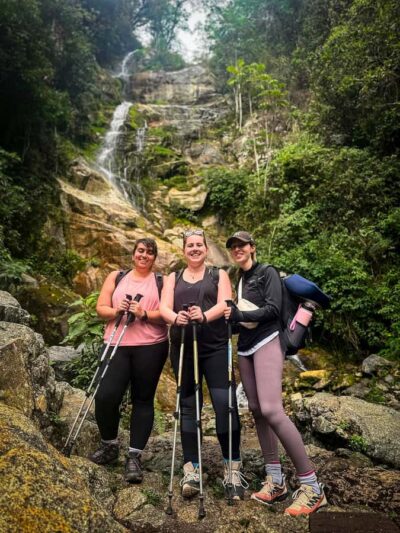
After lunch, you continue through the cloud forest environment. Expect small streams and waterfalls, plus tropical-climate plants like orchids and bromeliads, and birds such as parrots and parakeets. It is one of the best times to slow down for breaks, because the environment gives you small wins all along the way.
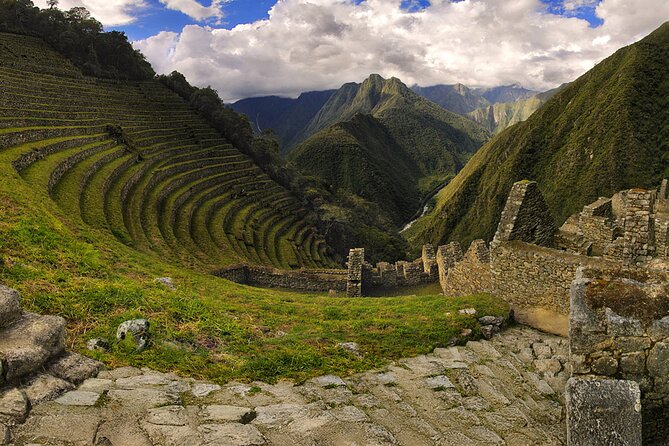
Your day closes with ruins near Wiñaywayna, following the lunch portion of the hike. With a total walk time of about 6 hours, day three often feels like a blend of effort and wonder rather than one long grind.
Still weighing up the trail? More Inca Trail departures
Day 4: Inti Punku First, Then a Guided Machu Picchu Tour You Can Enjoy
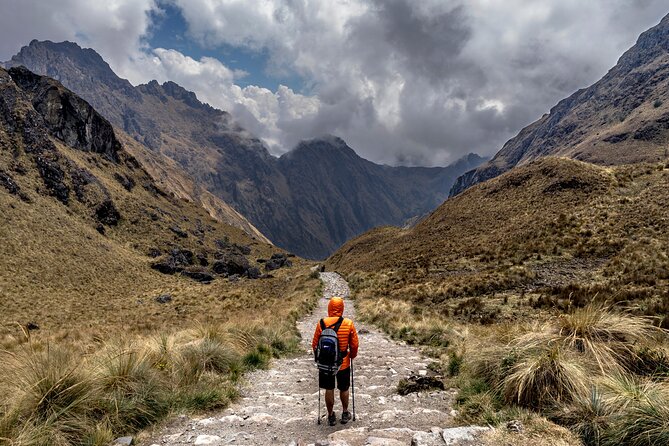
Day four is when the trek becomes a sight. You have an early breakfast, then say goodbye to your porters and cook before your final approach to Machu Picchu.
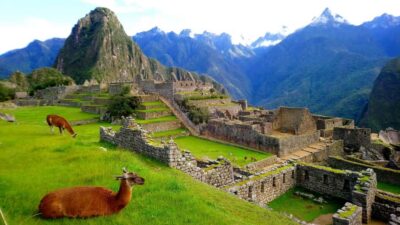
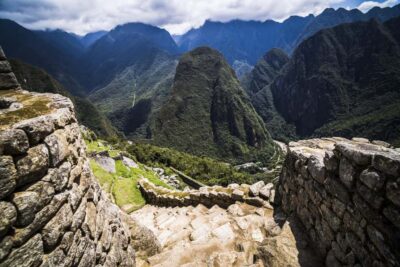
You walk to Inti Punku, the Puerta del Sol or Sun Gate, and that is your first panoramic view moment over the citadel. It is also where the day shifts from hiking mode to exploration mode, because once you register and enter, you are on a schedule built around time in the site.
You get a guided tour of about 2 hours with a bilingual guide, and the focus is on major points like the Temple of the Sun, the Temple of the Water, and the Temple of the Moon. This is where having a guide matters most, because these places can look similar if you are walking quickly on your own.
After the guided portion, you get enough time to explore on your own and take photos. That open time is important, because Machu Picchu is not a one-look attraction.
There is also an optional add-on: Huayna Picchu. You can visit it after the Machu Picchu tour, but it has an extra cost and is not included in the base package, with an indicated duration of about 2 hours.
The Machu Picchu Finish Includes Train Back, With an Optional Vistadome Upgrade
This package does include train time, but it comes after you are down to Aguas Calientes. The itinerary includes a touristic train from Aguas Calientes to Ollantaytambo, then you get private transportation from Ollantaytambo back to Cusco.
What is not included is the bus down from Machu Picchu to Aguas Calientes. The listed bus cost is $12, so you should mentally budget that short transport leg.
If you like the idea of more scenic train time, there is also an upgrade option to a Luxury Vistadome train to Ollantaytambo. Since the standard train is already included, this upgrade is really a choice about how much you want to pay for the style of that ride.
What $950 Buys You, and Where Costs Can Still Pop Up
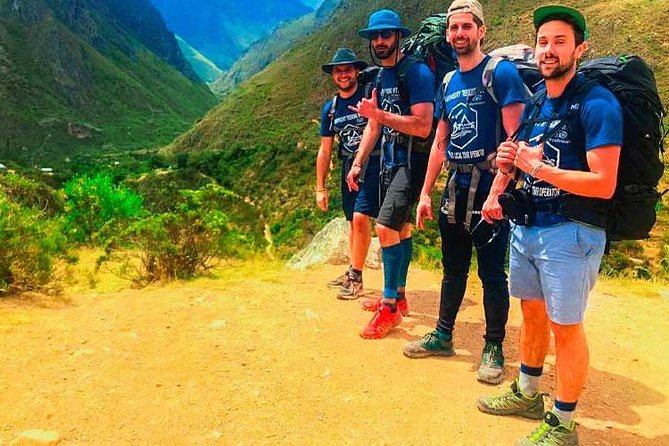
For the big picture, $950 is a price tag that mostly covers the infrastructure of a classic Inca Trail experience. You are paying for permits and entrances for the Inca Trail, and Machu Picchu entry tickets, plus a bilingual, certified guide and a trek setup with porters and a cook.
You also get real camping support. The package includes four-season tents, with 2 trekkers per tent, plus camping gear like a kitchen tent and portable chairs and table. You get mattresses, and you will also have a first aid kit with an oxygen balloon, which is a comfort factor at altitude.
Food is another major part of value. You get 3 meals per day during the trek served buffet-style, plus a snack each day, with boiled water provided to drink during the trail. Dietary preferences like vegetarian, vegan, and pesquetarian options are specifically mentioned, which is not always handled well by cheaper operators.
It is also not just about carrying less. Porters carry all camping equipment and kitchen stuff, which changes your hike from a backpack test into a legs and lungs test.
Now the costs that can still show up:
- Sleeping bag is not included, but you can rent one from them for $20
- Walking sticks are not included, but you can rent professional black diamond-style sticks for $20
- Extra expenses along the trail for personal items
- The bus down from Machu Picchu to Aguas Calientes is $12
- Mineral water can be purchased at some campsites
- Tips are not required, but welcome if you want to show appreciation
- Huayna Picchu optional add-on cost is not included
- Upgrading the train to Luxury Vistadome costs extra
My take: $950 feels fair if you compare it to piecing everything together yourself. The key is that this price includes the heavy lifting, permits, and a functioning camp, not just a guide with good intentions.
Pacing, Altitude, and Packing With the Rentals in Mind
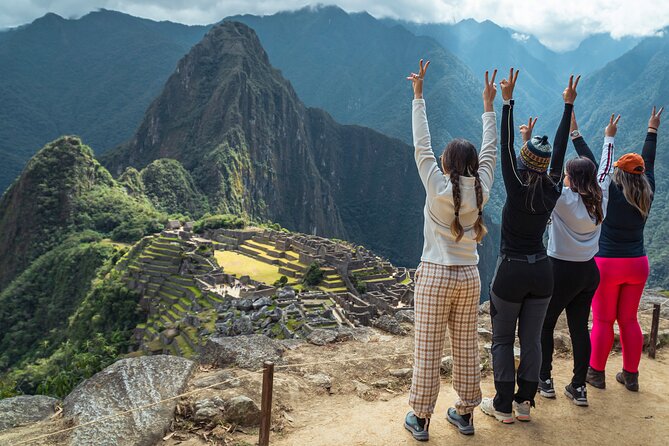
Your fitness level matters for this route, and it is explicitly described as requiring moderate physical fitness. The two biggest reality checks are the long days and the high point at about 4,200 meters on day two.
Because the trek uses tents with sleeping arrangement for two trekkers per tent, you should assume you will share space. If you are tall or very broad shouldered, you might want to ask about tent dimensions in advance, especially since one review detail specifically focused on whether a tent felt big enough.
For gear, you do not have to bring every item. If you need them, sleeping bags and walking sticks can be rented for $20 each. That is useful if you are traveling light or if you do not want to lug trekking gear across continents.
One other practical thing: you need a current valid passport on the day of travel. That sounds obvious, but it is the kind of detail that can derail plans fast in Peru when timelines are tight.
Finally, the itinerary includes a brief stop in Ollantaytambo for last-minute equipment and personal needs. Use that window wisely for small missing items, not big comfort upgrades.
Who This Inca Trail to Machu Picchu Suits Best
This is a great fit if you want a classic Inca Trail experience with strong human support. The recurring names in the guide feedback, including Paolo and Raul, point to a guiding style that mixes facts with care, including the ability to adjust pace for different people.
It is also a good match if you like the archaeology explained. You do not just pass ruins, you stop at key points and learn what you are seeing, from Patallacta on day one to Wiñaywayna and the guided temple highlights at Machu Picchu.
If you are traveling as a couple or a small group, the maximum of 16 travelers helps keep it from feeling like a mass event. If you are traveling with kids or mixed abilities, the feedback includes families and a guide setting a pace that works for everyone, not just the fastest hikers.
If, on the other hand, you have limited high altitude tolerance or you cannot handle a long, steep day, this may be a tough choice. The itinerary is built for hikers who can hike multiple hours and manage the day two climb.
Should You Book This Tour?
I would book it if you want a well-supported classic Inca Trail that does not cut corners on the essentials: permits, guided site time, porter support, and meals. The local operator angle and the school supply mission also give the trip a stronger meaning than many “just for the photo” packages.
Skip it or consider another option if you know you struggle with altitude or long hiking days, because Warmiwañusca pass at about 4,200 meters is not a negotiable part of this route. Also factor in that sleeping bag and walking sticks are not included unless you rent them, and the Machu Picchu bus down is an extra $12.
If you show up ready, pack smart, and accept that early mornings are part of the deal, this one can feel like a serious adventure with real care behind it.
FAQ
What is the duration of this Inca Trail to Machu Picchu experience?
It runs for about 4 days, with an itinerary that includes 4 walking days total timing shown as approximately 4 days.
Where does the trek start?
The trek starts at Piskakucho (Km 82), after a pickup in Cusco, Urubamba, or Ollantaytambo.
Is pickup from your accommodation included?
Yes. Pickup is offered from your accommodation in Cusco, Urubamba, or Ollantaytambo.
How long are the hikes on the main days?
Day 1 is about 6 to 7 hours, day 2 about 8 hours, day 3 about 6 hours, and day 4 includes the final arrival day with timing shown at about 5 hours.
What is the highest point on the trek?
The highest point is the Warmiwañusca pass, also called the Dead Woman pass, at around 4,200 meters above sea level.
Are meals included?
Yes. The package includes 3 meals per day during the trek (buffet style), plus snacks each trekking day. Dietary preferences like vegetarian, vegan, and pesquetarian can be accommodated. The first breakfast and the last lunch and dinner are not included.
Are permits and entrance tickets included?
Yes. Entrances and permits for the Inca Trail are included, and entrance tickets to Machu Picchu are included.
What camping comfort is included?
You get four-season tents (2 trekkers per tent), camping equipment like a kitchen tent plus chairs and table, and mattresses. You also have a first aid kit with an oxygen balloon.
Is Huayna Picchu included?
Huayna Picchu is optional, costs extra, and is not included in the base package. It is listed as about 2 hours.
Is there a cancellation fee or refund if plans change?
The experience is non-refundable and cannot be changed for any reason. If you cancel or ask for an amendment, the amount you paid will not be refunded.
More Trains to the Mountain
- Cusco: Machu Picchu 2-Day Inca Trail with Panoramic Train
★ 4.9 · 260 reviews - The First Class Machu Picchu Train by Inca Rail
★ 4.0 · 182 reviews - From Cusco: 1-day Machu Picchu Tour by Train
★ 4.6 · 138 reviews - 2-Day Machu Picchu Tour by train from Cusco ( All included )
★ 5.0 · 85 reviews - Machu Picchu: 5-Day Salkantay Trek with Panoramic Train
★ 5.0 · 79 reviews
Other Inca Trail Departures
- Cusco: 4-Day Inca Trail to Machu Picchu with Accommodation
★ 4.8 · 432 reviews - Cusco: Machu Picchu 2-Day Inca Trail with Panoramic Train
★ 4.9 · 260 reviews - From Cusco: 2-Day Inca Trail to Machu Picchu
★ 4.2 · 244 reviews - Machu Picchu: Inca Trail 2-Day Overnight Guided Tour
★ 4.9 · 203 reviews - Short Inca trail to MachuPicchu || 2days – 1nigth ||
★ 5.0 · 103 reviews
Machu Picchu, Three More Ways
- From Cusco: Full-Day Group Tour of Machu Picchu
★ 4.7 · 1,767 reviews - Machu Picchu Day Trip from Cusco
★ 4.5 · 1,644 reviews - Machu Picchu: Full-Day Tour from Cusco with Optional Lunch
★ 4.6 · 927 reviews - Cusco: 4-Day Inca Trail to Machu Picchu with Accommodation
★ 4.8 · 432 reviews - From Cusco: 2-Day Trip to the Sacred Valley and Machu Picchu
★ 4.6 · 265 reviews
Fresh in from Cusco

Machu Picchu & Aguas Calientes Tours, compared.
 ★ 4.7Full-Day Group Tour of Machu PicchuFrom $3211,767 reviews
 ★ 4.5Machu Picchu Day Trip from CuscoFrom $3361,644 reviews
 ★ 4.6Machu Picchu: Full-Day Tour from Cusco with Optional LunchFrom $283927 reviews
 ★ 4.84-Day Inca Trail to Machu Picchu with AccommodationFrom $470432 reviews
 ★ 4.62-Day Trip to the Sacred Valley and Machu PicchuFrom $370265 reviews
 ★ 4.9Machu Picchu 2-Day Inca Trail with Panoramic TrainFrom $582260 reviews
 ★ 4.22-Day Inca Trail to Machu PicchuFrom $290244 reviews
 ★ 4.9Machu Picchu: Inca Trail 2-Day Overnight Guided TourFrom $585203 reviews
Browse the lists this tour appears in