
REVIEW · MACHU PICCHU & AGUAS CALIENTES TOURS
Inca Jungle 4-Day Tour: Full Adventure to Machu Picchu Included
If your idea of Machu Picchu includes dirt roads and adrenaline, this is your kind of trip. You get a full adventure circuit, from Abra Malaga downhill biking and river rafting to zip-lines and a guided sunrise visit to Machu Picchu, all tied together with transport, tickets, and meals. I like that the day-by-day flow keeps moving, but you still get real downtime too, like hammocks at Quellomayo and relaxing hot springs at Cocalmayo. The one drawback to consider is that this tour calls for moderate fitness, plus early starts like a 4:30 am hike on the final morning.
What makes the price feel reasonable is how much is included for $630 per person. You’re not just buying a single entrance ticket. You’re paying for professional guiding, private transportation, mountain bikes with full equipment, white-water rafting, zip-line gear, and lodging for three nights, plus Machu Picchu entry and train travel back toward Cusco. Your meal coverage is also clearly set: dinner and lunch are included on three days, breakfast is included on three days, with breakfast on the first day and lunch on the last day left out.
Finally, the Machu Picchu day gives you options, but you need to plan them. You can add Huayna Picchu or Machu Picchu Mountain for an extra $10 USD, and availability is limited, so request it when you book. If you’re the type who hates tight schedules or doesn’t like early mornings, this could feel like a lot. If you like structured adventure, it’s a strong fit.
Key highlights you will feel fast
- Abra Malaga downhill biking: about 2 hours of downhill with villages, orchards, rivers, and streams along the way
- Vilcanota River rafting: rapids vary by season, never above Level IV and never below Level II
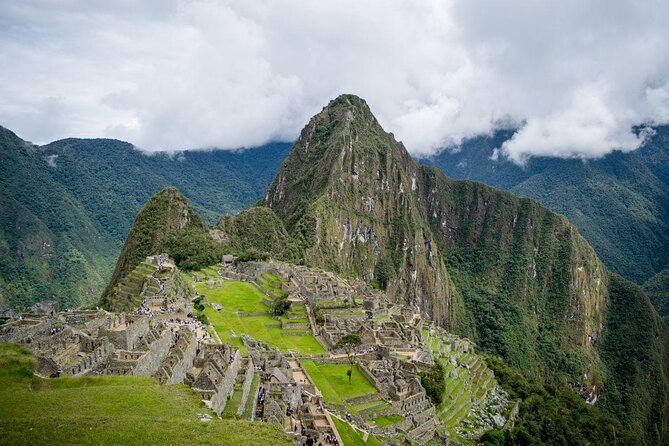
- Santa Teresa jungle climb: not high altitude, with an authentic Inca trail section plus coffee and coca plantations
- Cocalmayo hot springs: natural pools in lush vegetation after crossing hanging bridges and seeing waterfalls
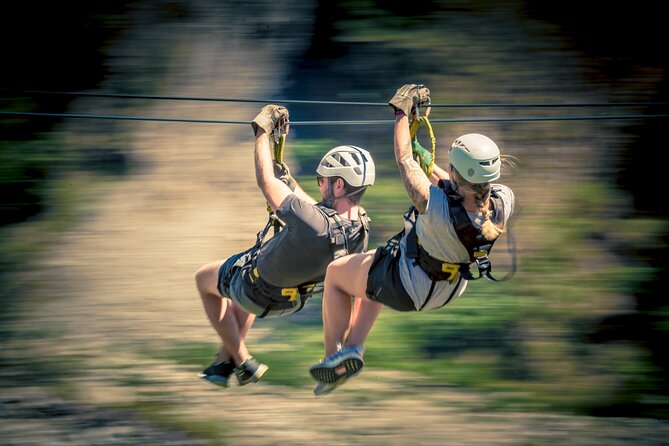
- Zip-lines near 180 m high: five lines, up to 70 km/h, with harnesses and a double cable system
- Sunrise Machu Picchu entry: 4:30 am departure, then a 2.5-hour guide-led walking tour
Other ways into the citadel, side by side
- Machu Picchu Day Trip from Cusco★ 4.5 · 1,644 reviews
- Machu Picchu: Full-Day Tour from Cusco with Optional Lunch★ 4.6 · 927 reviews
- Cusco: 4-Day Inca Trail to Machu Picchu with Accommodation★ 4.8 · 432 reviews
- From Cusco: 2-Day Trip to the Sacred Valley and Machu Picchu★ 4.6 · 265 reviews
The adventure logic: why this route hits harder than a basic hike
This is not the slow, contemplative version of Machu Picchu. It’s a mix-and-match route built around the idea that the journey should be part of the story. Instead of only walking, you trade some time on trails for biking, rafting, zip-lines, and hot springs. The payoff is that you see different sides of the Cusco region in a short window, from Andean towns to jungle valleys.
You also get a very clear rhythm: morning energy, midday fuel, afternoon activity, then enough time to regroup. For many people, that structure is the secret sauce. It keeps you from wasting hours on logistics, and it lets you focus on the fun parts, like getting your technique right on the bike, learning the safety drill before the rafting starts, and listening to your guide during the Machu Picchu walk.
Cusco start at 6:00 am: biking Abra Malaga then rafting the Vilcanota
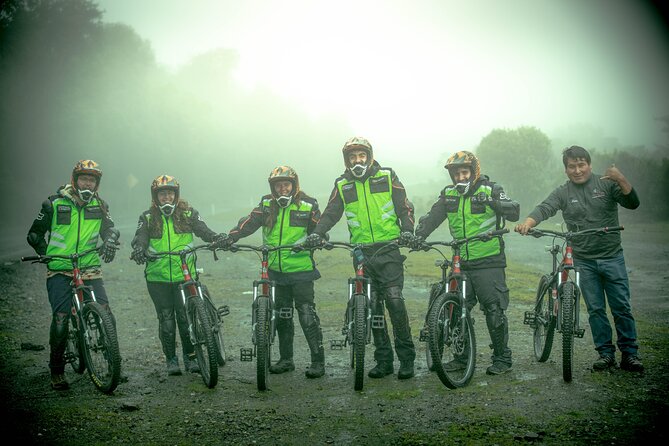
The trip begins with pick up from your hotel in Cusco at 6:00 am, which is early, but it also sets you up to get the best daylight for the first big hit. You drive around 2 hours to Abra Malaga Mountain, then shift into downhill mode on mountain bikes with full equipment.
The biking is scheduled as a 2-hour descent. That time matters. You’re not doing a quick photo stop run. You’re actually riding through the real terrain of the area, passing small villages, orchards, rivers, and streams. There’s also a brief stop in Huamanmarca, then you continue on to Santa Maria where lunch is waiting.
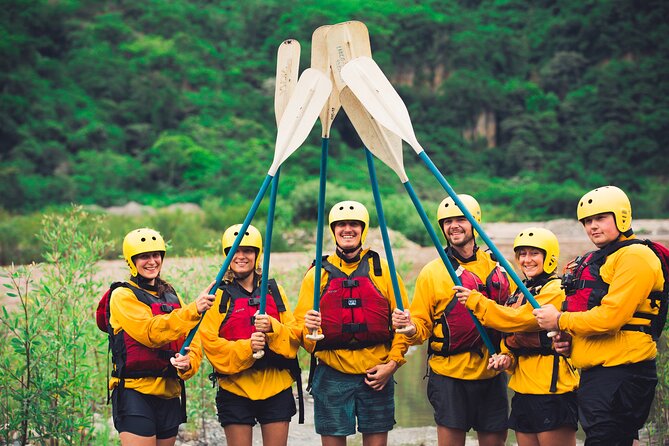
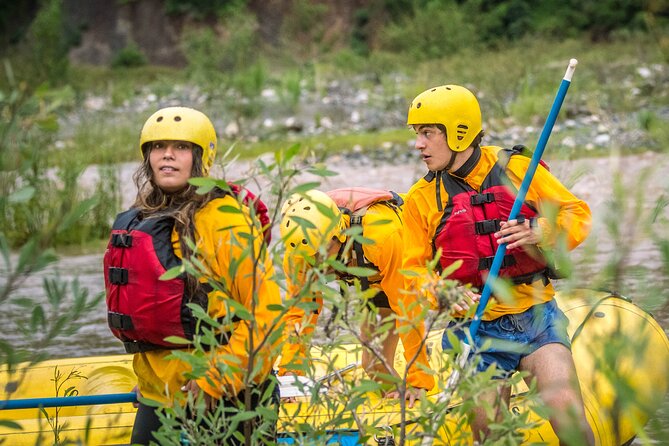
In the afternoon, the energy turns water-based. You go rafting on the Vilcanota River. The rapid level varies depending on the time of year, but it’s guided so it stays within a known range: never above Level IV, and never below Level II. Translation for you: you should expect real rafting, not just a floating demo, but it’s not designed to be a extreme white-water test for experts either.
What to watch for on this day
Plan for a long, active day even though the schedule looks simple on paper. You’re riding, then rafting, and you’ll be traveling between zones. If you bruise easily or are new to biking, you might feel sore in the first 24 hours. That’s normal. Bring water, keep your snacks simple, and trust the equipment setup.
Santa Maria lodge night: when comfort helps your body recover
After a day that includes biking and rafting, you end at a lodge in Santa Maria. The plan includes a comfortable room and a peaceful atmosphere to rest. You also get dinner, so you’re not hunting food after dark when your energy is low.
This lodge night is not just a place to sleep. It’s part of the pacing. By the time you get here, your legs are tired, and your body needs downtime before the next day’s jungle climb. If you’re the type who tries to keep moving every night, this stop gives you a reason to actually stop and recover.
One practical note: you’re in the jungle zone for these activities, so keep expectations realistic. The air can feel hot and damp compared to Cusco. Your best strategy is to hydrate early, wear sunscreen, and treat sleep like part of the itinerary.
The Inca Jungle route, other versions
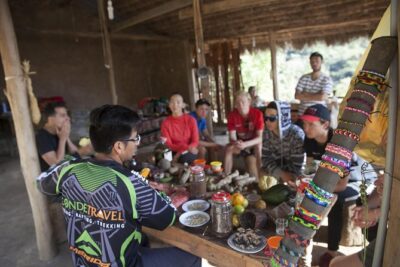
Santa Teresa jungle climb: Inca trail steps, gardens, hanging bridges, and Cocalmayo
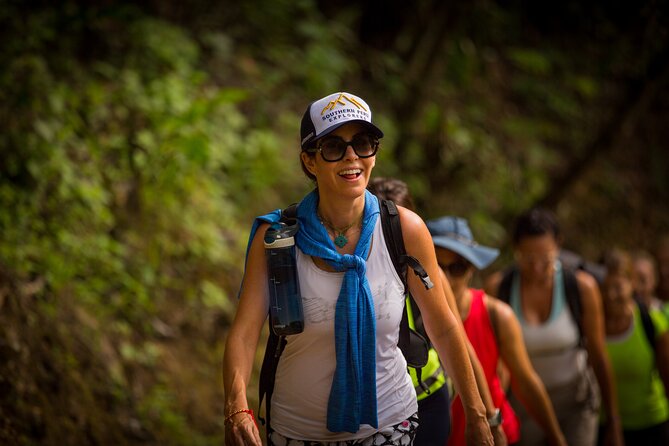
Day one adrenaline gives way to a more nature and culture-heavy day in the jungle mountains near Santa Teresa. You start after breakfast with a climb that is described as not high altitude. You still get an authentic section of the Inca Trail, which is one of the best reasons this tour feels more meaningful than a generic adventure package.
As you go, you pass through coffee and coca plantations and see native fruits like bananas, avocados, pineapples, and passion fruit. There are also animals and local village life along the route. It’s a good mix: you get movement and views, but you also get context for what you’re passing.
Quellomayo lunch break and hammock time
You stop for lunch in Quellomayo, and you also get time to relax in a garden area with hammocks. This is exactly the kind of small pause that makes the bigger effort feel worth it. You’re not just eating and rushing out. You’re resetting.
Waterfalls, hanging bridges, then hot springs
Later you move through scenes with waterfalls and hanging bridges, then head to Cocalmayo hot springs. The hot springs are natural pools surrounded by lush vegetation, so it’s less like a commercial spa and more like a reset in nature. You can relax there before returning to your starting point.
The tradeoff
This is still a physically active day. Even if it’s not framed as high altitude trekking, you’re climbing and spending time on uneven terrain. Wear shoes you trust, keep your pacing steady, and don’t try to out-walk the schedule. The goal is to arrive at the hot springs feeling like you earned the soak.
Zip-lines near 180 m high, then the walk toward Aguas Calientes
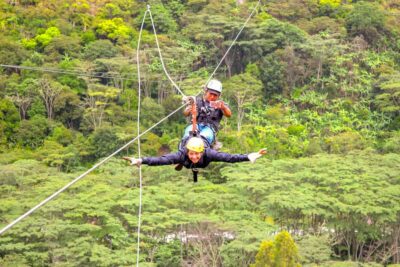
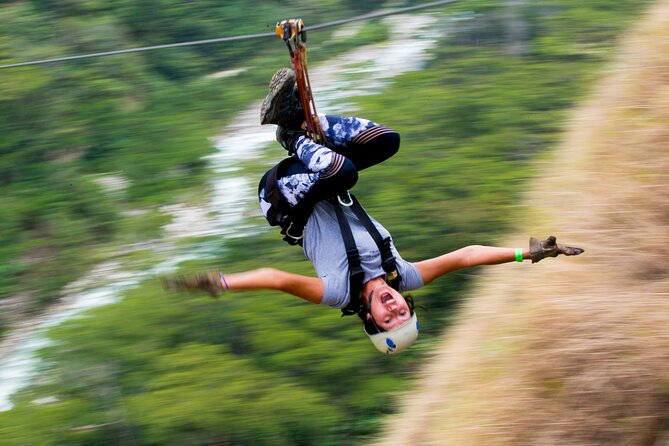
The next morning starts with the big vertical thrill: you fly through the air about 150 meters above the ground. The zip-line portion includes five zip-lines, anchored by a double cable system in two different mountains. You’re harnessed and connected for each line.
The setup is specific, which helps you understand what you’re signing up for. There are 2,500 meters of cable in five sections. The longest section is 600 m, and the highest is 180 m. The maximum speed reachable is 70 km/h. You may also choose different riding styles, like flying straight or doing head-first or upside-down variations, depending on what you’re comfortable with.
After zip-lines, you drive to Hydroelectric for lunch. Then the afternoon shifts to a guided walk near the train rail to reach Machu Picchu town, also known as Aguas Calientes. You’ll have dinner and stay the final night at a hostel at the foot of Machu Picchu.
Hostel reality check
This is the one place where your lodging expectations may matter. Earlier nights are described as a lodge experience with comfortable rooms. The Aguas Calientes night is in a hostel. It’s still part of an efficient plan since it positions you right where you need to be for an early sunrise departure. If you prefer a more upscale stay in Aguas Calientes, plan on upgrading separately, since that comfort choice is not included as described.
Sunrise hike and your guided Machu Picchu walk
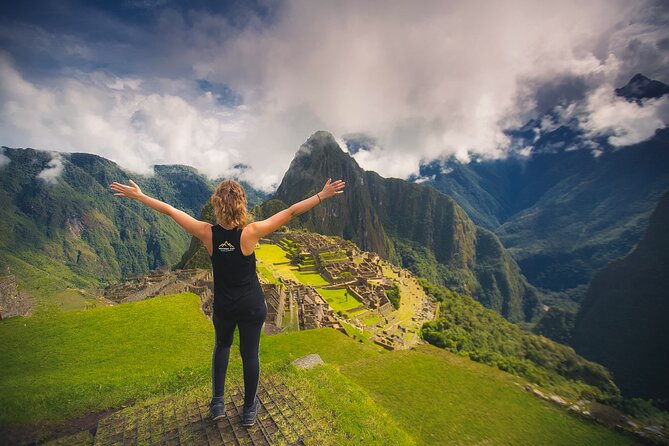
On the final morning, you leave at 4:30 am to hike up to Machu Picchu, taking about 1.5 hours to arrive in time for sunrise. That timing is everything. You get the city waking up in the light, and it makes the whole place feel different than a midday visit.
Once you’re inside, your guide provides a walking tour of about 2.5 hours. This part is designed to explain the design of housing and how families lived, so you’re not just sightseeing ruins. You’re learning how the spaces were intended to work.
After the guided portion, you can choose how you want to continue. You can explore on your own, or you can add a summit climb for bigger panoramas.
What I like about the guide-led approach
Machu Picchu is easy to stare at and hard to fully understand without direction. A guided tour helps you notice things you’d otherwise miss, like layout choices and how living areas connect to the bigger design. It also helps you move with purpose so you don’t spend your limited time wandering aimlessly.
Huayna Picchu or Machu Picchu Mountain: extra cost, extra views, limited spots
You have the option to climb Huayna Picchu or Machu Picchu Mountain after your guided walk. The additional cost is $10 USD, and availability is limited. You should arrange it when booking, not after you’re already in Peru, because you might not get a slot.
The climb time is described as about an additional 45 minutes. You’ll come back down on foot to Aguas Calientes, then take the train to Ollantaytambo. From there, you’ll be picked up and bussed back to Cusco.
Practical advice for this choice
If you’re even slightly unsure about your stamina, consider skipping the summit climb and using the time to explore at a relaxed pace. Panoramas are great, but so is leaving Machu Picchu without feeling wrecked. Your guide will set you up with a clear plan, and you can decide based on how you feel that morning.
Price and value: is $630 per person a good deal?
At $630 per person for roughly four days, the value comes from how many paid pieces are bundled. You’re not only paying for the Machu Picchu entrance ticket. You also get:
- Machu Picchu entry
- Train tickets connected to the return route toward Cusco (train to Ollantaytambo, then bus back)
- Mountain biking with full equipment
- White-water rafting
- Zip-line with full gear
- Professional tour guides throughout
- Private transportation
- Three nights lodging (hotel/lodge plus one hostel night in Aguas Calientes)
- Multiple included meals: breakfast (3), lunch (3), dinner (3)
- What’s not included: breakfast on the first day, lunch on the last day
That mix matters because adventure tours are expensive when you buy everything separately. Guides, gear, permits, and transport add up quickly. Bundling them into one price is especially useful if you don’t want to spend your Peru time juggling reservations, figuring out schedules, and tracking down reliable operators.
The booking lead time is also telling: this kind of itinerary is booked far ahead, with an average of 330 days. That suggests high demand for this combo of activities plus Machu Picchu access.
The one value tradeoff
You are spending energy every day. If you want a mostly comfortable, slow sightseeing trip with minimal physical effort, you might find the included pace feels intense. But if you’re happy with guided structure and you want a story-rich journey, $630 is not just a ticket. It’s a package of experiences that would be hard to replicate on your own without time and local know-how.
Who this Inca Jungle trek suits best
This tour is best for you if you want Machu Picchu without a boring single-style day. You’ll probably love it if you’re comfortable with active travel and you want variety: biking, rafting, zip-lines, hot springs, jungle scenery, and then a classic Machu Picchu guided walk.
It’s also a good fit if you travel in a small group. The group size is capped at 12, which usually means you get more attention and fewer bottlenecks during gear checks and instructions.
Fitness reality check
The tour says travelers should have moderate physical fitness. That’s consistent with what the schedule demands: downhill biking, rafting logistics, a jungle climb with bridges and waterfalls, a zip-line morning, and finally a 1.5-hour hike up for sunrise. You do not need to be an athlete, but you should be willing to work and you should not expect everything to feel light.
If you should look elsewhere
If you dislike early mornings, or if you have medical concerns that make rafting or zip-lines risky, then this may not match your comfort level. Also, if you want more luxury lodging every night, you should plan around the hostel night in Aguas Calientes, since it’s part of the described plan.
A quick note on guides: safety, explanations, and good energy
I like tours where the guides can handle the two jobs at once: keep you safe during adrenaline parts and help you understand what you’re seeing during culture parts. The feedback associated with this company repeatedly highlights guides like Joel, Eduardo, Erick, Robie, Jhimmy, and Rolando in different roles, with emphasis on friendly guidance and clear support.
You can’t choose every guide, but the names that come up in the feedback hint at a consistent style: people who explain processes, help you feel confident, and keep the mood positive even when the schedule is intense.
Should you book this tour?
Book it if you want Machu Picchu with a real adventure spine. This is a strong choice for active travelers who like variety, want professional guidance, and appreciate a tight itinerary that keeps you moving from Cusco into the jungle and back out for sunrise views.
Skip it if you want a low-energy, flexible sightseeing pace, or if you’re not comfortable with rafting and zip-lines. Also think twice if an early 4:30 am hike sounds like a deal-breaker.
If you do book, I’d prioritize packing smart for active days, confirming your choice about Huayna Picchu or Machu Picchu Mountain early, and giving your body permission to rest on the nights when it’s offered. Done that way, this itinerary doesn’t just get you to Machu Picchu. It gives you a whole route of memories to carry home.
FAQ
What time does the Machu Picchu hike start on the last day?
You leave at 4:30 am to hike to Machu Picchu, arriving in time to appreciate the city as the sun is rising.
What’s included in the tour price?
The tour includes private transportation, professional tour guides, Machu Picchu entry, train tickets back toward Cusco, 3 nights accommodation (hotel and lodge plus a hostel night), mountain bikes with full equipment, white-water rafting, zip-line with full equipment, and meals including 3 breakfasts, 3 lunches, and 3 dinners.
Are Huayna Picchu or Machu Picchu Mountain included?
Not automatically. You can choose to climb Huayna Picchu or Machu Picchu Mountain for an additional $10 USD, subject to limited availability. You should arrange it when booking.
How big is the group?
The tour has a maximum of 12 travelers.
What kind of rafting should I expect?
Rafting is on the Vilcanota River. The rapid level varies by season, but it never exceeds Level IV and never drops below Level II.
What fitness level do I need?
The tour recommends travelers have moderate physical fitness. The schedule includes active segments like biking, jungle climbing, and a 1.5-hour hike for sunrise at Machu Picchu.
More Tour Reviews in Cusco
- Cusco: Humantay Lake Tour with Breakfast and Buffet Lunch
★ 4.9 · 2,976 reviews - From Cusco: Moray, Maras Salt Mines & Chinchero Weavers Tour
★ 4.8 · 1,925 reviews - From Cusco: Full-Day Group Tour of Machu Picchu
★ 4.7 · 1,767 reviews - Machu Picchu Day Trip from Cusco
★ 4.5 · 1,644 reviews - Cusco: Half-Day City Tour with Sacsayhuaman and Q’enco
★ 4.6 · 1,129 reviews
More of the Inca Jungle Route
- 4-Day Inca Jungle Adventure, Mountain Biking, Rafting and Zipline
★ 5.0 · 60 reviews - 4 Days Inca Jungle to Machu Picchu Standard
★ 4.5 · 48 reviews - From Cusco: 4-Day Inca Jungle Adventure to Machu Picchu
★ 4.8 · 45 reviews - Inca Jungle Premium to Machu Picchu 4-Day and 3-Nights
★ 5.0 · 40 reviews - 07 Day: Inca Jungle Adventure with Mountain Bike, Rafting, Zipline & Trek
★ 5.0 · 36 reviews
Machu Picchu, Three More Ways
- From Cusco: Full-Day Group Tour of Machu Picchu
★ 4.7 · 1,767 reviews - Machu Picchu Day Trip from Cusco
★ 4.5 · 1,644 reviews - Machu Picchu: Full-Day Tour from Cusco with Optional Lunch
★ 4.6 · 927 reviews - Cusco: 4-Day Inca Trail to Machu Picchu with Accommodation
★ 4.8 · 432 reviews - From Cusco: 2-Day Trip to the Sacred Valley and Machu Picchu
★ 4.6 · 265 reviews
Fresh in from Cusco
Machu Picchu & Aguas Calientes Tours, compared.
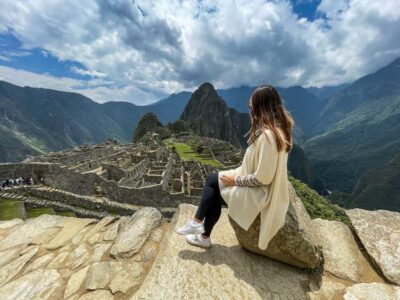 ★ 4.7Full-Day Group Tour of Machu PicchuFrom $3211,767 reviews
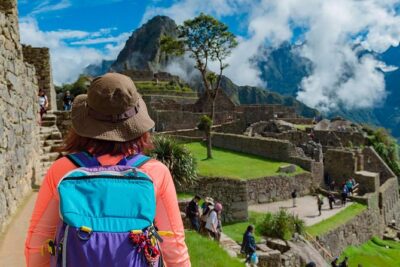 ★ 4.5Machu Picchu Day Trip from CuscoFrom $3361,644 reviews
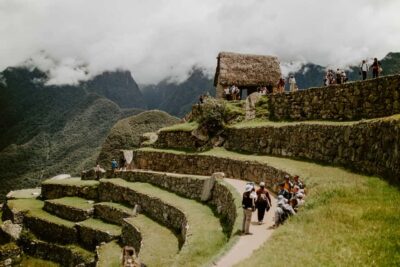 ★ 4.6Machu Picchu: Full-Day Tour from Cusco with Optional LunchFrom $283927 reviews
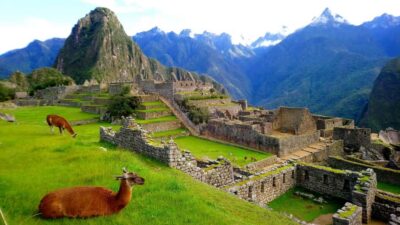 ★ 4.84-Day Inca Trail to Machu Picchu with AccommodationFrom $470432 reviews
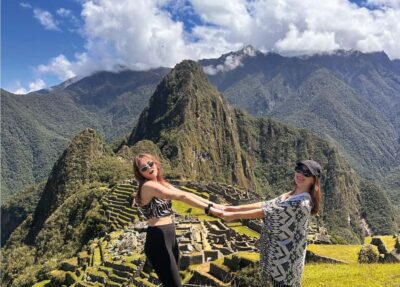 ★ 4.62-Day Trip to the Sacred Valley and Machu PicchuFrom $370265 reviews
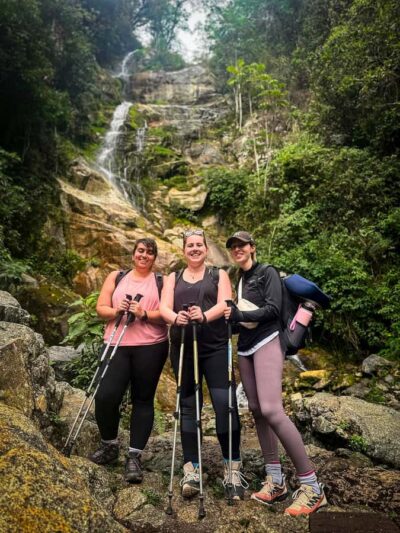 ★ 4.9Machu Picchu 2-Day Inca Trail with Panoramic TrainFrom $582260 reviews
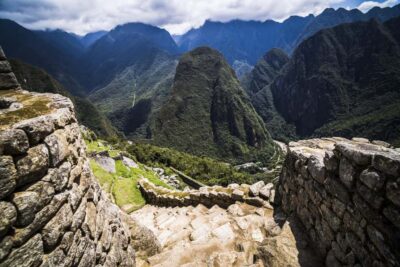 ★ 4.22-Day Inca Trail to Machu PicchuFrom $290244 reviews
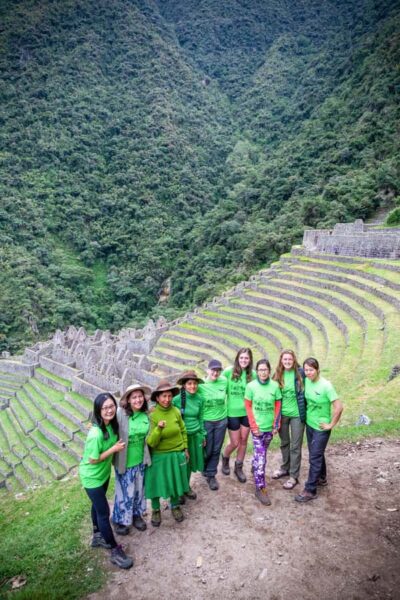 ★ 4.9Machu Picchu: Inca Trail 2-Day Overnight Guided TourFrom $585203 reviews
Browse the lists this tour appears in