
REVIEW · MACHU PICCHU & AGUAS CALIENTES TOURS
4 Days Inca Jungle to Machu Picchu Standard
Four days in the Inca Jungle sounds intense, because it is. You’ll move through coffee and cocoa high-forest, hit Abra Malaga on mountain bikes, and end with a guided visit to Machu Picchu that you can enjoy at your own pace.
What I like most is how many different ways you travel each day. You get biking, hiking, hot springs time, and big-ticket add-ons like rafting and zip-lining, guided with a bilingual pro who also connects the dots to Inca culture. My second favorite thing is the small-group feel, capped at about 15, which helps the day flow instead of turning into a conveyor belt.
One thing to consider: this is an active route with optional activities that are not included in the base price. If you want everything (rafting, zipline, Huayna Picchu or the Old Mountain), you should budget extra and confirm costs early.
Key highlights to know before you go
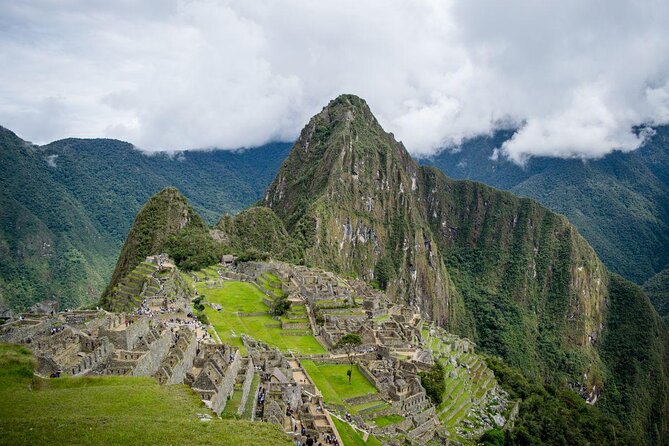
- Abra Malaga biking to start strong, mixing rural views, rivers, and orchards on a proper downhill route
- High-forest walk to Inca Carcel, with time to rest and learn along the way
- Cocalmayo hot springs included, plus a real break for your legs after trekking
- Santa Teresa to Aguas Calientes routing that splits people between zipline and hiking options
- Machu Picchu sunrise chance with an early start, plus about 2 hours of guided time inside the sanctuary
- Max 15 travelers for a more personal, less-chaotic experience
Other ways into the citadel, side by side
- Machu Picchu Day Trip from Cusco★ 4.5 · 1,644 reviews
- Machu Picchu: Full-Day Tour from Cusco with Optional Lunch★ 4.6 · 927 reviews
- Cusco: 4-Day Inca Trail to Machu Picchu with Accommodation★ 4.8 · 432 reviews
- From Cusco: 2-Day Trip to the Sacred Valley and Machu Picchu★ 4.6 · 265 reviews
Day 1: Cusco region to Abra Malaga biking, then rafting in Santa Maria
Your adventure starts early, with a 5:00 am start. You’ll travel from Cusco into the route toward Abra Malaga (4,350 m), and the day’s vibe is classic Inca Jungle: big elevation changes, fresh air, and a lot happening in one go.
The biking portion is the headline. After you reach the top, you descend for about 3 hours on mountain bikes. This is not a beginner stunt. It’s a real, ride-through-the-country day, passing through rural villages, rivers, orchards, and streams, with stops along the way that keep it from feeling like nonstop motion.
There’s also a practical planning detail here. The ride ends around Huamanmarca, where you can buy water and snacks if you need them. That matters because you’ll be exerting yourself and you’re high up, where dehydration can creep in faster than you think.
Lunch lands in Huayro after the biking segment. From there, a private bus takes the group to Santa Maria, the launch point for rafting. Rafting is one of the experiences people talk about most for this route, but it’s also one of the items that is not included in the base price. So you’ll want to decide your comfort level early and be ready for the add-on cost.
What this day teaches you fast: the tour isn’t just “transport plus sightseeing.” It’s structured around activities, so your energy management matters. Bring the basics you’ll actually use: water, sunscreen, and a small daypack you can keep track of on the move.
Day 2: High-forest trail, Inca Carcel ruins, and Cocalmayo hot springs
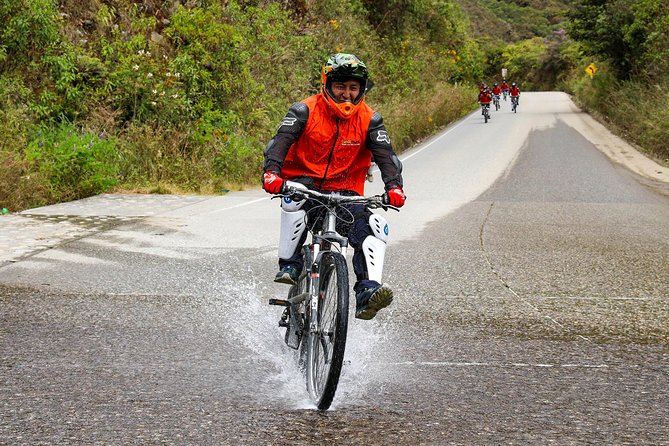
Day 2 is where the Inca Jungle identity really locks in. After breakfast, you take private transportation to Pasto Grande and begin a roughly 4-hour walk through the high forest.
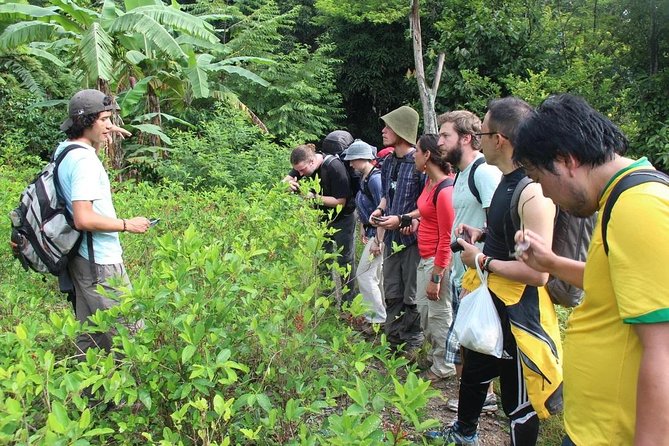
This is the “slow down and look” section. You’ll move along the trail while spotting small coffee and cocoa plantations, fruit trees, and lots of plant life like orchids. If you like bird watching or just noticing how different the air and vegetation feel at altitude, this part can feel like a reward even while you’re hiking.
Near the top, you reach the archaeological center of Inca Carcel. This is a powerful stop and not just for photos. It’s known for the story of how the Inca system punished people who broke the rules of Inca society. Your guide should put context around what you’re seeing, and there’s also time to rest and recharge your energy before continuing.
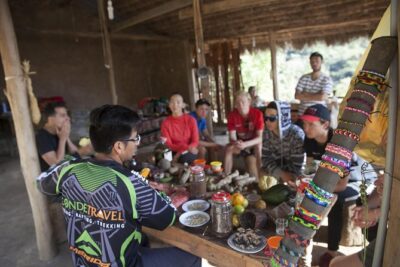
Then comes lunch with local, practical fuel: a meal in the community of Pumachaca, described as made with fruits and tubers. You’ll continue walking after that toward the hot springs of Cocalmayo.
The hot springs themselves are a smart design choice in the itinerary. They give your muscles a chance to recover before you shift into the next travel day. Cocalmayo hot springs are listed as included, and you can also enjoy beers if you want. After relaxing, you return by private transport to lodging in Santa Teresa.
The best value on this day: you get both nature and a culture stop, and you still end with recovery time. That blend is what makes the whole route feel like more than a checklist.
Day 3: Zipline or hiking, waterfalls and farms, then Aguas Calientes lodging
Day 3 starts in Santa Teresa and aims to get you into the Machu Picchu circuit by the end of the day. The morning splits the group into two paths depending on what you reserved in advance.
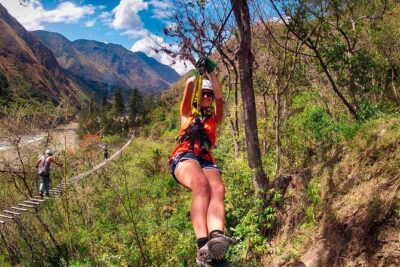
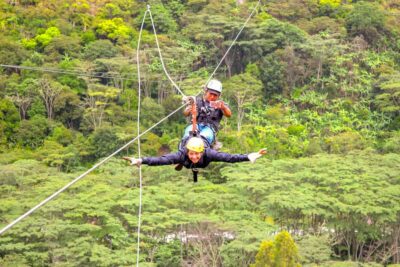
If you booked ahead, you’ll do the zipline. If not, the rest of the group continues hiking for about 3 hours to the hydroelectric area. The group reunites there, and you share lunch.
After lunch, you continue for another about 3 hours along the path that takes you past waterfalls, plus coca and coffee farms. By the time you arrive in Aguas Calientes, you’re in the right zone for Machu Picchu logistics.
Lodging is provided in Aguas Calientes around 4:00 pm, at a hostel with private bathrooms and hot water. Then you’ll have dinner together at a restaurant, and you’ll get a briefing about the Machu Picchu trek the next day.
Here’s a key reality check for expectations: zipline is not included in the base price, even though it can be part of the day. So don’t assume the “active options” are free. Decide based on your comfort and budget.
My practical advice for this day: treat it like a transition day. Your legs might feel okay in the morning, but the day stacks up. Bring a light jacket, use bug spray, and keep your pack light. One review note I agree with based on the route’s nature: you don’t need to overpack, and a small daypack makes the walking and transfers easier.
Day 4: Early Machu Picchu sanctuary visit, sunrise chance, then return to Cusco
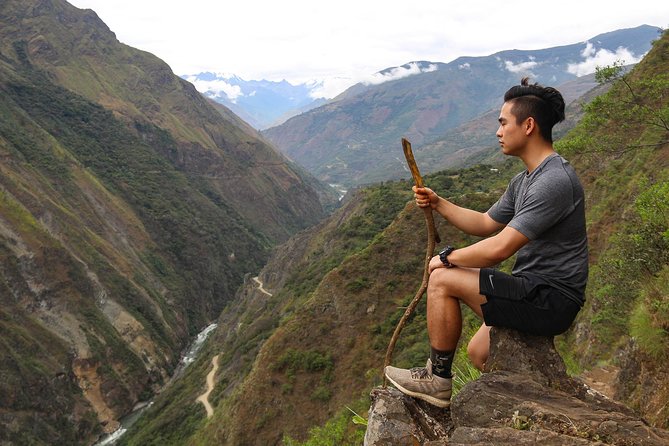
Day 4 is the big moment. You’ll get up early to head into Machu Picchu through an ascending route in the high forest, with a chance to see sunrise depending on timing and conditions.
Once you arrive, your guide shows you the sanctuary for about 2 hours. This guided time is valuable because Machu Picchu can feel like “cool ruins” until someone explains how the site works and why different zones were important. After that, you get free time to enjoy Machu Picchu at your own pace, which is exactly when you’ll slow down for the views and the details that grab you personally.
Machu Picchu admission is listed as included, but the logistics around getting from Aguas Calientes to Machu Picchu are not all included. The tour specifically notes that the bus Aguas Calientes to Machu Picchu is not included. Since your day includes an ascending route, you should plan for movement on foot and be ready for the possibility of extra transport costs if operations use buses.
After the visit, you return with a walking transfer: about 2 hours from Aguas Calientes to Hydroelectric. A bus then waits at 3:00 pm to take you back to Cusco, with arrival around 9:00 pm.
There’s also a smart option if you want a slower finish. You can pay $30 extra to spend one additional night in Machu Picchu town and return the next day, especially useful if you want to climb Huayna Picchu or Machu Picchu Mountain. Huayna Picchu and the Old Mountain are not included in the base package, so this is for people who want the extra climb and time.
The Inca Jungle route, other versions
What’s included, and what you’ll likely pay extra
This tour at $455 per person looks like a single price, but it’s really a foundation price for a full adventure route. In exchange for that, you get a lot that’s hard to DIY: a bilingual professional guide, transfers through the region, and lodging across the key stops.
Included highlights:
- Briefing the evening before
- Mountain bikes, helmets, and gloves
- Private bilingual professional guide
- Lodging for 3 nights (Conde Ecolodge shared room one night, then hostels in Santa Teresa and Aguas Calientes)
- Meals: 4 breakfasts, 3 lunches, and 3 dinners
- Cocalmayo hot springs access
- Machu Picchu sanctuary time (about 2 hours) and admission
- First aid box and pick-up service
- Bus from Hydroelectric back to Cusco on Day 4
Not included, and important to budget for:
- Rafting
- Zip-line
- Bus Aguas Calientes to Machu Picchu
- Huayna Picchu or the Old Mountain
- Llactapata option (minimum 2 persons for $55), which adds a 2.5 hour walk through ruins in the valley with lodge facilities and transport to and from activities
So is it good value at $455? Usually yes, if you’re excited by the combo of biking, hiking, and hot springs and you’re okay paying extra for the “big adrenaline” add-ons you choose. If you want every thrill included, then the final cost can climb fast, and you’ll need to manage it like an actual budget.
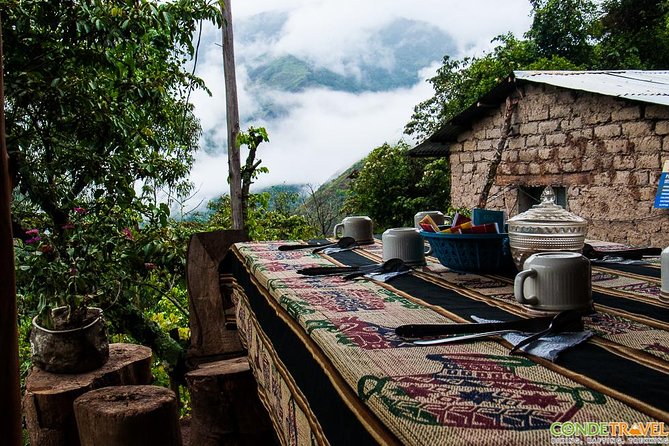
Lodging and meals: basic comforts in remote places
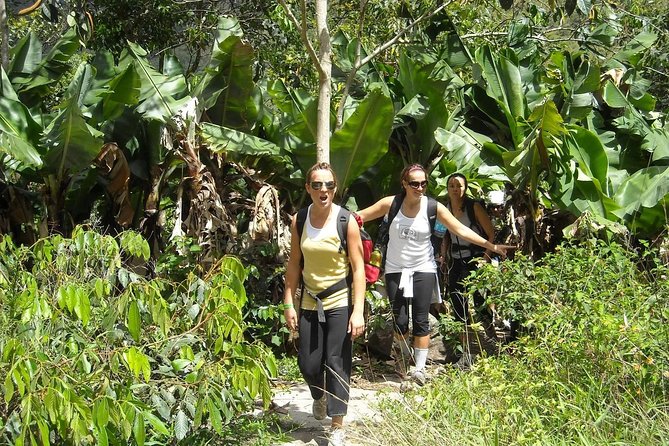
You’ll sleep in three different places, each chosen because it matches the route timing.
Night 1 is at Conde Ecolodge – Pispitayoc, in a shared room. Night 2 is in Santa Teresa at a hostel with wifi and hot water. Night 3 is in Aguas Calientes with private bathrooms and hot water.
What I like about this mix is that it’s practical. The route is built around not wasting time. You’re not crisscrossing back and forth, so you get real recovery between active days.
Food-wise, you’ll have plenty of meals included, but this tour does run through rural areas where diets can be meat-heavy. If you want vegetarian meals, don’t assume you’ll get a full menu. I’d plan to be flexible.
Also, connectivity is limited by design. You might find almost no wifi for long stretches, especially during treks. Bring offline essentials, like maps you trust and offline entertainment, because your phone might become a camera more than a navigation tool.
Physical fitness and packing tips that actually matter
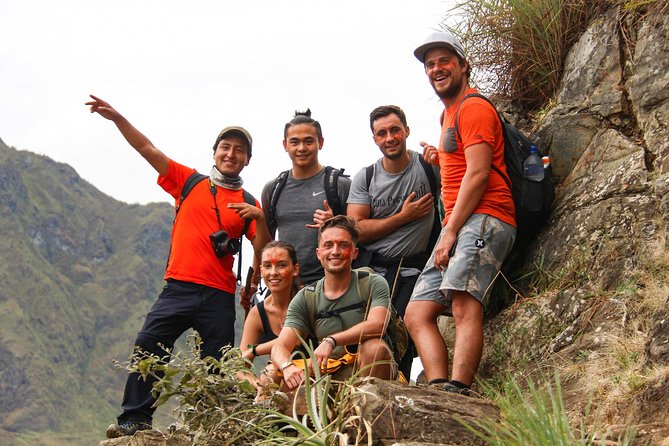
This is listed for travelers with moderate physical fitness. “Moderate” here means you’re not training for an ultramarathon, but you are doing sustained hiking hours plus biking, plus the realities of altitude changes.
A few details to pack smart:
- Bug spray (you’ll be in jungle and forest zones)
- Sun protection and sunscreen
- Light jacket for early or cooler times
- Headlamp (useful for mornings and hostel routines)
- Swim trunks (helpful if you’re planning to use hot springs or if rafting and water time happens)
- Flip-flops for easier hostel days and shower time
- A light pack. You’ll thank yourself for keeping it simple
And one more “don’t be that person” tip: start the tour prepared for add-on activities. If you plan to do zip-line or rafting, confirm costs before the day of, so you’re not stuck in a surprise moment when you’re already tired.
Small-group energy, guide quality, and the one thing to double-check
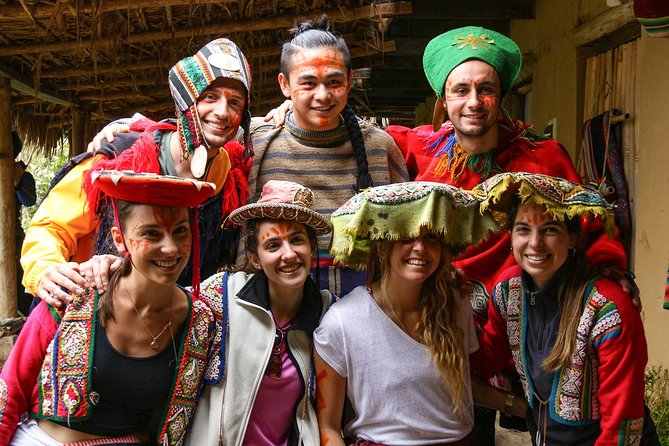
The group size is capped at 15 travelers, which is the sweet spot for a tour like this. It gives the guide room to manage pacing and answer questions without feeling like you’re in a stadium.
Guide quality matters here because the days are full. Some travelers have praised guides like Jonathan and Carlitos for being attentive and for keeping things safe and organized. You should expect a bilingual professional who can explain what you’re seeing, from Inca Carcel to Machu Picchu.
Still, I’d do one practical thing before you start: treat the pre-departure plan as something you confirm, not something you assume. This route has multiple transfers and time-sensitive activities. When you hear the plan, ask for it in writing or on your phone. It helps you stay calm if anything changes.
Should you book Conde Travel’s 4-Day Inca Jungle to Machu Picchu?
I think this tour is a strong choice if you want Machu Picchu but hate the idea of doing only one long hike. The mix of biking plus hot springs plus jungle walking, then a guided Machu Picchu sanctuary visit, gives you a full story from start to finish.
Book it if:
- You love active travel and you want variety, not repetition
- You’re okay paying extra for optional thrills like rafting, zipline, and Huayna Picchu
- You prefer a smaller group with a real guide who explains what you’re seeing
Skip it or be cautious if:
- You want a fully inclusive “pay once, do everything” price
- You’re very sensitive to logistical hiccups and would rather keep your schedule ultra-stable
- You’re counting on vegetarian meals every day with no compromise
If you go in with the right expectations and plan for add-ons, you’ll likely feel like you got your money’s worth through the sheer number of experiences packed into four days.
More Tour Reviews in Cusco
- Cusco: Humantay Lake Tour with Breakfast and Buffet Lunch
★ 4.9 · 2,976 reviews - From Cusco: Moray, Maras Salt Mines & Chinchero Weavers Tour
★ 4.8 · 1,925 reviews - From Cusco: Full-Day Group Tour of Machu Picchu
★ 4.7 · 1,767 reviews - Machu Picchu Day Trip from Cusco
★ 4.5 · 1,644 reviews - Cusco: Half-Day City Tour with Sacsayhuaman and Q’enco
★ 4.6 · 1,129 reviews
More of the Inca Jungle Route
- 4-Day Inca Jungle Adventure, Mountain Biking, Rafting and Zipline
★ 5.0 · 60 reviews - From Cusco: 4-Day Inca Jungle Adventure to Machu Picchu
★ 4.8 · 45 reviews - Inca Jungle Premium to Machu Picchu 4-Day and 3-Nights
★ 5.0 · 40 reviews - Inca Jungle 4-Day Tour: Full Adventure to Machu Picchu Included
★ 5.0 · 38 reviews - 07 Day: Inca Jungle Adventure with Mountain Bike, Rafting, Zipline & Trek
★ 5.0 · 36 reviews
Machu Picchu, Three More Ways
- From Cusco: Full-Day Group Tour of Machu Picchu
★ 4.7 · 1,767 reviews - Machu Picchu Day Trip from Cusco
★ 4.5 · 1,644 reviews - Machu Picchu: Full-Day Tour from Cusco with Optional Lunch
★ 4.6 · 927 reviews - Cusco: 4-Day Inca Trail to Machu Picchu with Accommodation
★ 4.8 · 432 reviews - From Cusco: 2-Day Trip to the Sacred Valley and Machu Picchu
★ 4.6 · 265 reviews
Fresh in from Cusco

Machu Picchu & Aguas Calientes Tours, compared.
 ★ 4.7Full-Day Group Tour of Machu PicchuFrom $3211,767 reviews
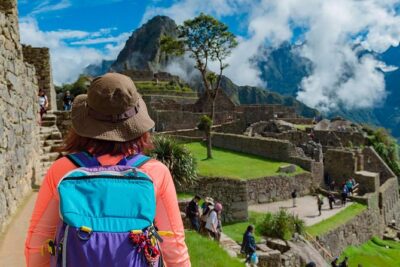 ★ 4.5Machu Picchu Day Trip from CuscoFrom $3361,644 reviews
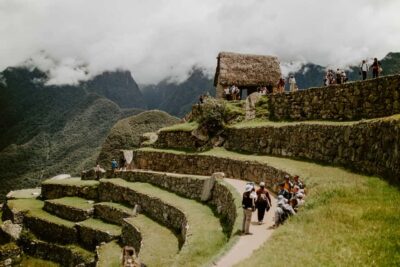 ★ 4.6Machu Picchu: Full-Day Tour from Cusco with Optional LunchFrom $283927 reviews
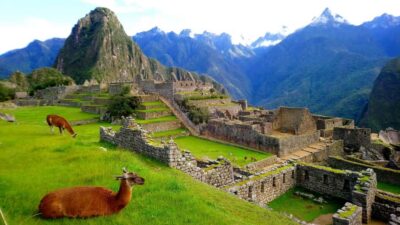 ★ 4.84-Day Inca Trail to Machu Picchu with AccommodationFrom $470432 reviews
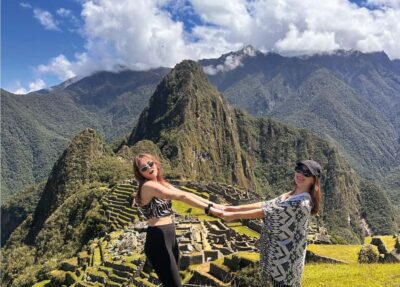 ★ 4.62-Day Trip to the Sacred Valley and Machu PicchuFrom $370265 reviews
 ★ 4.9Machu Picchu 2-Day Inca Trail with Panoramic TrainFrom $582260 reviews
 ★ 4.22-Day Inca Trail to Machu PicchuFrom $290244 reviews
 ★ 4.9Machu Picchu: Inca Trail 2-Day Overnight Guided TourFrom $585203 reviews
Browse the lists this tour appears in