
REVIEW · PUNO & LAKE TITICACA TOURS
From Cusco: Full-Day Touristic Bus to Puno with Guided Tours
Cusco to Puno by bus is a long day, and that is the point. You get guided stops at the big historical anchors of the Sacred Route of the Sun, plus a lunch break in Sicuani and big-altitude views from Raya Pass. I especially like how the day mixes Inka and colonial-era sites, and you also get the chance to learn the meaning behind what you are seeing instead of just looking at it. One thing to consider, though, is the pace: each stop is usually only 20 to 40 minutes, so if you want slow wandering, you may feel rushed.
The bus side is handled with comfort in mind, with reclining seats and hot and cold drinks on board, and the tour includes medically relevant oxygen and a first aid kit. You’ll be sitting for a while, but the structure keeps you from feeling stuck for 10 hours straight. And once you reach Puno, the group splits and you are transferred to your accommodation, so you are not left figuring out the next step.
If you like road trips that come with a story, this one makes sense. You’re traveling across the southern corridor of the Altiplano, the widest section of the Andes, and the itinerary is built around a sequence of places people have followed for generations.
Key highlights worth planning for
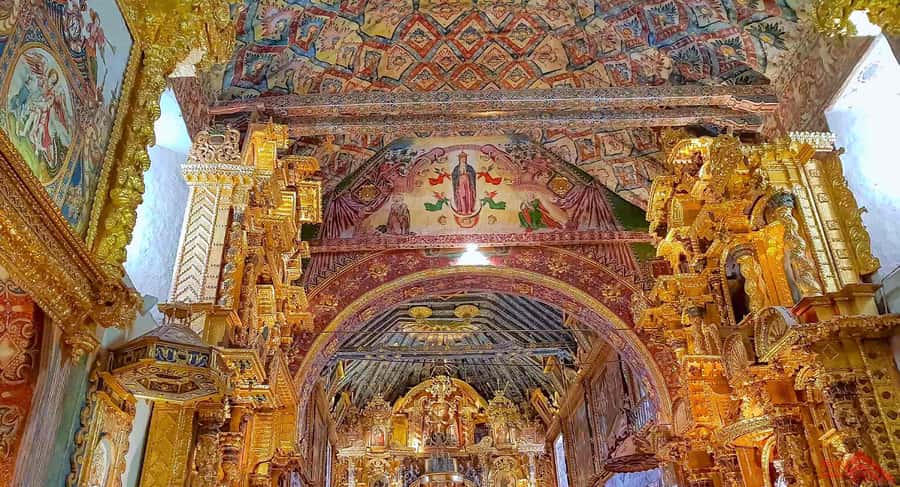
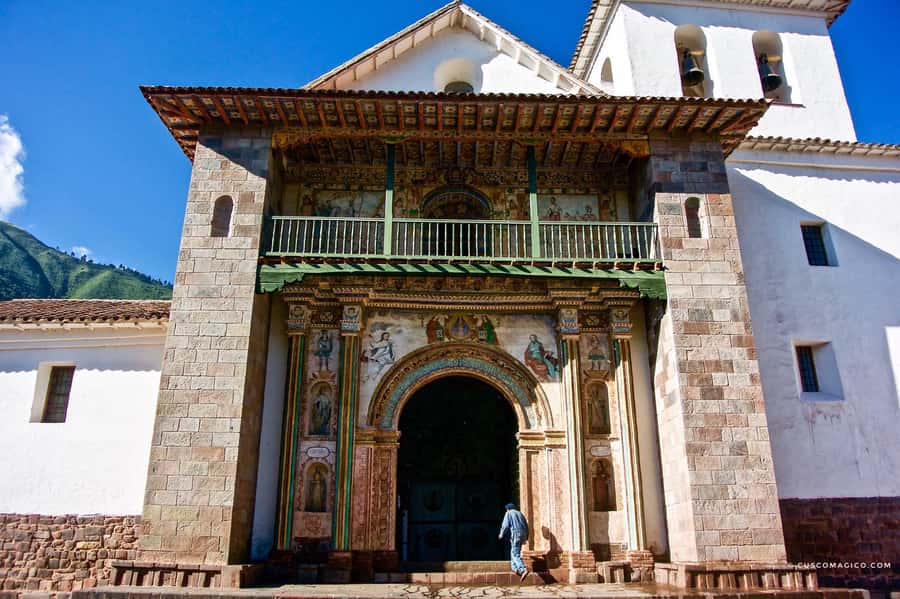
- Andahuaylillas, St. Peter the Apostle: a 16th-century church often called the Sistine Chapel of the Andes for its painted murals and gold details
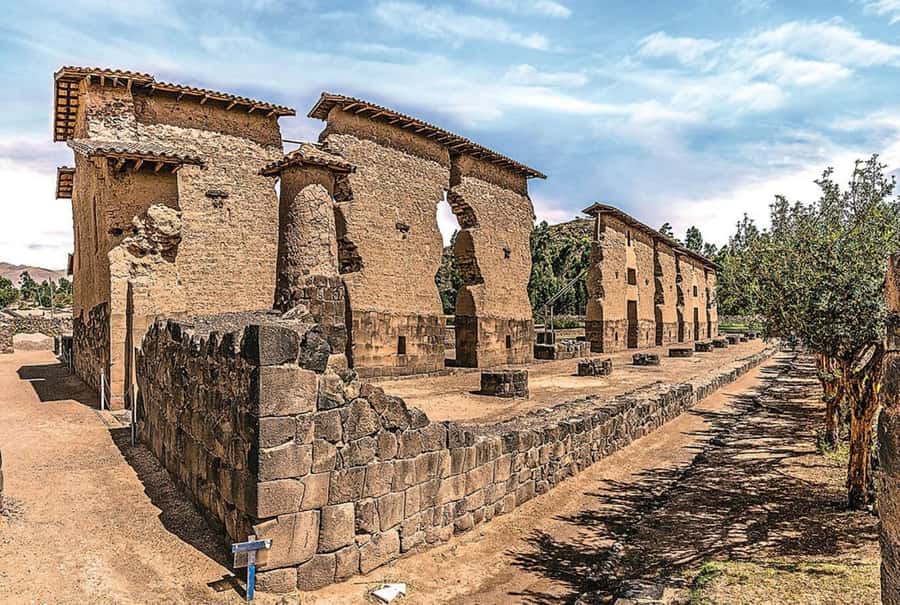
- Raqchi and the Sun Temple: an Inka site that helps you connect daily worship to how the empire organized life
- Sicuani lunch break: a buffet meal stop that breaks up the long ride without skipping fuel
- Raya Pass (4,335 m): panoramic views plus freshwater pools and souvenir sellers at altitude
- Pukara Lithic Museum: an Aymara and Inka-themed stop focused on artifacts and the archaeological setting
More that leaves from a Cusco hotel door
- Cusco: Humantay Lake Tour with Breakfast and Buffet Lunch★ 4.9 · 2,976 reviews
- From Cusco: Moray, Maras Salt Mines & Chinchero Weavers Tour★ 4.8 · 1,925 reviews
- From Cusco: Full-Day Group Tour of Machu Picchu★ 4.7 · 1,767 reviews
- Machu Picchu Day Trip from Cusco★ 4.5 · 1,644 reviews
Cusco to Puno in one long day: what you are really signing up for
This is a 10-hour journey that turns transit time into a guided highlights tour. You’re leaving Cusco bright and early, then traveling the southern corridor across the Altiplano toward Puno. Instead of arriving to Puno and only then learning what you missed, you get the “why” behind the route along the way.
That pacing is great for first-time visitors who want the essentials, and it also works if you have limited time. You’ll see the most important sights on the road, with guided tours at each major stop. The tradeoff is time. Visits typically run 20 to 40 minutes, so you will have time for photos and questions, but not for long stays or deep independent exploration.
Where this tour really pays off is the learning flow. You start with the Andahuaylillas church, then move to an Inka temple at Raqchi, then head over a high pass at Raya Pass, and finish with Pukara Lithic Museum. That progression helps you feel the shift from pre-Columbian spiritual life to colonial-era religious art, and then back to cultural context through artifacts.
Bus comfort and altitude reality check
You’ll be on a modern bus with comfortable reclining seats, and there are hot and cold drinks on board. That matters because the day is long, and you don’t want to arrive exhausted before you even see the sites.
Altitude is part of the plan here. Raya Pass sits at 4,335 meters, so you should be ready for thin air, even if you have already acclimated in Cusco. The good news is the tour includes medically relevant oxygen and a first aid kit, which gives you added peace of mind for a high-altitude day.
Here’s the practical approach I’d use: pace yourself at each stop, drink water, and expect that you might move a little slower than usual. You don’t need to “push through” altitude. Use the guided time to ask the big questions first, then use whatever minutes you have left for photos and light wandering.
Also, remember this is a bilingual experience in English and Spanish. If your Spanish is rusty or your English is the weak spot, it is set up to keep you informed without leaving you behind.
Andahuaylillas, St. Peter the Apostle: the Andes Sistine Chapel
Your first guided stop is Andahuaylillas, at the St. Peter the Apostle church. This is a 16th-century church famous for its extravagant murals and gold embellishments, which is why you’ll hear it compared to the Sistine Chapel of the Andes.
What makes this stop meaningful is the contrast. On the road from Cusco toward Puno, you are moving through a region where European colonial structures and local beliefs collided. Inside this church, the artwork is not just decorative. It reflects the era’s intense effort to communicate religious ideas visually, and it shows how local craftsmanship shaped the final look.
Since your visit is guided and time-boxed, I recommend you treat it like a “first look with intent.” Ask your guide what to notice before you start photographing. Look for the details that match the church’s reputation: the murals, the way colors are used, and the gold accents that catch light.
Drawback, again, is time. In 20 to 40 minutes, you cannot do slow art-hunting. If that is your style, you might feel limited. But for most people, this is a great entry point because it gives you context fast, then lets you enjoy the visuals without getting overwhelmed.
Raqchi and the Sun Temple: why Inka worship still feels present
Next up is Raqchi, centered on an Inka temple connected to sun worship. You’ll be shown the expansive grounds and learn how worshippers of the sun fit into daily life across the Inkan world.
Raqchi works best when you think of it as more than an isolated ruin. The site is part of a larger system of how the empire organized sacred space. Your guide can help you connect what you see on the ground to the bigger story of the Inkan Empire and its beliefs.
This is also a strong follow-up to Andahuaylillas. After seeing a colonial-era church famous for its murals, you shift back to an Inka sacred context. The emotional effect is surprisingly clear. One stop highlights painted religious messaging and gold decoration, the next emphasizes architectural and ceremonial space tied to the sun.
You’ll have enough time to ask questions and capture photos, but you won’t have time to get lost. Keep your priorities simple: understand what the sun temple represented, note the structures, and don’t skip the guided explanation that ties the place to the culture that shaped it.
More of the lake, the reeds and the islands
Sicuani lunch: the practical fuel stop you actually remember
Sometime after exploring Raqchi, you break for a buffet lunch in Sicuani. This is one of the most appreciated parts of the day because it’s both a real meal and a mood reset.
Buffets can be hit or miss on tours, but this one is designed as a transition point. After time on the bus and short guided visits, you need something steady. Lunch helps you refuel, and it also gives you a chance to feel the local pace in a smaller town rather than just pass through.
In terms of value, this lunch is included in the price, so you’re not guessing what costs extra later. It is also a smart way to manage energy before the high point of the day at Raya Pass.
My tip: eat like you have a bus again soon. Don’t go overboard on anything too heavy if altitude is already making you feel slow. You want comfortable energy for the final stops, not a food coma.
Raya Pass at 4,335 m: panoramas, freshwater pools, and souvenirs
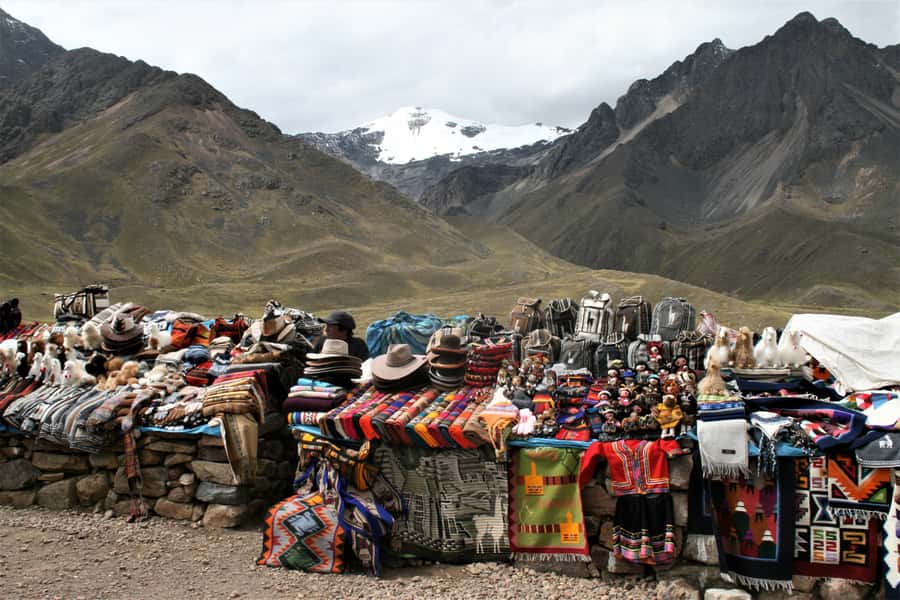
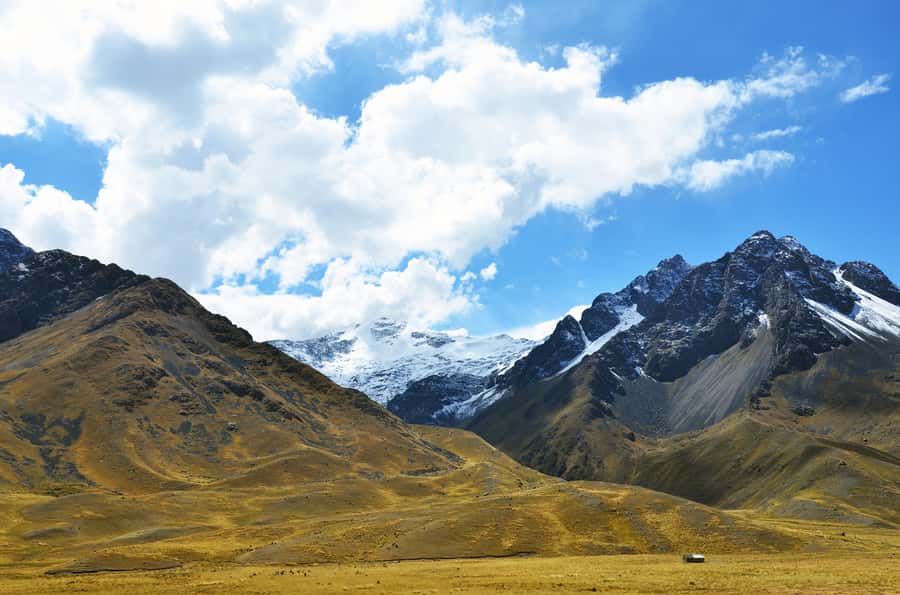
Raya Pass sits at 4,335 meters, and that is the moment most people remember. From here, you get panoramic views of the Andes, with freshwater pools, snow-capped peaks in the distance, and vendors selling traditional souvenirs near the viewing areas.
This stop is great because it offers both beauty and perspective. It shows you how high and wide the Andes can feel, and it gives you a sense of the route you are traveling across. You’re not just visiting towns and buildings now, you are seeing the altitude geography that shapes life in the Altiplano.
A practical note: at this height, you may feel more wind, cold, or shortness of breath than you expect. Even with oxygen included, move gently. Take your photos, listen to any guide explanation, then give yourself time to browse without rushing.
The souvenir vendors can be a fun part of the moment, but keep it grounded. If you buy, treat it like a cultural interaction, not a shopping mission. If you don’t buy, it is still worth looking, because the items connect to the daily traditions of people living along these routes.
Time is short here too, so choose your photo spots quickly. Your guide likely has a rhythm for the stop, which helps you get the view before clouds or changing light reduce your best angles.
Pukara Lithic Museum: stones, meaning, and cultural context
The final major stop is the Pukara Lithic Museum. This is where the day turns from viewpoints back into learning, with a focus on Inkan and Aymaran culture.
The museum experience includes rare artifacts and the chance to wander through the archaeological site setting. That combination matters. Museums sometimes feel like sealed rooms, but this one links objects to their broader cultural environment.
Lithic museums can sound technical, but the point here is simple: you’ll see and learn how stone objects and archaeological context connect to cultural identity. Your guide can help you translate what you are looking at into a bigger story, and the visit structure gives you a chance to ask questions without losing the flow of the day.
Like the other stops, your time will be limited to about 20 to 40 minutes. Use those minutes to ask what the artifacts represent, especially if your background is limited. It makes the whole museum feel more like a conversation and less like a pile of items.
When you reach Puno, you part ways with the group and are transferred to your accommodation. That last step is a relief after a long bus day, because you’re not stuck solving transport when you’re already tired.
Price and value: what $130 buys you, and what it doesn’t
At $130 per person for a 10-hour Cusco to Puno day trip, the value comes from the bundle. You’re paying for modern bus transport, a bilingual guided service, entrances to multiple sites, and a buffet lunch in Sicuani. On top of that, the tour includes hot and cold drinks and medical support elements like oxygen and a first aid kit.
So you are not just paying for a ride. You are paying for a guided route that strings together major highlights you would otherwise have to plan and coordinate yourself across large distances.
What the price likely will not do is satisfy travelers who want to slow down. Because each stop is time-limited, you may feel you only got a taste of each location. If you want long museum hours, extended hikes, or lots of free time, you might prefer a different pace.
But if your goal is to move from Cusco to Puno while still seeing the important stops on the Sacred Route of the Sun, this is a practical way to spend a day. It turns a transportation day into an educational day, which is the kind of value that actually shows up later when you remember what you saw.
What I’d do differently next time: tips that prevent stress
Based on what I’ve learned about how this kind of day trip tends to play out, here are the practical moves that keep things smooth.
First, double-check your pickup details and time expectations ahead of departure. One concern that can pop up on tours like this is weak communication after booking, including delays in sending information you need for coordination. I’d rather you spend 10 minutes confirming early than waste your morning chasing answers.
Second, bring your passport. It is explicitly required for this tour, and it’s one of those things that can ruin your day if you forget at the last minute.
Third, pack for cold and thin air. Even if you are comfortable in Cusco, Raya Pass is a different situation. Layers are worth it, and gloves or a warm outer layer might help, especially if the wind picks up.
Finally, keep your expectations aligned with the structure. You will have time to ask questions and take photos, but you won’t have long free time. If you go in knowing that, you get more out of the guide and less frustrated by the clock.
Who should book this tour, and who might skip it
This tour fits well if you:
- want a guided way to travel from Cusco to Puno in one day
- like seeing both colonial-era and Inka sacred sites
- prefer convenience, with entrance fees and lunch handled
- appreciate bilingual guidance so you can understand what you’re looking at
It might not be the best choice if you:
- hate time-limited stops and want slow, independent exploration
- plan to spend extra hours at museums or buildings
- get easily overwhelmed by high altitude and long sitting time, even with oxygen included
It is also a good pick if you are the type who enjoys road scenery and short stops rather than long hikes. The route gives you a sense of the Altiplano and the Andes in a way that feels connected, not random.
Should you book the Cusco to Puno bus tour with guided stops?
If your priority is hitting the key sights on the Sacred Route of the Sun without juggling transport details, I think this is worth considering. You get three guided landmark visits plus the high-altitude Raya Pass viewpoint, a Sicuani buffet lunch, and a bus ride that stays comfortable for a long day. The included oxygen and first aid kit add extra reassurance for the altitude part of the plan.
Book it if you want an efficient, story-led day and you are okay with short visits. Skip it if you want a slow travel day with lots of free time at each location.
If you do book, give yourself one extra task: confirm pickup and coordination details well before departure. That small effort can make the whole experience feel effortless instead of stressful.
More Tour Reviews in Cusco
- Cusco: Humantay Lake Tour with Breakfast and Buffet Lunch
★ 4.9 · 2,976 reviews - From Cusco: Moray, Maras Salt Mines & Chinchero Weavers Tour
★ 4.8 · 1,925 reviews - From Cusco: Full-Day Group Tour of Machu Picchu
★ 4.7 · 1,767 reviews - Machu Picchu Day Trip from Cusco
★ 4.5 · 1,644 reviews - Cusco: Half-Day City Tour with Sacsayhuaman and Q’enco
★ 4.6 · 1,129 reviews
More of Lake Titicaca
- Cusco: Scenic Route of the Sun to Puno with Buffet Lunch
★ 4.8 · 101 reviews - Full Day Lake Titicaca Tour from Cusco
★ 4.5 · 91 reviews - From Cusco: 2-Day Lake Titicaca Tour
★ 4.4 · 74 reviews - From Cusco: Titicaca Lake – Full day tour with sleeper bus
★ 3.9 · 72 reviews - From Cusco: 2-Night Lake Titicaca Excursion
★ 3.7 · 62 reviews
More Leaving From Cusco
- Cusco: Humantay Lake Tour with Breakfast and Buffet Lunch
★ 4.9 · 2,976 reviews - From Cusco: Moray, Maras Salt Mines & Chinchero Weavers Tour
★ 4.8 · 1,925 reviews - From Cusco: Full-Day Group Tour of Machu Picchu
★ 4.7 · 1,767 reviews - Machu Picchu Day Trip from Cusco
★ 4.5 · 1,644 reviews - Cusco: Half-Day City Tour with Sacsayhuaman and Q’enco
★ 4.6 · 1,129 reviews
Fresh in from Cusco

Puno & Lake Titicaca Tours, compared.
 ★ 4.5From Puno: Uros, Amantaní & Taquile Islands 2-Day TourFrom $59452 reviews
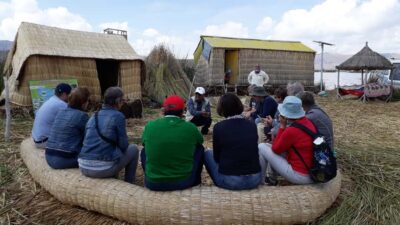 ★ 4.4From Puno: Floating Islands of the Uros Half-Day TourFrom $10394 reviews
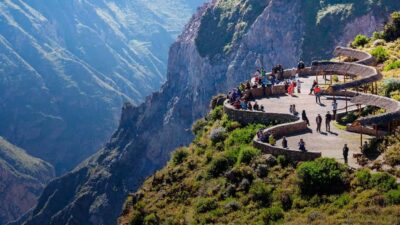 ★ 4.62-Day Tour Colca Canyon in Arequipa with end in PunoFrom $78248 reviews
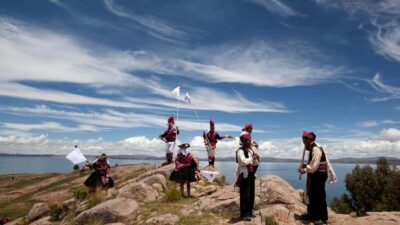 ★ 4.4Lake Titicaca 2-Day Tour to Uros, Amantani and TaquileFrom $69199 reviews
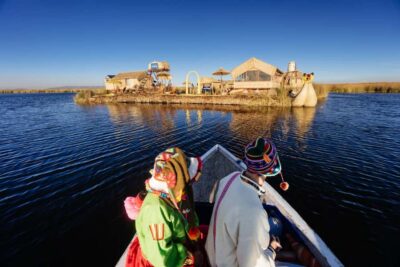 ★ 4.4Puno: Full-Day Tour of Lake Titicaca and Uros & TaquileFrom $33178 reviews
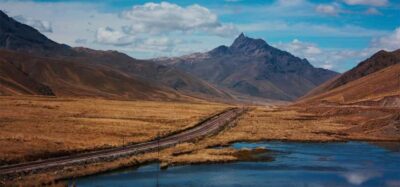 ★ 4.7Puno: Full-Day Route of the Sun Tour to Cusco with LunchFrom $44131 reviews
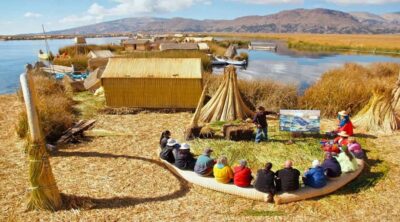 ★ 4.2Floating Islands of the UrosFrom $7101 reviews
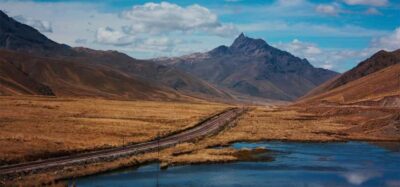 ★ 4.8Scenic Route of the Sun to Puno with Buffet LunchFrom $44101 reviews
Browse the lists this tour appears in