
REVIEW · MARAS, MORAY & CHINCHERO TOURS
From Cusco: Chinchero, Moray, Maras, Ollantaytambo, Pisaq
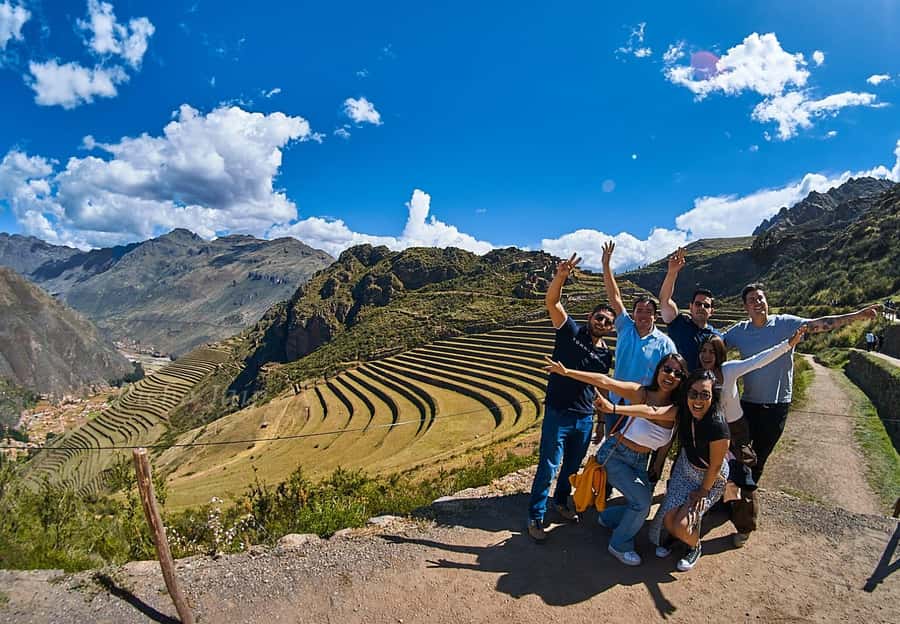
A full day in the Sacred Valley, with big Inca moments back-to-back. You start with Chinchero and its textile workshops, then move through Moray, Maras Salt Mines, Ollantaytambo, and Pisac. It’s a lot of places, but the route makes sense, and the big highlights are real and close together.
I especially love how the day mixes craft and archaeology, with Chinchero’s alpaca-fiber textile process and the Inca enclosures you can actually walk around. I also like that you get a real break for lunch in Urubamba, not just a quick snack stop. One drawback to plan for: the schedule is tight, so some sites feel more like guided orientation than a long, slow wander.
Key Points You’ll Care About
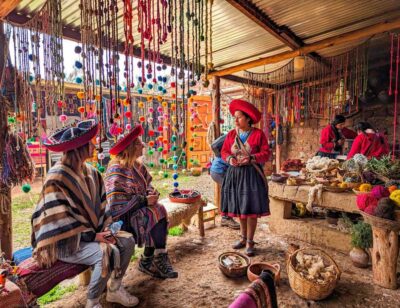
- Chinchero textiles first, then the Inca center of Tupac Yupanqui
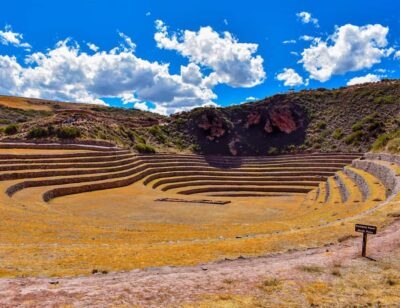
- Moray’s circular terraces, explained as an experimental agricultural setup
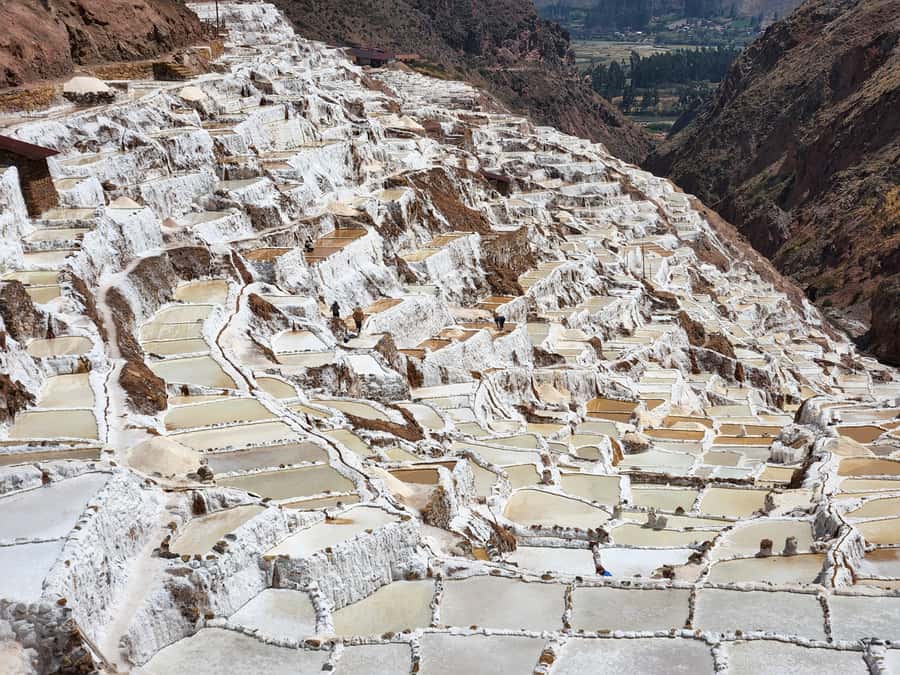
- Maras Salt Mines, with over 4,000 evaporation pits still in use
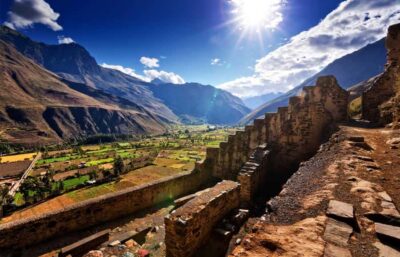
- Ollantaytambo on foot, including fortress walls and key enclosures
- Pisac’s agricultural terraces and Inca cemetery, before returning to Cusco
- Small group size (max 18) plus pickup from Cusco’s historic center
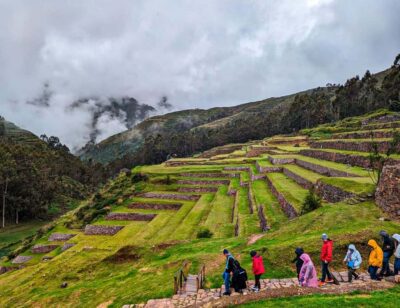
More of the valley floor, from Pisac to Ollantaytambo
- From Cusco: Chinchero, Moray, Maras, Ollantaytambo, Pisaq★ 4.9 · 20 reviews
Sacred Valley in One Day, What the Route Actually Gives You
This is a long day, but it’s built for efficiency. You’re in Cusco first thing, then you’re bused into the Sacred Valley with guided stops that hit the sites most people come here for. The value is in the variety: textiles, farming experiments, salt extraction, fortress engineering, and a cemetery and terraces in one loop.
You also avoid the hassle of piecing together five or six separate tickets and logistics. A group tour means one bilingual guide, one set of directions, and one transport plan handling the mountain roads. That matters in the Sacred Valley, where timing can turn chaotic fast.
The best way to think about it: this is an excellent first Sacred Valley outing. It gives you enough context to choose what to return to later. If you’re hoping for hours of free roaming at every ruin, you might want a slower, more flexible option.
Cusco Pickup and the Scenic Start Toward Chinchero
Your day begins with pickup from hotels and Airbnb stays in central Cusco. The pickup is designed for convenience, and you’ll head out by tourist transport (max capacity 18). Expect a mix of Cusco traffic and then the long, steady drive toward the Sacred Valley.
You’ll travel to Chinchero in about an hour. Right away, you’re getting into a different rhythm. Altitude, open views, and roadside glimpses of rural life make the change feel immediate, even before the first stop.
What I like here is that you’re not guessing where to go. You climb aboard, the guide takes over with the plan, and you’re already moving toward the main sights.
Chinchero Textile Center and the Inca Enclosure of Tupac Yupanqui
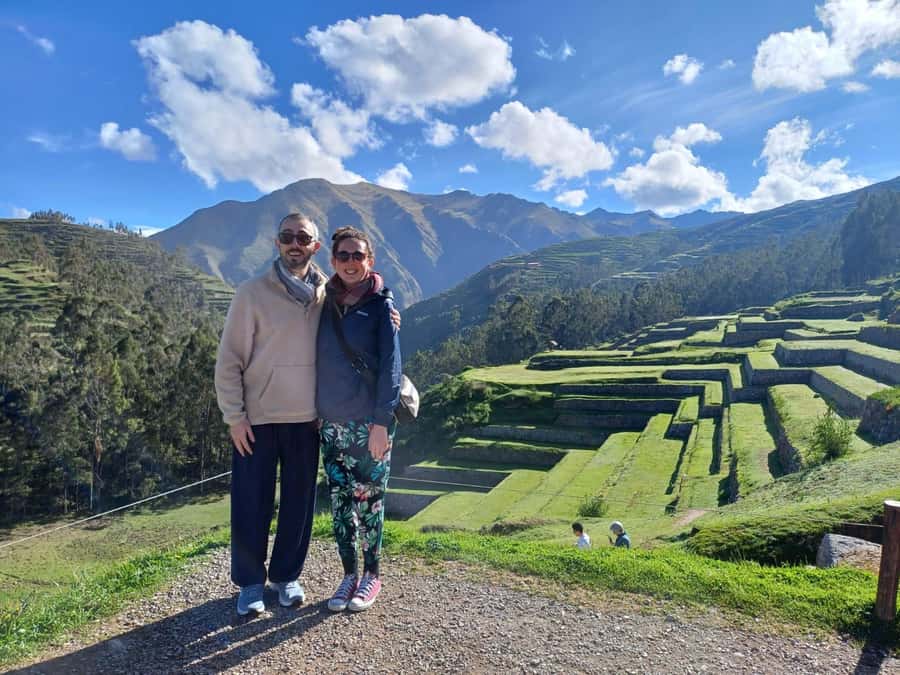
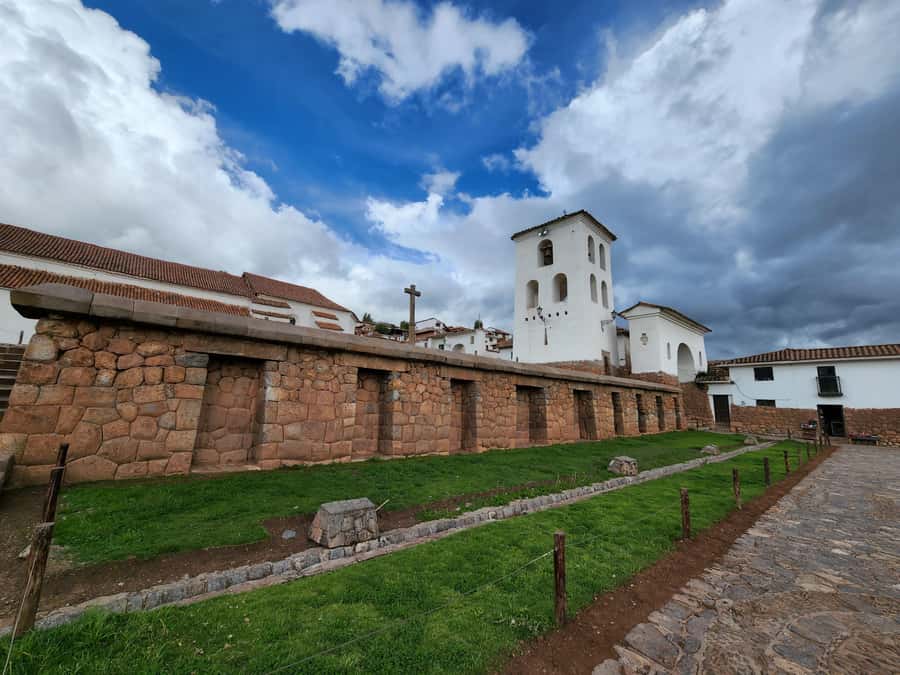
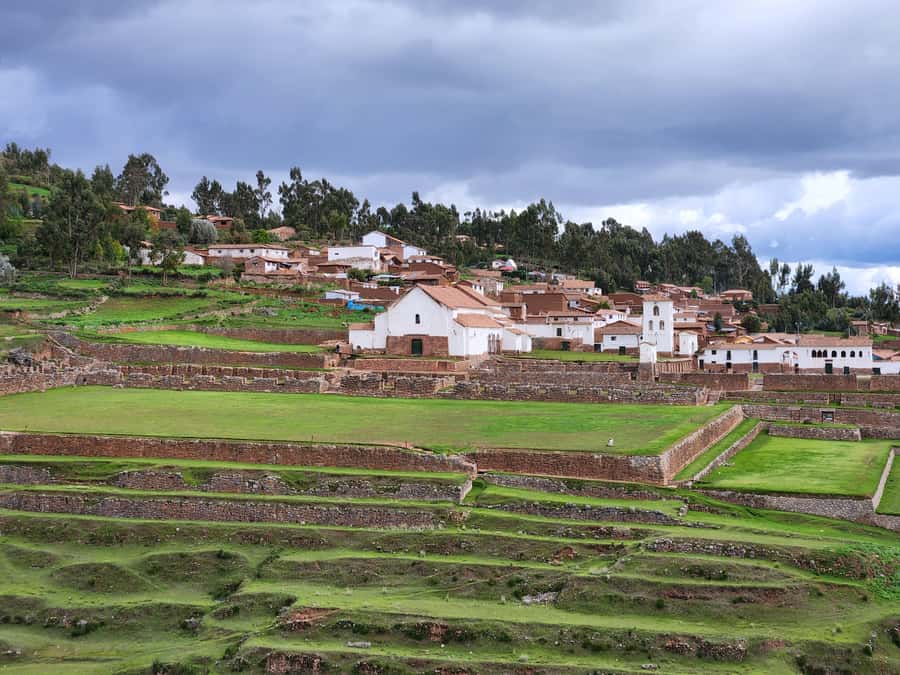
Chinchero is the perfect opener because it blends everyday skills with major archaeology. You start with a textile center experience, where you learn the process of making textiles from alpaca fiber. The guide walks you through how the material is processed and turned into cloth, and you also get time to see the shop side of the craft.
Then you shift to the archaeological center of Chinchero for a guided visit. You’ll receive an explanation of the site, and you can see the enclosure connected to Inca Tupac Yupanqui. This is where Chinchero stops being just a craft stop and turns into a real Inca location, not a museum version of one.
Why it’s worth your attention: textiles are part history, part economy, and part identity. Understanding the fiber and the labor behind the cloth makes the Inca story feel more grounded. Also, this is a good place to ask questions about what you’re seeing in the Sacred Valley, since the guide can connect the dots between land use, traditions, and artifacts.
Timing note: the Chinchero guided portion runs about an hour. That’s enough to learn, look around, and ask for clarity, without dragging the day to a crawl.
Moray: Circular Terraces as an Experimental Farm
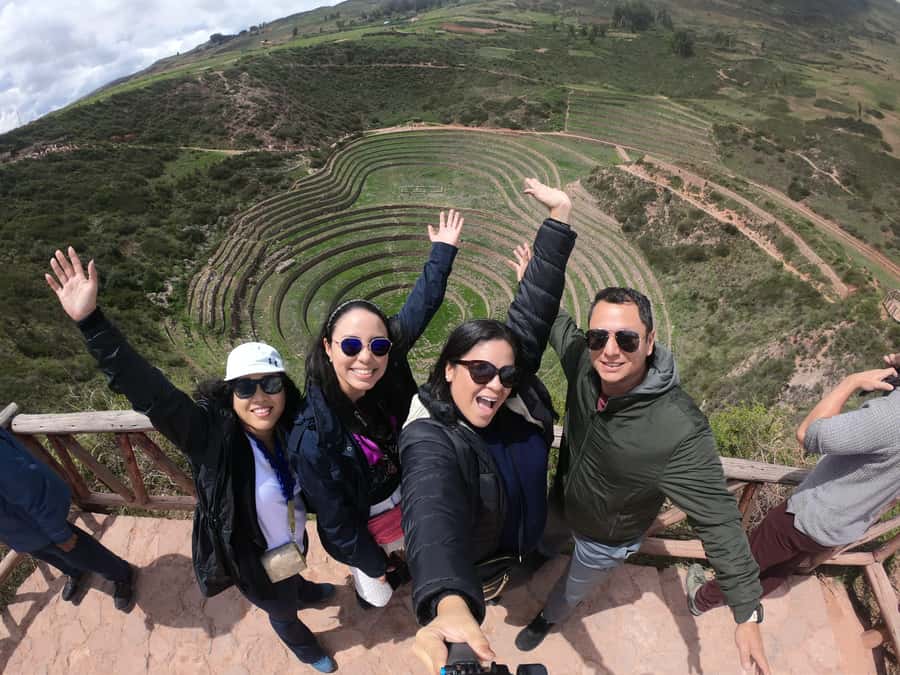
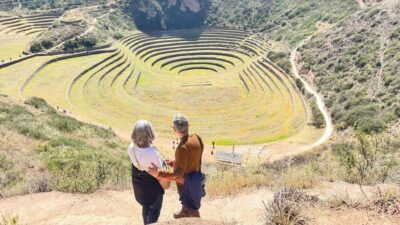
Next up is Moray, famous for its circular terraces. The guide frames it as an experimental agricultural laboratory, and once you see the scale and geometry, the idea clicks. These terraces are not random stairs. They’re engineered layers that create different micro-conditions, letting people test growing conditions in a controlled way.
Your guided time here is about 30 minutes. That’s short, but the payoff is big because Moray looks instantly dramatic. Even if you’re not a “ruins expert,” you’ll understand why this site is so talked about once the guide explains the terrace design and what it was meant to do.
Possible drawback: because the visit is relatively brief, you’ll spend more time hearing and pointing than lingering for photos from every angle. If you’re the type who loves long, slow ruin walks, you may want to return to Moray on your own later.
Maras Salt Mines: Over 4,000 Pits Still Working
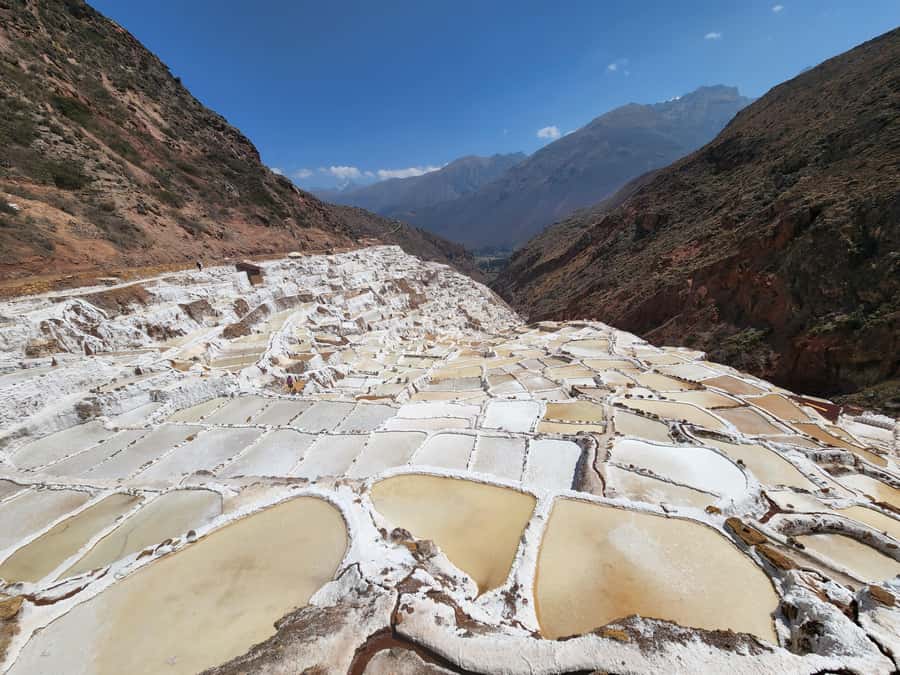
Then you go to the Maras Salt Mines, one of the most striking Sacred Valley sights for a very simple reason: you can see the process. The site includes more than 4,000 salt evaporation pits, and the tradition of extraction is still carried on by the local population.
The guided tour is about 40 minutes. That’s enough time to understand how the salt forms, how the pits function, and what makes the operation different from a typical “ruins viewpoint.” You’re not just looking at old stone. You’re seeing a working system.
The practical value here is also visual. If you plan to visit the salt mines later, you’ll already know what to look for: the pits, the idea of controlled evaporation, and the way the layout supports the process.
Two things to plan for:
- There is an entrance ticket for Maras Salt Mines not included in the tour price, so budget accordingly.
- This stop is outdoors, so bring sun protection and something warm enough for morning or late-day chill.
Urubamba Buffet Lunch, Your Midday Reset
After Maras, you head to Urubamba for lunch. This is about a 40-minute buffet lunch, and there’s a vegetarian option. It’s a good moment to reset your pace, hydrate, and refuel before the heavier walking at Ollantaytambo and Pisac.
I like that lunch is included. In a day this packed, paying for meals on your own can turn into a time sink. A buffet also helps if you’re hungry but unsure what you’ll like. You can pick and choose.
If you get motion-sick easily, it might help to go easy at lunch and avoid heavy, super salty food. You’ll still have a full afternoon ahead.
Ollantaytambo Fortress: Walkable Inca Engineering at Human Scale
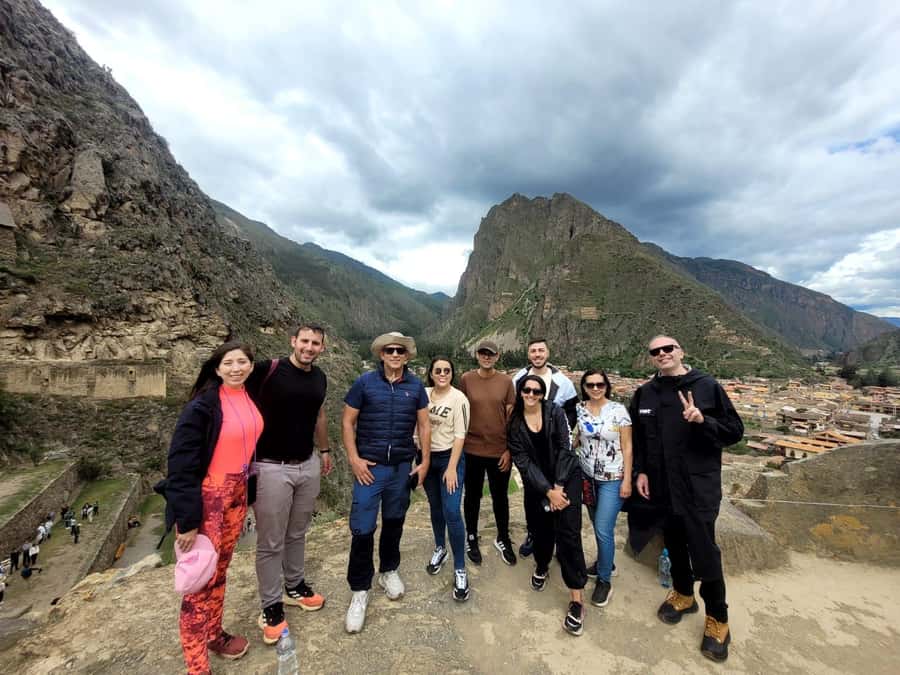
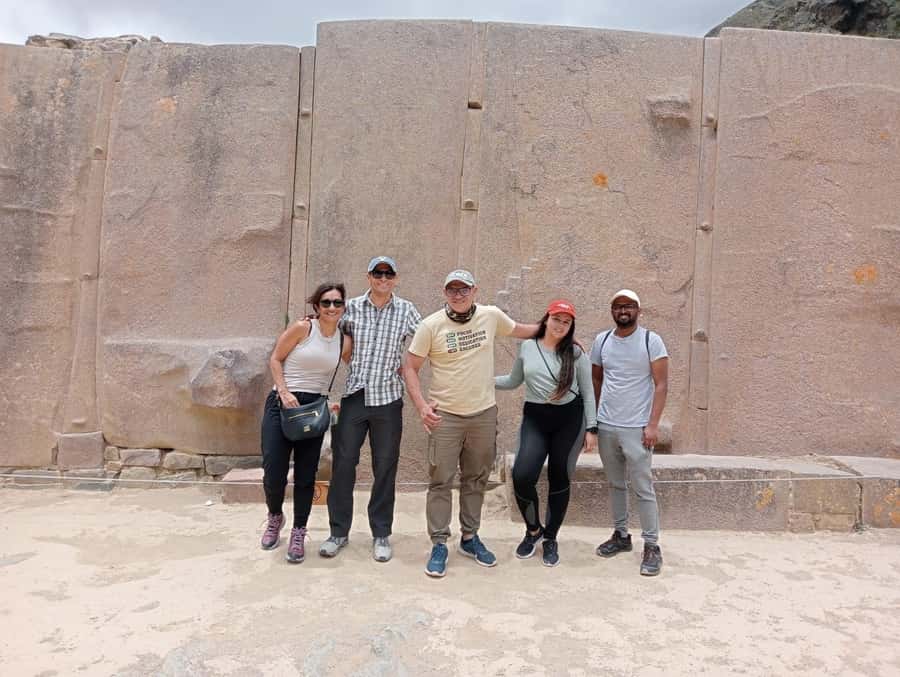
Ollantaytambo is where the day starts to feel more fortress-like. You’ll visit the Ollantaytambo fortress with a guided tour lasting about 40 minutes. The site is known for its imposing Inca constructions, and the guide explains it as a great fortress built to defend the entrance to Machu Picchu.
The key experience here is walking inside the fortress and its main enclosures. You’re not just looking from a distance. You’re moving through spaces designed for defense, movement, and control. The stonework gives you a sense of planning and durability, even if you don’t know every term.
Why it hits: after Chinchero and Moray’s agricultural and craft angles, Ollantaytambo adds the military and logistical side of Inca life. It helps the Sacred Valley feel like a connected system, not a handful of random ruins.
Small scheduling reality: the guided time is set, so you’ll need to strike a balance between listening and photographing. If you want the best photos, arrive ready, and don’t wait until the end of the stop.
Pisac: Agricultural Terraces and the Inca Cemetery
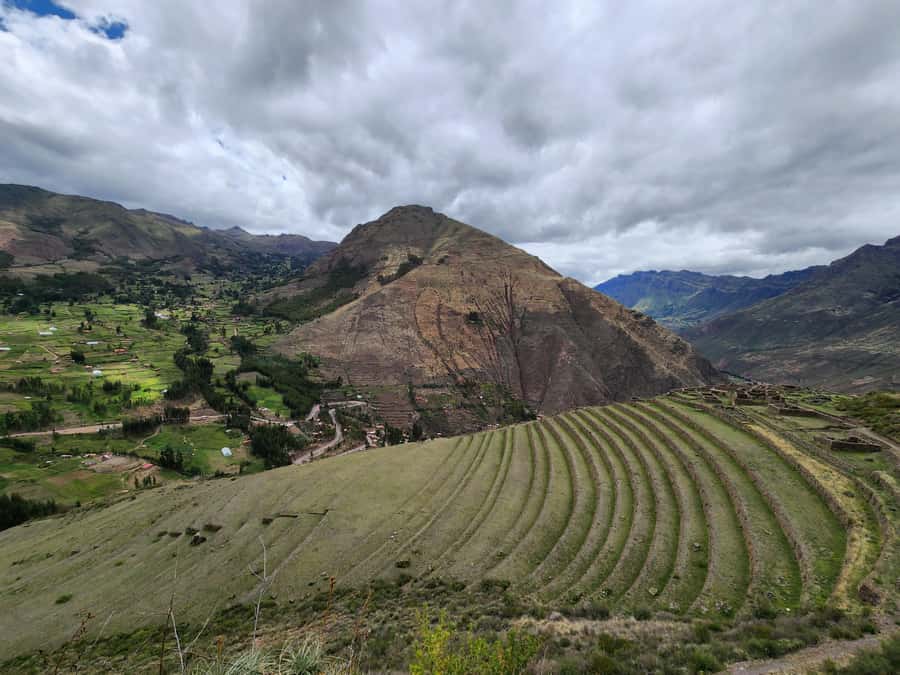
The final major archaeological stop is Pisac, with a guided tour of about 40 minutes. Here you’ll see agricultural terraces, the Inca cemetery, and different enclosures associated with Inca royalty.
Pisac is a strong closer because it combines two big visual themes:
- farming, shown through terraces
- the ceremonial or royal side, shown through the cemetery and enclosures
That mix helps you end the day with a broader view of how the Inca used the landscape for both living and meaning. It also gives you a last chance to ask the guide about the relationship between what you saw earlier. For example, you’ll likely start noticing patterns in how terraces and land management show up again and again in the Sacred Valley.
Price and Tickets, Is $45 Good Value?
The price listed is about $45 per person, and it’s for a full 12-hour day with pickup, transport, a bilingual guide, lunch, and a first aid kit. For Cusco, that’s generally strong value when you factor in how many sites you hit in one trip.
What’s not included matters:
- A tourist ticket (70.00 Soles)
- Entrance ticket to the Maras Salt Mines (20.00 Soles)
- Drinks and snacks
So your real budget is the tour price plus those site fees, plus whatever you want to drink during the day. If you already know you want to see several Sacred Valley sites, this adds up quickly if you do it independently.
Also worth noting: the vehicle is capped at 18 people, which typically means you get a bit more attention and less “herded in, herded out” chaos. You still move briskly, but you’re not squeezed like a sardine into a huge bus.
Timing and Group Pace, The Main Trade-Off
The overall day runs around 12 hours. That’s a lot, and the itinerary reflects it: short guided sessions at each stop, plus bus rides between them.
The upside is you see the big hits without spending days in transit. The downside is that the tour can feel fast at times. If you love slow archaeology, this might leave you wishing for more time in one or two places, especially after you’ve learned enough to care.
The good news: you’ll likely leave with a list of what you want to return to. This tour helps you decide your next move, not just check boxes.
Who Should Book This Sacred Valley Day Trip
This is a great fit if you want:
- a guided introduction to multiple Sacred Valley icons
- a simple, organized day with hotel pickup and lunch
- bilingual guidance in English or Spanish
- a small group experience (max 18) with transport that handles mountain roads
You might want to skip it if you:
- dislike rushed schedules
- need long, quiet time at ruins rather than guided orientation
- are traveling with accessibility needs that require more flexible timing (the tour is also not suitable for people over 95 years, based on the activity rules)
Should You Book?
Yes, if you want a well-structured Sacred Valley loop that covers the essentials in one long, rewarding day. The route makes sense, the stops are the right mix of craft and Inca engineering, and the included lunch is a genuine help.
I’d book it especially if this is your first time in the area. You’ll come away with context, photos, and a clear sense of what to revisit when you have more time.
If your priority is deep time in just one site, or you hate a packed schedule, consider a slower, smaller-scope tour instead. But for most first-timers, this is a strong value way to see the Sacred Valley’s greatest hits.
FAQ
How long is the Sacred Valley tour from Cusco?
The tour lasts about 12 hours.
What’s included in the price?
Pickup from hotels in Cusco’s historic center, tourist transport (max 18 people), a professional bilingual guide (English or Spanish), buffet lunch with a vegetarian option, and a first aid kit.
What sites does the itinerary include?
Chinchero (textile center and archaeological site), Moray, Maras Salt Mines, Ollantaytambo fortress, and Pisac (including agricultural terraces and the Inca cemetery).
Do I need to pay for tickets separately?
Yes. A tourist ticket (70.00 Soles) and the Maras Salt Mines entrance ticket (20.00 Soles) are not included.
Is lunch included, and is there a vegetarian option?
Yes. You’ll have a buffet lunch in Urubamba, and there is a vegetarian option.
Does the tour allow drones?
No. Drones are not allowed on this experience.
More Leaving From Chinchero District
- Cusco: Sacred Valley of the Incas Tour
★ 3.0 · 7 reviews
Keep Going Down the Valley
- Cusco: Sacred Valley of the Incas Tour
★ 3.0 · 7 reviews
Fresh in from Chinchero District
Maras, Moray & Chinchero Tours, compared.
 ★ 4.8Sacred Valley & Maras Salt Mines Tour with LunchFrom $282,227 reviews
 ★ 4.8Moray, Maras Salt Mines & Chinchero Weavers TourFrom $151,925 reviews
 ★ 4.6Sacred Valley, Pisac, Ollantaytambo, Salt Mines MorayFrom $281,058 reviews
 ★ 4.8Chinchero,Moray & Salt Mines drop-off in OllantaytamboFrom $27793 reviews
 ★ 4.8Sacred Valley: Chinchero, Moray, Ollantaytambo & Pisac+LunchFrom $25501 reviews
 ★ 4.6Sacred Valley: Maras & Moray by Quad Bike from CuscoFrom $39418 reviews
 ★ 4.7Quad bike tour Moray and Salt MinesFrom $27314 reviews
 ★ 4.8Sacred Valley Pisaq,Ollantaytambo,Chinchero with LunchFrom $28183 reviews
Browse the lists this tour appears in