
REVIEW · AREQUIPA & COLCA CANYON TOURS
Excursion + Sillar and Culebrillas Route in Arequipa
Stone cuts and volcano views in one morning. This half-day route connects Arequipa’s sillar past with a real-time look at Culebrillas Canyon and its ancient marks.
I especially liked two parts: the working atmosphere at Añashuayco Quarry, where you can see how sillar gets shaped today, and the short canyon walk that ends at Wari petroglyphs more than a thousand years old. If you enjoy places where nature and people leave visible clues, this tour gives you both.
One thing to consider: pickup timing can be delayed if the group is waiting on members, and the transport may not have air conditioning, which matters on warm afternoons.
Key Highlights You Shouldn’t Skip
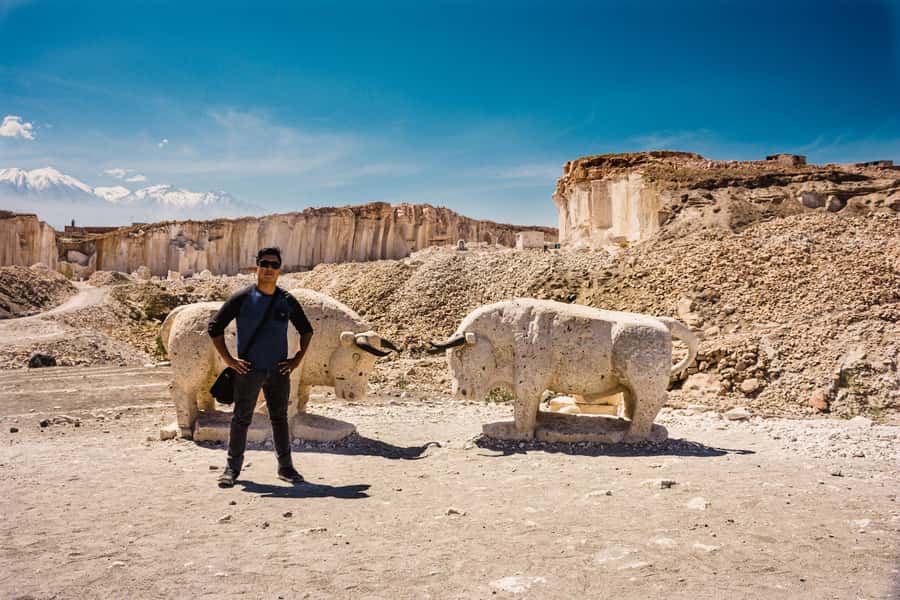
- Añashuayco Quarry still operates, so you’re seeing sillar extraction in action, not just ruins.
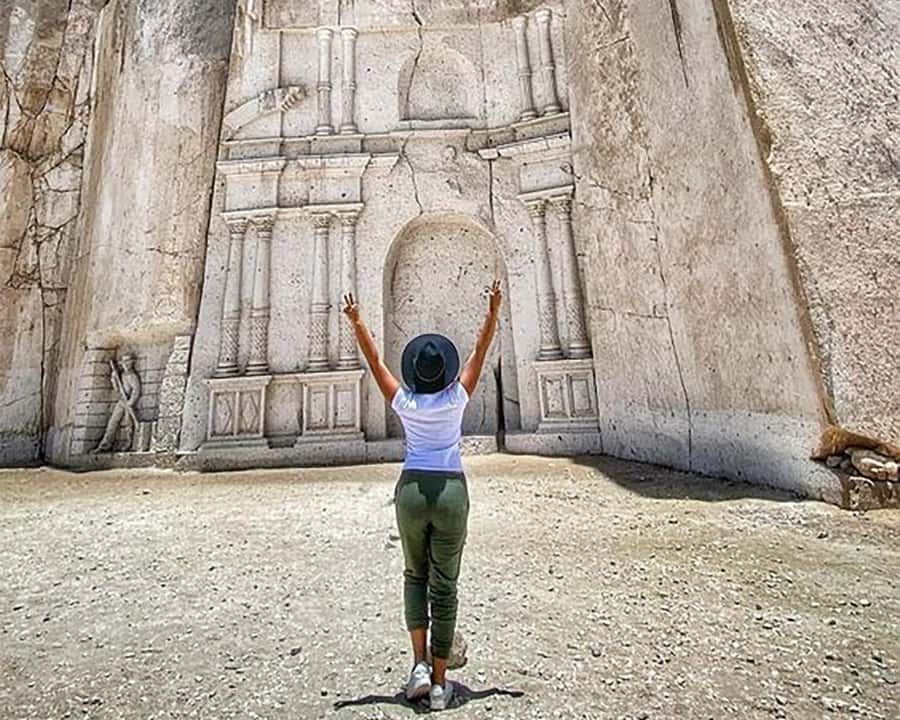
- Mega-carving of the Church of the Society of Jesus made by stonemasons themselves.
- Hands-on stone-block experience may be possible, with a quarryman explaining daily work.
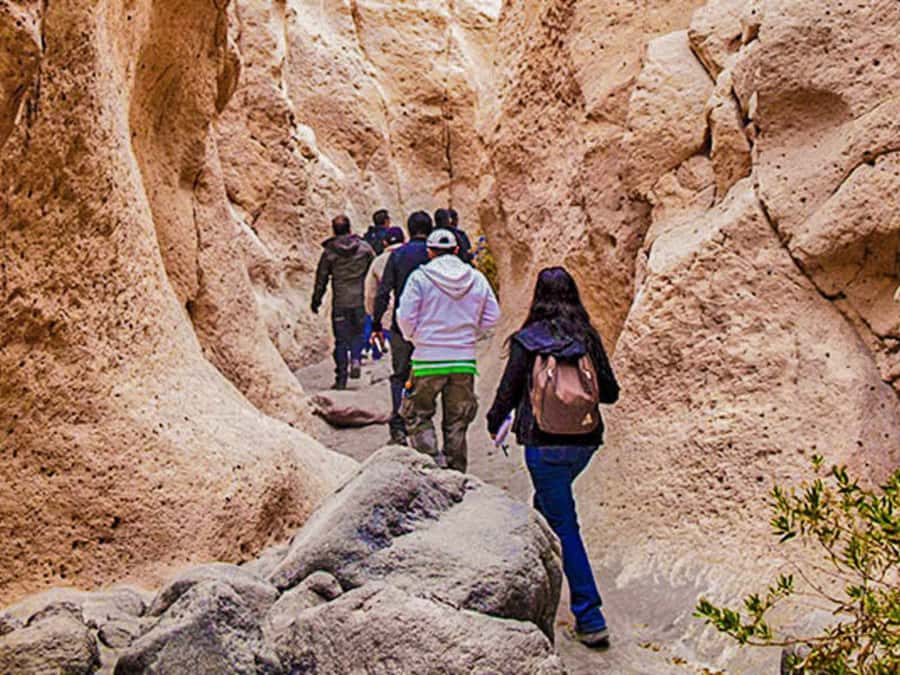
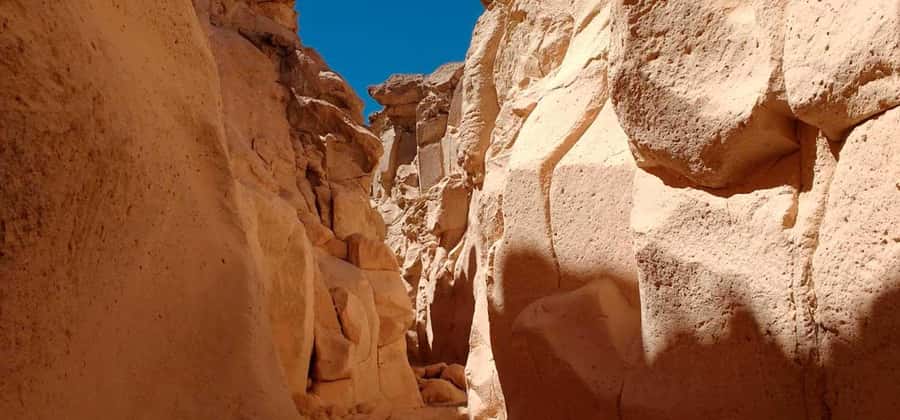
- Quebrada de Culebrillas canyon walk is short but scenic, with walls 15 to 20 meters high.
- Wari petroglyphs appear at the end of the canyon walk.
- Apachetas (stacked stone gratitude markers) add a calm, mystical moment before you head back.
Weighing this against something else? Here is what Cusco sells out of first.
- Cusco: Humantay Lake Tour with Breakfast and Buffet Lunch★ 4.9 · 2,976 reviews
- From Cusco: Moray, Maras Salt Mines & Chinchero Weavers Tour★ 4.8 · 1,925 reviews
- From Cusco: Full-Day Group Tour of Machu Picchu★ 4.7 · 1,767 reviews
- Machu Picchu Day Trip from Cusco★ 4.5 · 1,644 reviews
Why This Route Feels More Real Than a Typical Arequipa Sightseeing Loop
This is not just a drive-by photo tour. It connects the story of sillar, Arequipa’s pale volcanic stone, to the actual quarry sites where the rock is still taken out and worked.
You’ll get views first, then you’ll move into the geology and craft side of town. That combo is the magic. You come away with a clearer sense of how the city’s look was built, block by block, and why this region matters beyond a single landmark.
Also, the schedule is tight and readable. In about four hours, you cover viewpoints, quarries, and a canyon walk, then you get dropped near the Plaza de Armas.
The 9:15 Start: Getting Your Bearings With Volcano and Valley Views
You start at 9:15 am, heading out toward the Sillar route. Before you even reach the main sites, you stop at a strategic viewpoint where you can see volcanoes and the Chilina Valley.
That orientation matters more than it sounds. Arequipa sits in a dramatic setting, and once you match what you see from the city to what you see from outside, the rest of the morning clicks.
Depending on the time of year, the tour may switch in another traditional viewpoint at the beginning. In other words, you’re not stuck with one rigid view plan, and you’re more likely to catch something good based on season and light.
Añashuayco Quarry: Where Sillar Comes From, Up Close
About 45 minutes into the trip, you reach Añashuayco Quarry. This is the heart of the experience, because it’s not a museum version of quarrying. It’s currently in operation, and the quarrymen do their work very early, which helps explain why the atmosphere feels purposeful and alive.
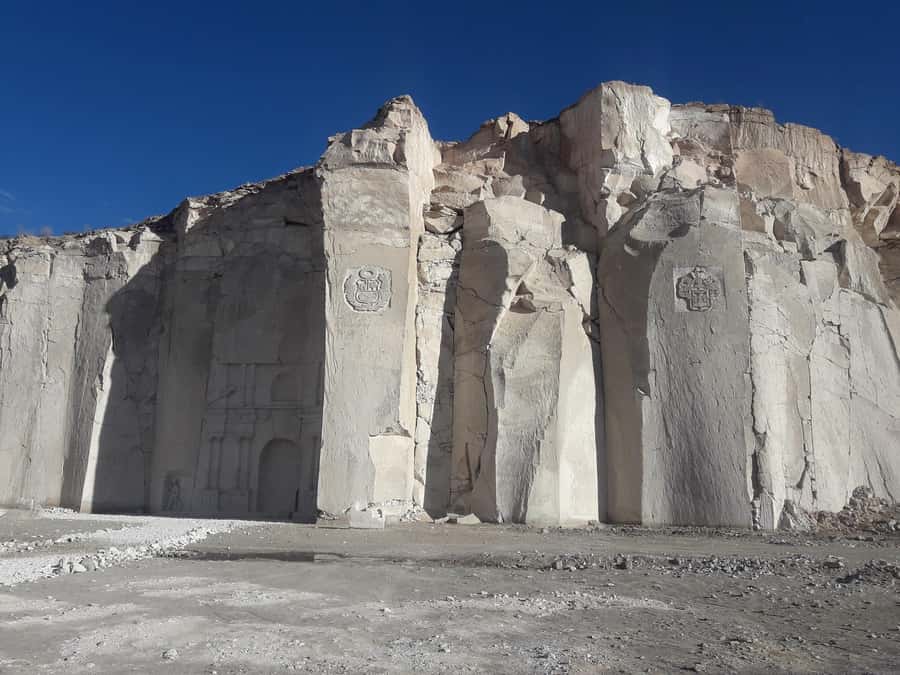
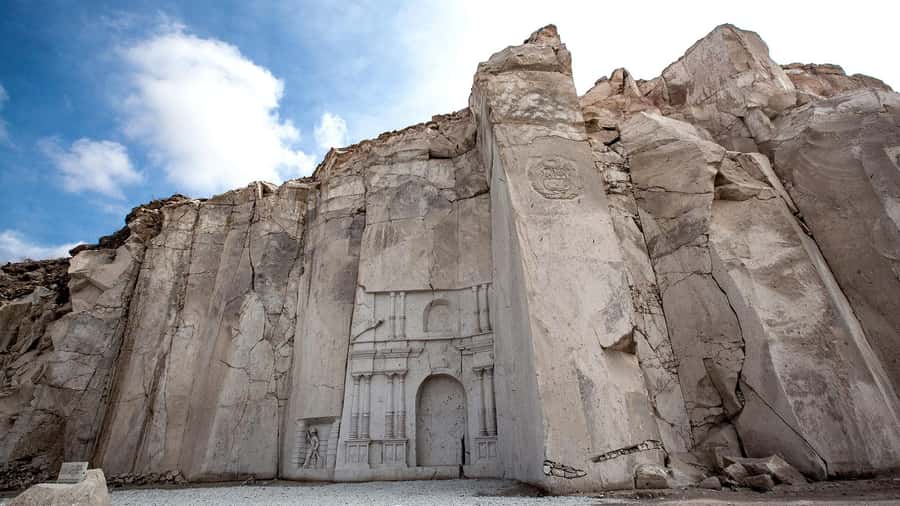
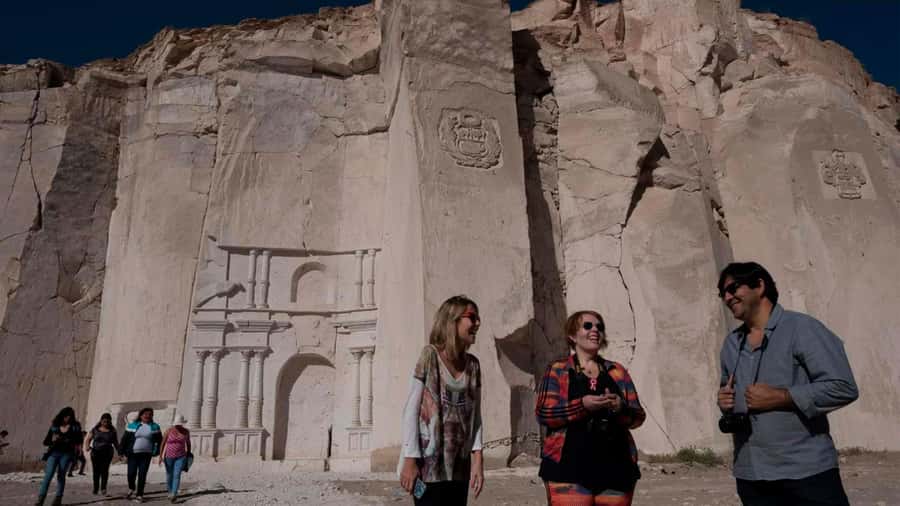
Inside the quarry area, you’ll see an immense canyon with high cliffs made of ignimbrite walls. This comes from extraction used to form the sillar that’s been used for buildings for generations.
Here’s why that matters to you: sillar is one of those regional materials you notice in Arequipa’s streets, but it’s easy to treat it as just a color. At the quarry, you understand the real physics behind it, the shape it takes during extraction, and how it became the stone that defines local architecture.
The Mega-Carving and the Stonemason Moment
In Añashuayco, you can also see a mega carving of the Church of the Society of Jesus. The detail that makes this stop worth your time is that it was made by the stonemasons themselves.
When the timing works, you can visit one of the stonemasons so they can explain what daily work looks like. There’s also the chance to experience cutting one of the stone blocks yourself. Even if you don’t become a quarry expert in a few minutes, you’ll get a feel for the effort behind those clean stone surfaces you see around Arequipa.
This is the kind of cultural craft stop that pays off. You’re not only looking at a rock, you’re learning the human rhythm behind it.

A Realistic Consideration
Quarries are working sites. You’ll want to stay aware of the environment and follow your guide’s cues for where to stand and how to move. If you’re sensitive to dust or strong sun, plan accordingly, because this is an outdoor, stone-heavy setting.
Quebrada de Culebrillas: A Short Canyon Walk With Big-Wall Feel
After Añashuayco, you travel about 30 minutes to Quebrada de Culebrillas. Then you get a walk of roughly 20 minutes inside a small canyon formed by the passage of water.
The canyon walls are about 15 to 20 meters high at the start, and as you go deeper, the walls get taller. That gives you a strong sense of being inside a channel rather than just walking through open terrain.
For something so short, the walk stays interesting because the canyon tightens the space. Sound changes. Your attention shifts from the view outside to the textures of the walls around you.
Wari Petroglyphs: Ancient Marks at the End of the Walk
At the end of the canyon walk, you’ll be able to see petroglyphs made by the Wari culture that date back more than a thousand years.
This stop is a good reminder that the area isn’t only about colonial stone and modern quarry work. It’s also an older landscape where people left symbols long before sillar building shaped the look of Arequipa.
If you like connecting art to place, don’t rush this part. Take a moment to look slowly, and let your guide point out what you’re looking at. With petroglyphs, the details can be easy to miss if you treat it like a quick photo stop.
Apachetas on the Way Back: Gratitude Stones and a Mystical Pause
Before returning to the city, you’ll observe Apachetas, which are stone formations stacked one on top of the other.
These have a meaning tied to gratitude toward nature and also to good luck. The tour frames them as something that can feel a bit mystical, and I can see why. Even if you keep it practical in your mind, the visual impact of stacked stones in a high, open area is hard to ignore.
This is a nice reset after quarry and canyon intensity. It’s short, but it gives you a cultural lens beyond geology and craft.
Timing, Transport, and What the Four Hours Actually Look Like
The standard flow runs like this:
- 9:15 am departure toward the Sillar route
- viewpoint stop to see volcanoes and the Chilina Valley
- Añashuayco Quarry in about 45 minutes
- move to Quebrada de Culebrillas about 30 minutes later
- around 20 minutes of canyon walking
- observe Apachetas
- drop-off near Plaza de Armas around 1:30 pm
There’s also a 2:00 pm shift, in case you want a later departure.
Transport and guide time are included in the price, and your drop-off location is close to Arequipa’s main center. That’s convenient if you have lunch plans or want to keep your day moving after the excursion.
One more practical note from experience with small-group tours like this: your morning can start to feel long if the group is waiting at pickup. If you’re tight on other plans, give yourself buffer time.
Price and Tickets: Is It Good Value?
The price is $14 per person for a 4-hour outing, including tourist transport and a professional guide. That’s a fair value if you compare it to the cost of getting out to multiple sites on your own and paying for guided context at each stop.
The one add-on you should plan for: entrance ticket to the places is 10 soles, not included.
So your real budget is roughly $14 plus the 10 soles entrance fee. Whether that feels like a deal depends on you, but I like that the included time covers several distinct experiences: quarry operations, a major carving, a canyon walk, and petroglyph viewing, plus viewpoints and Apachetas.
If your goal is to understand why Arequipa looks the way it does, this tour is worth it. If you only want one quick stop for photos, you might find it feels like more moving than you expected.
Language and Fit: Who This Tour Works Best For
The guide is available in Spanish and English, which makes this route workable for many independent travelers.
I think this excursion is best for you if:
- you want more than one type of sight, quarry plus canyon
- you enjoy hands-on craft moments like stone cutting
- you like cultural layers, Wari petroglyphs and Apachetas alongside sillar history
If you want a super relaxed walk with zero rough edges, this might be less your style. Quarries and canyon terrain mean you’ll be walking and paying attention to your footing.
And if you’re heat-sensitive, consider that one past transport issue noted was lack of air conditioning. Summer afternoons can be a factor, even if the walk itself is short.
Should You Book This Sillar and Culebrillas Route?
Yes, if you want an Arequipa experience that actually explains the city’s building material and then takes you to a canyon with ancient markings. The pairing of operating quarry sites and short, satisfying canyon walking is a strong use of four hours.
Skip it if you hate working-site environments or you’re looking for a purely scenic, no-context photo tour. Also, if you’re counting minutes for the rest of your day, plan extra time for possible pickup delays.
If you’re flexible, this one is a solid value way to see why this region feels both historic and very alive.
FAQ
How long is the Excursion + Sillar and Culebrillas Route?
The tour lasts 4 hours.
What time does the tour start, and is there a second shift?
There is a 9:15 am start, and the tour also offers a 2:00 pm shift.
What is included in the price?
The price includes tourist transport and a professional guide.
Do I need to pay entrance tickets?
Yes. Entrance ticket to the places is 10 soles and is not included.
What sights will we visit?
You’ll visit the Sillar Route, Añashuayco Quarry with the mega-carving, the Quebrada de Culebrillas canyon walk with Wari petroglyphs, and you’ll also observe Apachetas.
What languages are available for the guide?
The guide is available in Spanish and English.
Where do they drop you off at the end?
You’ll be dropped off near Plaza de Armas in central Arequipa around 1:30 pm for the 9:15 am shift.
More Tours in Cusco
- Cusco: Humantay Lake Tour with Breakfast and Buffet Lunch
★ 4.9 · 2,976 reviews - From Cusco: Moray, Maras Salt Mines & Chinchero Weavers Tour
★ 4.8 · 1,925 reviews - From Cusco: Full-Day Group Tour of Machu Picchu
★ 4.7 · 1,767 reviews - Cusco: Half-Day City Tour with Sacsayhuaman and Q’enco
★ 4.6 · 1,129 reviews - Machu Picchu: Full-Day Tour from Cusco with Optional Lunch
★ 4.6 · 927 reviews
More Tour Reviews in Cusco
- Cusco: Humantay Lake Tour with Breakfast and Buffet Lunch
★ 4.9 · 2,976 reviews - From Cusco: Moray, Maras Salt Mines & Chinchero Weavers Tour
★ 4.8 · 1,925 reviews - From Cusco: Full-Day Group Tour of Machu Picchu
★ 4.7 · 1,767 reviews - Machu Picchu Day Trip from Cusco
★ 4.5 · 1,644 reviews - Cusco: Half-Day City Tour with Sacsayhuaman and Q’enco
★ 4.6 · 1,129 reviews
Fresh in from Cusco

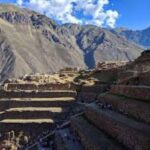
Arequipa & Colca Canyon Tours, compared.
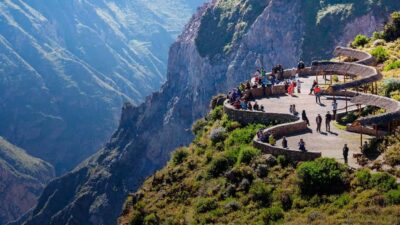 ★ 4.62-Day Tour Colca Canyon in Arequipa with end in PunoFrom $78248 reviews
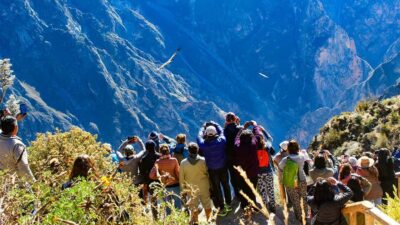 ★ 4.6From Arequipa: Colca Canyon Day Trip with Transfer to PunoFrom $6590 reviews
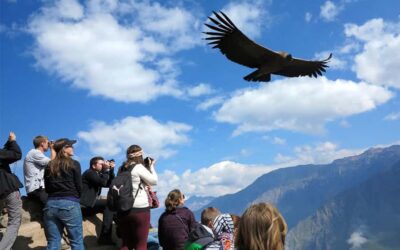 ★ 3.6From Puno to Arequipa: 2 Days/1 Night Colca Canyon TourFrom $10283 reviews
 ★ 5.0Turist Bus Colca Canyon (Chivay) To PunoFrom $4183 reviews
 ★ 4.7Colca Canyon: 2-Day Tour from Arequipa to PunoFrom $10745 reviews
 ★ 4.52 Day Trek Including Transfer to Puno / Colca CanyonFrom $17938 reviews
 ★ 4.4From Arequipa: Fullday Tour Colca Canyon + Transfer To PunoFrom $5617 reviews
 ★ 4.2From Arequipa: 2-Day Colca Canyon Tour with Transfer to PunoFrom $10317 reviews
Browse the lists this tour appears in