
REVIEW · PUNO & LAKE TITICACA TOURS
Discover the Celestial Wonder of Sillustani: Towers of Time
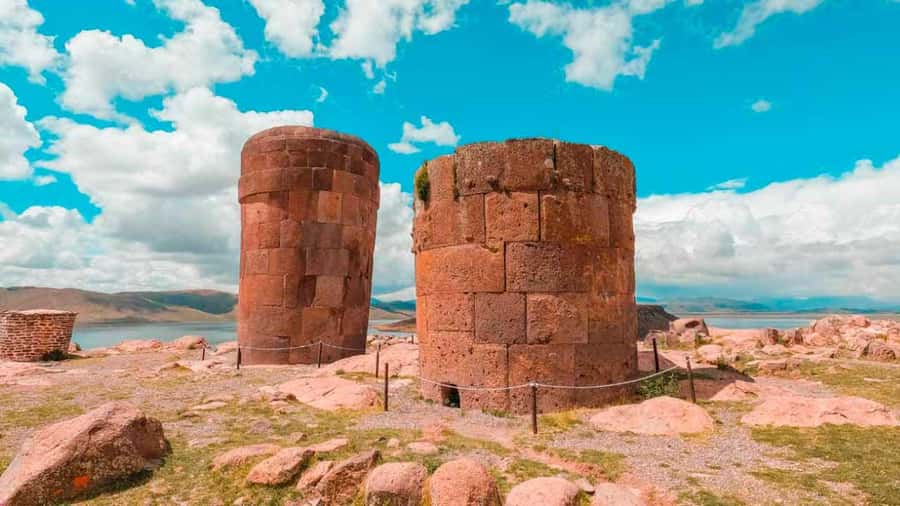
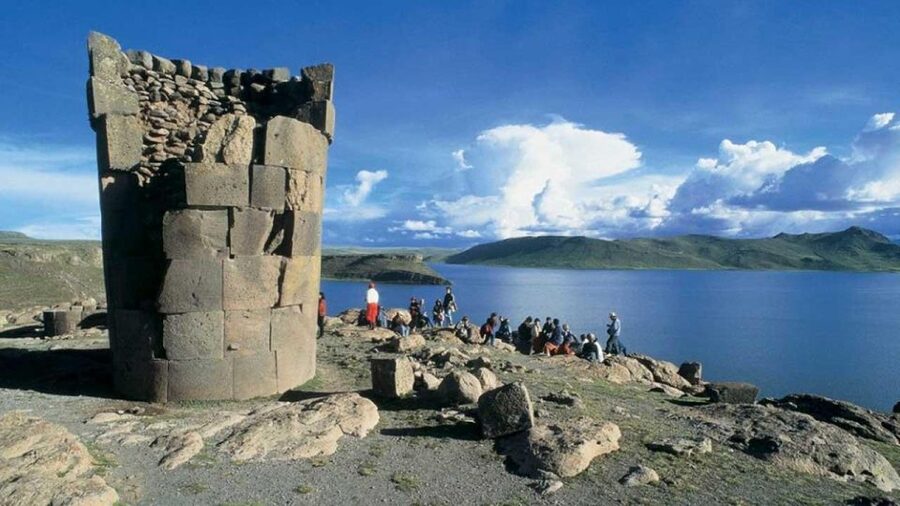
Chullpas at altitude feel strangely close to time. In Sillustani, those stone towers rise above the Umayo peninsula, and you get a guided look at the Kolla burial towers plus the surrounding working landscape. I especially love how the visit mixes archaeology with real-life Andean scenery, including a chance at wildlife near Umayo Lake.
One consideration: this is a short, active outing at altitude, so if you have mobility limits or get winded easily, you will want to think twice.
Key takeaways before you go
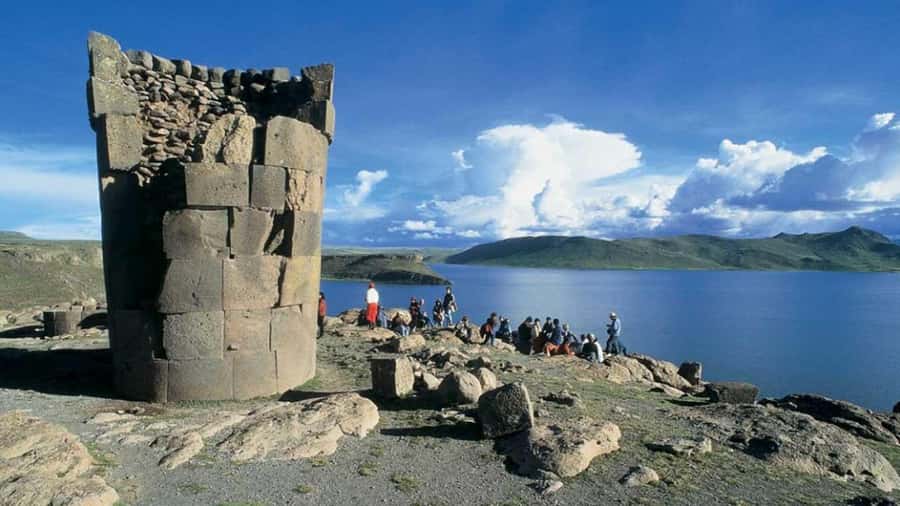
- Stone towers up to about 12 meters make Sillustani a fast, unforgettable photo stop.
- Waruwaru fields are part of what you’ll see, showing how people managed frost and floods.
- Wildlife viewing time is built into the route, with possibilities like Andean flamingos and wild pigs of the Indies.
- A local house visit adds context, with typical food and camelid photo moments.
- A guided explanation in English and Spanish helps you actually understand what you’re looking at.
- A 1-day, afternoon schedule means you avoid an early start from Puno.
More of the lake, the reeds and the islands
- From Puno: Floating Islands of the Uros Half-Day Tour★ 4.4 · 394 reviews
- Lake Titicaca 2-Day Tour to Uros, Amantani and Taquile★ 4.4 · 199 reviews
- Puno: Full-Day Tour of Lake Titicaca and Uros & Taquile★ 4.4 · 178 reviews
- Puno: Full-Day Route of the Sun Tour to Cusco with Lunch★ 4.7 · 131 reviews
From Puno at 2:00 pm, and why the timing works
This tour starts with pickup from your hotel at 2:00 pm, and you’ll leave Puno for a drive of about 40 minutes. You then get roughly 1 hour 30 minutes to visit the Sillustani archaeological complex.
I like this schedule because you can sleep in, eat a normal lunch, and still have daylight for towers and lake views. It also keeps the pace focused, not dragged out over multiple days.
The chullpas of Sillustani: towers of time you can actually read
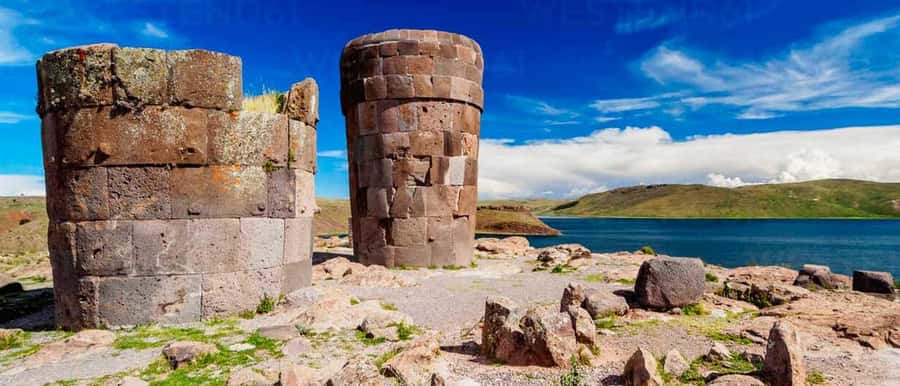
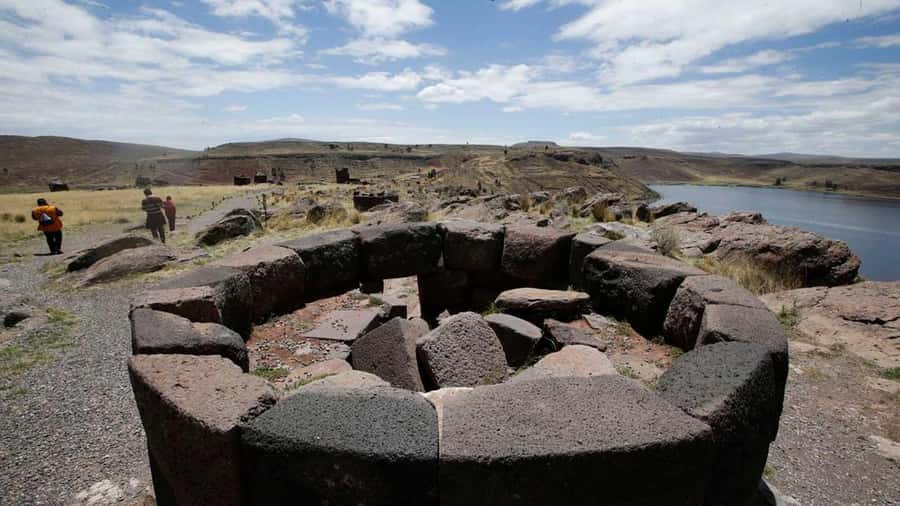
Sillustani’s main attraction is the chullpas, ancient tombs built in stone in a tower shape. Some rise as high as around 12 meters, and you’ll see cylindrical and square structures made for high-status burials.
What I find most satisfying is that the guide does not just point and move on. With a professional guide speaking English and Spanish, you get the key idea behind the shapes and the setting, so the site feels meaningful rather than random ruins in the distance.
Look closely at the fact that these are not one “monument,” but a whole cluster of structures. That helps you understand how the Kolla civilization used this area as a place of status and remembrance.
What you’ll notice during your visit
The chullpas are set along the peninsula in a way that makes the view part of the story. Even if the towers are the star, you’ll also start noticing how the terrain shapes where people built and where the site feels exposed to wind and weather.
If you’re the type who likes to photograph textures, the stone work is a good target. If you prefer wide shots, the height and open air give you plenty of chances to frame the towers against the sky.
Waruwaru mounds: the practical Andean engineering lesson
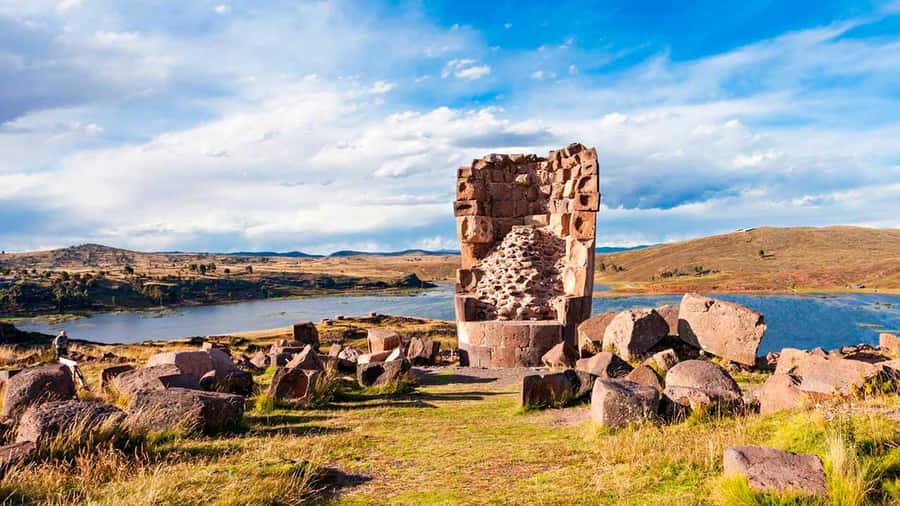
After your first time at the archaeological area, the tour focuses on the surroundings. This is where you’ll learn about Waruwaru, which refers to artificial earth mounds created to protect crops from frost and floods.
This part matters because it connects ancient practices with the kind of land management still needed at high altitude. It also gives you a mental break from tomb shapes and lets you look at the landscape like a system, not just scenery.
In practical terms, these mounds are easy to spot when you’re told what they are. I suggest you keep your phone camera ready, because once you understand what you’re seeing, the details become much more rewarding.
Wildlife spotting near the peninsula and what “luck” really means
Sillustani is not a zoo, and you are not guaranteed animal sightings. But your route includes time where it’s possible to see wildlife around the area, including wild pigs of the Indies and flamingos, plus other Andean animals.
Here’s the honest way to play it: bring patience and expect short bursts of action, not constant wildlife. If you see birds, stop and watch for a moment rather than firing off photos immediately. For animals that move quickly, calm attention usually beats frantic clicking.
If wildlife is a big reason you booked, timing helps. The afternoon light can make the peninsula feel dramatic, and that makes it easier to keep looking even when nothing happens for a few minutes.
Umayo Lake view: the moment that ties the day together
Near the end of the tour, you’ll get the chance to see Umayo Lake, which sits in front of the archaeological zone. This is one of those payoff moments where the setting finally makes complete sense.
I like that it’s close to the end of the itinerary. By then, you’ve already learned what the chullpas are, why they sit where they do, and how the surrounding land is shaped by agriculture and weather. The lake view lands as the final “context shot,” not a random scenic detour.
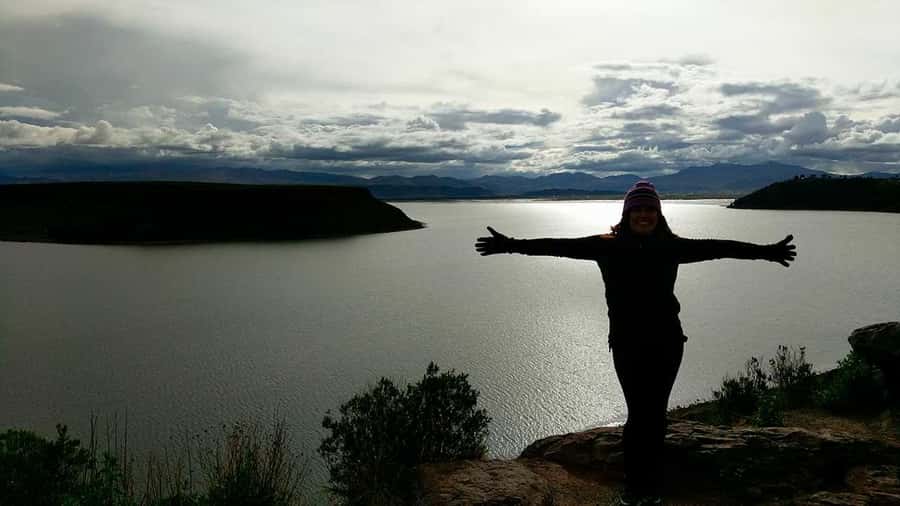
If you care about photos, aim for a slower pause here. Even if clouds roll in, lake light and reflections can give you a different look than the towers alone.
The local house stop: typical food and camelid photo time
On the way back to Puno, the tour includes a stop at a local house. The idea is to learn a bit about the way of life, taste typical food, and take pictures with different camelids.
This part is small, but it can be the most human moment of the day. A good guide explanation also helps you connect what you saw at Sillustani with how people live in the same high-altitude region.
One review specifically called this short farm-style detour interesting, and I agree with the logic. Archaeology can feel distant if it’s only stone and dates, so any local contact makes the day more grounded.
A practical tip for the food stop
Bring cash, since the tour info notes cash as something you should have. Also pack snacks or be ready to feel hungry, because you’re out from mid-afternoon into early evening.
Price and value: is $25 per person actually fair?
At $25 per person, this tour is priced for travelers who want a guided afternoon outing without turning it into a full-day spend. What you get for the money is meaningful: transportation, entrance fees, and a professional guide who works in English and Spanish.
To judge value, look at the “included” items as one package. Many tours sell transport and then charge extra for entry and guidance. Here, the entry fees and guide are included, and the itinerary adds more than just tomb viewing, with Waruwaru sights, wildlife viewing time, and a local house stop for typical food.
Where the value can feel different is in your expectations. If you want a long, slow, museum-style visit, 1 hour 30 minutes at the complex may feel short. If you want a focused, well-timed overview with context and a couple of standout experiences, this pricing fits.
Who this tour suits best (and who should skip)
This tour makes sense if you want:
- A short afternoon trip from Puno that still feels complete
- A guided explanation in English or Spanish
- A mix of chullpas, Andean land management (Waruwaru), and wildlife possibilities
It might not be your best match if you need wheelchair access, if you’re pregnant, or if you have visual impairment, since the tour is not listed as suitable for wheelchair users or visually impaired travelers.
Altitude comfort is also worth factoring in. Even though the itinerary is not listed as physically demanding, you’ll be at high elevation and outside, and that can be tiring if you’re sensitive to wind or cold.
What I learned from the recent guide vibe
The most consistently praised element is the guide’s ability to explain the tombs clearly. One review highlighted very detailed explanations in excellent English, and that is exactly what makes a site like Sillustani click.
That same review also mentioned the short stop at the farm or local setting as interesting. Another highlight from the reviews is simply that the place feels magical. I read that as: the combination of stone towers, open sky, and lake backdrop creates an atmosphere that photographs can’t fully capture.
You’ll also see the reality of travel in one lower rating due to illness and a day-long hospital stay. It’s not a flaw in the experience, but it’s a reminder that health matters at altitude and plans can change fast.
Should you book Sillustani: Towers of Time?
I’d book this tour if you want a guided, value-priced afternoon that combines Sillustani’s chullpas, Andean farming engineering (Waruwaru), wildlife spotting time, and a local house stop with typical food and camelid photo opportunities. The structure of the day is practical: pickup at 2:00 pm, drive out, focused site time, then scenery and local culture before returning by early evening.
Skip it if you need strong accessibility accommodations, if pregnancy makes altitude travel unsafe for you, or if visual impairment requires support that this format does not specify.
If you go, bring patience for wildlife, dress for wind and cold, and give yourself time to look at the towers instead of rushing photos. That’s where Sillustani becomes more than a stop on a map.
FAQ
What time does pickup happen?
Pickup is included, and you’ll be picked up from your hotel at 2:00 pm. Plan to wait in the hotel lobby about 10 minutes before your scheduled pickup time.
How long do we have to visit the archaeological site?
You’ll have about 1 hour 30 minutes to visit the Sillustani archaeological complex.
What is included in the $25 per person price?
The price includes transportation throughout the trip, entrance fees to the archaeological site, and a professional guide (English and Spanish).
What should I bring with me?
Bring passport, snacks, drinks, biodegradable sunscreen, comfortable clothes, and cash.
Is this tour suitable for people with mobility issues or pregnancy?
No. The tour is listed as not suitable for pregnant women and wheelchair users.
What wildlife might I see during the tour?
The itinerary mentions that you may see wild pigs of the Indies, flamingos, and other Andean wildlife, depending on luck.
More Tour Reviews in Puno
- From Cusco: Vinicunca Rainbow Mountain ATV Tour with Meals
★ 4.6 · 1,060 reviews - From Puno: Uros, Amantaní & Taquile Islands 2-Day Tour
★ 4.5 · 452 reviews - From Puno: Floating Islands of the Uros Half-Day Tour
★ 4.4 · 394 reviews - Lake Titicaca 2-Day Tour to Uros, Amantani and Taquile
★ 4.4 · 199 reviews - Puno: Full-Day Tour of Lake Titicaca and Uros & Taquile
★ 4.4 · 178 reviews
More of Lake Titicaca
- From Puno: Uros, Amantaní & Taquile Islands 2-Day Tour
★ 4.5 · 452 reviews - From Puno: Floating Islands of the Uros Half-Day Tour
★ 4.4 · 394 reviews - Lake Titicaca 2-Day Tour to Uros, Amantani and Taquile
★ 4.4 · 199 reviews - Puno: Full-Day Tour of Lake Titicaca and Uros & Taquile
★ 4.4 · 178 reviews - Puno: Full-Day Route of the Sun Tour to Cusco with Lunch
★ 4.7 · 131 reviews
Fresh in from Puno



Puno & Lake Titicaca Tours, compared.
 ★ 4.5From Puno: Uros, Amantaní & Taquile Islands 2-Day TourFrom $59452 reviews
 ★ 4.4From Puno: Floating Islands of the Uros Half-Day TourFrom $10394 reviews
 ★ 4.62-Day Tour Colca Canyon in Arequipa with end in PunoFrom $78248 reviews
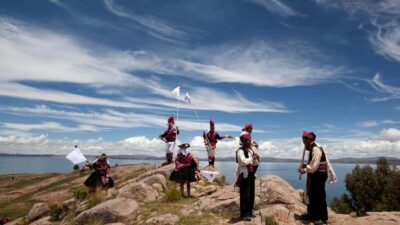 ★ 4.4Lake Titicaca 2-Day Tour to Uros, Amantani and TaquileFrom $69199 reviews
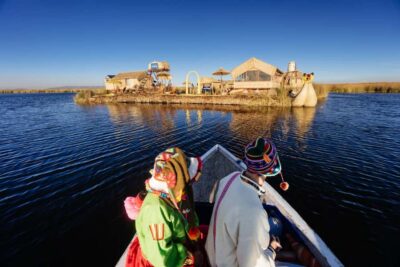 ★ 4.4Puno: Full-Day Tour of Lake Titicaca and Uros & TaquileFrom $33178 reviews
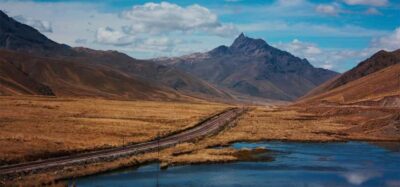 ★ 4.7Puno: Full-Day Route of the Sun Tour to Cusco with LunchFrom $44131 reviews
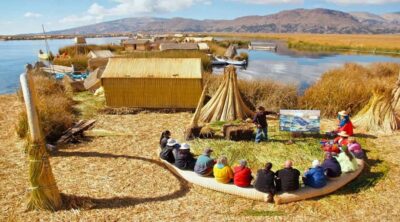 ★ 4.2Floating Islands of the UrosFrom $7101 reviews
 ★ 4.8Scenic Route of the Sun to Puno with Buffet LunchFrom $44101 reviews
Browse the lists this tour appears in