
REVIEW · AUSANGATE TREKS
Ausangate and Rainbow Mountain Trek – 3 Days / 2 Nights
Two mountains, three days, and real altitude work. I like the hotel pickup plus easy round-trip transfers from Cusco, so you spend energy on the trail. I also love that the route focuses on Ausangate crystal lakes and the Puca and Warmisaya passes, not just photos. The drawback: this is a challenging trek at high altitude, so plan acclimatization and be ready for early starts.
The guide team matters a lot here. People like Nestor and Marco are described as patient and safety minded, and the trip includes an oxygen supply and first aid kit for peace of mind. The other big plus is the small group size, up to 12, which helps your guide manage pace, warmth, and the little adjustments that make the hike feel smoother.
Key highlights worth planning for
- 5:00 am start for Rainbow Mountain timing, so you can spend more time looking and less time queuing
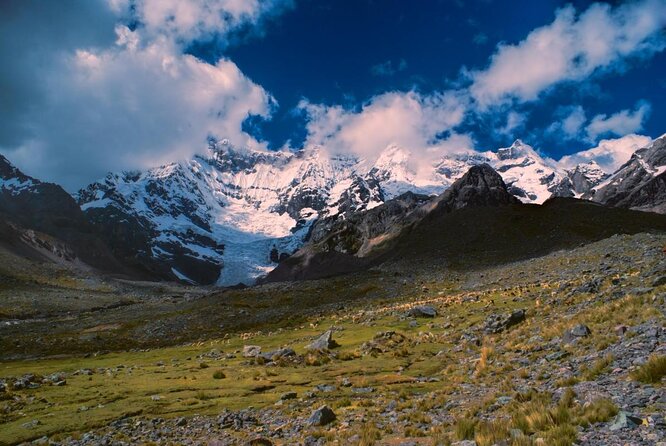
- Ausangate lakes and passes (Arapa, Puca, Warmisaya) for variety, not a one-note trek
- Camping gear is included (tent, sleeping bag, air mattress) so you show up light
- Hot drinks and full meals at camp keep morale up when the air gets thin
- Small group up to 12 for a more personal pace and smoother coordination
- Oxygen and first aid onboard support the altitude reality of Vinicunca and Ausangate
Other pre-dawn runs to the coloured ridges
- Cusco: Rainbow Mountain Tour and Red Valley Hike (Optional)★ 4.7 · 149 reviews
- Private Rainbow Mountain Full Day Tour from Cusco★ 5.0 · 129 reviews
- Cusco: Full-Day Rainbow Mountain & Red Valley Trekking Tour★ 4.5 · 121 reviews
- Rainbow Mountain & Red Valley Premium Tour with picnic★ 5.0 · 102 reviews
Why Ausangate plus Rainbow Mountain works in 3 days
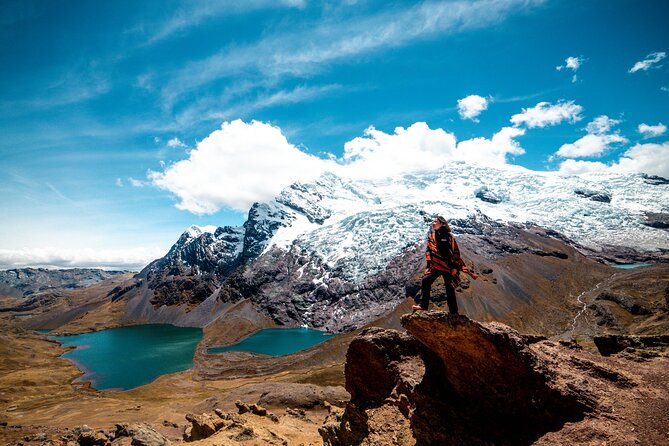
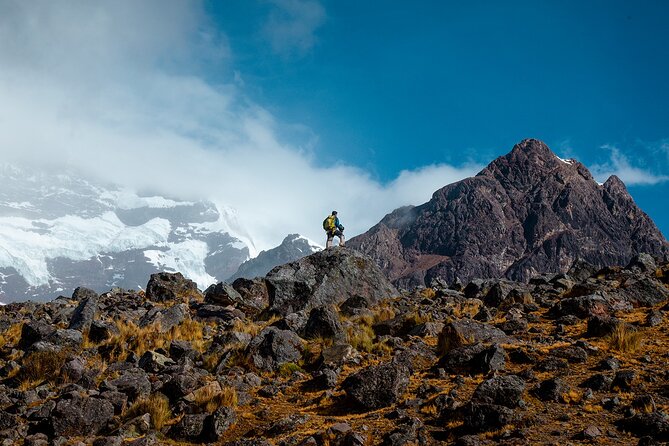
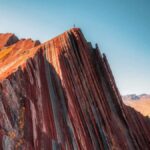
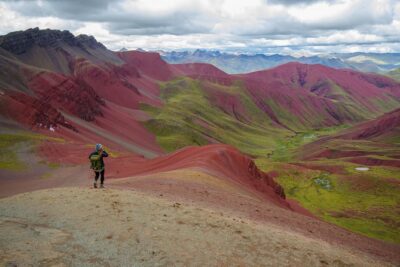
This trek is built for people who want the real Andes, not just the postcard view. You get two different mountain “moods.” Ausangate feels big, remote, and snow-and-stone serious as you move around crystal lakes and high passes. Then, on Day 3, Vinicunca (Rainbow Mountain) gives you that color punch, with a big visual payoff for the effort.
The balance is smart. Many short trips rush Rainbow Mountain and leave you feeling like you sprinted through scenery. Here, Ausangate fills the first two days with altitude breathing and wide open views, then Rainbow Mountain lands as a focused finale. If you like a plan with rhythm, not chaos, this one fits.
Two more reasons I think it’s a good value at this price point. First, you are not stuck arranging transport and logistics on your own. Second, you are not paying extra for core items like guides, entry fees, and camping equipment. At $535 per person, the money goes toward making the hike actually doable.
The early pickup and 5:00 am timing that actually matters
You start with hotel pickup and drop-off in Cusco, plus round-trip transfers. That seems like a “nice to have” until you remember the altitude and the early mornings. Getting shuttled efficiently means less time stressed on sidewalks and more time warming up, walking, and resting.
Start time is 5:00 am. That’s early, no sugarcoating. But the payoff is practical: you reach Rainbow Mountain before most day-tour timing, which helps you spend more time at the viewpoint and less time stuck in a slow, crowded flow. You still get photos, but you also get moments where you can just look and breathe.
If you’re trying to fit this into a Cusco itinerary, plan at least a couple days in town before you trek. The trip itself assumes you can handle altitude, but the extra day or two in Cusco helps your body adjust, and that can be the difference between “tough but fine” and “tough and miserable.”
Day 1: Upis to Arapa Pass, then camp under Ausangate
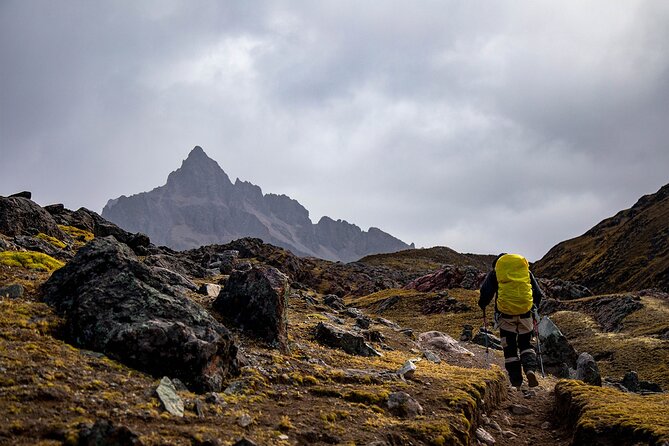
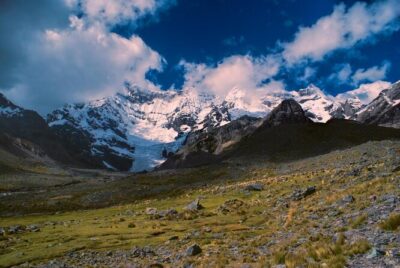
Day 1 begins in a small town called Upis. You walk about 3 hours toward the lunch spot, with the massive Ausangate mountain in your line of sight. This part is a great warm-up for the mindset of the trek. You’re working, but the goal is to settle into a steady pace, enjoy the scenery, and get comfortable with the altitude rhythm.
After lunch, you rest briefly and then climb uphill to Arapa Pass. That altitude lift is one of the main “why this trek is worth it” factors. Pass crossings change the whole feel of the hike. You start seeing the valley depth differently, and the air gets sharper. You also tend to get better sky clarity when the weather cooperates.
Then you descend to camp at Hatun Pucacocha. The practical win of ending Day 1 at the foot of Ausangate is how the day closes: hot drinks, dinner, and sleep at altitude. If you’ve never camped this high, it helps to know that warm evening meals and hot drinks are part of the plan, not an optional bonus.
What to watch for on Day 1 is pace. You’re coming from Cusco altitude, but you still have a steep learning curve. Go slower than you think you need to. You’ll feel it later if you spend energy too fast on the first climb.
Day 2: Puca Pass, glacial lagoons, and Warmisaya’s 360 view
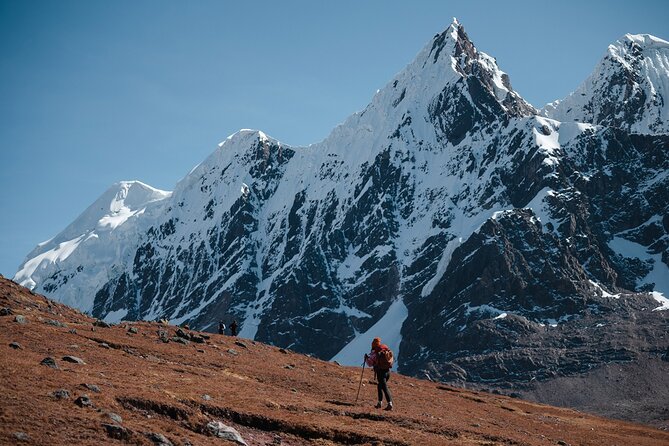
Day 2 starts with a hot coca tea and breakfast. It’s not just a comfort thing. Hot drinks help your body settle before you climb, especially when mornings feel icy.
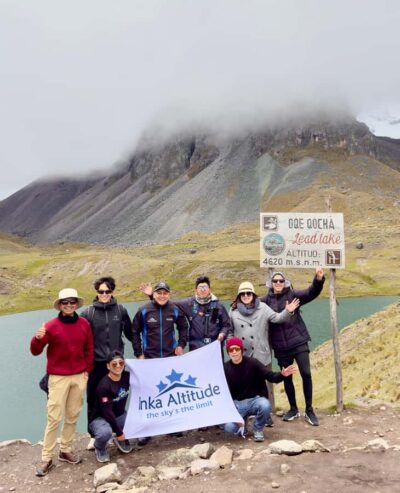
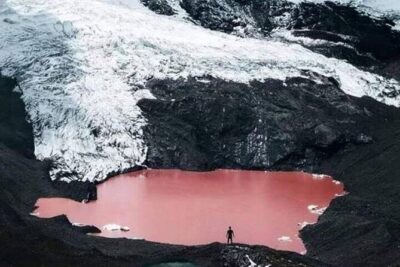
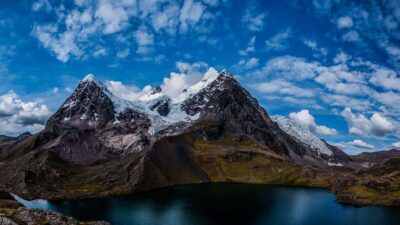
You head up toward Puca Pass with striking scenery and a chance of seeing condors. Even if you don’t see one, this is the day where you get more expansive views and more chances for good photos along the glacial lagoon sections.
You stop at Anantapata for lunch, then hike up to Warmisaya Pass. Warmisaya is described as a 360 view moment, and that’s exactly what makes it a highlight pass. From up there, the terrain stops being a line you walk and becomes a whole map of peaks, valleys, and distance. It’s the kind of view that makes the effort feel honest.
After the pass, you descend to camp in Surinecocha for dinner and rest. That matters because Day 3 is the big visual target. A well-managed Day 2 means you wake up feeling like you still have something left in your legs.
The main consideration here is weather. At this altitude, conditions can change fast. Your guide will manage route pacing, and the included rain poncho and first aid kit help with real-life surprises.
More of the Ausangate circuit and its lakes
Day 3: Vinicunca early, then lunch and back to Cusco
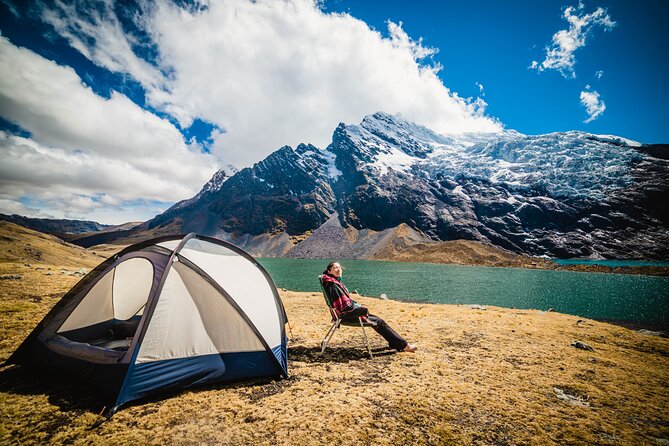
Day 3 is about timing and focus. You wake up early to reach Vinicunca before the other tourists arrive. In practice, this is the part of the trek where you want to be calm, not stuck. It helps you take your time learning what makes the place important and enjoying the astounding views without feeling rushed.
You stop along the first section to get early views of Vinicunca, then continue to the mountain itself. You’re given plenty of time up top, with time for photos and for a bit of interpretation about the significance of the area.
Afterwards, you hike down to private transport, have lunch, and continue back to your accommodation in Cusco for well-deserved rest.
Two notes for Day 3. First, keep your expectations balanced: it’s not a gentle stroll. Second, the early start is meant to improve your experience, but it still requires stamina. If altitude hits you, take it slowly, sip water, and let your guide handle the pace.
Camping comfort at altitude: tents, sleeping bags, and hot help
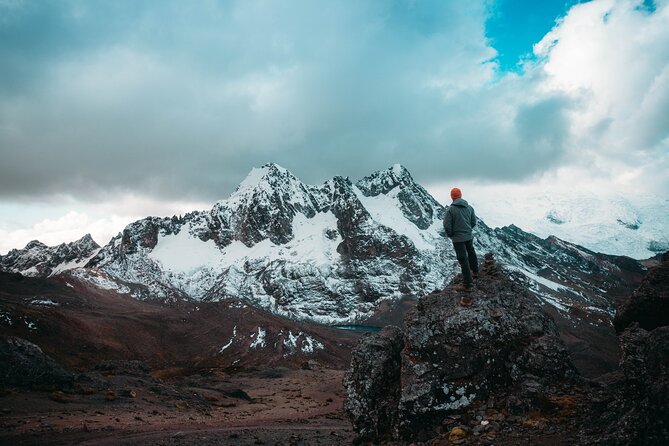
This trek is camping, not glamping. Still, it’s set up so you don’t have to “figure it out” in the cold.
Camping equipment is included: sleeping tent, air mattress, sleeping bag, and a dining setup with tables and chairs. In plain terms, you show up and get a functional camp. That’s a big deal when you’re tired and the weather is doing whatever it wants.
A detail that stands out from on-the-ground experiences is how warm the night can feel with the provided sleeping gear. People have also mentioned extra warmth items like additional liners and hot water bags at night. I wouldn’t treat extras as guaranteed, but the included sleeping bag plus the overall camp setup is designed to keep you from freezing.
Also, the pace of camp work is not casual. The team sets up and breaks down camp while you hike. People have praised guides like Nestor and cooks like Heber and Juan Carlos for consistent, hearty meals despite the remote setting. When camp food is good, trekking becomes more enjoyable, because you’re not spending your day thinking about what you’ll eat later.
Food, hot drinks, and the guide team that keeps you steady
The trip includes breakfast on each of the 3 days, lunch on each day, and dinner on two nights. You’re not left hunting for calories at altitude.
The vibe around meals matters. One of the most repeated praises is that the food is delicious and surprisingly well-prepared. People have highlighted cooks like Heber and Juan Carlos for turning remote meals into something you actually look forward to.
Then there’s the guiding. Guides such as Marco, Fredy Apaza, Elisban, and Pabel are described as thoughtful, supportive, and safety minded. That kind of guidance matters on technical altitude work because it’s not only about speed, it’s about choosing a pace you can sustain.
A small group helps here too. When you’re in a group of up to 12, your guide can tailor timing and route options. In practice, that might mean adjusting for special viewpoints if time allows, or checking in more often with people who feel altitude symptoms.
What $535 buys you, and where the value is actually hiding
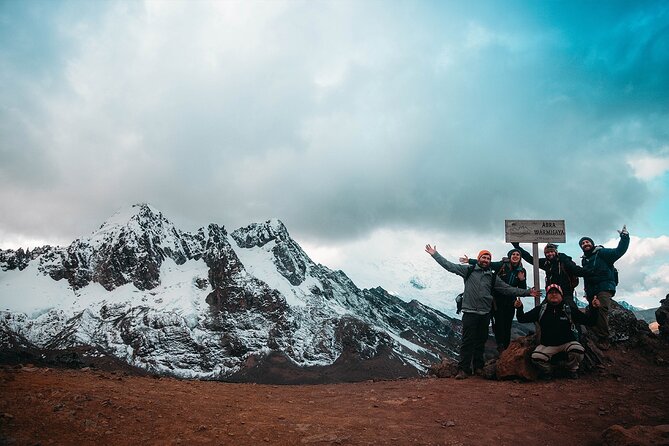
Let’s talk value, not just sticker shock.
At $535 per person for about 3 days and 2 nights, you’re paying for:
- Experienced mountain guiding
- Entry fees for Ausangate and Rainbow Mountain
- Camping equipment (tents, sleeping bag, air mattress)
- Luggage transport on the hike for 7 kg
- Private transport and transfers from Cusco
- Water and snacks during the trek
- First aid kit and oxygen supply
- Hiking poles and rain poncho
- Meals: 3 breakfasts, 3 lunches, and 2 dinners
This is why it often feels like a better deal than piecing things together yourself. Your costs stay predictable because the essentials are bundled. If you’ve ever tried to cobble together transport, permits, guides, and camping gear at altitude, you know how quickly it gets complicated and expensive.
One more value note: the small group size. When a trek is max 12, you’re not paying for a massive crowd experience. You tend to get better check-ins and more practical pacing.
Also, this is a challenging trek. That’s not a “bad” thing. It just means you should treat the budget like part of your safety plan, not a way to go cheap.
Pace, altitude, and packing tips that keep you comfortable
This is a challenging hike. The trip expects strong physical fitness, and you should arrive in Cusco at least 2 days early so you can adjust to altitude.
How to make the trek feel easier:
- Move slower than you think you need to, especially on the climbs and pass days.
- Use the provided hiking poles. They help on both climbs and descents.
- Take advantage of hot drinks at the start of each day.
- Pack a day bag with your essentials since only 7 kg is transported on the hike.
For cold nights, rely on the provided sleeping bag and air mattress, and wear layers you can tolerate in both the day hike and the camp wind-down. People have been warm at night with the kit plus extra layers like fleece liners. If you’re sensitive to cold, plan for that reality.
Weather can shift fast in the Andes. Rain ponchos are included, which helps you stay warm and keep moving rather than stopping to fuss with gear.
Who should book this Ausangate and Rainbow Mountain trek
Book this if:
- You want a 3-day trek that includes real high-altitude walking, not just a quick viewpoint stop.
- You care about both Ausangate scenery and Rainbow Mountain, with passes like Puca and Warmisaya doing the heavy lifting.
- You like small-group logistics. Up to 12 travelers is a sweet spot for coordination.
- You want camping included, not a “sleep on your own” setup.
Consider skipping or choosing a different option if:
- You’re not confident with altitude trekking or you don’t have a strong fitness base.
- Early starts are a dealbreaker for you. The 5:00 am timing sets the rhythm.
Also, if you’re planning to add Machu Picchu after, keep in mind spots sell out quickly. Booking far ahead helps you avoid last-minute stress.
One practical planning note: the trip is non-refundable and cannot be changed for any reason. That means you should only lock it in once your dates are solid.
FAQ
FAQ
What’s the meeting time for this trek?
The start time is 5:00 am.
How long is the trek and how many nights do you camp?
It runs for about 3 days with 2 nights of camping.
Are entry fees for Ausangate and Rainbow Mountain included?
Yes. Entry fees for both Ausangate and Rainbow Mountain are included.
What camping gear is provided?
You get camping equipment including a sleeping tent, air mattress, sleeping bag, and a dining setup with tables and chairs.
Is luggage carried for you, and is there a weight limit?
Yes. Luggage transport on the hike is included for 7 kg.
Do you need to arrange oxygen or medical supplies?
No. A first aid kit and oxygen supply are included.
Is horse assistance part of the trip?
No. Horse assistance is optional, but it is not included.
Can vegetarians or vegans be accommodated?
Yes. Vegetarian or vegan options are available if you advise the provider at booking.
Who can participate and is there any age limit?
Children age 12 and over may participate and must be accompanied by a responsible adult at all times. Service animals are allowed too.
More Tour Reviews in Cusco
- Cusco: Humantay Lake Tour with Breakfast and Buffet Lunch
★ 4.9 · 2,976 reviews - From Cusco: Moray, Maras Salt Mines & Chinchero Weavers Tour
★ 4.8 · 1,925 reviews - From Cusco: Full-Day Group Tour of Machu Picchu
★ 4.7 · 1,767 reviews - Machu Picchu Day Trip from Cusco
★ 4.5 · 1,644 reviews - Cusco: Half-Day City Tour with Sacsayhuaman and Q’enco
★ 4.6 · 1,129 reviews
The Ausangate Circuit, Continued
- From Cusco: 7 Lakes Ausangate Trek with Breakfast and Lunch
★ 4.8 · 360 reviews - Excursion to Ausangate & 7 lakes with Coca Ceremony |Private|
★ 5.0 · 80 reviews - Ausangate Trek 5 Days
★ 5.0 · 74 reviews - Full-Day Tour to Ausangate 7 Lakes
★ 5.0 · 56 reviews - From Cusco: Ausangate 7 Lakes Tour with Meals
★ 4.5 · 47 reviews
More Coloured Ridges at Dawn
- Cusco: Rainbow Mountain Tour and Red Valley Hike (Optional)
★ 4.7 · 149 reviews - Private Rainbow Mountain Full Day Tour from Cusco
★ 5.0 · 129 reviews - From cusco: Rainbow Mountain ATV Tour with meals
★ 4.5 · 121 reviews - Cusco: Full-Day Rainbow Mountain & Red Valley Trekking Tour
★ 4.5 · 121 reviews - Rainbow Mountain & Red Valley Premium Tour with picnic
★ 5.0 · 102 reviews
Fresh in from Cusco
Ausangate Treks, compared.
 ★ 4.87 Lakes Ausangate Trek with Breakfast and LunchFrom $29360 reviews
 ★ 5.0Excursion to Ausangate & 7 lakes with Coca Ceremony |Private|From $10880 reviews
 ★ 5.0Ausangate Trek 5 DaysFrom $66074 reviews
 ★ 5.0Full-Day Tour to Ausangate 7 LakesFrom $6956 reviews
 ★ 4.5Ausangate 7 Lakes Tour with MealsFrom $3747 reviews
 ★ 5.06 day Rainbow Mountain x Ausangate Trek – FlashpackerConnectFrom $1,05030 reviews
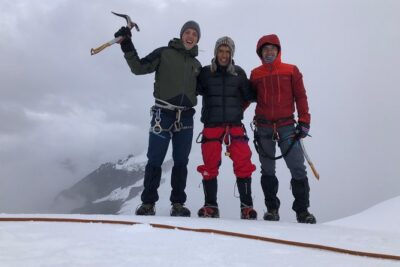 ★ 5.0Qampa Climbing 2 Days in AusangateFrom $38027 reviews
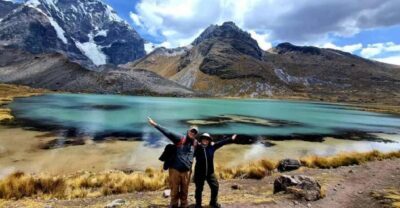 ★ 4.6Ausangate Tour 7 Lagoons full dayFrom $3617 reviews
Browse the lists this tour appears in