
REVIEW · PUNO & LAKE TITICACA TOURS
3-day trek to the Colca Canyon from Arequipa ending in Puno
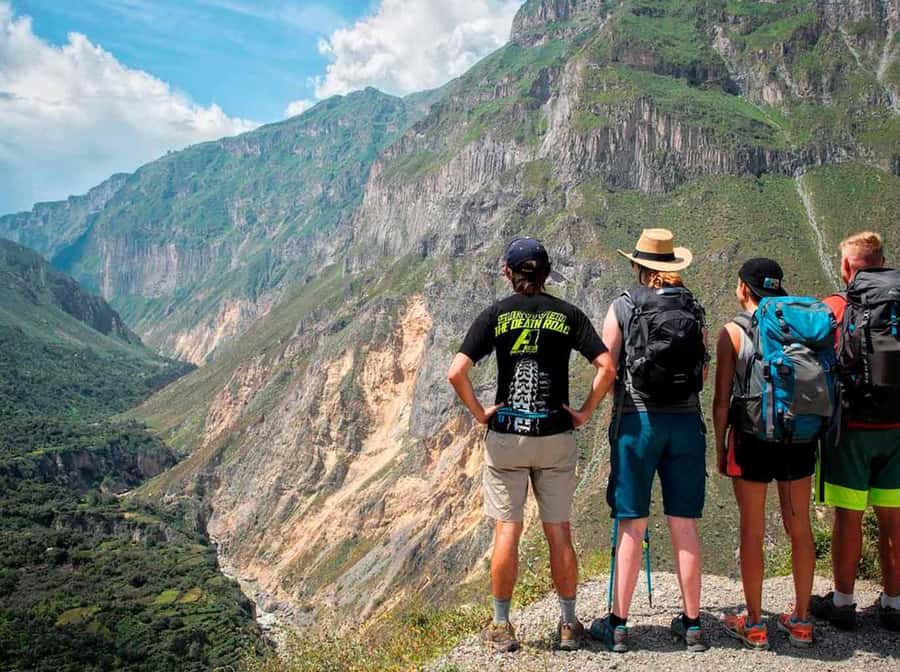
Three days, two nights, one huge canyon. This trek links Arequipa to Puno through the Colca Canyon with guided walks in real canyon towns and time at Cruz del Cóndor for the condors. I love the way you get out of the bus and into the canyon itself, and I also like the chance to sleep with a local family. One heads up: the Colca tourist ticket is mandatory and not included in the $175 price.
You’ll be picked up in Arequipa, travel by transport to the canyon area, and end in Puno around 7:00 p.m. each day has clear timing, with free time for local life, and meals built in (but your last lunch in Chivay is on your own).
Key things to know before you book
- Cruz del Cóndor for condors: a famous viewpoint timed for big views and that bird moment everyone comes for.
- Local-family lodging, basic dorms: you sleep at a family home in San Juan de Chuccho, then in the Sangalle area.
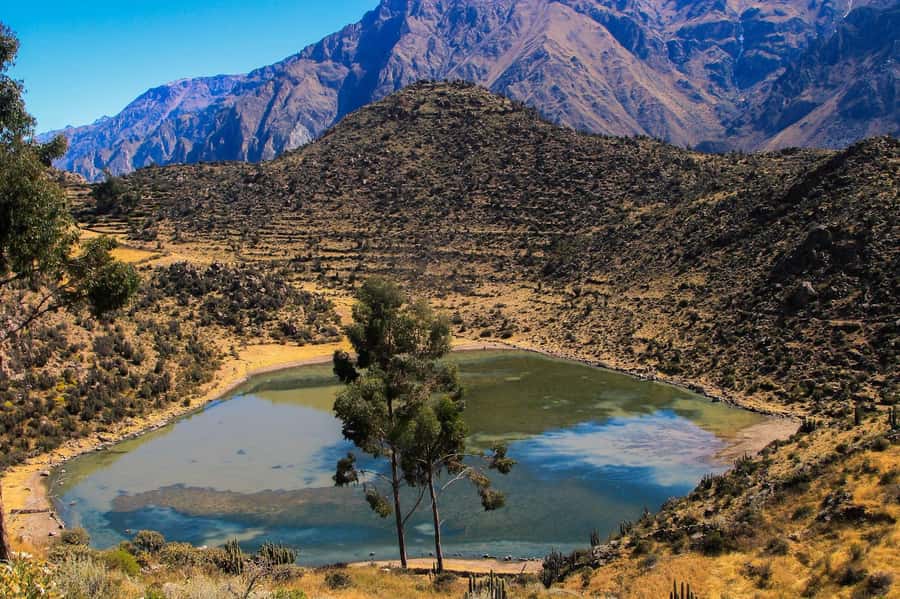
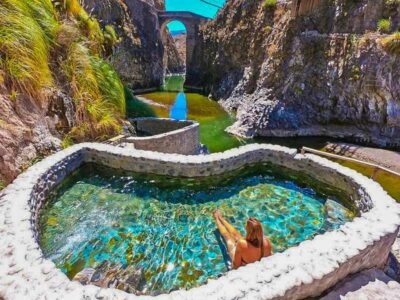
- Sangalle oasis day: pools, plus canyon towns like Cosñirhua and Malata on the way.
- Morning climb on Day 3: a 05:00 a.m. start, with a roughly 3-hour ascent back to Cabanaconde.
- Hot springs are optional: Chacapi Thermal Baths give you a chance to soak, for an extra fee.
- Extra costs to budget: the 70 soles Colca tourist ticket is mandatory, and thermal baths plus the final lunch cost extra.
More of the lake, the reeds and the islands
- 2-Day Tour Colca Canyon in Arequipa with end in Puno★ 4.6 · 248 reviews
- From Puno to Arequipa: 2 Days/1 Night Colca Canyon Tour★ 3.6 · 83 reviews
- Turist Bus Colca Canyon (Chivay) To Puno★ 5.0 · 83 reviews
- From Arequipa: Fullday Tour Colca Canyon + Transfer To Puno★ 4.4 · 17 reviews
Why this Arequipa to Puno Colca trek feels different
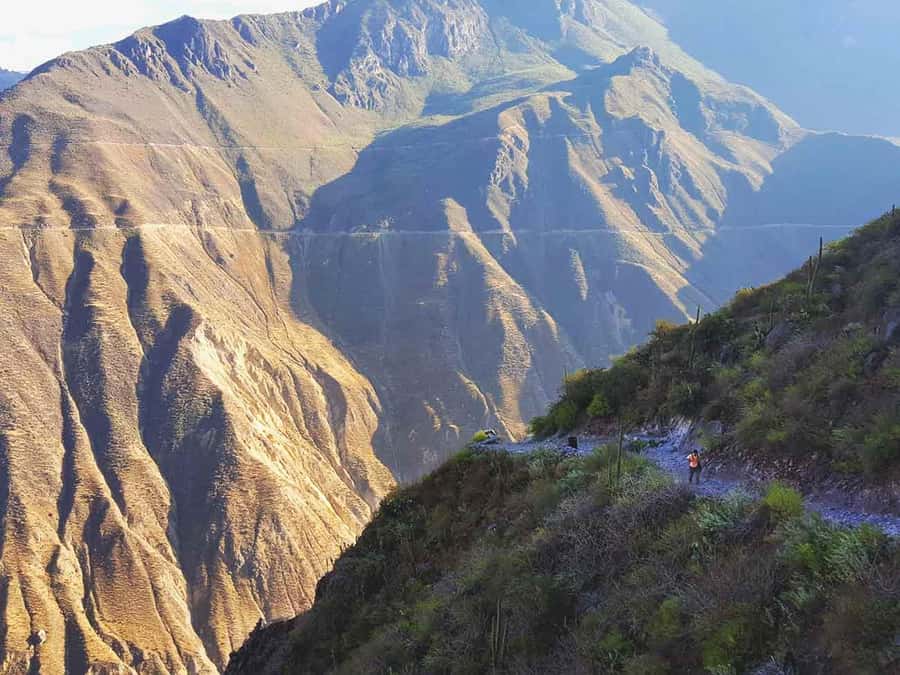
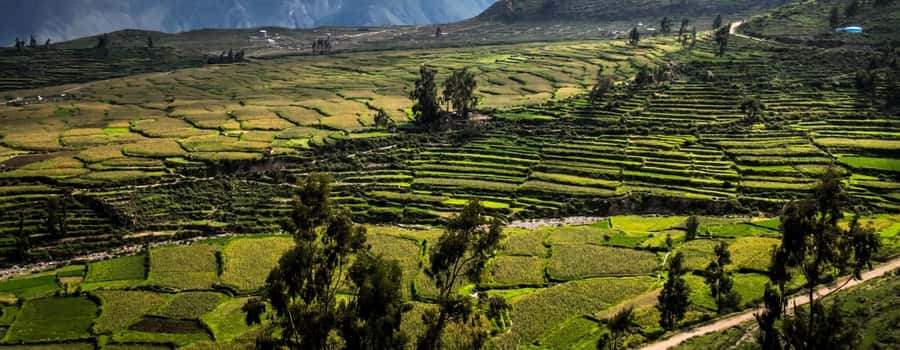
Most Colca Canyon trips turn into a viewpoint tour. This one turns you into a walker. You spend real time inside the canyon, passing through towns, terraces, and river-fed life that you only really notice when you’re on foot. The route also matters: you do the trek from the Arequipa side and finish in Puno, so you are not stuck backtracking.
I also like the structure. Day 1 and Day 2 give you time to adjust, then Day 3 ramps up with a very early start. That pacing can feel intense, but it also means you are out before the day gets crowded and warm.
Day 1: Arequipa to San Juan de Chuccho, with Cruz del Cóndor
You start with pickup from your hotel in Arequipa and head toward the canyon area. Breakfast happens along the way, then the first big stop is Cruz del Cóndor Viewpoint.
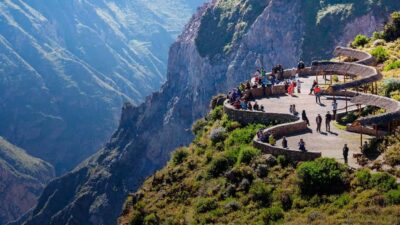
Cruz del Cóndor viewpoint
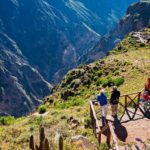
This is the canyon’s best-known show. Expect a lot of wide-open sky, sharp canyon walls, and the kind of condor flight that looks effortless and feels oddly dramatic. It’s also a very popular stop, so your timing matters. If you want that moment properly, plan to stay alert during the transfer and arrive ready to move.
A useful tip: on days like this, don’t rely on a perfect schedule. If the group runs late, you lose viewpoint time. I recommend you stay flexible and treat Cruz del Cóndor as something you should be present for, not rush through.
Cabanaconde walk to San Juan de Chuccho
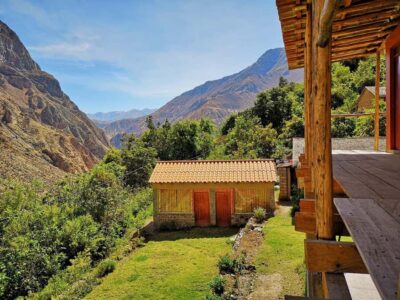
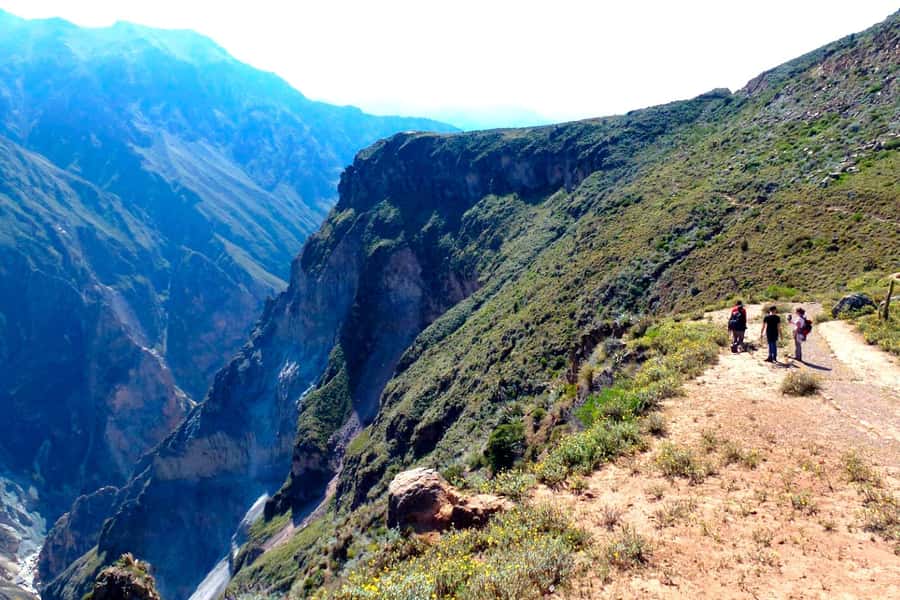
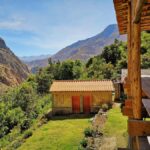
After arriving by car in the area of Cabanaconde, you begin walking down into the canyon. Later you reach San Juan de Chuccho, where you’ll spend the night at a local family’s house. The lodging is described as basic dormitories, so think simple and practical rather than cozy hotel comfort.
The best part of this first evening is that you’re not just arriving somewhere. You get free time (around 3.5 hours) in San Juan de Chuccho to visit local terraces and see everyday canyon life. It’s the kind of time that helps your brain connect what you saw at viewpoints to what people actually live with every day.
More condor mornings in the canyon
What San Juan de Chuccho lodging is really like
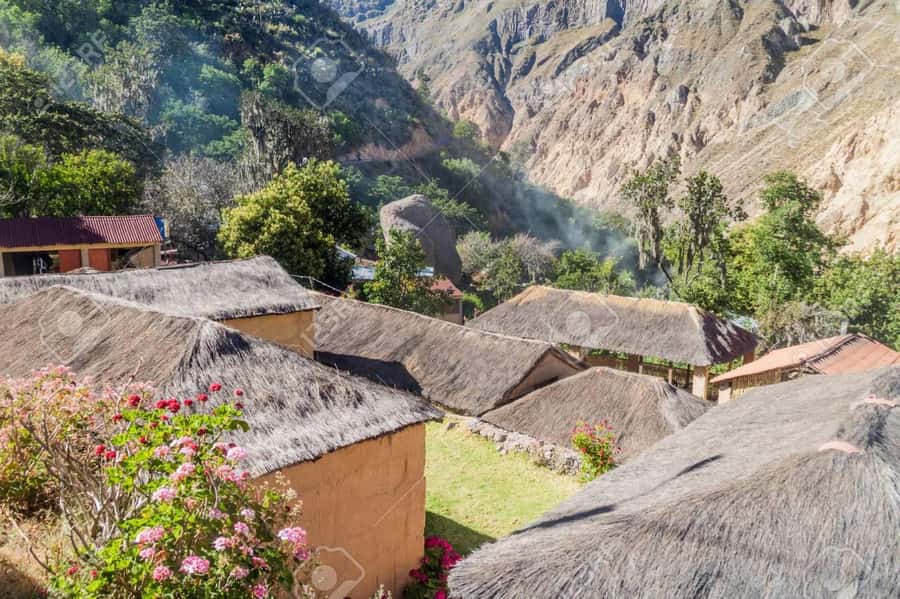
This isn’t a fancy overnight. You sleep at a local family home in basic dormitories. Meals are included, and you’ll have dinner the first night.
What you should consider before you go:
- You might share space and follow simple house rules.
- You’ll want to bring what you need for personal comfort, since the basics are the priority here.
- This style of stay is part of the value of the trek, not an optional bonus.
The payoff is real: you’re inside the canyon culture, not parked above it.
Day 2: San Juan de Chuccho to Sangalle oasis, plus canyon towns and pools
Day 2 starts with breakfast, then you begin walking toward Sangalle (the oasis). Along the way, you visit canyon towns such as Cosñirhua and Malata. This is a good day if you like slow discovery, not just big scenery.
Walking route with town stops
Because the itinerary names these towns, you know it’s not only about the trail. You’re meant to see how communities cluster where the canyon allows water and agriculture. These stops also break the hike into sections that feel more like a route through places than one long grind.
Sangalle oasis, pools, and free afternoon time
You arrive in Sangalle with time to enjoy the area. The schedule includes about 3 hours at the oasis, lunch there, and you can relax in the pools. Then you get free afternoon time, plus dinner and a second night of accommodation.
This is the contrast day. Day 1 is viewpoint plus arrival. Day 2 is walking plus reward, with water and a calmer pace that lets your legs catch up.
One practical note: your body may feel okay in the afternoon but pay attention in the evening. Cold canyon nights and simple lodging can make you feel more tired than you expect.
Day 3: 05:00 climb out, thermal baths in Chivay, then arrival in Puno
The final day is the hardest in timing, even if you are excited to be done. You begin walking at 05:00 a.m. to reach Cabanaconde, and the climb takes about 3 hours.
The ascent to Cabanaconde
This is where your planning pays off. A 05:00 start means you want to be ready to move quickly once breakfast timing hits. The itinerary has breakfast after you arrive in Cabanaconde.
If you want an easier finish, bring small snacks for the climb. It helps if breakfast is later than you personally prefer, and it gives you a buffer if your energy dips. (I’m especially glad you pack something if you tend to feel hungry fast.)
From Cabanaconde to Chivay, with viewpoints and animals
After the walk, you travel back toward Chivay. Along the route you visit towns and viewpoints, then stop at Chacapi Thermal Baths.
Chacapi Thermal Baths
The hot springs are included as a stop, with about 40 minutes free time. Entrance is optional, and the entrance price is listed as 5 USD. If you’ve been walking for two full days, this is a nice way to reset. If you skip it, you still get the route and viewpoint stops.
Chivay lunch, then transfer to Puno
You’ll stop in Chivay for lunch, but the itinerary specifies that lunch there is not included in the package price. After that, you transfer onward to Puno, arriving around 7:00 p.m.
That arrival time is useful to know. It’s late enough that you probably won’t feel like doing much exploring the same day, but early enough that you can settle into your Puno plans without panic.
The “extra costs” section that actually matters
The $175 price covers the big backbone of the trip: round-trip transport, a professional official guide, hotel pickup in Arequipa, food for most meals (3 breakfasts, 2 lunches, 2 dinners), two nights of lodging, and a transfer to Puno.
But you should budget for these add-ons:
- Colca tourist ticket: 70 soles mandatory
- Hot springs entrance (Chacapi): 5 USD optional
- Last lunch in Chivay: not included
I like this trek’s value because you’re paying for guided hiking, meals, and the transport chain. You are not paying extra just to sit in a vehicle. The only downside is that the mandatory ticket and the optional hot springs can quietly add up.
Pace and comfort: what to expect on foot
This is a trek that balances walking time with breaks and meals. You’re walking into the canyon on Day 1, hiking to the oasis with town stops on Day 2, then doing a sharp early climb on Day 3.
If you’re used to day hikes, you’ll likely feel challenged but not shocked. If you’re coming from a mostly flat travel routine, you should expect your lower legs to complain on Day 3 morning. The good news is the itinerary includes time to rest in between.
Clothing and small gear advice
I can’t tell you what to pack without making assumptions, but for a multi-day canyon trek, think practical:
- layers for early starts
- comfortable hiking footwear
- a way to manage water during walks
- a light snack stash for morning timing, especially Day 3
One more practical point from experience on similar trips: water sold at some stops can be expensive. If you can, plan to bring water or a refill strategy so you are not stuck paying whatever the first shop offers.
Guide quality: why it can make or break the experience
This trek includes a professional official tourist guide who speaks Spanish and English. That matters because you’re moving through towns, viewpoints, and scenic areas where explanations help you understand what you’re seeing.
In one recent experience, the guide name José stood out for teaching about Peru’s fauna and flora. That kind of background makes the canyon feel more alive than just a photo stop.
The guide also affects timing. If the group gets delayed, you can lose viewpoint time. When you’re spending money on a limited 3-day window, being punctual at key moments is not a small detail. If you’re the kind of person who wants everything on the minute, bring that awareness into the mindset.
Food and sleeping: included meals, simple beds
Meals are largely covered. The package includes 3 breakfasts, 2 lunches, and 2 dinners across the three days. The exception is the final lunch in Chivay, which you pay for yourself.
The overnight in San Juan de Chuccho is at a local family home with basic dormitory-style lodging. Sangalle includes accommodation as well, but comfort level is best described as practical. If you’re expecting hotel mattresses and private rooms, this is not that kind of trek.
This is why I think it’s good value, though. You’re paying for a full travel circuit and a real local stopover.
Who this trek suits best
This Colca Canyon trek is a strong match if you:
- want more than a viewpoint day trip
- like walking through real towns and terraces
- are okay with basic lodging in exchange for immersion
- want an efficient way to travel from Arequipa to Puno via the canyon
It may feel like a lot if you want a totally relaxed itinerary with no early starts. Day 3 begins at 05:00 a.m., and that sets the tone.
Should you book this Colca Canyon trek?
If you’re chasing that mix of canyon views and lived-in places, I’d book it. The itinerary hits the key must-see moment at Cruz del Cóndor, then follows with real walking and a stay that goes beyond a quick stopover. For many travelers, the best part is the sense that the trek is doing what it says: it takes you into the Colca Canyon, and it ends in Puno so you keep moving.
I’d pause and plan carefully if you are very budget sensitive. Between the mandatory 70 soles Colca ticket and the optional hot springs entrance, you may end up paying more than the headline $175. Also, pack snacks and be ready for the early morning climb on Day 3.
FAQ
What is the duration of this trek?
It runs for 3 days.
Where does the trek start and end?
It starts with pickup in Arequipa and ends with arrival in Puno at around 7:00 p.m. on the last day.
Is hotel pickup included?
Yes. Pickup is included from your hotel in Arequipa.
What meals are included?
The tour includes 3 breakfasts, 2 lunches, and 2 dinners. Lunch in Chivay on the last day is not included.
Where do you sleep during the trek?
You spend 2 nights, one at San Juan de Chuccho and another in the Sangalle area. San Juan de Chuccho lodging is described as basic dormitories at a local family home.
Do I need to pay for the Colca Canyon ticket?
Yes. The Colca tourist ticket is mandatory and costs 70.00 soles.
Are the hot springs included?
Chacapi Thermal Baths are included as a stop with about 40 minutes free time, but the entrance fee is optional and listed as 5 USD.
What languages is the guide?
The guide works in Spanish and English.
More Tour Reviews in Chivay
- 2-Day Tour Colca Canyon in Arequipa with end in Puno
★ 4.6 · 248 reviews - From Puno to Arequipa: 2 Days/1 Night Colca Canyon Tour
★ 3.6 · 83 reviews - Turist Bus Colca Canyon (Chivay) To Puno
★ 5.0 · 83 reviews - From Arequipa: Fullday Tour Colca Canyon + Transfer To Puno
★ 4.4 · 17 reviews - From Arequipa: One Day Trip to Colca Canyon Ending in Puno
★ 4.0 · 14 reviews
More Condor Mornings
- 2-Day Tour Colca Canyon in Arequipa with end in Puno
★ 4.6 · 248 reviews - From Puno to Arequipa: 2 Days/1 Night Colca Canyon Tour
★ 3.6 · 83 reviews - Turist Bus Colca Canyon (Chivay) To Puno
★ 5.0 · 83 reviews - From Arequipa: Fullday Tour Colca Canyon + Transfer To Puno
★ 4.4 · 17 reviews - From Arequipa: One Day Trip to Colca Canyon Ending in Puno
★ 4.0 · 14 reviews
More of Lake Titicaca
- 2-Day Tour Colca Canyon in Arequipa with end in Puno
★ 4.6 · 248 reviews - From Puno to Arequipa: 2 Days/1 Night Colca Canyon Tour
★ 3.6 · 83 reviews - Turist Bus Colca Canyon (Chivay) To Puno
★ 5.0 · 83 reviews - From Arequipa: Fullday Tour Colca Canyon + Transfer To Puno
★ 4.4 · 17 reviews - From Arequipa: One Day Trip to Colca Canyon Ending in Puno
★ 4.0 · 14 reviews
Fresh in from Chivay
Puno & Lake Titicaca Tours, compared.
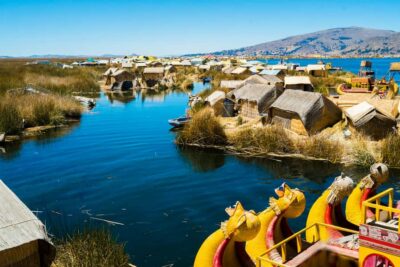 ★ 4.5From Puno: Uros, Amantaní & Taquile Islands 2-Day TourFrom $59452 reviews
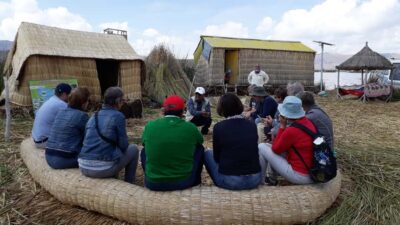 ★ 4.4From Puno: Floating Islands of the Uros Half-Day TourFrom $10394 reviews
 ★ 4.62-Day Tour Colca Canyon in Arequipa with end in PunoFrom $78248 reviews
 ★ 4.4Lake Titicaca 2-Day Tour to Uros, Amantani and TaquileFrom $69199 reviews
 ★ 4.4Puno: Full-Day Tour of Lake Titicaca and Uros & TaquileFrom $33178 reviews
 ★ 4.7Puno: Full-Day Route of the Sun Tour to Cusco with LunchFrom $44131 reviews
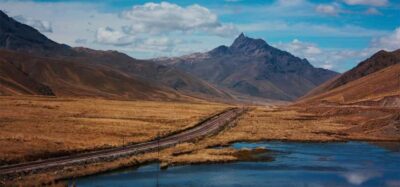 ★ 4.8Scenic Route of the Sun to Puno with Buffet LunchFrom $44101 reviews
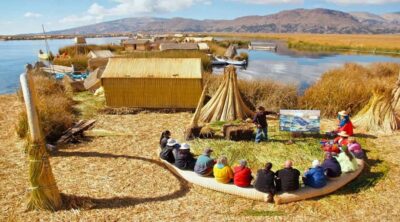 ★ 4.2Floating Islands of the UrosFrom $7101 reviews
Browse the lists this tour appears in