
REVIEW · MACHU PICCHU & AGUAS CALIENTES TOURS
2-Day Sacred Valley & Machu Picchu by Train – Small Group Tour
Two days, one train, and the big Inca wow. What makes this small-group trip click is the way it strings together the Sacred Valley build-up, then delivers you to Machu Picchu with Machu Picchu entrance and bus taken care of. I love the small group feel, because you move at a human pace through Pisac and the fortresses instead of feeling herded. One watch-out: Pisac’s archaeological site admission is not included, so you’ll want to budget for it (and confirm pickup timing, just to stay stress-free).
If you’re lucky with your guide, the day feels smooth and personal. Recent groups have praised guides like Ruben and Elvis for caring coordination and clear explanations, with extra credit for photo time and keeping the schedule calm.
Key things that make this tour work
- Cusco hotel pickup and a tight start time so you’re not scrambling in the morning.
- Awana Kancha alpaca farm visit with hands-on interaction, feeding, and textile context.
- Pisac plus Ollantaytambo are more than stops, they connect Inca agriculture and defense in a logical way.
- Train to Aguas Calientes and a planned return that protects your Machu Picchu morning.
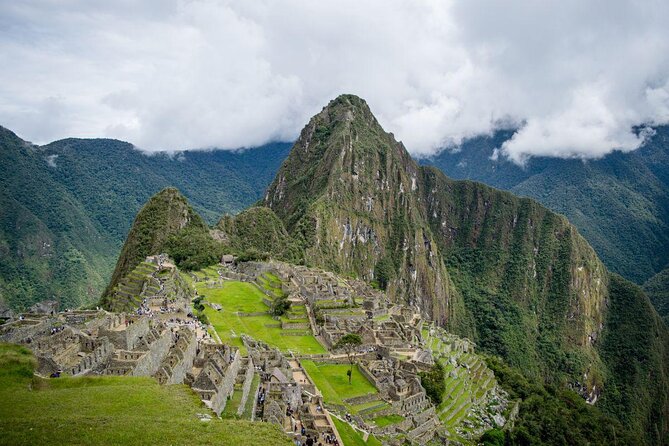
- Guided Machu Picchu with extra free time after the tour for photos and your own wandering.
Other ways into the citadel, side by side
- Machu Picchu Day Trip from Cusco★ 4.5 · 1,644 reviews
- Machu Picchu: Full-Day Tour from Cusco with Optional Lunch★ 4.6 · 927 reviews
- Cusco: 4-Day Inca Trail to Machu Picchu with Accommodation★ 4.8 · 432 reviews
- From Cusco: 2-Day Trip to the Sacred Valley and Machu Picchu★ 4.6 · 265 reviews
Your 2-day route: Cusco, the Sacred Valley, Aguas Calientes, then Machu Picchu
This is built like a two-chapter trip. Day 1 is all about getting your bearings in the Sacred Valley, with scenic viewpoints, Inca sites, a market, and a fortress stop before you ride the train down toward Aguas Calientes. Day 2 is the Machu Picchu day, guided through the highlights, then you’re on a return schedule back to Cusco.
The group size is capped at 9 travelers, and that matters. Smaller groups usually mean less waiting, fewer bottlenecks at viewpoints, and a guide who can adjust the pace when your questions come up. The day starts at 7:00 am from the meeting point in Cusco (Plaza Regocijo area), and the tour includes pickup from your Cusco accommodation.
How long does it take overall? The tour runs about 2 days, with Day 1 traveling from Cusco into the Sacred Valley, boarding the train to Aguas Calientes, and Day 2 doing Machu Picchu then returning to Cusco.
Cusco warm-up stops: Sacsayhuaman, Qenqo, Pucapucara, and optional Cristo Blanco
You begin with a scenic drive out of Cusco that doubles as an Inca primer. On the way, you pass major archaeological spots including Sacsayhuaman, Qenqo, and Pucapucara. Even if you only catch views from the road, this helps you understand what you’ll be seeing later: Inca planning that blends stonework, water management, and sacred geography.
There’s also an optional stop at the Cristo Blanco viewpoint. If you care about photos, it’s a smart move. It gives you a quick skyline view of Cusco’s historic core before the scenery shifts into the Sacred Valley.
Timing note: you’ll be on the move in the morning. If you’re sensitive to early travel, plan to eat lightly and keep your essentials packed (water, layers, phone power).
Awana Kancha alpaca farm: feeding animals and connecting wool to culture
At Awana Kancha, the tour slows down for something hands-on. This is the largest alpaca farm in the Sacred Valley, and you get about a 20-minute visit with alpacas and other camelids. You may see llamas, alpacas, huanacos, and even vicuñas.
The best part here is not just photos. You have time to interact and manually feed the animals, which makes this feel like a real cultural stop instead of a quick roadside photo op. Your guide also ties the animals to Andean textile traditions, which helps explain why alpaca wool is such a big deal in the region. Even if you’re not buying anything, you’ll understand what you’re looking at later in the market.
Practical tip: bring a light layer or something with long sleeves. Farms can be breezy, and you’ll likely be standing around while animals settle and pose.
Taray viewpoint and Pisac terraces: the Sacred Valley as an Inca food system
After the alpacas, you pause at Taray Viewpoint for about 10 minutes of postcard views. From here, you see the Sacred Valley in layers, with Inca terraces and Andean peaks in the frame. The guide also connects the valley’s fertile function to Inca agriculture, so you’re not just collecting scenery. You’re learning how the Inca used slope, water, and elevation changes to grow food.
Then comes Pisac Archaeological Site, about a 45-minute exploration. This is one of the most dramatic Sacred Valley ruins because the terraces climb the hillside and the engineering is obvious. You’ll walk through stone residences and ceremonial areas, plus you’ll notice water channels that show how seriously the Incas managed irrigation.
Here’s the drawback to plan for: Pisac archaeological site admission is not included. So if you’re budgeting tightly, keep that in mind. Ask your guide during the morning stops how to handle the ticket, and bring whatever payment method you’re comfortable with.
Also: the site is above the valley, so expect uneven ground and lots of stairs or slopes. If you hate climbing, take your time and use the guided pacing to avoid rushing.
More of the valley floor, from Pisac to Ollantaytambo
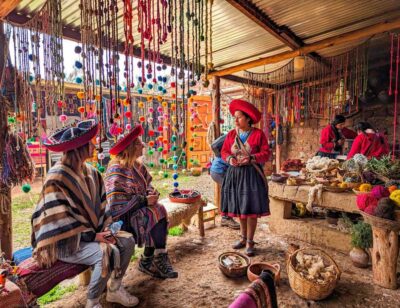
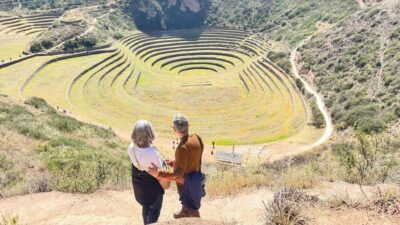
Pisac market shopping without losing the plot
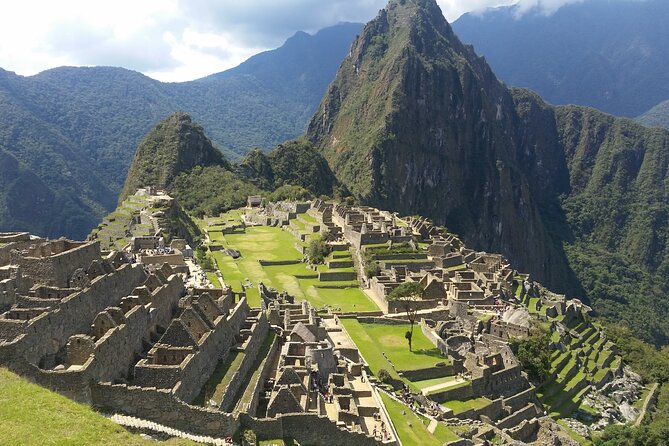
Next up is Pisac Market, around 15 minutes. This is the part where you can buy traditional souvenirs, textiles, ceramics, and silver jewelry. It’s not just a shopping detour, it’s the local economy in motion, with artisans selling directly and you getting a sense of daily Quechua culture.
For me, the value of this market stop is learning how to spot quality. Once you understand the alpaca wool context from Awana Kancha, you’re better equipped to judge what’s actually made from natural fibers and what’s more decorative than practical. You’ll also get to pick up small gifts without it swallowing your whole afternoon.
Tip: if you’re short on time, pick a few must-tries instead of spreading your spending across every stall. Decide what category you want first: textiles, ceramics, or jewelry, then focus.
Urubamba buffet lunch: a real meal before the train day
Lunch is in Urubamba, and it’s a buffet with over 50 Peruvian dishes. This is one of those “keep your energy up” breaks that makes the whole day feel better. You’ll typically find soups, salads, and hot entrees, and the tour notes vegetarian and special dietary options.
One detail I like: it’s not presented as a single bland plate. The buffet format helps if your group has different tastes, and you can eat in a way that won’t wreck you before the evening train. If you’re planning to photograph later, this is also when you can slow down, sit, and rest your feet.
Ollantaytambo fortress to Aguas Calientes: the train leg that matters
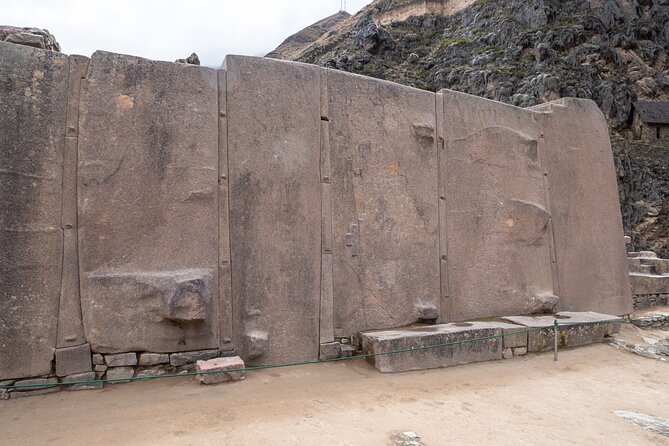
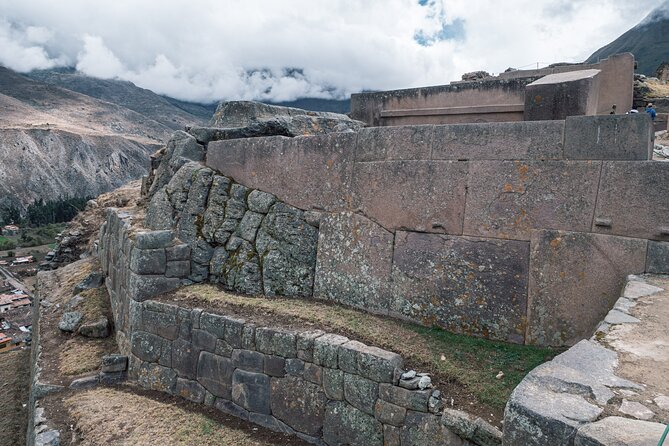
After lunch, you visit Ollantaytambo, described as a royal residence that also functioned as a fortress. This matters historically because Ollantaytambo is not just ruins, it’s built for defense and control of movement through the valley.
You’ll explore terraces and temples, then you get escorted to the station and board the train to Aguas Calientes. The train is listed as the Expedition category. The route along the Urubamba River gives you moving views of mountains, valleys, and Inca sites. If you selected an upgraded option, the itinerary notes the possibility of Vistadome panoramic service. Either way, the train is the calm bridge between “planning the day” and “being there.”
Arrival timing is early evening, around 6:10 pm, followed by check-in. Your evening is mostly yours. That’s a big deal because it gives you a chance to settle, grab something to eat locally if you want, and take a breath before Machu Picchu day.
Machu Picchu guided tour: Condor Temple highlights and time to breathe
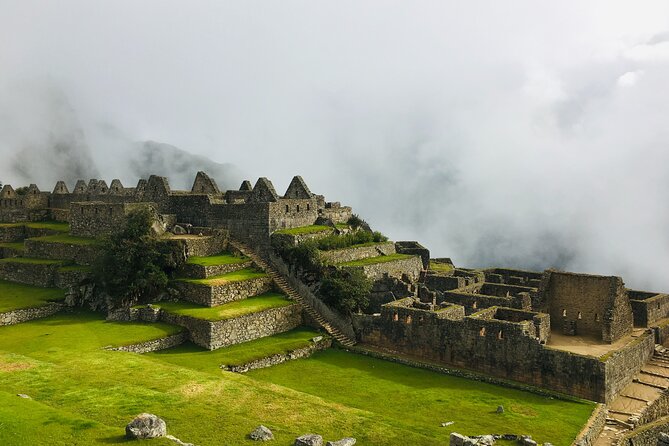
Day 2 starts with breakfast, then you head to the bus station for the ride up to Machu Picchu. The bus to the entrance is included, and from there you get a guided tour through the site’s temples, terraces, and key areas.
The tour highlights mention famous features including the Condor Temple, and the guide focuses on the stories and spiritual significance behind what you’re seeing. That guided context is worth it on Machu Picchu, because it turns “cool ruins” into a clear mental map of what the Incas were doing and why.
When the guided portion ends, you get spare time to explore on your own. This is where you can slow down for photos, take in the views, and linger where your feet find something interesting. Lunch after the tour is not included, so you’ll plan that part locally.
One more timing note: you’re not stuck forever. At 2:00 pm, you board the train back to Ollantaytambo, then private transport takes you back toward Cusco, with arrival expected around 6:00 pm. If you’re thinking about connecting travel the next day, this helps because you avoid a late, all-night return.
Price and logistics: what you pay for in the $599 plan
At $599 per person, you’re paying mainly for the big moving parts:
- Hotel pickup in Cusco
- Guided visits of Pisac, Ollantaytambo, and Machu Picchu
- Machu Picchu entrance included
- Train from Ollantaytambo to Aguas Calientes
- Bus from Aguas Calientes to Machu Picchu
- Private transport back from Ollantaytambo to Cusco
Two important “not included” items to plan for:
- Huayna Picchu and Machu Picchu mountain tickets (optional)
- Hot springs of Aguas Calientes (optional)
Also, remember Pisac archaeological site admission is not included. And lunch on Day 2 is not included, even though Day 1 includes lunch.
Is the price a good value? For most people, yes, because you’re outsourcing the scheduling stress around transport, site entry, and the train/bus timing. The trade-off is you still have a few add-ons to handle yourself, especially if you want extra mountain viewpoints or you end up wanting hot springs time.
If you like a mostly organized trip but still want the freedom to roam at Machu Picchu after the guide, this price structure usually fits well.
How your guide changes the feel: names like Ruben and Elvis
One of the strongest signals from real feedback is how much the guide matters. Ruben is praised for being extremely knowledgeable and kind, with smooth day management and good photo timing at Machu Picchu. Elvis also appears in feedback as helpful and friendly, with an emphasis on making the whole day run well.
Other guides are described with different vibes too, like Pedro for a relaxed pace that avoids rushing, and Cesar for a quieter, more personal tone at holy sites. That variety is a good sign. It means you’re not just buying a script, you’re getting a person who can shape how you experience the place.
My advice: if you have specific needs, tell the guide directly at the start. Ask about pace, photo stops, and what to expect at the Machu Picchu entrance. Guides who manage calmly usually do best when you communicate early.
Small-group pacing and a smart photo strategy at Machu Picchu
Machu Picchu gets busy, but smaller groups can help you dodge some of the worst crowd pressure. You’ll still want a strategy.
Here’s what I’d do based on how the tour is structured:
- Use the guided portion to learn the layout and hit the major viewpoints efficiently.
- Save your slower photos for the spare time after the tour ends. That window is when you can step back, wait for light, and take pictures without listening to instructions.
- Wear shoes you can trust on uneven stone. You’ll be walking, and rushing makes it harder to notice details like terrace edges and temple angles.
Also, bring a few layers. Even if it’s warm in Cusco, higher sites can feel cooler, and fog or clouds can roll in fast. Being able to add or remove a layer keeps you comfortable all day.
Should you book this Sacred Valley and Machu Picchu train tour?
Book it if you want:
- A 2-day plan that handles key transport and site entry
- A small group experience with guided context at Pisac, Ollantaytambo, and Machu Picchu
- A train route from the Sacred Valley down to Aguas Calientes that breaks up the travel instead of doing it all by bus
Consider a different option if:
- You plan to hike Huayna Picchu or Machu Picchu mountain and you want those tickets included
- You hate any extra admissions, because Pisac archaeological site entry is not included
- You prefer fully independent logistics, since this tour is built around a set schedule and guided pacing
If your goal is a smooth, structured train day to Machu Picchu with enough room to enjoy yourself (and not just survive the itinerary), this is a strong match.
FAQ
What is included in the tour price?
The tour includes breakfast and lunch, guided tours of Pisac, Ollantaytambo, and Machu Picchu citadel, entrance ticket to Machu Picchu citadel, train from Ollantaytambo to Aguas Calientes (Expedition category), bus from Aguas Calientes to Machu Picchu, private transport from Ollantaytambo to Cusco, and pickup from your Cusco hotel.
Is the bus to Machu Picchu included?
Yes. The bus ride from Aguas Calientes to Machu Picchu is included.
Are Machu Picchu mountain or Huayna Picchu tickets included?
No. Entrance tickets to Huayna Picchu mountain and Machu Picchu mountain are not included and are optional.
Is lunch on the second day included?
No. Lunch on the second day is not included. You’ll have time for lunch after your guided Machu Picchu visit, but you’ll pay for it separately.
Do I need to pay for Pisac archaeological site admission?
Yes. Admission to the Pisac archaeological site is not included.
What time does the tour start in Cusco?
The activity starts at 7:00 am at the meeting point in Cusco (Plaza Regocijo area).
How many people are in the group?
The tour is set for a maximum of 9 travelers.
What is the cancellation policy?
Free cancellation is available if you cancel up to 24 hours in advance of the experience start time for a full refund.
More Trains to the Mountain
- Cusco: Machu Picchu 2-Day Inca Trail with Panoramic Train
★ 4.9 · 260 reviews - The First Class Machu Picchu Train by Inca Rail
★ 4.0 · 182 reviews - From Cusco: 1-day Machu Picchu Tour by Train
★ 4.6 · 138 reviews - 2-Day Machu Picchu Tour by train from Cusco ( All included )
★ 5.0 · 85 reviews - Machu Picchu: 5-Day Salkantay Trek with Panoramic Train
★ 5.0 · 79 reviews
Keep Going Down the Valley
- Cusco: Sacred Valley, Pisac, Ollantaytambo, Salt Mines Moray
★ 4.6 · 1,058 reviews - Cusco:Chinchero,Moray & Salt Mines drop-off in Ollantaytambo
★ 4.8 · 793 reviews - Sacred Valley: Chinchero, Moray, Ollantaytambo & Pisac+Lunch
★ 4.8 · 501 reviews - Sacred Valley: Maras & Moray by Quad Bike from Cusco
★ 4.6 · 418 reviews - Pisac Indian Market and Ollantaytambo Fortress with Lunch
★ 4.5 · 395 reviews
Machu Picchu, Three More Ways
- From Cusco: Full-Day Group Tour of Machu Picchu
★ 4.7 · 1,767 reviews - Machu Picchu Day Trip from Cusco
★ 4.5 · 1,644 reviews - Machu Picchu: Full-Day Tour from Cusco with Optional Lunch
★ 4.6 · 927 reviews - Cusco: 4-Day Inca Trail to Machu Picchu with Accommodation
★ 4.8 · 432 reviews - From Cusco: 2-Day Trip to the Sacred Valley and Machu Picchu
★ 4.6 · 265 reviews
Fresh in from Cusco


Machu Picchu & Aguas Calientes Tours, compared.
 ★ 4.7Full-Day Group Tour of Machu PicchuFrom $3211,767 reviews
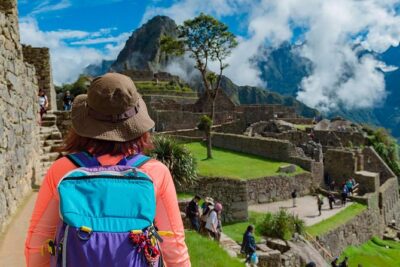 ★ 4.5Machu Picchu Day Trip from CuscoFrom $3361,644 reviews
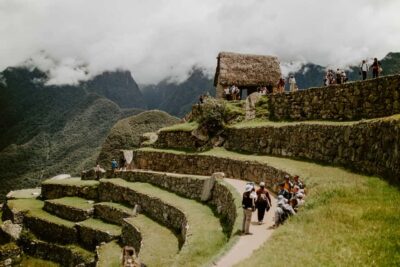 ★ 4.6Machu Picchu: Full-Day Tour from Cusco with Optional LunchFrom $283927 reviews
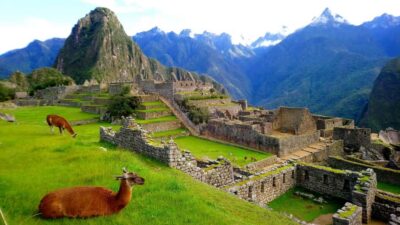 ★ 4.84-Day Inca Trail to Machu Picchu with AccommodationFrom $470432 reviews
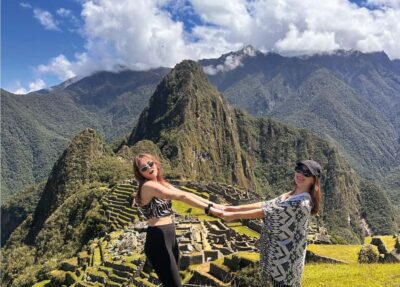 ★ 4.62-Day Trip to the Sacred Valley and Machu PicchuFrom $370265 reviews
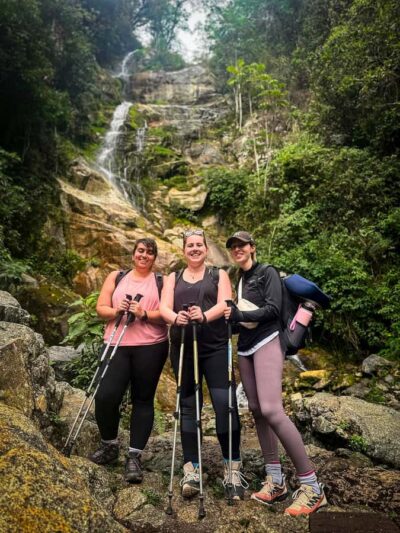 ★ 4.9Machu Picchu 2-Day Inca Trail with Panoramic TrainFrom $582260 reviews
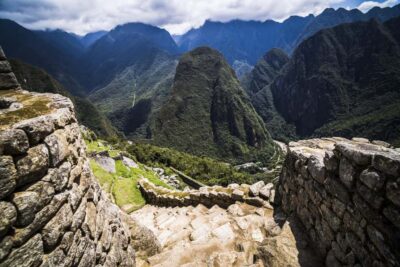 ★ 4.22-Day Inca Trail to Machu PicchuFrom $290244 reviews
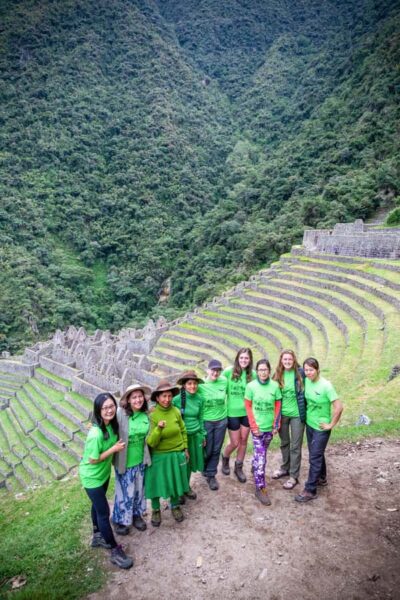 ★ 4.9Machu Picchu: Inca Trail 2-Day Overnight Guided TourFrom $585203 reviews
Browse the lists this tour appears in