
REVIEW · CUSCO REGION DAY TRIPS
Visit to the Cochahuasi Animal Sanctuary with rescued animal
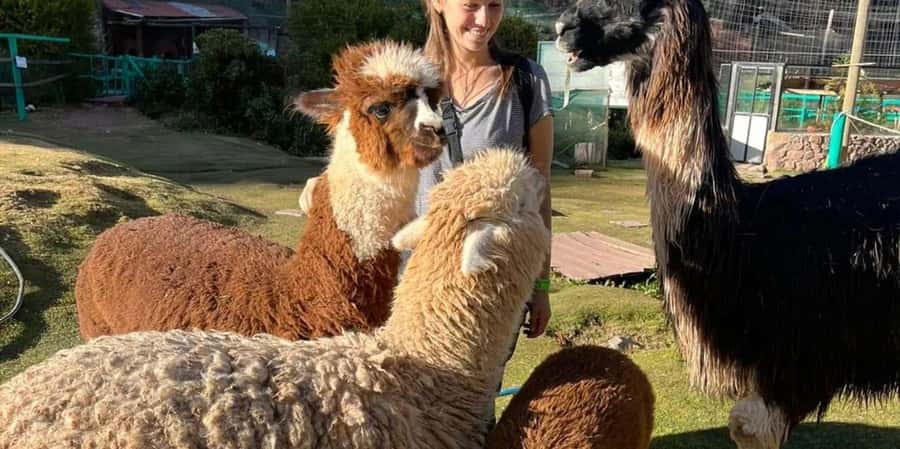
Rescued animals have stories worth hearing. This 3 hour Cochahuasi visit blends animal rescue education with hands-on moments, like VIP animal houses and llamas and alpacas time. You will hear the backstories behind mountain and coastal jungle rescues, but be prepared for some parts that feel sad.
I like that the experience is run with care and clear purpose. A professional wildlife specialist guides you, and you also get to participate in animal-focused activities like feeding and enrichment. The good cause aspect matters here, because your visit helps give these animals a second chance, and it keeps the education mission going.
Key Points You Should Know Before You Go
- VIP animal houses are part of the visit, not just a quick outside look
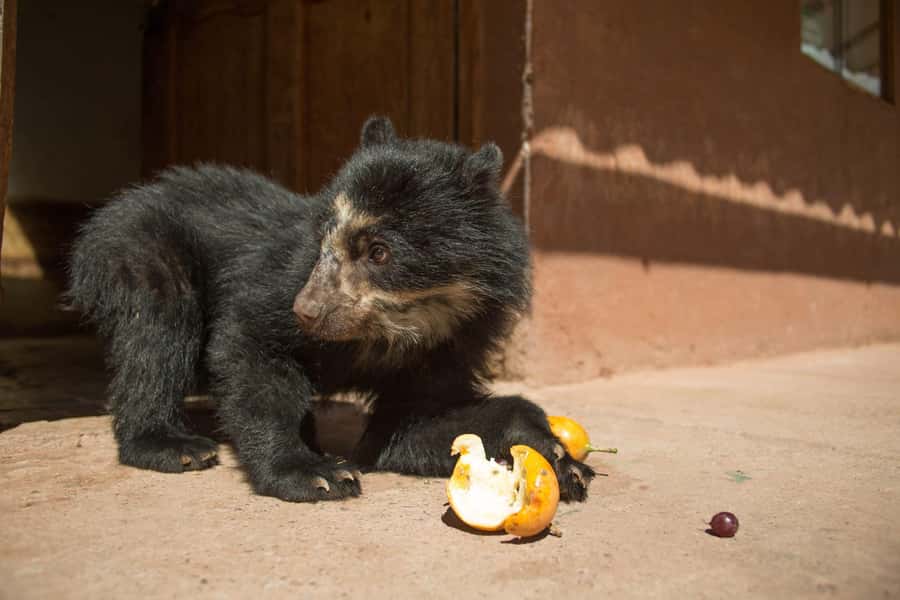
- You’ll meet a mix of rescued species, including Andean spectacled bears and pumas
- The schedule includes real interaction time, including llamas and alpacas
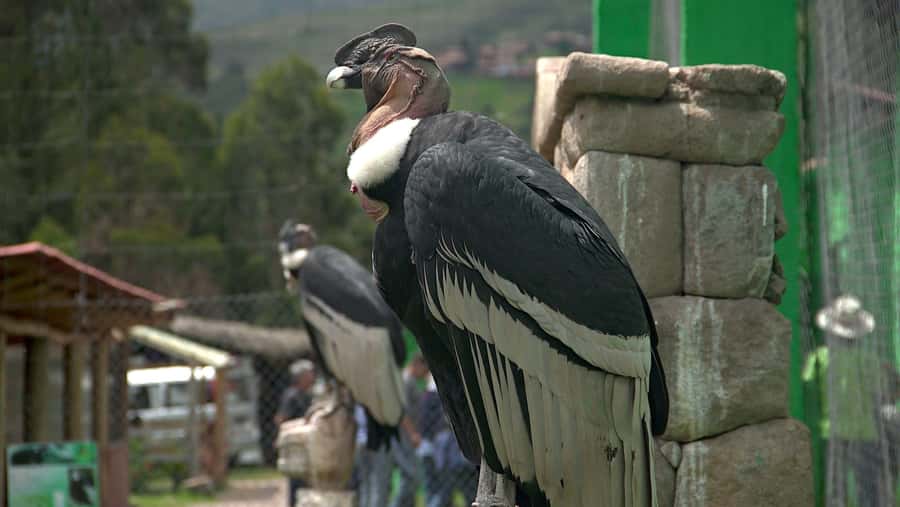
- You’ll learn about conservation work, including releases and past tech-assisted efforts like a 2019 male Andean condor
- Expect a short, focused outing, with sanctuary time plus a brief free window
How The Cusco Pickup Turns Into Animal Rescue Education
This is one of those Cusco activities that starts like a normal day trip and then quickly becomes more meaningful. You are picked up from your Cusco hotel, then you ride about 30 minutes by car out of the city. That drive matters, because it signals you are leaving the busy tourist center and heading to a place built for rescued animals.
Once you arrive, you join a team of empathetic people with a big focus on education. The sanctuary visit itself is not a long, wandering day. It is timed, structured, and designed so you learn something during the walk through the animal areas, then you get a short break where you can take in what you just saw at your own pace.
Where Cochahuasi Fits In Peru’s Wildlife Story
Cochahuasi Animal Sanctuary brings together animals from different ecosystems across Peru. You do not just see one type of habitat. You get a sense of the variety of species from the mountains and coastal jungle, with each animal having a rescue story that explains why it ended up in care.
That variety is part of why this visit feels different from a standard animal park. You can connect the dots between conservation and daily reality. If an animal needs protection due to injury, illegal trade impacts, or other threats, a sanctuary becomes the bridge between harm and a safer future.
I also like that the emphasis stays on respect for animals. It is not about getting a perfect photo and moving on. The goal is to leave with a better understanding of why these animals cannot simply go back into the wild without support.
Meet Rescued Species Like Andean Spectacled Bears, Pumas, and Macaws
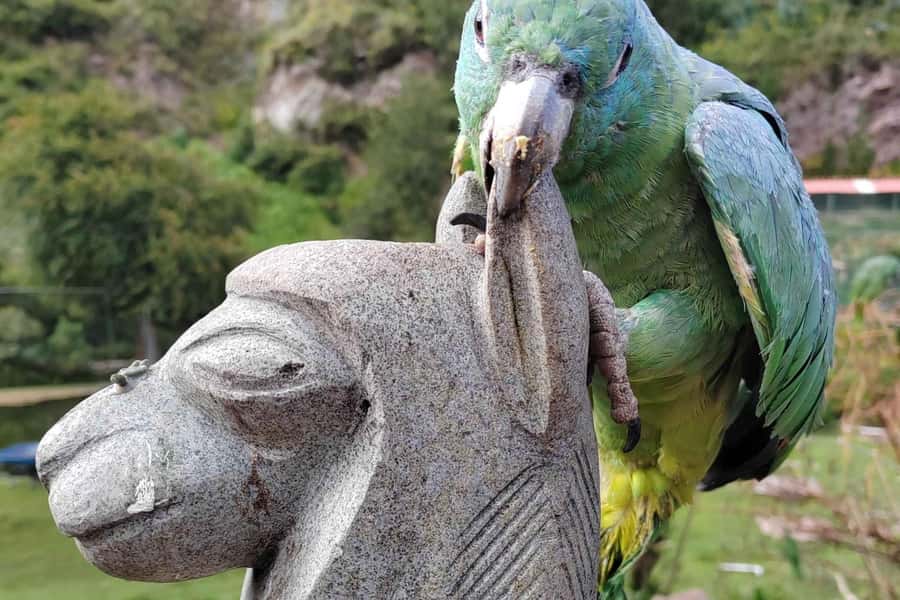
As you move through the sanctuary, you will see a great variety of species. The highlights listed for this experience include Andean spectacled bears, pumas, and macaws, along with monkeys and other animals.
What makes this section worth your time is the way the stories shape your attention. When you hear why an animal ended up there, you stop treating the visit like entertainment. Instead, you start noticing how each species is handled, cared for, and protected.
You should also know what this does to your expectations. Some rescue backgrounds are described as slightly sad. That is not meant to shock you. It is meant to make you more aware of conservation needs and why animal respect is not optional. If you struggle with heavy topics, you might want to mentally prepare for that mood.
VIP Animal Houses: Why Access Matters More Than You Think
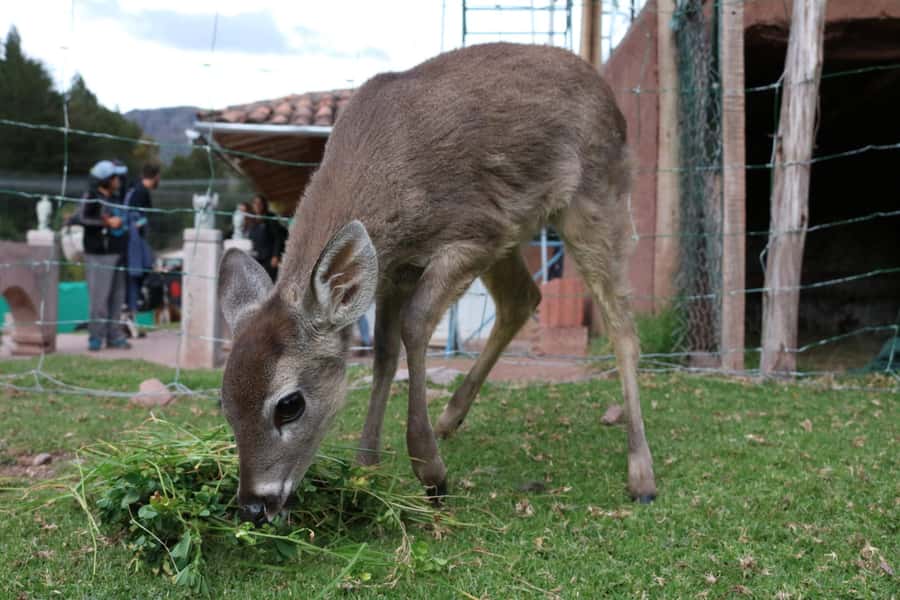
One of the most valuable parts is the access to VIP animal houses. This is not just a casual viewing space. It is specifically included, and it gives you a closer look at how rescues are managed.
From a practical perspective, this kind of access changes how you interpret what you see. You get to witness the behind-the-scenes care approach that would be easy to miss if the visit stayed on public walkways. It reinforces the idea that sanctuaries are ongoing work, not a one-time rescue moment.
If you love animals and you also care about how care systems work, this stop is the point where the experience becomes more than a checklist. You are seeing how the sanctuary supports animal welfare and daily needs.
Feeding and Enrichment, and Why Hands-On Time Feels Different Here
Included in your tour experience are activities like food for animals and enrichment for animals. Even without a long hands-on session, doing this type of work changes the tone. You are not just watching from a distance. You are participating in the sanctuary mission in a small, meaningful way.
Enrichment is especially important to understand. It is not about spectacle. It is about helping animals stay engaged, healthier, and calmer by offering stimulation that fits their needs. Your role here is brief, but it nudges you toward thinking like a caregiver.
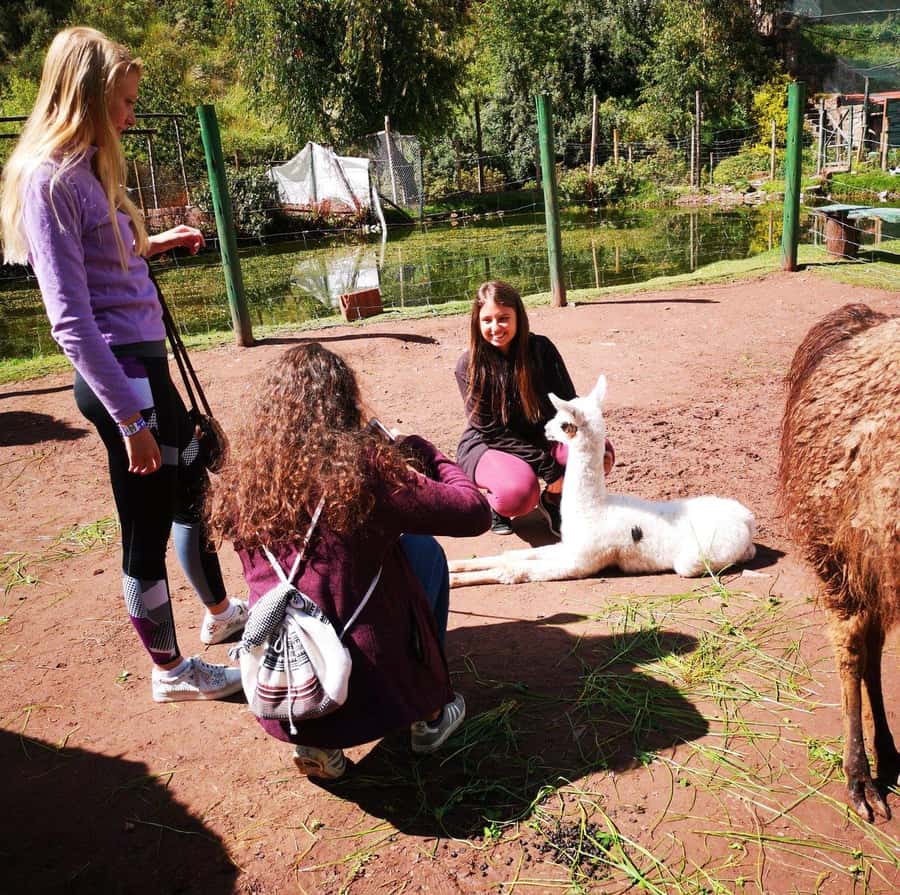
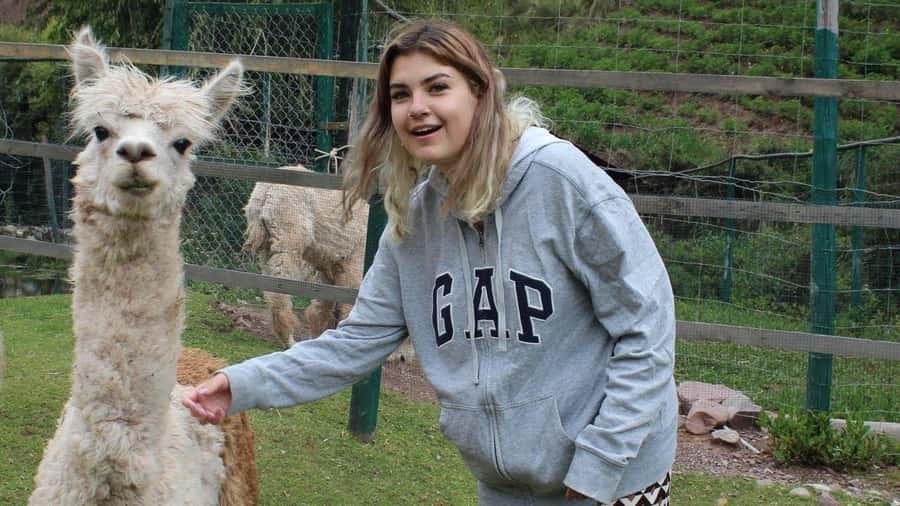
Also, you get a chance for interaction with llamas and alpacas. This part is a welcome contrast after the heavier stories and bigger predator species you may see. It helps balance the emotional arc of the tour and gives you a simpler, gentler animal moment to hold onto.
The Llama and Alpaca Interaction Time Window
The tour plan includes interaction with llamas and alpacas, and you also get a small free time slot during the sanctuary visit (about 20 to 25 minutes). That free time matters because it lets you process what you just learned instead of rushing straight through everything.
If you are planning your trip, treat this as a short pause, not a long break. You are still on a guided schedule, and the day is paced to keep the overall experience to about 3 hours total. Bring your curiosity, and use the free time to ask quiet questions or revisit the animal areas that grabbed your attention.
A Conservation Detail That Sticks: The 2019 GPS Andean Condor
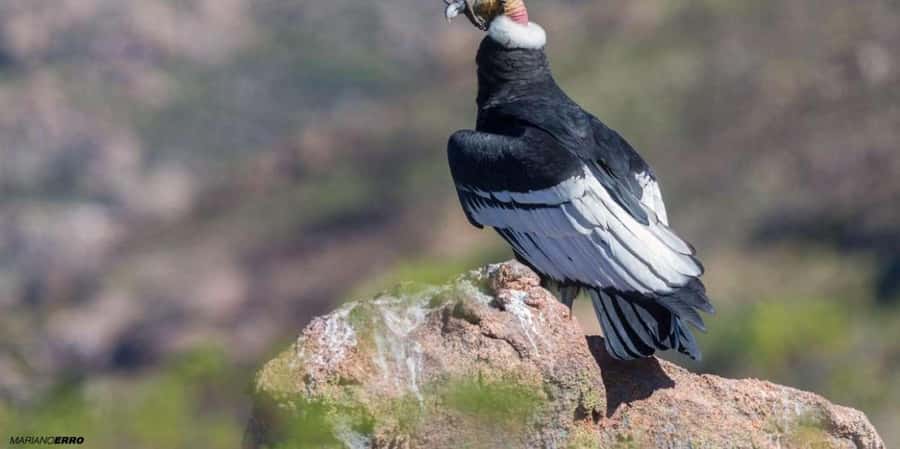
One of the most unique conservation points shared in this experience is about animal releases and tracking. The sanctuary mission includes education, but it also works on releasing some animals that are in danger of extinction.
A specific example included is from 2019, when a male Andean condor was released with a GPS and satellite system. That detail is important because it shows how release programs are not blind optimism. They involve monitoring and follow-up, because survival in the wild is complicated.
Even if you are not a technical person, the key takeaway is clear: conservation today often combines rescue care with science, tracking, and ongoing support. Hearing a concrete example like the condor helps the whole mission feel grounded, not just like a general promise.
What the 3-Hour Timing Really Means for Your Day
The total duration is listed as 3 hours, which is a big reason this works well as a half-morning or half-afternoon activity in Cusco. You are not signing up for a long, slow excursion that ties up the entire day.
Here is how the timing likely feels based on the breakdown: you have pickup and round-trip travel to the sanctuary area, then you spend 40 minutes to 1 hour in the sanctuary tour portion. After that, you have 20 to 25 minutes of free time. The rest of the 3 hours is travel, coordination, and wrap-up.
The trade-off is also clear. You will not see everything at a leisurely pace for hours. If you want a deep, all-day sanctuary immersion, this might feel short. But if you want something purposeful, well-paced, and manageable, the timing is a strong advantage.
The Craft Stop at the End: Support Without Losing the Focus
At the end, you are taken to an area of products and crafts. This is not the core of the sanctuary experience, but it can be a practical add-on if you like to bring home a small souvenir that supports local people.
Keep your priorities straight: the sanctuary work is the reason you booked. The craft area is a bonus, so set yourself a simple spending limit if you want to stay focused on value. Also, note that gifts are not listed as included, so any purchases are fully optional.
Price and Value: Is $50 Fair for a Sanctuary Visit?
The price is $50 per person for this 3-hour experience. For Cusco, that cost often buys you transportation plus a guide, but here you also get more animal-centered value than many standard tours.
What makes it feel like decent value is the combination of:
- Hotel pickup and drop-off, which saves you from figuring out local transport
- A professional wildlife specialist guide, which upgrades the learning portion
- Access to VIP animal houses
- Included participation like feeding and enrichment
- An included interaction time with llamas and alpacas
One small caution: tickets to the animal sanctuary are listed as not included. That seems a little confusing given that VIP animal houses access is included. When you book, ask the operator to confirm exactly what you are paying within the $50 package and whether any separate sanctuary ticket is required on the day. That simple check can prevent a stressful surprise.
Overall, I think $50 makes sense when you treat this as a rescue support and education experience, not just a viewing activity.
Who Should Book This Cochahuasi Visit (and Who Might Not)
I think this tour is a great match if you:
- Care about animals and want education that comes with real rescue context
- Like the idea of sanctuaries with active conservation goals, not just passive exhibits
- Want a manageable Cusco outing that still includes meaningful animal time
It may not be the best fit if you:
- Are very sensitive to sad rescue stories
- Prefer long, unstructured time over a timed, guided visit
- Want a purely relaxed day with minimal guidance
This is best for people who like asking questions and learning how conservation works in real life, in a specific place.
Should You Book Cochahuasi Animal Sanctuary With Rescued Animals?
If you want an honest, purpose-driven wildlife experience in Cusco, I recommend booking this. The biggest reasons are the included VIP animal houses, the chance to participate in feeding and enrichment, and the clear conservation focus that includes releases and tech-assisted monitoring like the 2019 GPS tracked male Andean condor.
Just go in with the right emotional expectations. You are looking at rescued animals with real histories, so it can feel heavy. If you handle that with empathy, you will leave with a deeper understanding of why sanctuaries exist and why your support matters.
FAQ
How long is the Cochahuasi Animal Sanctuary experience?
The total experience lasts 3 hours. The sanctuary tour portion lasts from 40 minutes to 1 hour, and there is free time of about 20 to 25 minutes.
Where is it located and how do I get there?
It is in the Cusco Region, Peru. You are picked up from your hotel in Cusco and taken to the sanctuary by car for about 30 minutes.
What is included in the price?
Included items are hotel pick-up and drop-off, a professional wildlife specialist guide, round-trip transportation to the sanctuary area, interaction with llamas and alpacas, food for animals, access to VIP animal houses, and enrichment for animals.
What is not included?
Not included are gifts, food and drinks, and tickets to the animal sanctuary.
What animals will I see?
You can expect a variety of species, including Andean spectacled bears, pumas, macaws, and monkeys.
What languages is the guide available in?
The live tour guide is available in Spanish and English.
Are there cancellation and flexible booking options?
Yes. You can cancel up to 24 hours in advance for a full refund, and you can reserve now and pay later.
Cusco Region Day Trips, compared.
 ★ 5.03-Hour Horse Riding Tour to the Temple of the MoonFrom $65105 reviews
 ★ 5.0Horse Riding Chacan Mountain And Temple Of The MoonFrom $6578 reviews
 ★ 4.5Cochahuasi Animal Sanctuary® Admission TicketFrom $1074 reviews
 ★ 4.1SOUTH VALLEY CUSCOFrom $2056 reviews
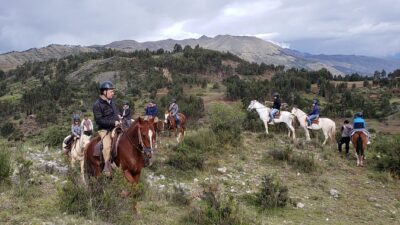 ★ 5.0Horseback Tour in cusco to Temple of the Moon & Hidden templesFrom $6554 reviews
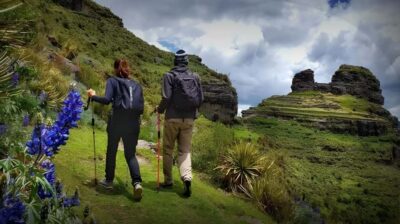 ★ 4.51 day excursion to WaqrapukaraFrom $5023 reviews
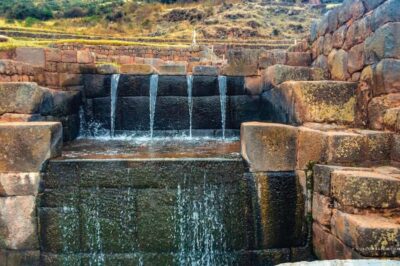 ★ 4.2Cusco South Valley: Morning Half Day TourFrom $2915 reviews
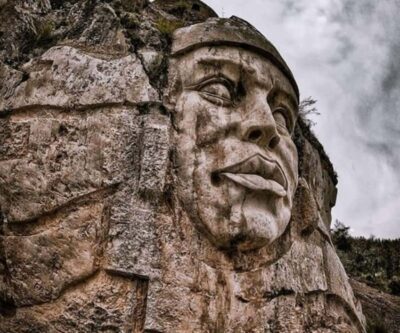 ★ 3.9New attraction Morada de los dioses in ATVsFrom $3313 reviews
Browse the lists this tour appears in