
REVIEW · MACHU PICCHU & AGUAS CALIENTES TOURS
Small Group: 4-Day Inca Trail Trek to Machu Picchu
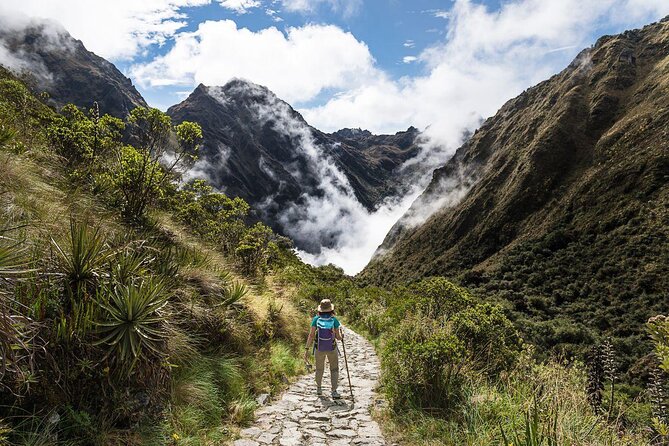
Four days, one epic staircase. This small-group Inca Trail trek to Machu Picchu is built for real people, with camping support and an early push toward the Sun Gate. You get the UNESCO site moment without feeling like you joined a moving bus tour.
I especially like two things. First, the small-group limit (maximum 10 travelers, described as up to 12 total) keeps the hike calmer and the guide time more personal. Second, the price covers the big moving parts you normally worry about, including hotel pickup, transport to Km 82, return train and van to Cusco, and admission tickets, plus chef-prepared meals.
The main drawback is the physical challenge. You’ll climb to high passes like Abra de Warmihuañusca (Dead Woman’s Pass) at 4,215 masl, and the days run long, with changing weather and altitude fatigue. If you have back issues, heart disease, or serious medical conditions, this isn’t a good match.
Key highlights I’d bet on
- Small group on a regulated trail: the Inca Trail is limited to 500 people per morning (including hikers, guides, porters, cooks), and this tour keeps your group size tight.
- Hotel pickup plus return transport: bus to Km 82, then train and bus back to Cusco, so you’re not solving logistics while tired.
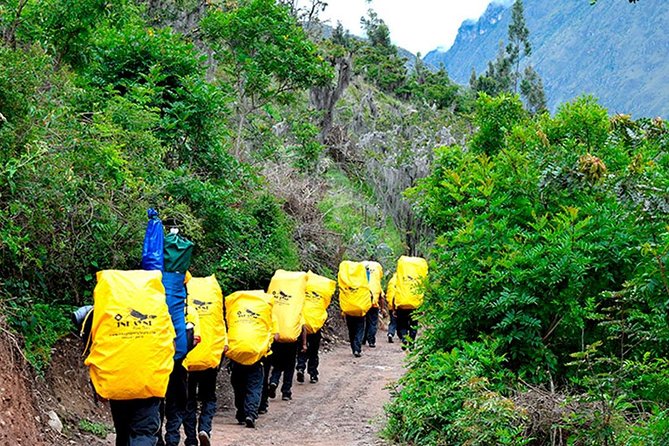
- Camping support that reduces the burden: porters carry cooking and camping equipment, and you get a personal porter for up to 5 kg.
- Comfort touches on the trail: inflatable mattress, spacious tents (4 man tents used by two people), hot water each morning, and an oxygen bottle.
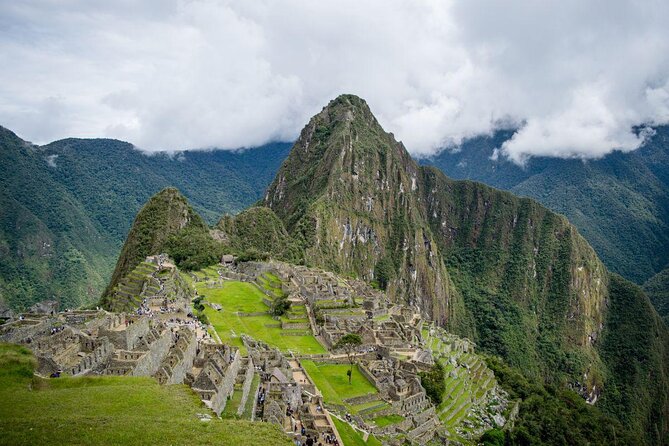
- Machu Picchu timing through Inti Punku: you finish the last hike into the Sun Gate area early, with sunrise possible depending on weather.
- Food that keeps you going: the chef setup is repeatedly praised, with hearty, comforting multi-course meals on the mountain.
Other ways into the citadel, side by side
- Machu Picchu Day Trip from Cusco★ 4.5 · 1,644 reviews
- Machu Picchu: Full-Day Tour from Cusco with Optional Lunch★ 4.6 · 927 reviews
- Cusco: 4-Day Inca Trail to Machu Picchu with Accommodation★ 4.8 · 432 reviews
- From Cusco: 2-Day Trip to the Sacred Valley and Machu Picchu★ 4.6 · 265 reviews
Cusco mornings start early at 5:00 am
This trek begins with a proper early start. You meet at 5:00 am, then your hotel pickup takes you out of central Cusco and into the scenic approach toward the Sacred Valley.
This matters more than it sounds. Leaving early helps you get to Km 82 and start hiking while conditions are steadier, and it also reduces the chance your day becomes a chaotic shuffle of schedules. After a long multi-day trek, predictable timing is a big comfort.
The Sacred Valley drive to Km 82, plus Wilka Rakay views
Your first day is a mix of road time and a gentle ramp into the Andes. The private bus route runs through places like Chinchero, Urubamba, and Ollantaytambo, and after about 2.5 hours you reach Km 82, the official start point.
Then the trek portion begins with an ascent toward Wilka Rakay. From up here, you’ll get big views tied to the Inca world, including sightlines toward Patallacta and the Kusichaca Valley. This is one of those moments where the scenery makes sense, because you’re physically moving along terrain shaped by centuries of Inca planning.
Late afternoon, you reach Wayllabamba at around 3,000 masl and set up camp. This is a relief point, not just a stop. You’ll settle into a dining tent setup with tables and chairs, eat dinner, and rest while your team handles the camp rhythm.
Day 1 typically runs about 5 hours of hiking. If you pace smart and don’t charge uphill in a sprint, this day feels like you’re being introduced to the trek, not crushed by it.
Day 2 is about Dead Woman’s Pass and cloud forest air
Breakfast comes before the hardest climb of the classic Inca Trail rhythm. You start with about one hour up to Tres Piedras (The Three Stones), then the trail opens into cloud forest.
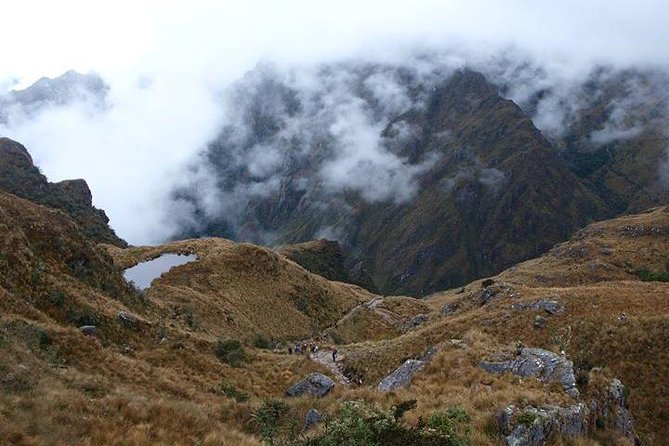
Cloud forest on the Inca Trail is a real change of tempo. You often feel the air turn cooler and the vegetation thicken, so your body stops fighting the same kind of sun-baked heat. It’s still work, but the hike feels different, like the landscape is switching modes.
From there, you’re aiming for the big milestone: Abra de Warmihuañusca, the Dead Woman’s Pass at 4,215 masl. This is the highest point on the trek described for this itinerary, and it’s the moment most people remember because it combines altitude stress with panoramic payoff.
After crossing the high grassland, the day shifts into descent toward Pacaymayo at about 3,600 masl. This matters, because descending is easier on your altitude brain than grinding uphill, but it can still hammer your knees if your stride gets sloppy. Good hiking technique helps a lot here, especially when surfaces get uneven.
Day 2 runs around 7 hours. When you reach camp, you can finally exhale. You’ll unwind, eat, and sleep knowing the toughest high point is behind you.
Day 3 connects ruins, ridgelines, and Phuyupatamarca passes
Day 3 starts with climbing, but it’s a different kind of climbing. You first go up about 45 minutes to Runkurakay, an ancient resting site tied to Inca travel. Then you climb another 45 minutes to Runkurakay Pass at roughly 4,000 masl.
From the pass, you descend toward Sayacmarca ruins. These ruins feel more than scenic, because the stones are built on a steep mountainside. You’re not just seeing ancient structures, you’re reading how the Incas made use of vertical terrain.
Then comes a key break: you’ll reach a lunch spot at Chaquicocha and continue onward. After lunch, the trail again enters a high Andean cloud forest, with lush plant life and the kind of mountain quiet that makes you pay attention.
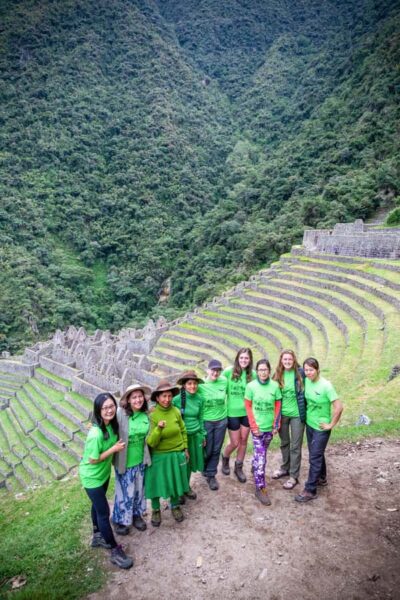
You’ll follow a narrow ridge leading to Phuyupatamarca Pass, where the view opens toward the Sacred Valley and the peaks you’ve been circling all week. The descent continues past ceremonial areas and agricultural terraces, then you finish the day at Wiñayhuayna.
Wiñayhuayna is your final campsite before Machu Picchu. That’s not just a milestone label, it’s psychological. After three days of climbing and cloud-forest walking, reaching Wiñayhuayna feels like you’re almost there, because you are.
Day 3 runs around 8 hours. This is the day where I’d expect your energy to vary most depending on how your body responds to altitude.
Still weighing up the trail? More Inca Trail departures
Day 4 into Inti Punku, sunrise chances, and Machu Picchu terraces
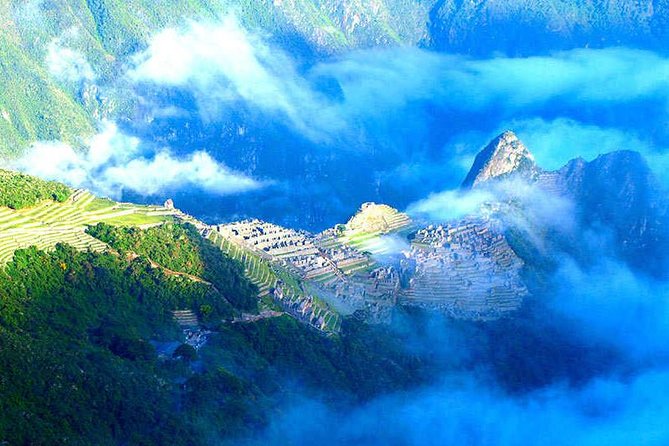
Day 4 begins before the sun does its full job. The plan is to complete the final trek into Inti Punku (Sun Gate), which is the doorway viewpoint to Machu Picchu.
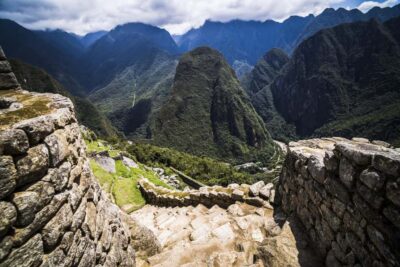
From the trail, you’ll reach Inti Punku in about one hour. Weather permitting, you can catch the sunrise over the Andes, then see Machu Picchu for the first time from the classic viewpoint. Even if the clouds play games, the entrance walk has that charged feeling because you’re arriving at the site on foot, with days of effort behind you.
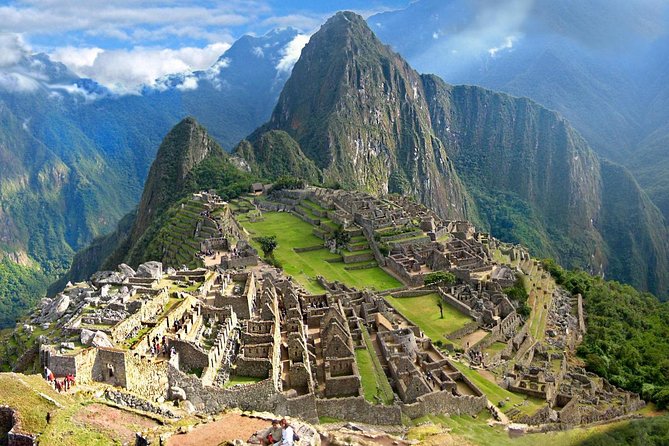
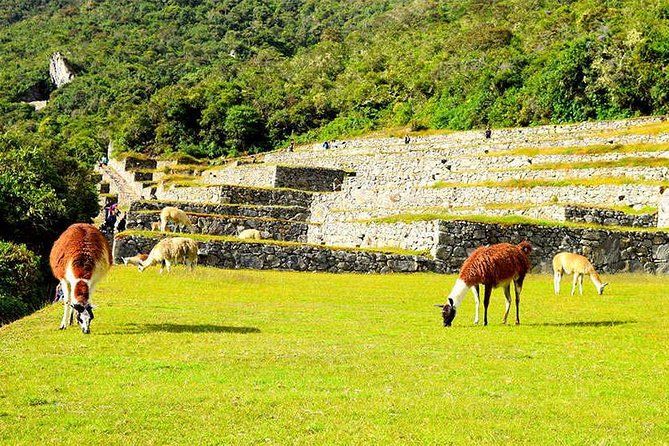
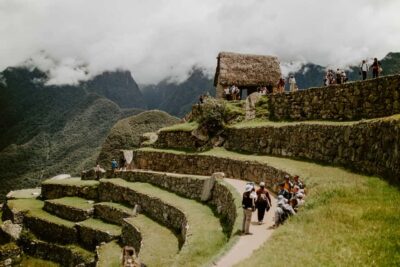
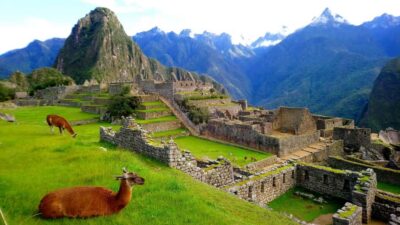
After Inti Punku, you descend about 45 minutes to the upper terraces, where you can focus on classic photos and the broad layout of the city. At that point, you’ll return to Aguas Calientes for a break and lunch.
Then the tour handles the onward transport. You board your train to Ollantaytambo, and a private van brings you back to Cusco. It’s a smart finish, because you’re not stuck figuring out connections after four days of walking.
What you really get for $850, and why it feels fair
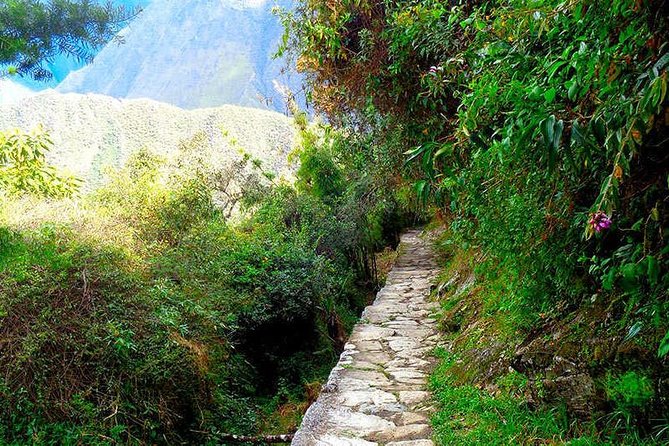
At $850 per person, this trek is not cheap. But it’s also not just a guided hike. The value shows up in the way the hardest logistics are bundled and in the equipment support that protects your energy.
Here’s what’s included, and why it matters:
- Guide and camp team: a professional English-speaking guide, plus a chef and porters for cooking and camping equipment.
- Your personal load is reduced: you get a personal porter for up to 5 kg, so you’re not dragging the whole camp with you.
- Comfort basics are handled: inflatable sleeping mattress, inflatable pillow (you carry it), and hot water every morning.
- Campsite living is organized: dining tent with tables and chairs, first aid kit, and an oxygen bottle.
- Admissions and key transport pieces: admission tickets are included on the days covering the trail and Machu Picchu, plus bus to Km 82 and return train and bus to Cusco.
In plain terms, this tour is paying for the stuff that usually ruins people’s trip experience. Your guide is the buffer against getting lost or moving too fast. The porters reduce your physical burden. The included tents and pads help you sleep better, which makes the next day survivable.
What’s not included is also clear. You’ll need to arrange your own sleeping bag rental, and you’ll need to bring water during the first 4 hours when the trail water is not provided. If you forget either, you’ll feel it immediately.
Small-group pacing, guides like Freddy, and the Chasquis effect
This is run as a small-group trek with a cap around 10 travelers. That limit changes the vibe. You’re less likely to lose people in the crowd, and your guide can stop for questions without turning it into a traffic jam.
The guide quality is also a major part of why this trek gets high marks. In the provided experience details, guides including Papa Freddy, Freddy, Paul, Edwin, Herlin, and Ronald Ccana Sotalero are named for being engaging, and for connecting Inca culture to what you’re walking through. You’ll likely hear story-driven explanations tied to ruins along the route, not random facts read off a card.
The camp team also comes up again and again. You’ll see the Chasquis and porters doing heavy work with real care. That matters because when the camp is running smoothly, you can focus on resting and recovering, not problem-solving.
And yes, the chef is a big deal here. Multiple named chefs, like Sabino, Nazario, Herminios, and Mario, are credited with making meals that are both substantial and comforting during a very demanding hike. That kind of food is not a luxury, it’s fuel.
Packing for changing weather and high passes
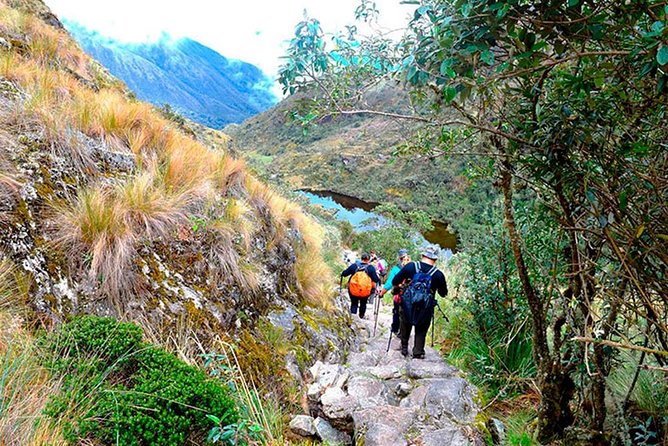
This trek is described as moderate fitness, but it’s still a serious physical challenge. You’re going to be walking in a range of mountain conditions, and you’ll reach multiple high points, including:
- Abra de Warmihuañusca at 4,215 masl
- Runkurakay Pass at about 4,000 masl
So pack like you’re planning for real weather, not just sunshine. The essentials you’re told to bring include:
- Walking boots
- Waterproof jacket or rain poncho
- Warm jacket
- Hat and gloves
- Sunscreen factor 35 or higher
- Insect repellent
- Toiletries and hand sanitizer
- Personal medication
- A torch with spare batteries
- A current passport for the day of travel
- ISIC card if you qualify for student discount
Also plan for your own gear comfort. You’re issued a lot of camp comfort items (mattress, tent, hot water each morning), but you still need to handle your own sleeping bag rental. And you’ll carry the inflatable pillow, since it’s included but not magically hauled onto your back.
Finally, don’t treat altitude as a checklist item. If you have back problems, heart disease, or other serious medical conditions, the tour notes it is not recommended. If you’re unsure, talk with a medical professional before you commit.
Machu Picchu add-ons: Huayna Picchu and Machu Picchu Mountain tickets
Your final destination includes Machu Picchu entry, but the optional viewpoints cost extra if you want them.
The tour notes:
- Inside the citadel: there’s an optional guided tour, and it may require an extra ticket for re-entry to Machu Picchu.
- Huayna Picchu: not included, entrance costs extra, and you may need to pre-book.
- Machu Picchu Mountain: also optional, not included, and you may pre-book if you want that panoramic angle.
This is the part where I recommend you decide based on your energy on Day 3. If you’re already feeling altitude fatigue, an extra climb might be a bad trade. If you feel strong, these hikes can add a big view moment to a day that’s already packed.
Briefings and dietary needs, handled before the trail
Before you even step onto the Inca Trail, you’ll get a briefing 1 or 2 days prior. If you have dietary requests like vegetarian meals, you can notify the operator so the chef can plan ahead.
This helps in a subtle way. When food is consistent with your needs, you’re less likely to skip meals or rely on random snacks that don’t agree with your stomach. On a trek like this, that’s the difference between feeling okay and feeling wrecked.
Should you book this Inca Trail trek with Inkayni Peru Tours?
Book it if you want an easy-to-manage plan with a small group, included camping support, and a guide experience centered on the places you pass through. The combo of hotel pickup, Km 82 access, admission tickets, and return transport makes this a strong choice for travelers who don’t want to wrestle logistics while carrying jet lag.
Skip it, or at least think twice, if you’re not ready for sustained high-altitude hiking. The itinerary climbs to major passes like Dead Woman’s Pass, and the day lengths add up fast.
If you’re physically prepared and you like the idea of reaching Machu Picchu through Inti Punku with sunrise possible, this is a smart value-focused way to do it.
FAQ
What time does the tour start?
The meeting start time is 5:00 am, with hotel pickup from Cusco.
How many people are in the group?
The tour is described as a small group with a maximum of 10 travelers. It also states a maximum group size of 12 people in the included details.
What meals are included during the trek?
The tour includes breakfast (3), lunch (3), and dinner (3). Breakfast on Day 1, and lunch and dinner on Day 4 are listed as not included.
Is Machu Picchu admission included?
Yes. The Day 4 portion includes admission tickets for the Historic Sanctuary of Machu Picchu. Huayna Picchu is not included, and the tour also notes an optional extra cost may apply for a new ticket for re-entry if you want to go inside with a guided detailed tour.
Is a sleeping bag provided?
No. A sleeping bag is not included, but you can rent one from a local tour operator.
What fitness or health conditions should be considered?
The trek is recommended for travelers with moderate physical fitness. It is not recommended for participants with back problems, heart disease, or other serious medical conditions.
More Tour Reviews in Cusco
- Cusco: Humantay Lake Tour with Breakfast and Buffet Lunch
★ 4.9 · 2,976 reviews - From Cusco: Moray, Maras Salt Mines & Chinchero Weavers Tour
★ 4.8 · 1,925 reviews - From Cusco: Full-Day Group Tour of Machu Picchu
★ 4.7 · 1,767 reviews - Machu Picchu Day Trip from Cusco
★ 4.5 · 1,644 reviews - Cusco: Half-Day City Tour with Sacsayhuaman and Q’enco
★ 4.6 · 1,129 reviews
Other Inca Trail Departures
- Cusco: 4-Day Inca Trail to Machu Picchu with Accommodation
★ 4.8 · 432 reviews - Cusco: Machu Picchu 2-Day Inca Trail with Panoramic Train
★ 4.9 · 260 reviews - From Cusco: 2-Day Inca Trail to Machu Picchu
★ 4.2 · 244 reviews - Machu Picchu: Inca Trail 2-Day Overnight Guided Tour
★ 4.9 · 203 reviews - Short Inca trail to MachuPicchu || 2days – 1nigth ||
★ 5.0 · 103 reviews
Machu Picchu, Three More Ways
- From Cusco: Full-Day Group Tour of Machu Picchu
★ 4.7 · 1,767 reviews - Machu Picchu Day Trip from Cusco
★ 4.5 · 1,644 reviews - Machu Picchu: Full-Day Tour from Cusco with Optional Lunch
★ 4.6 · 927 reviews - Cusco: 4-Day Inca Trail to Machu Picchu with Accommodation
★ 4.8 · 432 reviews - From Cusco: 2-Day Trip to the Sacred Valley and Machu Picchu
★ 4.6 · 265 reviews
Fresh in from Cusco
Machu Picchu & Aguas Calientes Tours, compared.
 ★ 4.7Full-Day Group Tour of Machu PicchuFrom $3211,767 reviews
 ★ 4.5Machu Picchu Day Trip from CuscoFrom $3361,644 reviews
 ★ 4.6Machu Picchu: Full-Day Tour from Cusco with Optional LunchFrom $283927 reviews
 ★ 4.84-Day Inca Trail to Machu Picchu with AccommodationFrom $470432 reviews
 ★ 4.62-Day Trip to the Sacred Valley and Machu PicchuFrom $370265 reviews
 ★ 4.9Machu Picchu 2-Day Inca Trail with Panoramic TrainFrom $582260 reviews
 ★ 4.22-Day Inca Trail to Machu PicchuFrom $290244 reviews
 ★ 4.9Machu Picchu: Inca Trail 2-Day Overnight Guided TourFrom $585203 reviews
Browse the lists this tour appears in