
REVIEW · PUERTO MALDONADO & TAMBOPATA TOURS
Sandoval lake 3 Days / 2 Nights
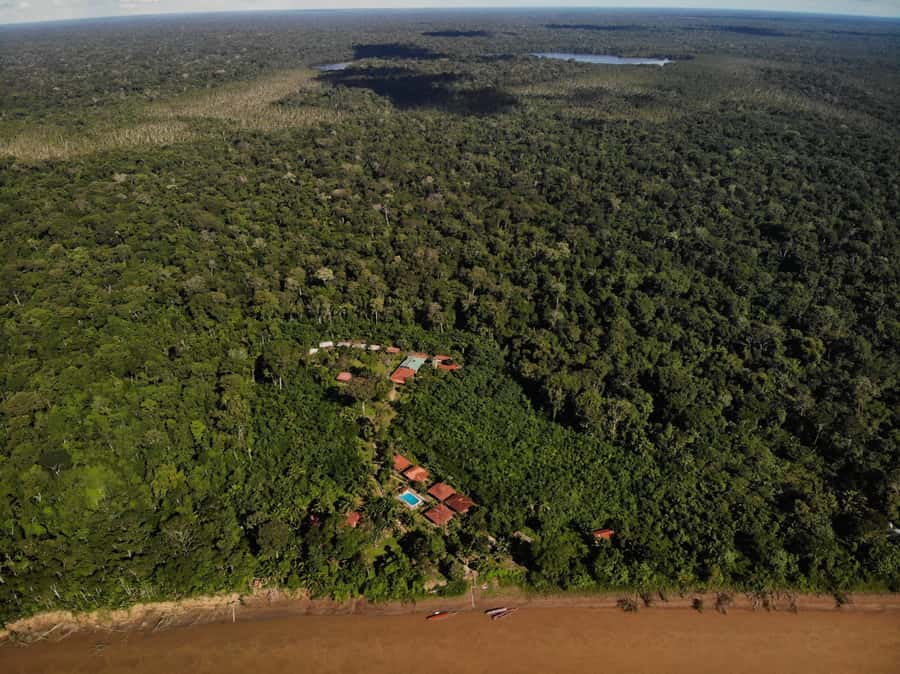
Rainy jungle, big wildlife odds. Sandoval Lake 3 days, 2 nights in Peru brings you into primary and secondary forest around Tambopata, plus Sandoval Lake navigation for animals you won’t see in Cusco. I like that the plan mixes daytime walking with early starts, night spotting, and hands-on wildlife behavior learning.
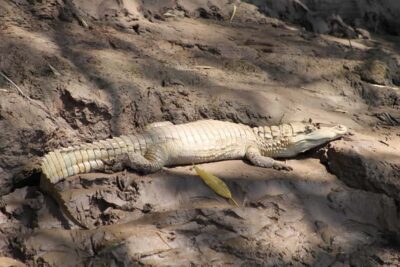
What really works for me is the full set of moments: monkey island for how animals act in their habitat, and night searching where you may spot caimans and even the famous capybara, the largest rodent in the world. One consideration before you book: wildlife sightings depend on season and luck, and a few past groups reported uneven guide English and, sometimes, larger-than-expected groups that can affect the experience.
Key highlights at a glance
- Small-group setup (listed limit 10) with English and Spanish guides
- Primary and secondary forest walks for better wildlife chances
- Sandoval Lake boat time looking for mammals, birds, and threatened species
- Monkey Island visit focused on behavior, not just quick animal spotting
- Night caiman search with a safety briefing and chances for capybara
- Tambopata National Reserve entry fee extra at $20 per person (not included)
Deeper into the Tambopata reserve
- Tambopata Peruvian Amazon Jungle for Three Days/Two Nights★ 4.5 · 329 reviews
- Puerto Maldonado: Sandoval Lake 4-Day, 3-Night Guided Tour★ 4.5 · 90 reviews
- 4 Day Tambopata Amazon Wildlife & Canopy Experience★ 4.5 · 72 reviews
- 4 Day Tambopata Jungle Tour with Local Guide★ 5.0 · 64 reviews
Sandoval Lake 3 days, 2 nights: what makes this trip feel different
This isn’t a drive-by rainforest experience. It’s built around time in the jungle where you slow down and pay attention. Over 3 days you get a rhythm of walking, boating, and wildlife viewing that lets you see how the rainforest changes from day to night.
You’ll also spend time in both primary and secondary forest. That matters. Primary forest is older and tends to feel wilder and more complex, while secondary forest is regrowing and often brings its own mix of insects, birds, and animal activity. If you come expecting only one kind of jungle scene, you’ll be pleasantly surprised by how much variety shows up just from changing forest types.
And because you’re based near Puerto Maldonado and Tambopata, the trip is a practical way to connect the Amazon basin’s famous animals to real moments you can watch and interpret. You’re not just checking boxes. You’re learning how to look, where to stand, what sounds and movements to pay attention to, and how animals relate to each other in their environment.
Getting to the rainforest: airport and bus pickups that keep you sane
Logistics matter when you’re going from the city to deep nature. Here, you have two pickup options: Padre Aldamiz International Airport or Terminal terrestre de Puerto Maldonado. The driver and guide are supposed to meet you with a sign showing your name, and then you move as a group.
From there, you do a bus transfer, and the experience includes bus pickup and drop-off. In real-world terms, that reduces the most annoying part of jungle travel: figuring out how to get everyone to the same starting point on time. One of the most appreciated parts of this style of trip is the smooth handoff from airport to local office and then onward toward the lodge area by transport and boat.
You should still plan like jungle travel is unpredictable. It’s rain or shine, so transfers and activities run even if everything feels damp and heavy. Bring patience and expect to move at jungle speed, not city speed.
Tambopata National Reserve: your best “wildlife odds” come from walking strategy
The Tambopata National Reserve entrance is not included in the price. You’ll pay $20 per person when you go in. If you’re budgeting, it’s worth treating this as part of the true all-in cost.
What you’re paying for is time and access. You’ll be guided through jungle areas that include both the primary and secondary forest. That means you’re not only relying on what animals come near the boats. You’re also walking routes where animals react to your presence, light, and sound.
A key part of the tour is that you’re not just roaming. You’re learning to identify species by clues like behavior and movement. That makes your time in the rainforest feel smarter and less random. When someone points out how an animal moves, reacts, or forages, you start noticing patterns instead of just hoping.
Also, the trip includes a safety briefing. In jungle night activities especially, that is important. If you’re new to rainforests, you’ll want that structure so you can focus on wildlife instead of worrying about where to step or what to do during low light.
Daytime wildlife: Sandoval Lake navigation and “look for the small stuff”
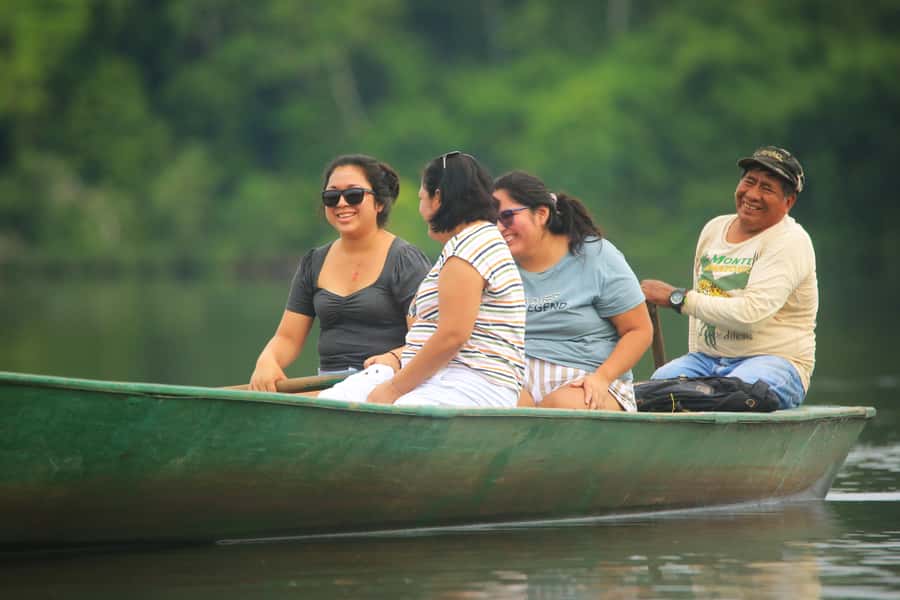
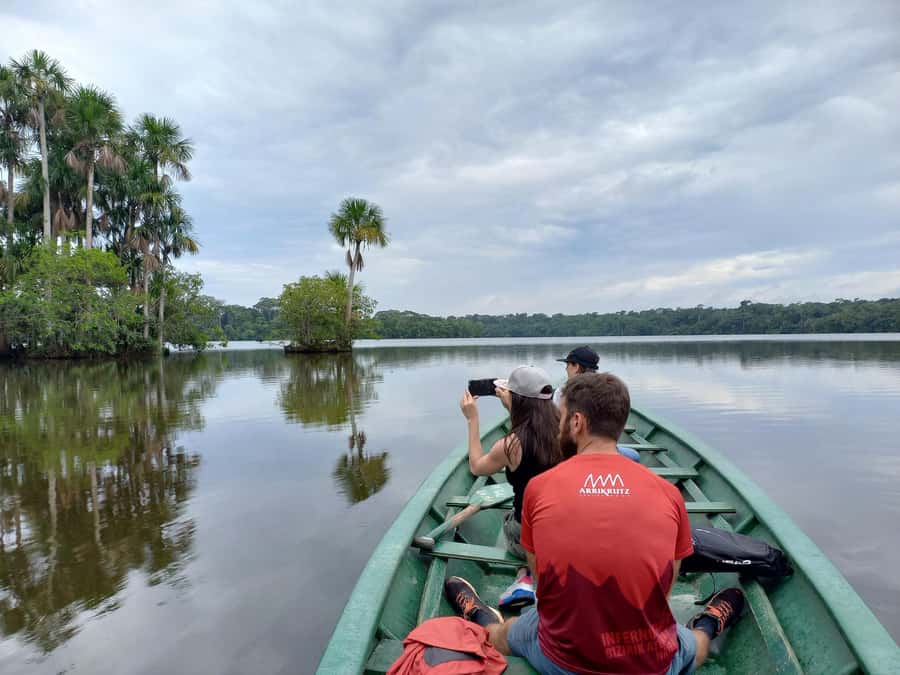
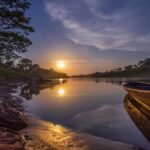
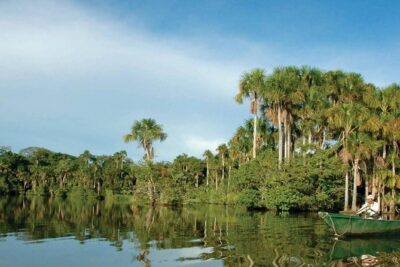
One of the core experiences is navigating Sandoval Lake in search of different species. This is where the trip leans into the rainforest-as-an-ecosystem idea. You’re scanning for mammals and birds, and you’re also watching for threatened species if conditions line up.
On the lake, it’s not only about dramatic sightings. You’ll likely notice:
- birds calling from the tree line
- movement near the water surface
- animals that appear briefly and then disappear into reeds or canopy
The best mindset is calm attention. If you try to force a “big moment” every minute, you’ll get frustrated. If you let the jungle pace you, you’ll usually see more. Even when you’re not spotting large animals, the sounds, insects, and bird activity add up to a real sense of being in the Amazon basin.
More around Puerto Maldonado, if this one is not quite the fit
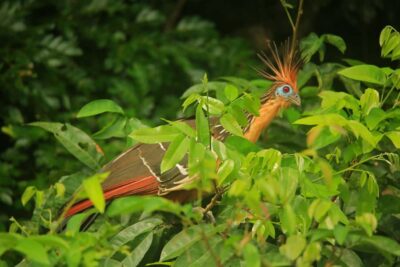
Monkey Island: behavior lessons that make sightings more meaningful
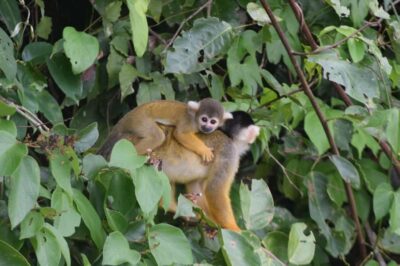
The monkey island stop is one of the most useful parts of this trip because it’s not presented as a simple photo stop. You’ll walk into the area and learn how to identify animal behavior, and understand how they relate within their environment.
That changes how you watch. Instead of only staring at faces, you start looking at actions:
- how monkeys move through branches
- whether they’re feeding, resting, or alert
- how groups react to sounds and nearby movement
It’s also a good reminder that wildlife is not a theme park. Your job is to observe carefully and keep your distance. If you’re sensitive to animal handling or overly close contact, it’s fair to think about how the tour approaches animal safety and ethics in the moment. Some past groups reported that close animal presentation on boats can feel unnecessary, so if this matters to you, ask your guide how they handle animals and what rules they follow.
Night caiman search: the thrill comes with rules
Night wildlife is where the rainforest becomes a different world. This tour includes a night search for caimans, with a safety briefing before heading out. The goal is simple: find eyeshine and movement in the dark and identify what you’re seeing.
It’s also one of your best chances to see capybara. The tour description specifically calls out a chance to find the largest rodent worldwide, the capybara. In practice, you’re likely to hear more than you see at first, then suddenly spot something moving quietly near the water or in darker edges of the forest.
You should also know that night jungle time is physically demanding. It’s humid, insects are active, and visibility is limited. If you’re heat-sensitive or have trouble with night walking, this is the part where you may feel it most. Comfort and preparation matter. Wear insect repellent, take breaks when you need them, and follow your guide’s instructions about where to walk.
Lodge stay and food: basic, but built for the schedule
The tour includes food, guidance, and hosting service. That translates into meals that work with early starts and long days in the jungle, so you’re not searching for snacks mid-activity.
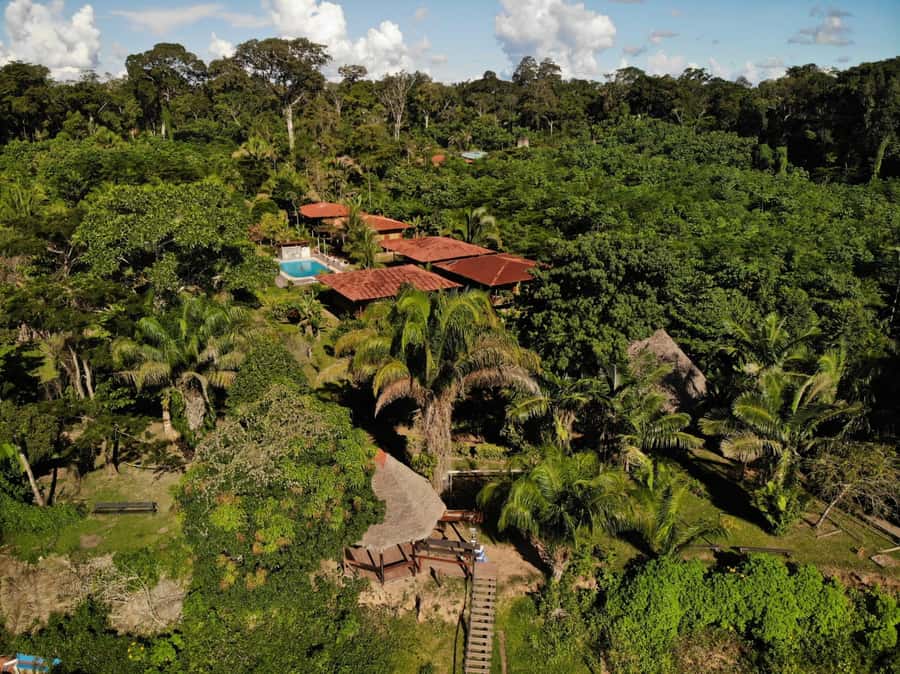
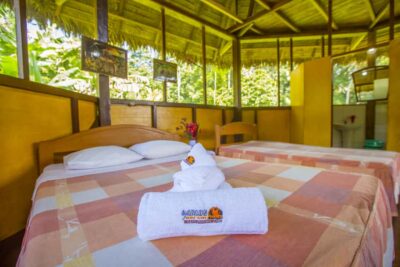
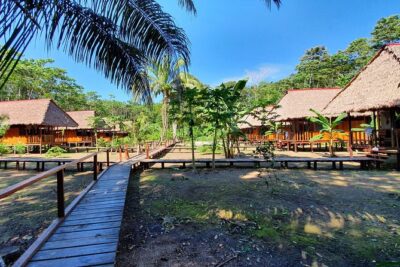
A big plus is the lodge quality. MonteAmazonico Lodge is the listed provider, and past visitors singled out the lodge as clean and well kept. One person also mentioned a mix of downtime and activities, like time at a pool alongside organized jungle excursions. That matters because you’re going to come back from wet walks and want a comfortable place to reset.
Food is described as authentic and local, with some meals feeling better than others. Plan for simple jungle cuisine rather than expecting restaurant-style variety. If you’re picky or you love consistent flavors, eat light earlier in the day and keep an eye on your energy level.
Fresh water is available on-site according to visitor feedback. Soft drinks can be purchased. Since you’re out in the jungle and sweat is real, having water access built into the day helps you stay focused on wildlife instead of getting tired.
What about guide quality and group size?
Small group is listed as up to 10 participants, and guides are live in English and Spanish. That bilingual structure can be a real advantage if you’re coming with mixed language skills.
That said, not every group gets the same teaching style. Some past groups reported that English explanation could be basic, with questions left unanswered because they weren’t fully understood. Others praised guides by name for friendliness, humor, and solid competence. If your Spanish or English is strong, you’ll get more out of the trip by asking questions, not waiting for perfect explanations.
Group size is another factor. The experience is advertised as a small-group tour, but a few visitors described situations where the group felt larger than the stated limit. If you want a quieter, more personal wildlife walk, I’d treat this as a possibility and pick your expectations accordingly. The second day can feel noticeably better when groups split and activities stagger, so ask how they manage group sizes once everyone arrives.
Price, value, and the extra fee you should budget
The price is listed at $210 per person for 3 days. Entrance to Tambopata National Reserve is not included and costs $20 per person. Add any cost for a single room if you need privacy, since single rooms are not included.
So what do you actually get for the money?
- Transfers: airport and bus pickup and drop-off, plus lodge area logistics
- Food during the experience
- A live guide in English and Spanish
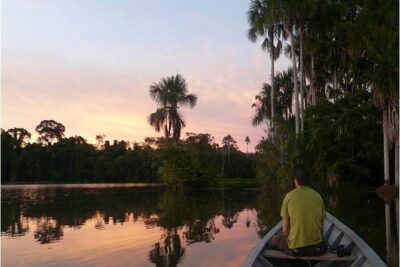
- Guided walks, sunset and sunrise activities, and wildlife viewing
- Lake navigation on Sandoval Lake
- Night caiman search with safety briefing
- A monkey island visit
For many people, that bundle is good value because it removes planning work and gives you access to the reserve area and wildlife routes you probably couldn’t coordinate alone without local support. If you already have a lodge booked and you just want a private day in the rainforest, you might spend less in other formats. But if you want a structured 3-day package with multiple wildlife-focused moments, this pricing often makes sense.
Who should book this Sandoval Lake trip
This trip is best for you if you want:
- a guided way to experience Tambopata’s rainforest without figuring out logistics
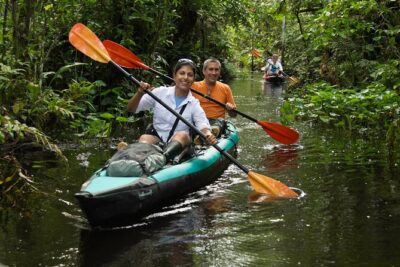
- a mix of boat time and walking time
- learning that focuses on behavior and how animals relate
- night wildlife searching, including caimans and possible capybara
You might skip it if:
- you need a long, flexible schedule, because the third day can end earlier than you expect (some groups have mentioned an early return after breakfast)
- you’re very sensitive to close animal presentation or anything that feels too intrusive
- you struggle with heat and humidity and don’t handle night walks well
Should you book Sandoval Lake 3 days / 2 nights?
Yes, if you want a practical Amazon intro that gives you multiple chances per day to find wildlife and learn what you’re seeing. The value is strongest when you appreciate the trade-off: nature doesn’t guarantee big sightings, but the guided structure does increase your odds and helps you interpret behavior.
If you’re the type who needs lots of action every hour, adjust your expectations. This is a rainforest, not a wildlife TV show. If you’re the type who enjoys quiet attention, insects, birdsong, early mornings, and learning from your guide, you’ll likely love it.
FAQ
Where are the pickup and drop-off points?
You can be picked up at Padre Aldamiz International Airport or at Terminal terrestre de Puerto Maldonado. Drop-off is also at Padre Aldamiz International Airport or Terminal terrestre de Puerto Maldonado.
Is the Tambopata National Reserve entrance included?
No. The entrance to Tambopata National Reserve costs $20.00 per person and is not included in the listed price.
How many people are in the group?
This is a small group tour, listed as limited to 10 participants.
What languages do the guides speak?
The live tour guide speaks English and Spanish.
What should I bring for the jungle activities?
Bring a hat, insect repellent, and a passport or ID card (a copy is accepted).
Will the tour run in rain?
Yes. The tour takes place rain or shine.
Are there restrictions on what I can bring or do?
Pets are not allowed (assistance dogs are allowed). Alcohol and drugs are not allowed, and shoes indoors are not allowed. Fireworks are also not allowed.
More 3-Day Experiences in Puerto Maldonado
- Tambopata Peruvian Amazon Jungle for Three Days/Two Nights
★ 4.5 · 329 reviews - Eco Jungle 3 Days – 2 Nights
★ 4.0 · 62 reviews - From Puerto Maldonado: Tambopata National Reserve 3-Day Tour
★ 4.7 · 54 reviews - Sandoval Lake & Parrot Clay lick 3 Days/2 Nights
★ 4.1 · 37 reviews - Excursion 3 days/2 nights in the jungle
★ 4.9 · 7 reviews
More Tour Reviews in Puerto Maldonado
- Tambopata Peruvian Amazon Jungle for Three Days/Two Nights
★ 4.5 · 329 reviews - Puerto Maldonado: Sandoval Lake 4-Day, 3-Night Guided Tour
★ 4.5 · 90 reviews - 4 Day Tambopata Amazon Wildlife & Canopy Experience
★ 4.5 · 72 reviews - 4 Day Tambopata Jungle Tour with Local Guide
★ 5.0 · 64 reviews - Eco Jungle 3 Days – 2 Nights
★ 4.0 · 62 reviews
Deeper Into Tambopata
- Tambopata Peruvian Amazon Jungle for Three Days/Two Nights
★ 4.5 · 329 reviews - Puerto Maldonado: Sandoval Lake 4-Day, 3-Night Guided Tour
★ 4.5 · 90 reviews - 4 Day Tambopata Amazon Wildlife & Canopy Experience
★ 4.5 · 72 reviews - 4 Day Tambopata Jungle Tour with Local Guide
★ 5.0 · 64 reviews - Eco Jungle 3 Days – 2 Nights
★ 4.0 · 62 reviews
Fresh in from Puerto Maldonado

Puerto Maldonado & Tambopata Tours, compared.
 ★ 4.5Tambopata Peruvian Amazon Jungle for Three Days/Two NightsFrom $350329 reviews
 ★ 4.6Puerto Maldonado: 4-Day Tambopata Rainforest TourFrom $424213 reviews
 ★ 4.5Puerto Maldonado: Sandoval Lake 4-Day, 3-Night Guided TourFrom $30090 reviews
 ★ 4.54 Day Tambopata Amazon Wildlife & Canopy ExperienceFrom $58572 reviews
 ★ 5.04 Day Tambopata Jungle Tour with Local GuideFrom $36064 reviews
 ★ 4.0Eco Jungle 3 Days – 2 NightsFrom $24062 reviews
 ★ 5.0Best of Tambopata 2 nights by JungleProFrom $49055 reviews
 ★ 4.7From Puerto Maldonado: Tambopata National Reserve 3-Day TourFrom $27954 reviews
Browse the lists this tour appears in