
REVIEW · MARAS, MORAY & CHINCHERO TOURS
Sacred Valley of the Incas Tour with Moray & the Salt Mines
Salt, terraces, and Inca towns in one day. This Sacred Valley tour is interesting because you get a full cultural loop from Cusco, with guided stops at the big Inca sites and a buffet lunch in Urubamba to keep you moving. It also runs with a small group of up to 9 people, so the day feels more human than a seat-factory bus trip.
My two favorite parts are the quality of the explanations from the local guide and the way the route connects everyday life to Inca engineering. You’ll learn from people like Julio, who was patient and took time to answer questions, and Adolfo, who brought energy all day, plus a driver named Luis who helped you feel safe in traffic. The only real drawback to consider is pacing. This is a packed circuit, and some stops can feel rushed, with limited time and occasional commercial stops that may not match what you want if you came for pure sightseeing.
Key things to know before you go
- Small group max 9 means more back-and-forth with your guide
- Taray viewpoint gives an early, quick orientation to the Sacred Valley
- Pisac hilltop complex plus a walk into the main plaza for crafts
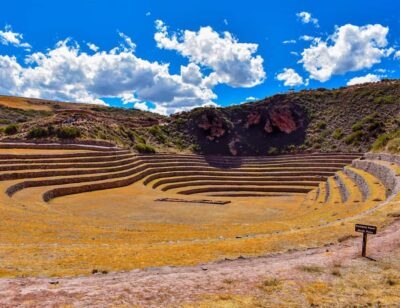
- Moray circular terraces explained as an agricultural testing site
- Maras salt mines shown through the traditional solar evaporation method
- Chinchero textiles and Pachacutec link makes the final stop feel specific
More of the valley floor, from Pisac to Ollantaytambo
- Cusco: Sacred Valley, Pisac, Ollantaytambo, Salt Mines Moray★ 4.6 · 1,058 reviews
- Cusco:Chinchero,Moray & Salt Mines drop-off in Ollantaytambo★ 4.8 · 793 reviews
- Sacred Valley: Chinchero, Moray, Ollantaytambo & Pisac+Lunch★ 4.8 · 501 reviews
- Sacred Valley: Maras & Moray by Quad Bike from Cusco★ 4.6 · 418 reviews
A tight Sacred Valley loop that starts early from Cusco
This is a full-day tour designed to hit the major Sacred Valley highlights without requiring you to plan connections yourself. The day begins with pickup at Plaza Regocijo at 7:00 am, then you head out toward Pisac and work your way through Moray, Maras, and Chinchero before returning to Cusco later.
The value here is not just the sites, it is the flow. You see how different places played different roles, from farming experiments to salt production to town planning. And because the group is capped at 9 travelers, you’re less likely to get lost in the shuffle when questions come up.
One practical note: the tour runs about 9 hours. That is a lot of moving parts for a day, so it helps to start hydrated and plan for a long sit in the van as you cross the valley.
Getting oriented at Taray before Pisac steals the show
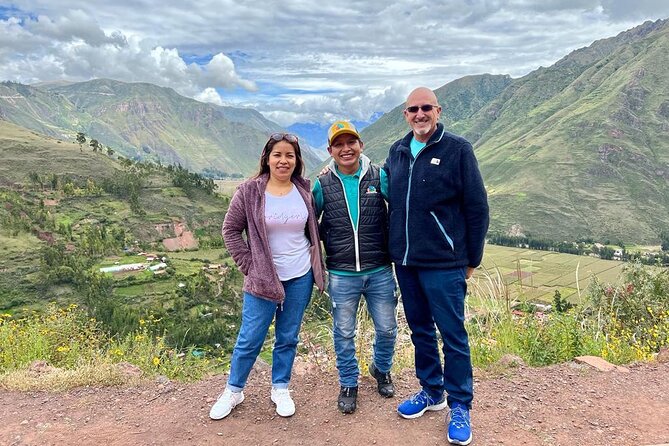
On the way to Pisac, you get a quick viewpoint stop at Taray. It is short, but it helps you see the Sacred Valley before you start exploring ruins. From up there, you can look down at the Urubamba River winding through the villages, which makes what comes next feel less random.
Then you roll into Pisac. This is one of those hilltop Inca complexes where the setting matters as much as the stones. You drive up to the main entrance, and your local expert guides you through the site. The hill position gives you built-in drama, and the guide’s explanations help you make sense of what you are looking at instead of just snapping photos and hoping it clicks.
After the ruins, you head down to the main plaza. During weekends, the narrow cobblestone streets fill with local craft sellers. If you like shopping, this is the moment to browse. If you do not, it is still worth walking through for the atmosphere and for how local the plaza feels compared to more tourist-scheduled areas.
Pisac and its plaza, what to look for (and what to skip)
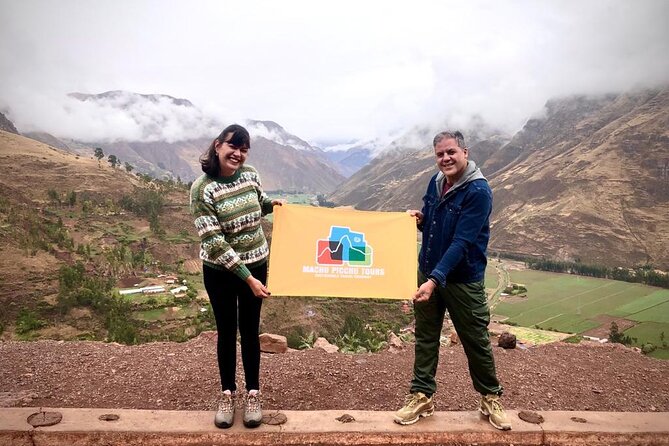
At Pisac, your time is best spent focusing on the big visual story your guide is telling. Pay attention to how the complex sits above the village and how the Inca built with the terrain in mind. If you’re the type who likes details, ask questions early, because once the day moves on, you rarely get time to linger.
When you reach the plaza, decide quickly how you want to spend the 30 to 60 minutes. You might find it tempting to stop for every stall. But because the tour is structured as a circuit, you will get more value if you treat the plaza as a quick browse, not a full shopping mission.
Admission ticket notes can be confusing in this kind of day tour. The package lists archaeological entrance tickets as not included, so plan on paying site fees rather than assuming everything is free. Bottom line: bring cash, and keep your tickets organized.
Urubamba buffet lunch is a real reset, not just a stop
Lunch happens in Urubamba, the lowest part of the Sacred Valley. That detail matters because it signals why the region is good for life and farming. After climbing and walking around Pisac, the drive down feels like a breather.
You get a buffet lunch at a local restaurant. This is one of the most praised parts of the day, and it makes sense: when your day has lots of stairs, uneven ground, and time at altitude, a solid meal is not optional comfort, it is energy management. I like that this lunch is included. For $99, that matters.
Try to eat something that will last through the afternoon, not just a quick snack. You still have Ollantaytambo and then Moray and Maras later, and you do not want a stomach slump to ruin the rest of the route.
More salt pans, terraces and weaving villages
Ollantaytambo: old village + Inca town planning
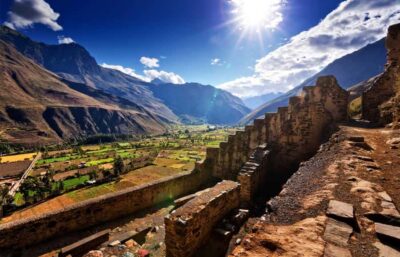
Next comes Ollantaytambo. This is one of the most prominent places in the Inca empire, and it shows. You’ll be visiting a village that highlights Inca town planning rather than only a ruin in isolation.
Ollantaytambo is also described as one of the oldest and continuously inhabited Inca villages. The way you can walk through the space and understand the planning helps it feel more lived-in than a site you only visit from the outside.
There is another practical reason this stop is special: Ollantaytambo is where you board the train to Machu Picchu and the Inca Trail. Even if you are not on the train that day, it gives the village a purpose you can feel. People are here for a journey, not just for sightseeing.
If you want to get more from your time, focus on the relationship between the modern village and the Inca structures. The village sits between two Inca ruins, and your guide can help you see what that means for how the space was organized.
Moray circular terraces and the idea of Inca science
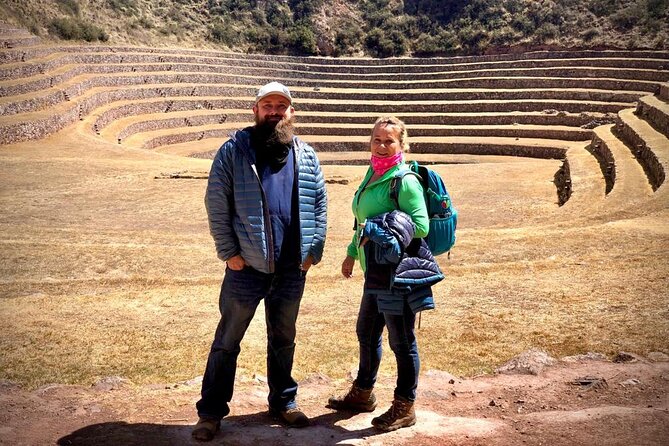
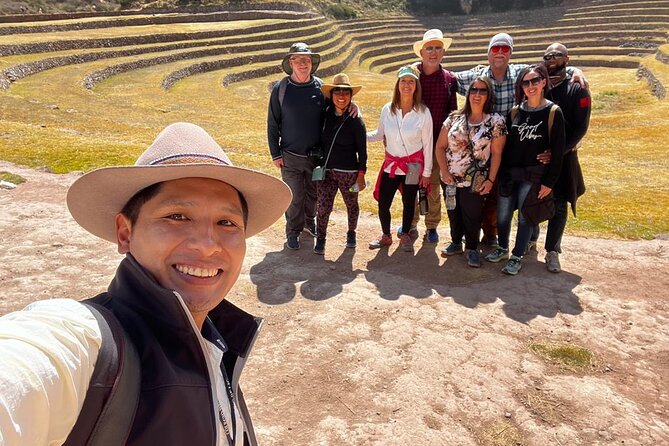
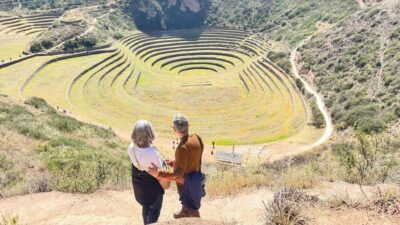
Moray is the first stop where you start thinking beyond temples and into experiments. Moray is known for circular agricultural terraces that the Incas used as an agricultural laboratory. The key point your guide will explain is that each terrace level had a different temperature.
That is a mind-shift. You are not just looking at pretty terraces, you’re looking at a system designed to test growing conditions. It is the kind of place where your understanding improves fast if your guide is actively explaining, because the terraces are easier to interpret once you know the goal.
One thing to plan for is cost. The tour notes that entrance to Moray is not included. So budget for archaeological site fees in general, and treat Moray as part of that paid circuit.
Also, Moray can feel a bit like a stop where you want 20 minutes more. If you tend to rush through ruins, you might love the compact format. If you prefer slow contemplation, you may feel the day’s schedule nudging you along.
Maras salt mines, where tradition is still working
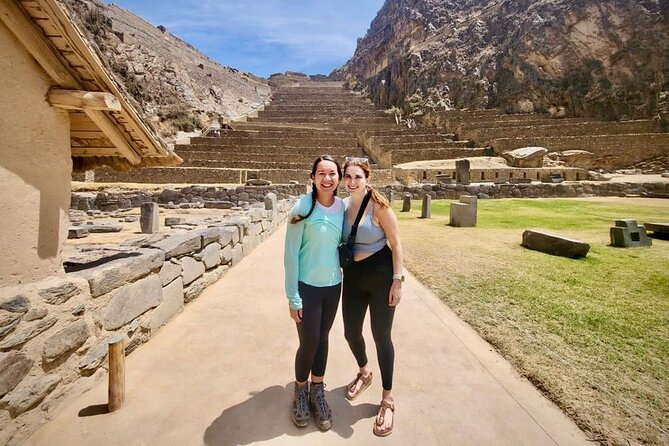
Then you reach Maras, famous for its salt mines. This is a place with a strong sensory feel, even if you cannot spend hours there. What stands out is the explanation of how the salt is produced.
The traditional method is solar evaporation. Locals have passed it down through generations, and the continued practice is a big part of why Maras feels real rather than staged.
A guide walks you through what you’re seeing. That matters because from a distance, the mines can look like a pattern of small pools. The explanation helps you understand it as an active production system, not just a photo backdrop.
Maras also has an additional entrance fee noted separately as PEN10. If you’re tracking costs, keep that in mind. For budget planning, think of the $99 as the tour and transport value, then add site fees as needed.
Chinchero: textiles, terraces, and the Pachacutec connection
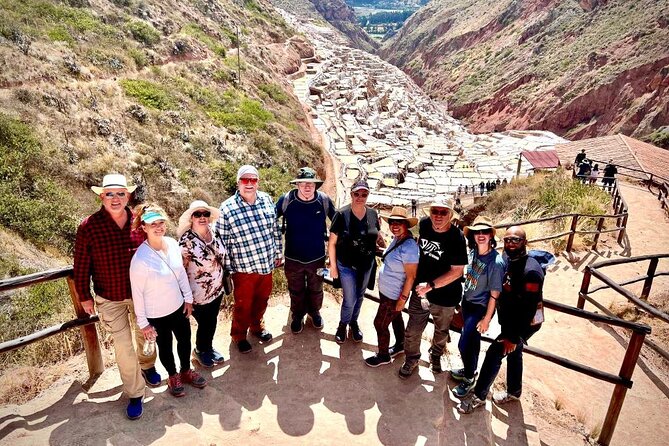
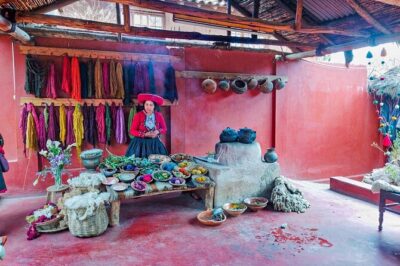
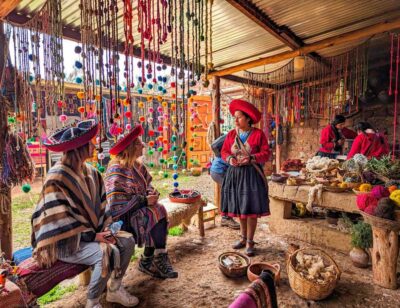
Chinchero caps the day, and it has a different vibe than the bigger ruins stops. It is home to Andean textile traditions, and the village is often described as serene and overlooked. If you like craft and everyday culture, this is a strong closer.
You’ll visit a white-washed church. The tour also connects it to Inca history, noting that it was once a royal palace of Incan emperor Pachacutec. That link adds meaning, especially after the earlier stops about agriculture and engineering.
Chinchero also has fertile soil, and under Pachacutec, the Incas built farming terraces there. The water channels are pointed out as evidence of Inca engineering. This is a good reminder that Inca mastery was not only stonework. It was also water management and the ability to coax results out of the land.
Time can be tight at the end of a long day, so I suggest you decide what you want most from Chinchero. If textiles are your interest, lean into that section. If terraces and water are your priority, ask your guide where to look so you can spot the details quickly.
Price and value: $99 plus site fees, what you actually pay for
The price is $99 per person for a roughly 9-hour day, including roundtrip transport, a bilingual local tour guide, and lunch in Urubamba. That is a solid baseline for a Cusco-area day tour because you are not just paying for a driver. You are paying for the guide’s time and expertise across multiple stops.
Then add the reality of Peru site admissions. The tour lists archaeological entrance tickets as not included, estimated at USD 20 or 70 Soles per person, plus an entrance fee for Maras of PEN10. So your true total cost can be higher than $99 once you arrive.
Is it still good value? In my view, yes if you care about explanations and you want a structured route that saves you the hassle of managing transport and timing. If you prefer to travel at your own pace and you plan to use apps and self-guided content heavily, you might feel this day is more guided than you want, and that can reduce value.
Group size, guides, and the kind of day this is
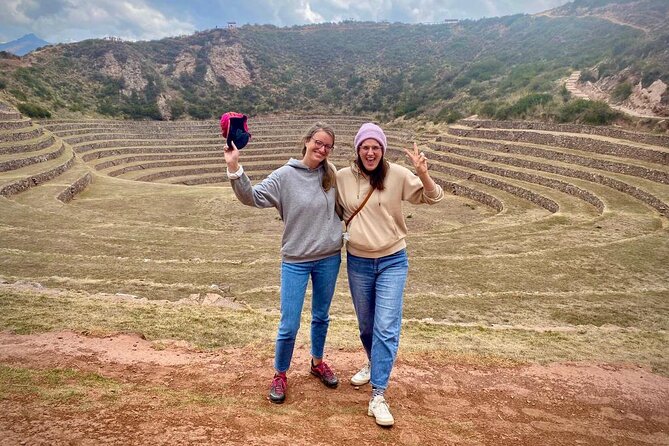
This tour runs with a maximum of 9 travelers, which often changes the tone of the day. When a group is small, the guide can slow down for questions and you feel less like a passenger reading a headset script.
The reviews attached to this tour highlight that difference. Julio is mentioned as kind and patient, taking time to explain attractions and answer questions. Adolfo is praised for energy and helpfulness, making the day feel more enjoyable. On the driving side, Luis is specifically noted as careful and focused, helping everyone feel safe throughout the day.
But here’s the balance: even with a small group, the itinerary is still packed. If your ideal day is slow and spacious, you may find that some stops only give you brief time before the next transfer. If you are okay with a structured circuit and you want the big hits, this format fits well.
Tips to get the most from Moray and Maras without getting rushed
If you want the best experience, go in with a mindset of smart scanning.
First, ask one question at each stop and let that guide your looking. At Moray, ask about the temperature difference between terrace levels. At Maras, ask how solar evaporation works and why the system keeps going. You will walk away feeling like you understood something, not just visited things.
Second, manage your expectations about time. Some days feel more like “see and learn” than “see and wander.” If you love wandering, you might not get the minutes you want.
Third, be practical about money for entrances. The tour indicates certain site tickets and Maras access are not included. Keep cash ready and be clear about what you still need to pay at the start or during the day.
Who should book this Sacred Valley day tour
You’ll likely love this tour if you want:
- a guided circuit of Sacred Valley highlights from Cusco
- included transport and an included buffet lunch
- a small group feel, up to 9 people
- explanations that connect sites to how the Incas managed agriculture, water, and planning
You might want to think twice if:
- you hate shopping stops and prefer pure site time
- you need long, slow stays at each attraction
- you get frustrated when the schedule moves you on quickly
Should you book this Sacred Valley tour with Moray and the Salt Mines?
If your goal is a one-day overview with strong guidance, I think this is a smart pick. The combination of Pisac, Ollantaytambo, Moray terraces, Maras salt mines, and Chinchero textiles gives you a broad sense of what the Sacred Valley was for, not just what to photograph.
But book with your eyes open about the day’s structure. Plan to pay site fees on top of the $99, and accept that the itinerary is built for coverage, not long linger time. If you want something calmer, you could look for a slower, fewer-stops option later. If you want a full circuit that gets you out early and teaches you as you go, this one fits the bill.
If you do book, come ready with questions for your guide and treat lunch as part of the strategy. It will help you enjoy Moray and Maras instead of simply surviving the schedule.
FAQ
What time does the tour start in Cusco?
Pickup starts at 7:00 am from Plaza Regocijo.
How long is the tour?
The duration is approximately 9 hours.
What is included in the $99 price?
The tour includes roundtrip transport, a bilingual local tour guide, and a buffet lunch in Urubamba.
What entrance fees are not included?
Entrance tickets to archaeological sites are not included (listed as USD 20 or 70 Soles per person), and Maras has an additional entrance fee of PEN10.00.
How many people are in the group?
The tour has a maximum of 9 travelers.
Where does the tour end?
The tour ends back at the meeting point area, with drop-off at Plaza Regocijo.
Can I cancel for a full refund?
Yes. Cancellation is free up to 24 hours in advance for a full refund.
More Tour Reviews in Cusco
- Cusco: Humantay Lake Tour with Breakfast and Buffet Lunch
★ 4.9 · 2,976 reviews - From Cusco: Moray, Maras Salt Mines & Chinchero Weavers Tour
★ 4.8 · 1,925 reviews - From Cusco: Full-Day Group Tour of Machu Picchu
★ 4.7 · 1,767 reviews - Machu Picchu Day Trip from Cusco
★ 4.5 · 1,644 reviews - Cusco: Half-Day City Tour with Sacsayhuaman and Q’enco
★ 4.6 · 1,129 reviews
Maras, Moray and Chinchero Again
- From Cusco: Moray, Maras Salt Mines & Chinchero Weavers Tour
★ 4.8 · 1,925 reviews - Cusco: Sacred Valley, Pisac, Ollantaytambo, Salt Mines Moray
★ 4.6 · 1,058 reviews - Cusco:Chinchero,Moray & Salt Mines drop-off in Ollantaytambo
★ 4.8 · 793 reviews - Sacred Valley: Chinchero, Moray, Ollantaytambo & Pisac+Lunch
★ 4.8 · 501 reviews - Sacred Valley: Maras & Moray by Quad Bike from Cusco
★ 4.6 · 418 reviews
Keep Going Down the Valley
- Cusco: Sacred Valley, Pisac, Ollantaytambo, Salt Mines Moray
★ 4.6 · 1,058 reviews - Cusco:Chinchero,Moray & Salt Mines drop-off in Ollantaytambo
★ 4.8 · 793 reviews - Sacred Valley: Chinchero, Moray, Ollantaytambo & Pisac+Lunch
★ 4.8 · 501 reviews - Sacred Valley: Maras & Moray by Quad Bike from Cusco
★ 4.6 · 418 reviews - Pisac Indian Market and Ollantaytambo Fortress with Lunch
★ 4.5 · 395 reviews
Fresh in from Cusco
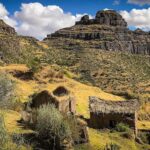

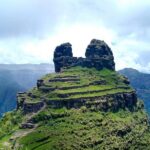

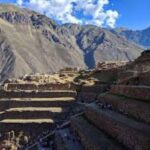
Maras, Moray & Chinchero Tours, compared.
 ★ 4.8Sacred Valley & Maras Salt Mines Tour with LunchFrom $282,227 reviews
 ★ 4.8Moray, Maras Salt Mines & Chinchero Weavers TourFrom $151,925 reviews
 ★ 4.6Sacred Valley, Pisac, Ollantaytambo, Salt Mines MorayFrom $281,058 reviews
 ★ 4.8Chinchero,Moray & Salt Mines drop-off in OllantaytamboFrom $27793 reviews
 ★ 4.8Sacred Valley: Chinchero, Moray, Ollantaytambo & Pisac+LunchFrom $25501 reviews
 ★ 4.6Sacred Valley: Maras & Moray by Quad Bike from CuscoFrom $39418 reviews
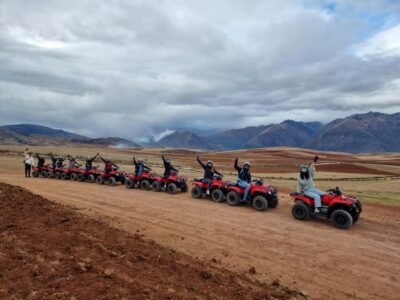 ★ 4.7Quad bike tour Moray and Salt MinesFrom $27314 reviews
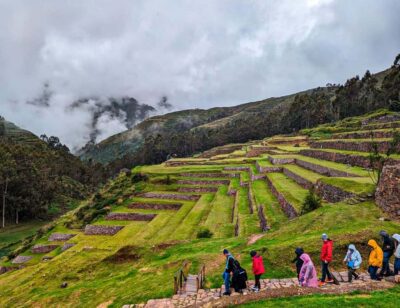 ★ 4.8Sacred Valley Pisaq,Ollantaytambo,Chinchero with LunchFrom $28183 reviews
Browse the lists this tour appears in