
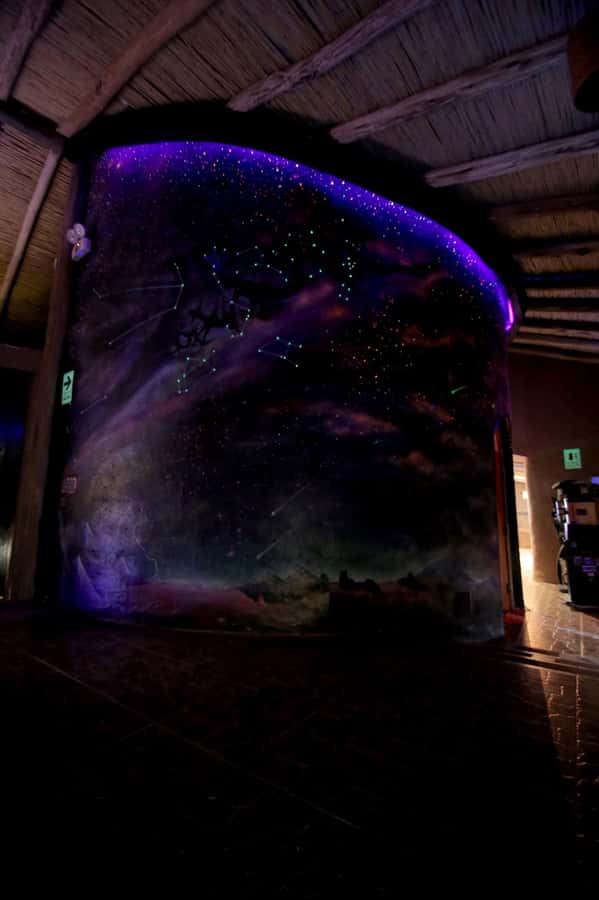
REVIEW · CUSCO TOURS
Planetarium Cusco Trip
Stars in Cusco? This tour makes them real, fast. For $43, you get a guided Inca astronomy talk, then a high-impact virtual sky show over the planetarium dome, plus a chance to use professional telescopes. One consideration: the telescope viewing depends on weather, so clear skies matter.
You meet at 5:40 p.m. in central Cusco, ride a minibus to the planetarium in under 20 minutes, and are back near Plaza de Armas by 7:40 p.m. It is a short, focused evening option, ideal when you want something cultural and different without committing to a long day.
Key highlights to know before you go
- Inca astronomy interpretation rooms: A guided talk focused on how the Incas viewed the stars and the universe.
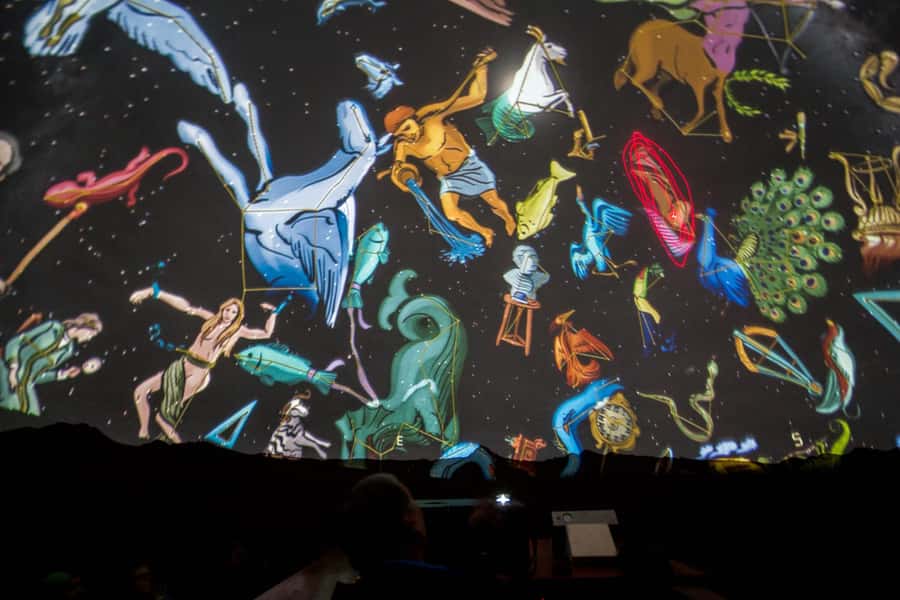
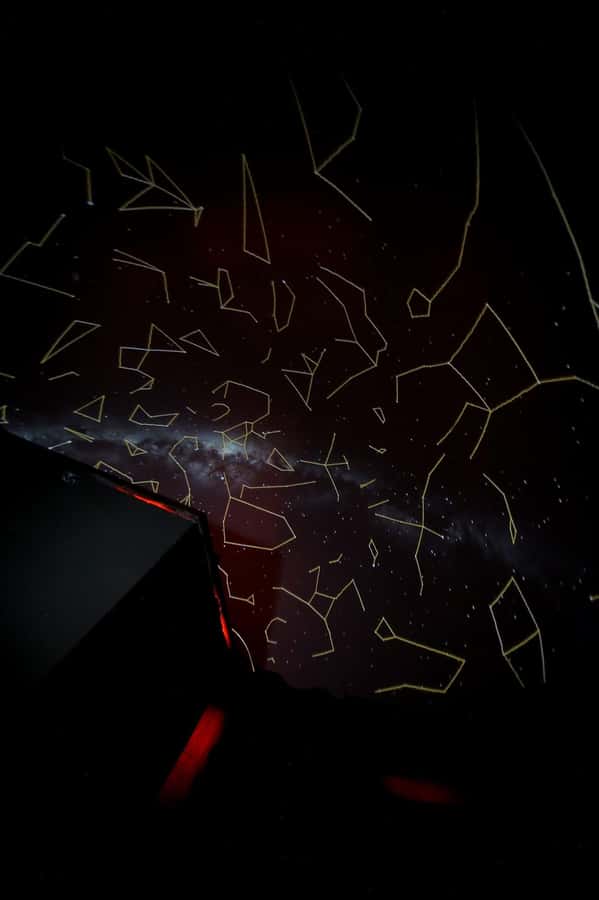
- Planetarium dome sky projection: A virtual projection that shows you the Inca constellations overhead.
- Professional telescopes: You may get to see stars in close detail, weather permitting.
- Evening timing that fits Cusco: About 150 minutes total, from 5:40 p.m. to 7:40 p.m.
- Transport included: Minibus pickup and return from central Cusco, so you do not have to figure out the route after dark.
More that leaves from a Cusco hotel door
- Cusco: Humantay Lake Tour with Breakfast and Buffet Lunch★ 4.9 · 2,976 reviews
- From Cusco: Moray, Maras Salt Mines & Chinchero Weavers Tour★ 4.8 · 1,925 reviews
- From Cusco: Full-Day Group Tour of Machu Picchu★ 4.7 · 1,767 reviews
- Machu Picchu Day Trip from Cusco★ 4.5 · 1,644 reviews
How The Cusco Planetarium Evening Works (5:40 to 7:40 pm)
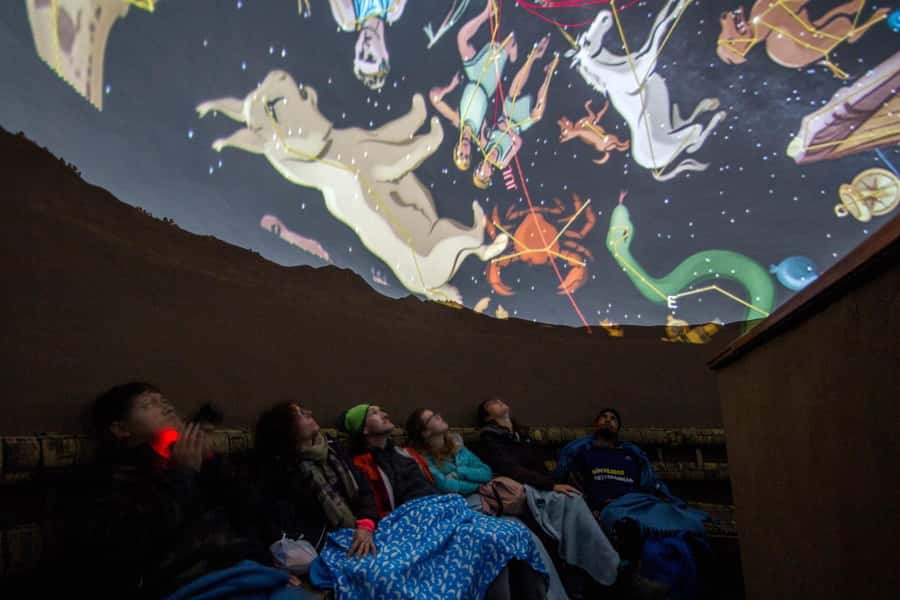
This is an organized evening experience, built for people who want a structured activity in Cusco without wrestling with logistics. You start at 5:40 p.m. in the center of town, then board a minibus for the short trip to the Planetarium Cusco, which takes less than 20 minutes.
Inside, you follow a clear sequence: first a guided talk in the interpretation rooms, then a sky projection in the planetarium dome. If conditions allow, you finish with a telescope session under the real night sky. You end at 7:40 p.m. with the return to the Plaza de Armas area.
That pacing is the big reason I like this format. It uses the limited evening hours well, and it also means you are not left hanging for a long time waiting for the sky to cooperate.
Inca Astronomy Talk: What You Learn Before You Look Up
Before you ever point your face upward, you get context. The guide leads you through an Inca astronomy talk in the interpretation rooms, with the goal of explaining how the Incas saw the stars and the universe.
Even if you are not a “science person,” this part is worth doing. In a planetarium, it is easy to watch visuals and remember the colors, not the meaning. A guided explanation helps you connect what you are seeing to what the tour wants you to understand, especially when it comes to Inca constellations.
This talk is also where you set expectations for the rest of the evening. The dome projection works best if you understand the basic idea behind the sky patterns being shown. It is the kind of pre-show that makes the show feel less random and more intentional.
Also note the language options: the tour is listed with English and Spanish. If you prefer one over the other, double-check the language offered when you book, so you do not get stuck listening to a language you only half understand.
Dome Sky Projection And Inca Constellations
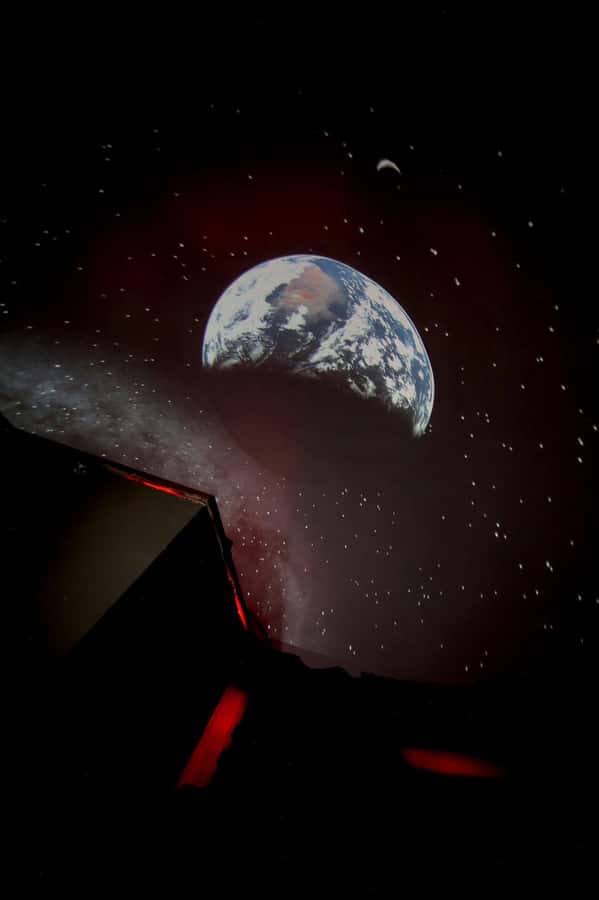
After the interpretation rooms, you move into the planetarium dome for the main event. You get a virtual projection of the sky overhead, and this is where you witness the Inca constellations.
I like this segment because it solves one of Cusco’s common problems at night: the sky can be beautiful, but it can also be hard to read. A projected view gives you a clean map-like experience, so you can learn the shapes without needing perfect visibility or perfect eyesight.
You also get a more complete “whole sky” feeling than you would get standing outside. Instead of just seeing a small slice of stars, the dome projection gives you a wider context for how the constellation patterns relate to one another.
A practical tip: keep your eyes up during the dome portion, but also pay attention to what the guide is pointing out. The value here is not only seeing stars, it is recognizing the specific constellations being interpreted for you.
Telescope Time: What Happens When Weather Cooperates
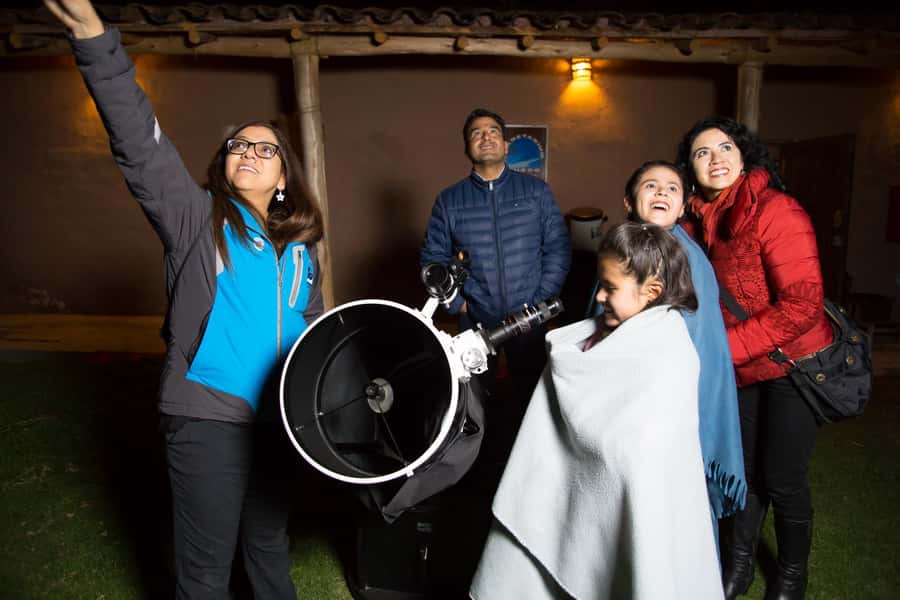
The tour also includes a star viewing session using the Planetarium Cusco’s professional telescopes. Here is the important reality check: this last activity is subject to weather conditions.
In Cusco, evening cloud cover can change fast. If the sky is clear, telescope time is the “wow, okay, that is real” part of the tour. If it is not, you may still enjoy the interpretive parts earlier in the evening, since those happen indoors and do not depend on the stars being perfectly visible.
So, what should you do with this information? Plan to enjoy the talk and dome show no matter what. Treat the telescopes as a bonus, not the whole deal. That mindset keeps the experience enjoyable even if the sky is not cooperative.
It also helps you pack smart for the evening. You will be in the open or near the observing areas if the telescopes run, so bring layers you would be comfortable standing in. Cusco evenings can get chilly, and telescope sessions are not the kind of thing you want to rush through because you are freezing.
Price and Logistics: Is $43 Worth It?
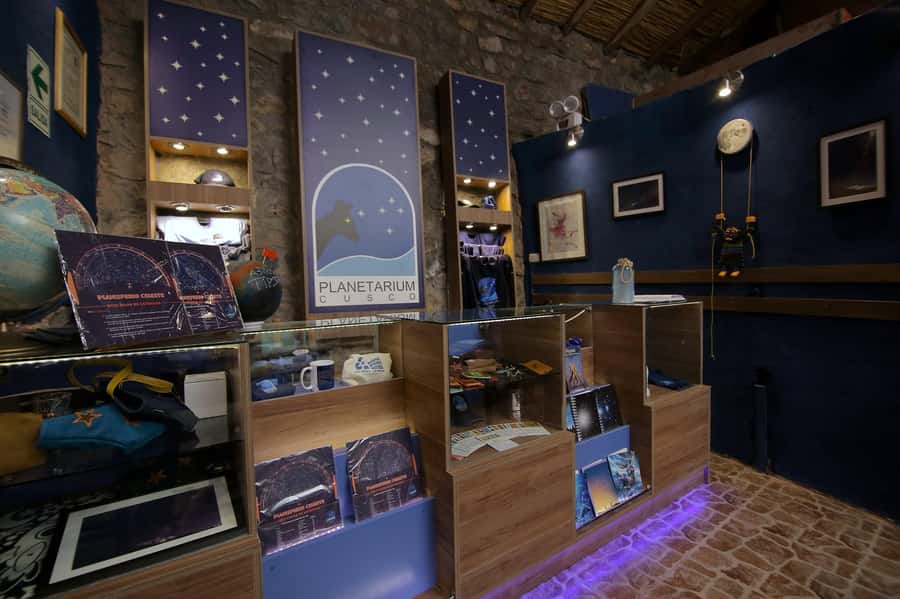
At $43 per person for about 150 minutes, this tour sits in the “good deal if you like astronomy” category. You are paying for more than just entry. You get transport by minibus, an English-speaking guide, and the combination of an Inca astronomy talk plus a planetarium dome projection.
Here is where the value really comes from: the tour bundles indoor learning and a night-sky component. That matters in Cusco because nighttime conditions can be unpredictable. Even if telescope time is limited, the earlier parts still deliver.
What is not included? Food is not part of the price. Since you start at 5:40 p.m., I recommend eating earlier or bringing a light snack plan before you meet. Once you are in the flow of the tour, you do not want to be thinking about dinner while the dome show is happening.
Another small logistics benefit: the round-trip return to Plaza de Armas by 7:40 p.m. keeps this from turning into an all-night commitment. It is a convenient way to add something different to your trip without upending your evening.
Who Should Book This Cusco Planetarium Trip
This is a strong fit for people who want a guided introduction to Inca astronomy and you like seeing ideas translated into visuals. If you enjoy culture that explains how people understood the sky, you will probably appreciate the mix of interpretation rooms and dome projection.
It can also be a good choice for families. One detail from the experience’s background that people highlight is that it is run like a family project, which often means the atmosphere feels more personal than a big, faceless operation.
On the other hand, if you want only outdoor stargazing and you are obsessed with extended telescope time, you may feel slightly constrained by the weather dependency. In that case, I would still book with the expectation that the dome portion is the anchor.
One more practical note, based on experience reports: there has been at least one report of a guide not showing up. To protect yourself, confirm your pickup details before you go, arrive a few minutes early at the meeting point, and keep your phone handy for contact if the operator runs late.
My Practical Verdict: Should You Book?
I would book this if you want an evening activity in Cusco that is both educational and entertaining, with built-in structure and indoor components. The combination of an Inca astronomy talk and a dome projection of Inca constellations is the main reason it works, and telescope viewing is a nice bonus when conditions allow.
I would not base your decision solely on the telescopes. Since weather can affect the final activity, I recommend treating the sky show and guide-led explanation as the core of the experience.
If you are short on time, 150 minutes from 5:40 p.m. to 7:40 p.m. is a very workable block. If you want a calmer evening after a day of Cusco exploring, this is a smart way to switch gears.
If you do book, go prepared for a crisp night, eat beforehand, and be prompt at the meeting point so you start the evening smoothly.
FAQ
What time does the Planetarium Cusco trip start?
You meet at 5:40 p.m. in the center of Cusco, then travel to the Planetarium Cusco.
How long is the experience?
The duration is 150 minutes, and you return to the Plaza de Armas area by 7:40 p.m.
How do you get to the planetarium?
Transport by minibus is included, and the planetarium is located less than 20 minutes away.
What’s included in the ticket price?
Included are minibus transport, an English speaking guide, and entry to the Planetarium Cusco.
Is there food provided?
No, food is not included.
Do you use telescopes during the tour?
Yes, professional telescopes are used to view stars in close detail, but this last activity is subject to weather conditions.
What languages are available?
The tour includes a live guide in English and Spanish.
Can I cancel or pay later?
The activity offers free cancellation up to 24 hours in advance for a full refund, and it also has a reserve now & pay later option.
More Tour Reviews in Cusco
- Cusco: Humantay Lake Tour with Breakfast and Buffet Lunch
★ 4.9 · 2,976 reviews - From Cusco: Moray, Maras Salt Mines & Chinchero Weavers Tour
★ 4.8 · 1,925 reviews - From Cusco: Full-Day Group Tour of Machu Picchu
★ 4.7 · 1,767 reviews - Machu Picchu Day Trip from Cusco
★ 4.5 · 1,644 reviews - Cusco: Half-Day City Tour with Sacsayhuaman and Q’enco
★ 4.6 · 1,129 reviews
More Leaving From Cusco
- Cusco: Humantay Lake Tour with Breakfast and Buffet Lunch
★ 4.9 · 2,976 reviews - From Cusco: Moray, Maras Salt Mines & Chinchero Weavers Tour
★ 4.8 · 1,925 reviews - From Cusco: Full-Day Group Tour of Machu Picchu
★ 4.7 · 1,767 reviews - Machu Picchu Day Trip from Cusco
★ 4.5 · 1,644 reviews - Cusco: Half-Day City Tour with Sacsayhuaman and Q’enco
★ 4.6 · 1,129 reviews
Fresh in from Cusco


Cusco Tours, compared.
 ★ 4.9Humantay Lake Tour with Breakfast and Buffet LunchFrom $222,976 reviews
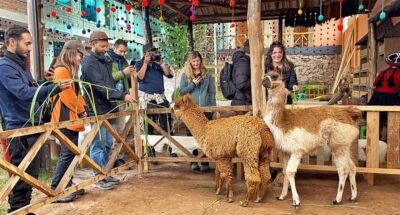 ★ 4.8Sacred Valley & Maras Salt Mines Tour with LunchFrom $282,227 reviews
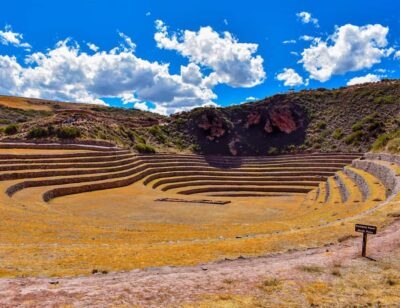 ★ 4.8Moray, Maras Salt Mines & Chinchero Weavers TourFrom $151,925 reviews
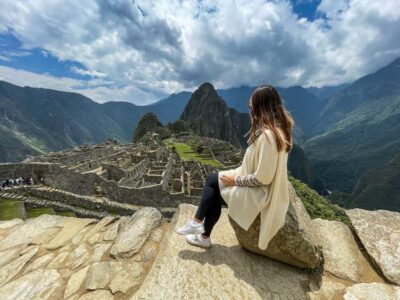 ★ 4.7Full-Day Group Tour of Machu PicchuFrom $3211,767 reviews
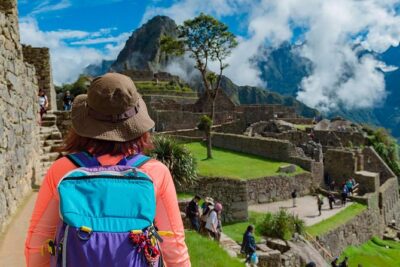 ★ 4.5Machu Picchu Day Trip from CuscoFrom $3361,644 reviews
 ★ 4.6Half-Day City Tour with Sacsayhuaman and Q’encoFrom $131,129 reviews
 ★ 4.6Vinicunca Rainbow Mountain ATV Tour with MealsFrom $761,060 reviews
 ★ 4.6Sacred Valley, Pisac, Ollantaytambo, Salt Mines MorayFrom $281,058 reviews