
REVIEW · MARAS, MORAY & CHINCHERO TOURS
From Cuzco: Sacred Valley, Moray Terraces, and Salt Mines
Moray and Maras feel like time travel. This tour strings together Inca engineering at Moray with the salt-mining spectacle at Maras, then (depending on your option) adds major Sacred Valley towns like Chinchero, Ollantaytambo, and Pisac. I like that you get a bilingual guide to make sense of what you’re seeing, not just a bus ride and some photos.
My other big win is the pace of the route, especially if you choose the full Sacred Valley version with a real lunch stop in Urubamba. One thing to plan for, though: it can be long and tiring. One review even flagged that it was super nice but physically demanding, so comfortable shoes and a little patience with travel time really matter.
Key points to know before you go
- Moray terraces, explained: circular, multi-level construction tied to farming techniques in the Andes
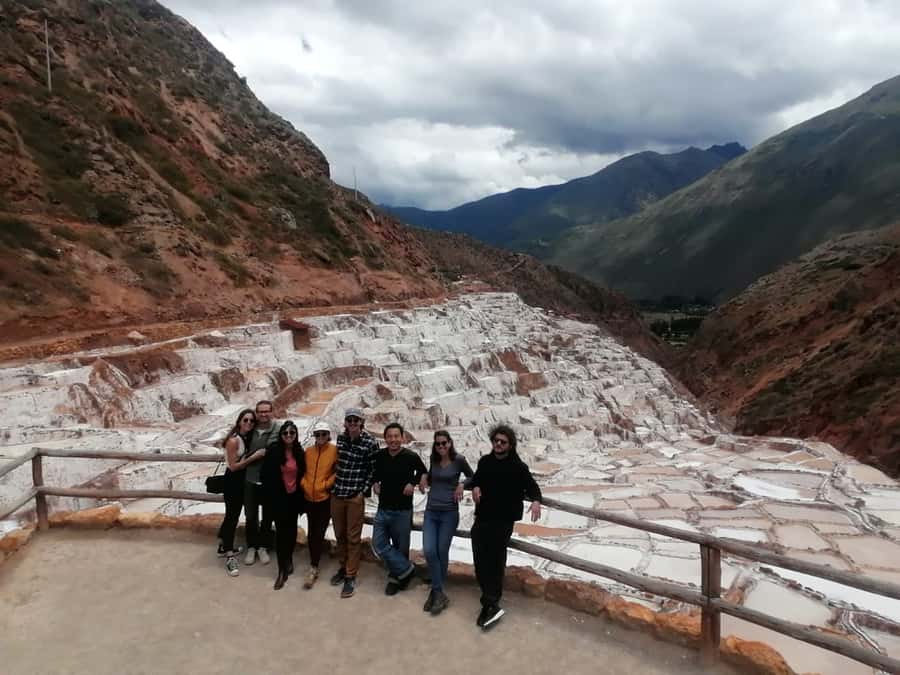
- Maras salt mines, visually wild: rows of salt pools you see up close with guided context
- Sacred Valley add-ons: Chinchero, Ollantaytambo, and Pisac are built for both history and stunning views
- Shared transport, hotel pickup: convenient door-to-door service from many Cusco hotels
- Tickets and entrances are extra: you’ll likely pay separate fees for Moray and Maras on-site
- Some schedule wobble is possible: at least one review reported late pickup, so build in a buffer
More of the valley floor, from Pisac to Ollantaytambo
- Cusco: Sacred Valley, Pisac, Ollantaytambo, Salt Mines Moray★ 4.6 · 1,058 reviews
- Cusco:Chinchero,Moray & Salt Mines drop-off in Ollantaytambo★ 4.8 · 793 reviews
- Sacred Valley: Chinchero, Moray, Ollantaytambo & Pisac+Lunch★ 4.8 · 501 reviews
- Sacred Valley: Maras & Moray by Quad Bike from Cusco★ 4.6 · 418 reviews
What this Cusco to Moray and Salt Mines experience is really about
This isn’t just a check-the-box tour. It’s a focused route that centers on two places where the Inca (and later communities) used the land intelligently. Moray shows you an unusual agricultural design. Maras shows you how people turned a natural resource into an ongoing industry.
If you pick the full Sacred Valley option, the tour also helps you connect the dots between different Inca sites. You’ll move from royal-style remains at Chinchero, to farming experimentation at Moray, to a production landscape at the salt mines, then on to towns like Ollantaytambo and Pisac that sit at the heart of valley life.
The best part is that you’ll have a guide to interpret what you’re seeing. That matters most at Moray, where the circular terraces look mysterious until someone explains how they function and why they were built.
Choosing between the tour options (and matching your energy level)
You’ll see a few versions of this experience, and the timing shifts a lot based on which one you choose.
Option 1: Moray plus Maras (half-day feel)
This version is the tightest. You’ll go from Cusco to Moray first, then continue to Maras, with guided time at each. It’s a good choice if you want the core highlights without committing to a full long day.
It starts with hotel pickup around 7:40 AM. After that, expect the day to be about travel plus concentrated site time.
Option 2: Full Sacred Valley loop (long day, more stops)
This is the big circuit. Pickup usually happens between 6:35 AM and 6:55 AM, and you’ll visit multiple Sacred Valley highlights: Chinchero, Moray, Maras salt mines, then Urubamba for lunch, followed by Ollantaytambo and Pisac, returning to Cusco around 7:00 PM.
If you want more than two sites, this option is where the value is. Lunch in Urubamba is included, with more than 30 varieties of typical dishes. You’ll also get walking time in Ollantaytambo’s small streets, which helps the town feel less like a museum stop and more like a living place.
More salt pans, terraces and weaving villages
Option 3: Flexible focus (confirm details at pickup)
This version depends on what’s arranged at the start. You’ll travel to the Valley of Urubamba, with Moray and the salt mines guided. It also notes you can stop at places you want for photos, if timing allows.
This is the option I’d consider if you’re the type who wants a little freedom to pause for photos. Just keep in mind that “flexible” usually means “limited by the group schedule.”
Getting from Cusco: the morning ride you should plan for
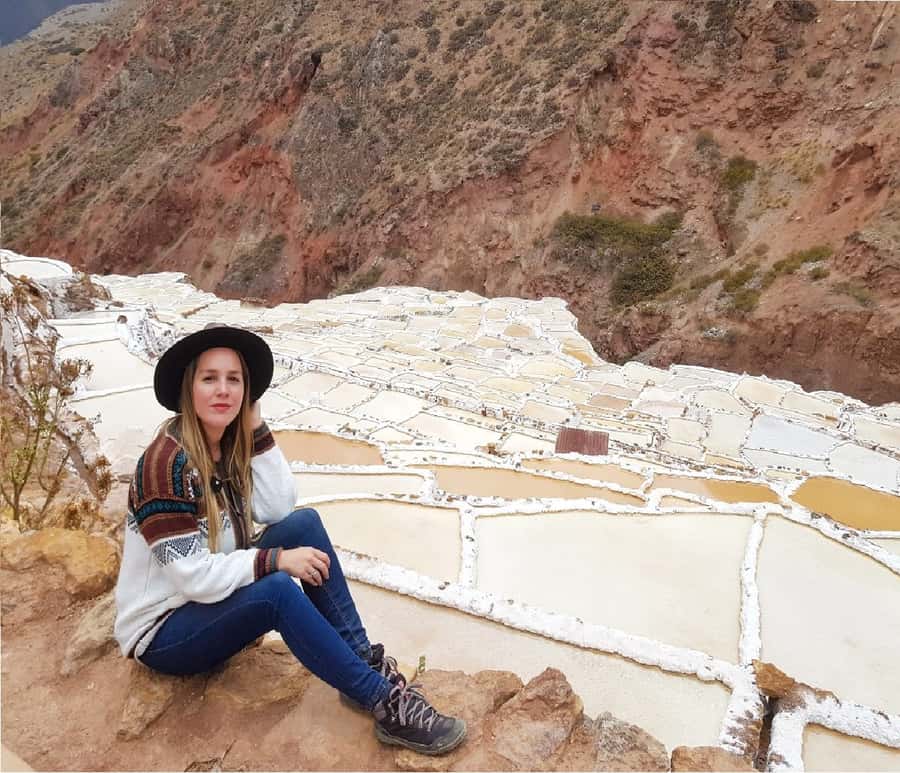
Pickup happens from lots of Cusco hotels, with meeting time generally in the morning. One note says to wait 7:30 AM to 8:00 AM, and another says pickup for the longer Sacred Valley route is 6:35 AM to 6:55 AM.
You’re on shared transportation, so the ride is part of the experience. The upside is convenience, you do not have to figure out timing or logistics. The downside is that shared groups can lead to occasional delays, and at least one review reported a pickup that ran late by about an hour.
If you’re sensitive to motion, I’d take it seriously. One review complained about a driver’s fast, rough style. Even if that’s not your experience, it’s worth bracing for a bumpy Andean road day.
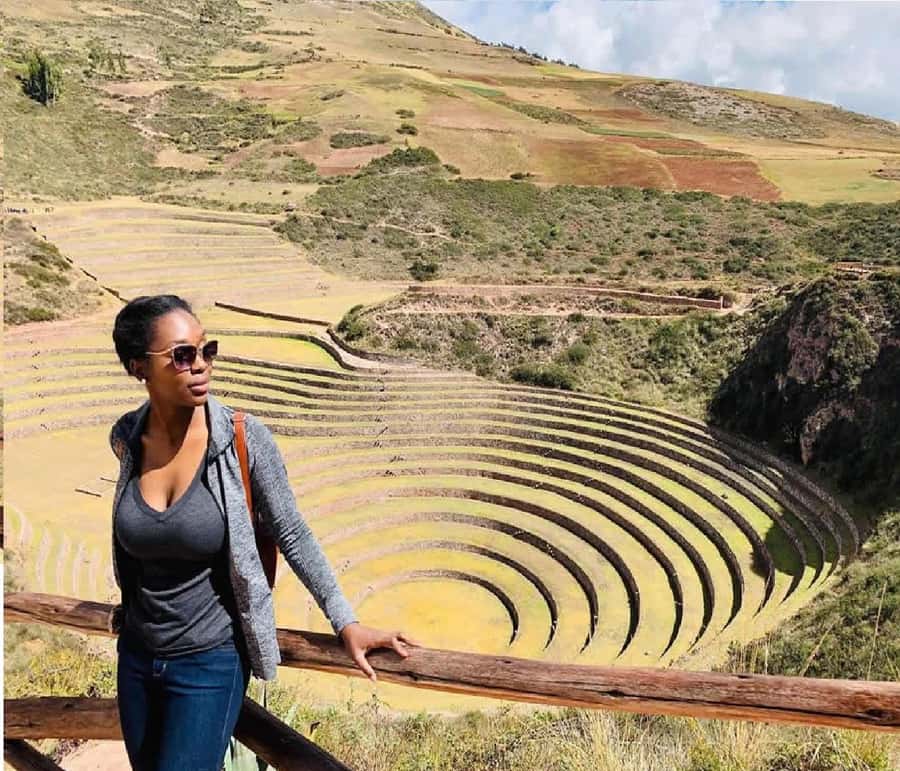
Moray terraces: the engineering puzzle you’ll want a guide for
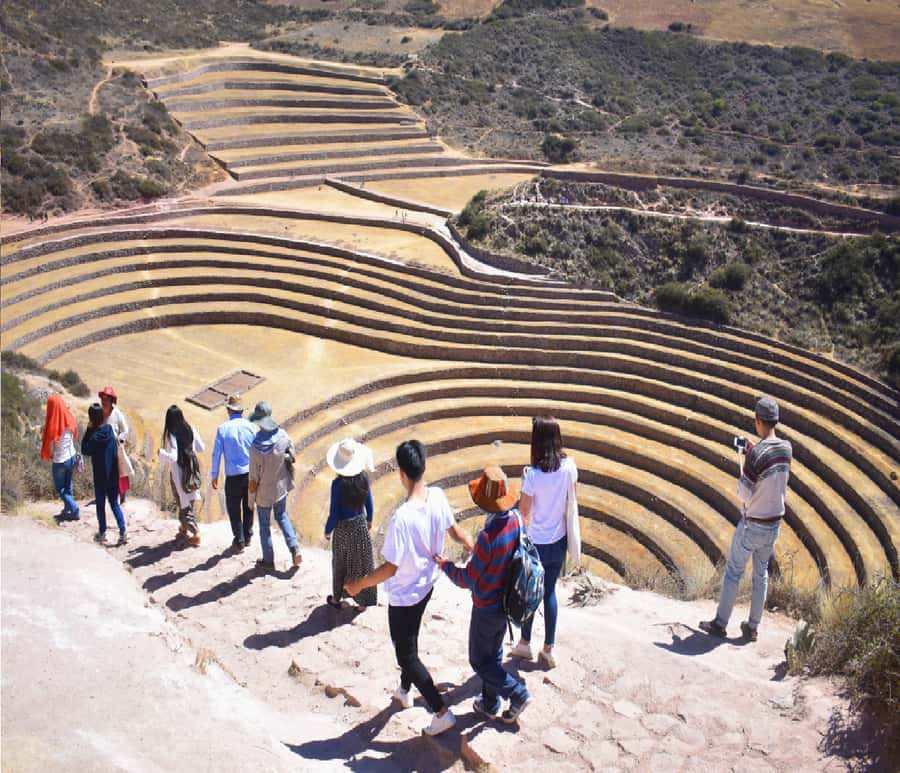
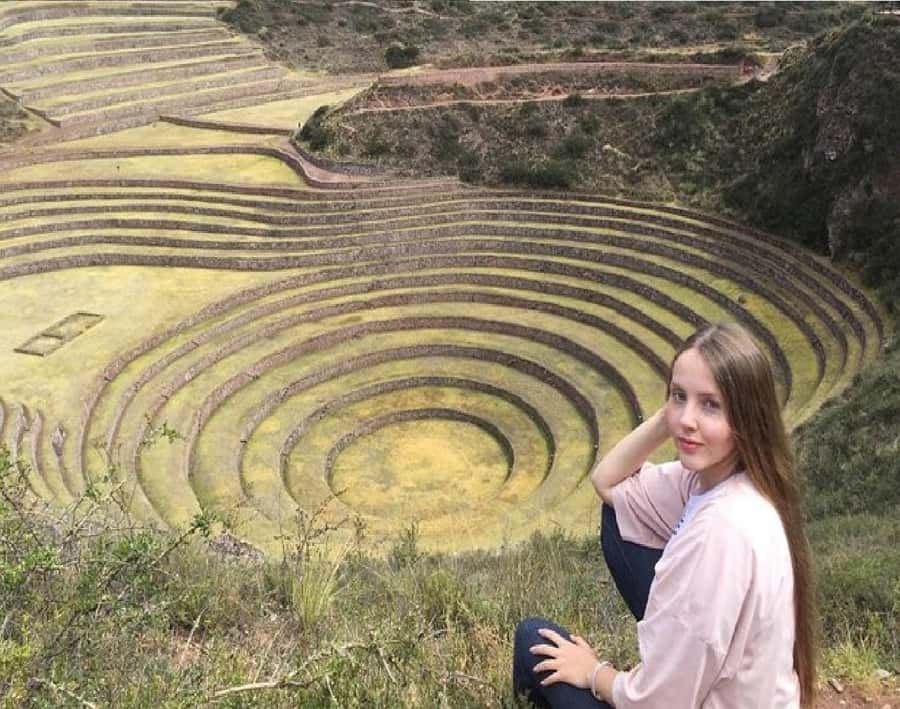
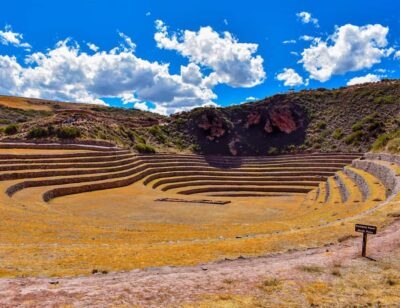
Moray is the headline act for a reason. You’ll arrive to a guided visit where you’ll learn about the circular terraces and their agricultural purpose.
Here’s the key idea: the terraces are built at different heights. That design allowed sowing of endless Andean products by using microclimates created by elevation and exposure. Once you hear that, Moray stops being “just a weird circle of stones” and turns into a real example of human adaptation.
The tour includes a structured visit plus free time (about 50 minutes) in the Moray area in the shorter option setup. That free time is important. You’ll want a window to walk the perimeter slowly and absorb the views, then come back to your guide’s explanations with new context.
Practical note about the Moray ticket
Access to Moray typically requires a separate tourist ticket. The tour info states the ticket is 70 PEN. Plan to bring cash.
Maras salt mines: rows of salt pools with a production feel
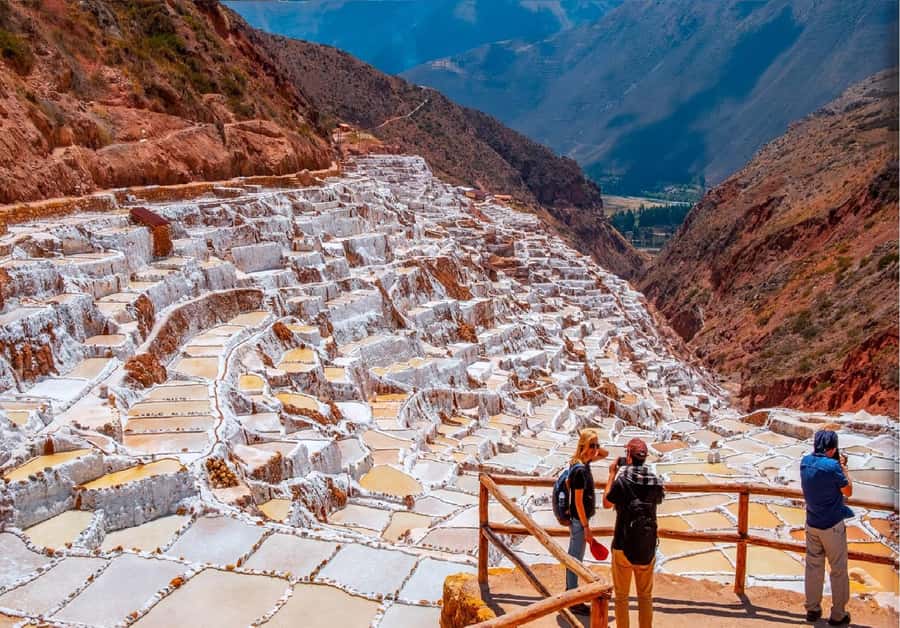
After Moray, you continue to Maras. The guided visit covers the history of salt mining and what you’re looking at when you see the many salt wells and pools.
This place feels different from Moray. Moray is built to manage nature for farming. Maras is about extracting value from a natural salt source, day after day, using a system that’s visible from the outside.
You also get guided time (about 50 minutes) in Maras in the shorter route description, which usually means you won’t just rush through. You’ll have enough time to notice patterns in how the salt pools are arranged and to ask questions that go beyond the basics.
Plan for the Maras entrance fee
The tour info includes an entrance fee for Maras salt mines. One note says 10 PEN. Another line lists 20 soles. Either way, bring extra cash so you’re not stuck figuring out currency on the spot.
Chinchero: the royal hacienda connection you might not expect
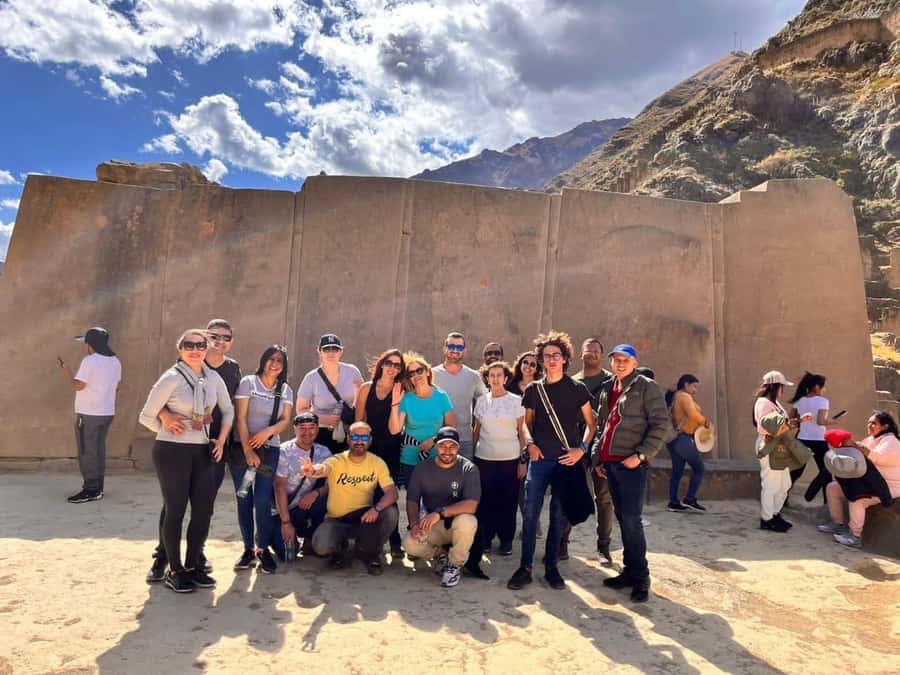
If you choose the full Sacred Valley route, your first stop after pickup is usually Chinchero. You’ll visit the remains of the royal hacienda of Túpac Inca Yupanqui and admire a well-preserved Inca wall in the main square.
Chinchero is useful because it gives you a different Inca flavor than Moray. Instead of terraces and agricultural experimentation, you’re looking at lived history tied to a specific royal figure. Even if you’re not a hardcore Inca-architecture person, this stop helps your brain anchor the sites into a broader timeline.
You’ll get photo stops and guided time, enough to understand what you’re seeing without turning the morning into a lecture.
Urubamba lunch: a chance to slow down (only on the full-day version)
Lunch is included only on the longer Sacred Valley route. You’ll stop in Urubamba and eat with more than 30 varieties of typical dishes.
That’s a big part of the value if you’re comparing options. It’s not just food, it’s a break from constant walking and traveling, and it gives you time to refuel.
Because it’s included, it also reduces decision fatigue. You can focus on the sites instead of hunting for lunch at the last minute.
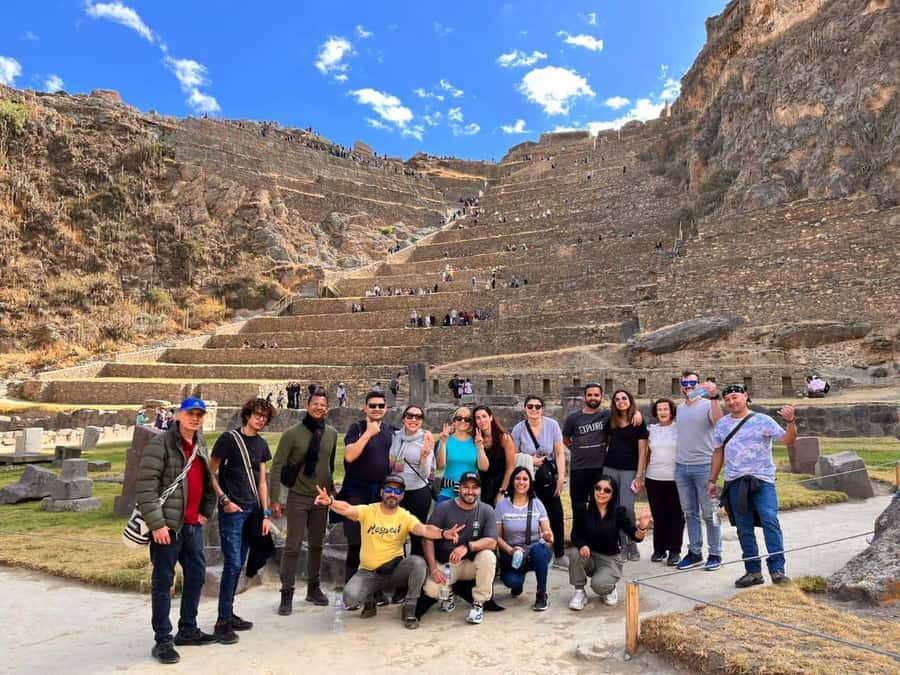
Ollantaytambo: town energy plus Inca defense logic
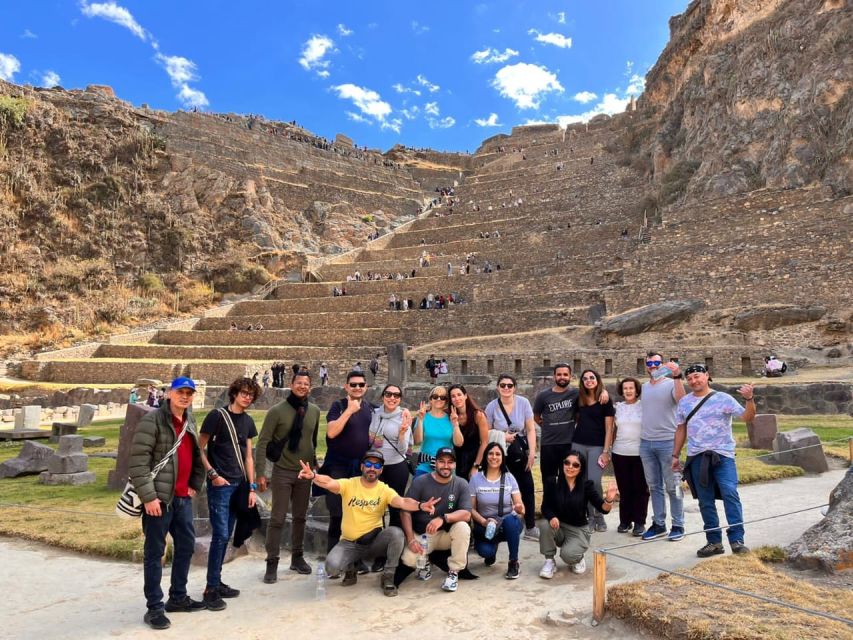
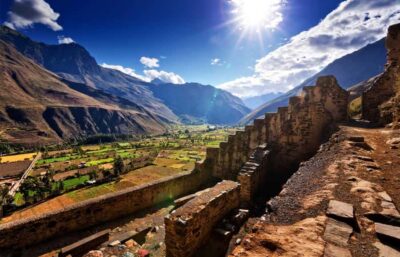
Ollantaytambo is more than an archaeological complex. The tour frames it as a place built to guard the entrance to this portion of the valley and protect it from possible invasions from jungle regions.
That defense story changes how you interpret what you see. When you understand that this was a strategic place, the layout and fortification feel less random.
You also get time to walk the small streets of the town. That matters. It’s where you get a sense of what daily life could have looked like during the Inca Empire, especially as a military, religious, and cultural center.
Pisac: the big Sacred Valley finale
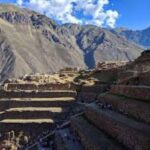
Pisac is the last major site on the full route. You’ll visit a monumental area made up of groups of platforms and architectural structures scattered on slopes and along higher sections.
What I like about Pisac is that it tends to feel scenic and structured at the same time. The buildings are carefully finished, but they’re also spread out in a way that matches the terrain. On a long day, it’s a satisfying finale because you get both architecture and perspective.
The tour includes guided time and then you’ll roll back toward Cusco afterward.
How long is the day, really?
The duration is listed as 6 to 12 hours, depending on which option you choose and how your schedule lands.
If you do the Moray plus Maras version, you’re looking at the lower end. If you do the full Sacred Valley loop with multiple towns and a long return, you’ll be closer to the upper range.
Either way, plan your body for a long outing. One review nailed it: it was beautiful, but tiring. That’s common at altitude and common when you combine travel time with multiple sites.
Price and value: why this is often worth it
The price is $25 per person. For Cusco area tours, that’s generally on the reasonable side for a guided route that covers multiple major stops.
Here’s where value shows up:
- You get a professional bilingual guide, which makes Moray and the salt mines far more meaningful.
- Hotel pickup and round-trip shared transport are included, saving time and reducing logistics stress.
- If you pick the full-day Sacred Valley option, lunch is included, and the stop at Urubamba adds real value.
The costs that are not included are important to factor in. Moray requires a tourist ticket (listed as 70 PEN). Maras salt mines have an entrance fee (listed as 10 PEN in one note, with another listing 20 soles). You should also budget for food if you’re on a shorter option that does not include lunch.
If you want to do Moray and Maras, paying for a guide and transport is often the easiest way to get there and understand it, especially if it’s your first time in the area.
What I’d do to make this tour smoother
Based on what you’re told to bring and what reviews hint at, I’d prep like this:
- Wear comfortable shoes you can handle on uneven ground.
- Bring breathable clothing since you’ll likely be outside for long periods.
- Carry cash for the Moray ticket and Maras entrance fee.
- Bring your passport or ID card.
- If you speak limited Spanish, know the bilingual guide helps, but one review suggested the tour had many Spanish-speaking guests, so you might hear more Spanish than you expect.
And for the energy part, pick the option that matches your stamina. If long days already drain you, go for the Moray plus Maras focus. If you want the full Sacred Valley story, choose the long loop and treat it as a serious day trip.
Who should book this tour
This is a great fit if you want:
- Moray terraces plus Maras salt mines with guided context
- A short list of stops that are actually important in the Cusco region
- Either a focused half-day style visit or a full Sacred Valley day with multiple towns and included lunch
It’s less ideal if:
- You have mobility limitations, since the tour is not suitable for people with mobility impairments
- You’re expecting a relaxed pace, because the route can be physically tiring
Also note: there are restrictions for people over 95 years listed for unsuitability.
Should you book it?
Yes, I think you should book this tour if Moray and Maras are on your must-see list and you want a guide to connect the engineering and history. The biggest value is that you’re not just going to famous places, you’re getting explanations for what makes them work, from terrace height differences to salt-mining systems.
Choose the shorter Moray plus Maras option if you’re optimizing for energy and time. Choose the full Sacred Valley route if you want the bigger story, including Chinchero, Urubamba lunch, Ollantaytambo, and Pisac.
Just go in with realistic expectations about a long day and bring cash for the separate site fees. If you do that, this is one of the most satisfying engineering-and-history combos you can build from Cusco.
FAQ
How long is the tour?
The duration is listed as 6 to 12 hours, depending on the option you choose.
Do I get hotel pickup and transportation?
Yes. Hotel pickup and round-trip shared transportation are included.
What sites are visited on the longer Sacred Valley option?
Chinchero, Moray, Maras salt mines, Urubamba for lunch, Ollantaytambo, and Pisac.
Are the Moray and Maras fees included?
No. A tourist ticket for access to Moray is not included, and an entrance fee for the Maras salt mines is also not included. Cash is recommended.
Is lunch included?
Lunch in Urubamba is only included if you book the full-day Sacred Valley option.
What should I bring?
Bring your passport or ID card, comfortable shoes, breathable clothing, and cash.
What languages are available for the guide?
The live guide is listed as English and Spanish.
More Tour Reviews in Cusco
- Cusco: Humantay Lake Tour with Breakfast and Buffet Lunch
★ 4.9 · 2,976 reviews - From Cusco: Moray, Maras Salt Mines & Chinchero Weavers Tour
★ 4.8 · 1,925 reviews - From Cusco: Full-Day Group Tour of Machu Picchu
★ 4.7 · 1,767 reviews - Machu Picchu Day Trip from Cusco
★ 4.5 · 1,644 reviews - Cusco: Half-Day City Tour with Sacsayhuaman and Q’enco
★ 4.6 · 1,129 reviews
Maras, Moray and Chinchero Again
- From Cusco: Moray, Maras Salt Mines & Chinchero Weavers Tour
★ 4.8 · 1,925 reviews - Cusco: Sacred Valley, Pisac, Ollantaytambo, Salt Mines Moray
★ 4.6 · 1,058 reviews - Cusco:Chinchero,Moray & Salt Mines drop-off in Ollantaytambo
★ 4.8 · 793 reviews - Sacred Valley: Chinchero, Moray, Ollantaytambo & Pisac+Lunch
★ 4.8 · 501 reviews - Sacred Valley: Maras & Moray by Quad Bike from Cusco
★ 4.6 · 418 reviews
Keep Going Down the Valley
- Cusco: Sacred Valley, Pisac, Ollantaytambo, Salt Mines Moray
★ 4.6 · 1,058 reviews - Cusco:Chinchero,Moray & Salt Mines drop-off in Ollantaytambo
★ 4.8 · 793 reviews - Sacred Valley: Chinchero, Moray, Ollantaytambo & Pisac+Lunch
★ 4.8 · 501 reviews - Sacred Valley: Maras & Moray by Quad Bike from Cusco
★ 4.6 · 418 reviews - Pisac Indian Market and Ollantaytambo Fortress with Lunch
★ 4.5 · 395 reviews
Fresh in from Cusco


Maras, Moray & Chinchero Tours, compared.
 ★ 4.8Sacred Valley & Maras Salt Mines Tour with LunchFrom $282,227 reviews
 ★ 4.8Moray, Maras Salt Mines & Chinchero Weavers TourFrom $151,925 reviews
 ★ 4.6Sacred Valley, Pisac, Ollantaytambo, Salt Mines MorayFrom $281,058 reviews
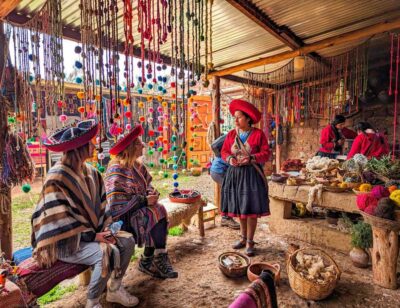 ★ 4.8Chinchero,Moray & Salt Mines drop-off in OllantaytamboFrom $27793 reviews
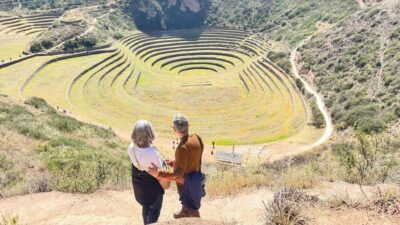 ★ 4.8Sacred Valley: Chinchero, Moray, Ollantaytambo & Pisac+LunchFrom $25501 reviews
 ★ 4.6Sacred Valley: Maras & Moray by Quad Bike from CuscoFrom $39418 reviews
 ★ 4.7Quad bike tour Moray and Salt MinesFrom $27314 reviews
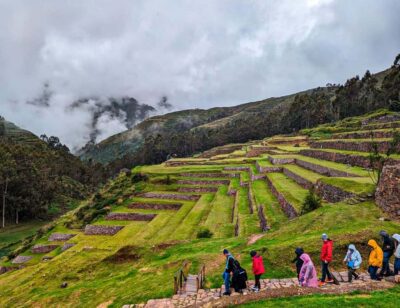 ★ 4.8Sacred Valley Pisaq,Ollantaytambo,Chinchero with LunchFrom $28183 reviews
Browse the lists this tour appears in