
REVIEW · MARAS, MORAY & CHINCHERO TOURS
From Cusco: Sacred Valley & Maras Salt Mines with Lunch
One day. Five big Sacred Valley stops. And you get it done with real guidance.
What makes this trip work is the route. You move from Chinchero to the Moray salt country (Moray then Maras), then round the day out with Ollantaytambo and Pisaq. I like that it hits both sides of the valley story, the textile traditions and Inca engineering in stone and terraces.
Two things I’m especially drawn to are the tour pace and the human touch. The guide Rudy brings a fun, energetic style, and that helps when you are jumping between sites with different elevations and lots of viewpoints. The lunch in Urubamba is also a strong point, a buffet built for fueling a high-altitude day. One thing to plan for: you pay extra entrance fees on top of the tour price, including the salt mines ticket.
Key things that make this tour worth your time
- Chinchero textiles up close, with a Textile Interpretation Center and guided time in the community area
- Moray as an Inca agricultural lab, plus a focused visit that explains what you are looking at
- Maras Salt Mines, a unique landscape stop with photo time and guided context
- Urubamba buffet lunch, timed to keep you strong for the afternoon stone sites
- Ollantaytambo highlights, including the Temple of the Sun and the Princess Baths fountain area
- Pisaq mix of ruins and market, with a mountaintop archaeological visit and a handicraft stop
More of the valley floor, from Pisac to Ollantaytambo
- Cusco: Sacred Valley, Pisac, Ollantaytambo, Salt Mines Moray★ 4.6 · 1,058 reviews
- Cusco:Chinchero,Moray & Salt Mines drop-off in Ollantaytambo★ 4.8 · 793 reviews
- Sacred Valley: Chinchero, Moray, Ollantaytambo & Pisac+Lunch★ 4.8 · 501 reviews
- Sacred Valley: Maras & Moray by Quad Bike from Cusco★ 4.6 · 418 reviews
The Sacred Valley route: a tight loop with big variety
This is the kind of one-day plan that makes sense if you only have a short window in Cusco. You start with a hotel pickup in the Cusco area in the morning, then spend most of the day moving north and back again through the valley. It is not rushed in the sense of “see it from the bus only,” but it is efficient. You get guided time in key sites, plus just enough photo stops to collect the must-have views.
You also get variety in the best way. The day mixes hands-on culture (textiles), Inca “science” (Moray), a visual natural resource (salt at Maras), then classic Sacred Valley stonework (Ollantaytambo) and a mountaintop complex with a market stop (Pisaq). That is a lot of contrast for one day, and it keeps the trip from feeling repetitive.
Altitude matters here. Cusco is already high at 3,350 meters (10,990 feet). Later you reach Chinchero, Moray, and Maras around 3,762 meters (12,342 feet). Urubamba sits lower at about 2,780 meters (9,120 feet), then you head back up to Ollantaytambo around 2,790 meters (9,153 feet) and Pisaq around 3,300 meters (10,826 feet). You will walk a bit at several stops, so pace yourself. Take your time on uphill sections, and plan to move a little slower than you do at sea level.
Chinchero and its Textile Interpretation Center
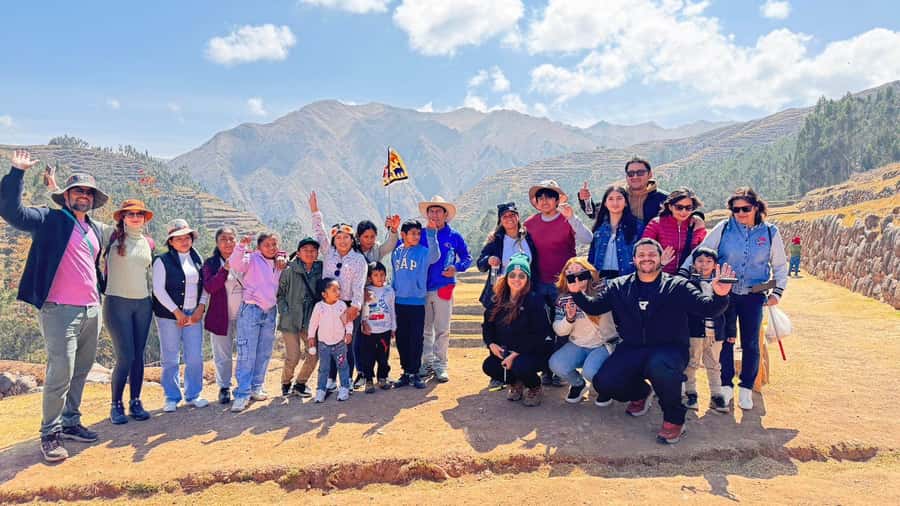
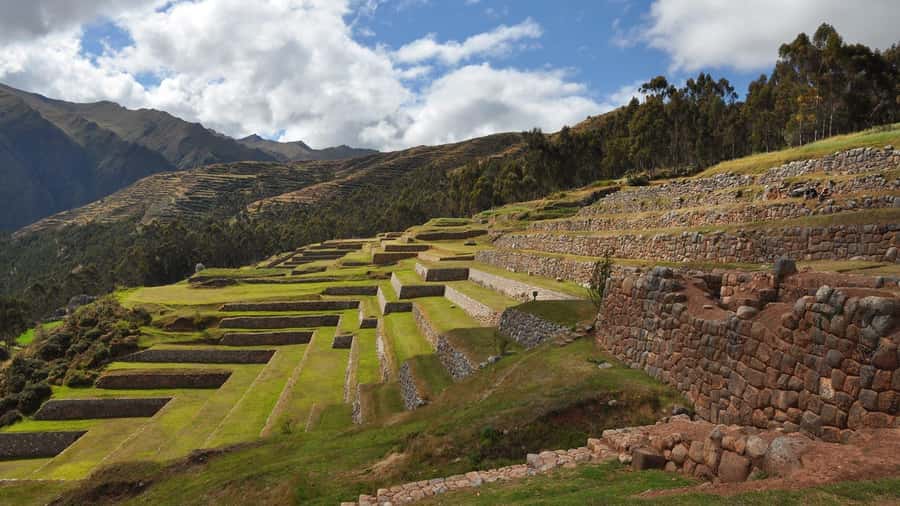
Chinchero is the first real cultural landing point of the day. You go out from Cusco, with a long-ish drive time of about 70 minutes, so use the van time to get your breath under control and get ready for walking.
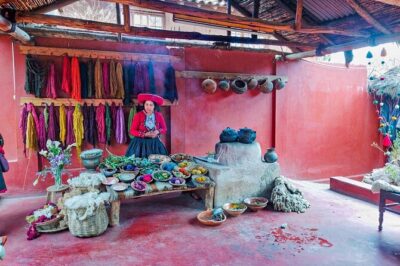
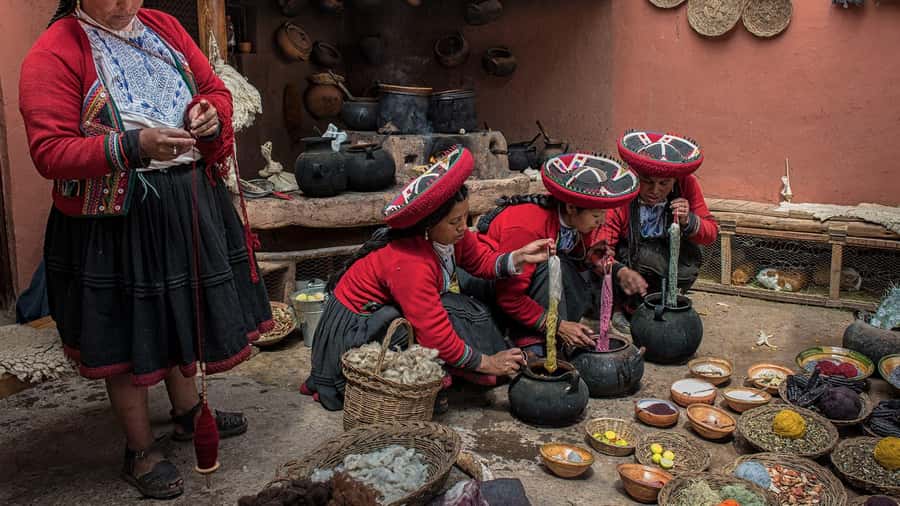
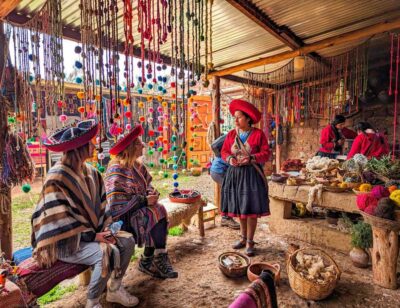
In Chinchero, you get a guided visit and time in the local community area tied to textiles, including the Textile Interpretation Center. This is where the Sacred Valley story becomes practical. You do not just hear that Inca-era weaving was important, you see how traditional textile knowledge continues in the region through teaching and interpretation.
Expect a guided time plus a walk here (about 80 minutes in the schedule). That is long enough to understand what you are looking at and not just glance and rush. If you like craft, materials, and the human side of heritage, this is often the part that feels most personal.
Practical note: textiles and marketplaces can be a bit warm and busy. Bring a light layer you can adjust, and if you are sensitive to altitude, keep your walking steady rather than trying to “power through.”
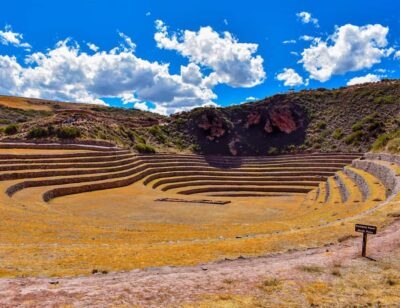
Moray: the Inca Agricultural Laboratory you can actually picture
After Chinchero, you transfer again, about 40 minutes. Moray is short on walking but strong on concept. The schedule calls for a photo stop, a guided visit, and a walk totaling about 30 minutes.
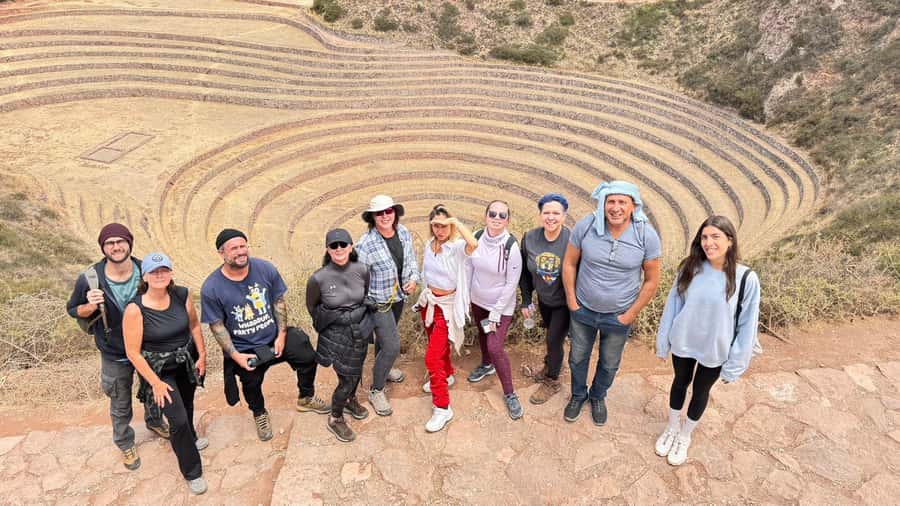
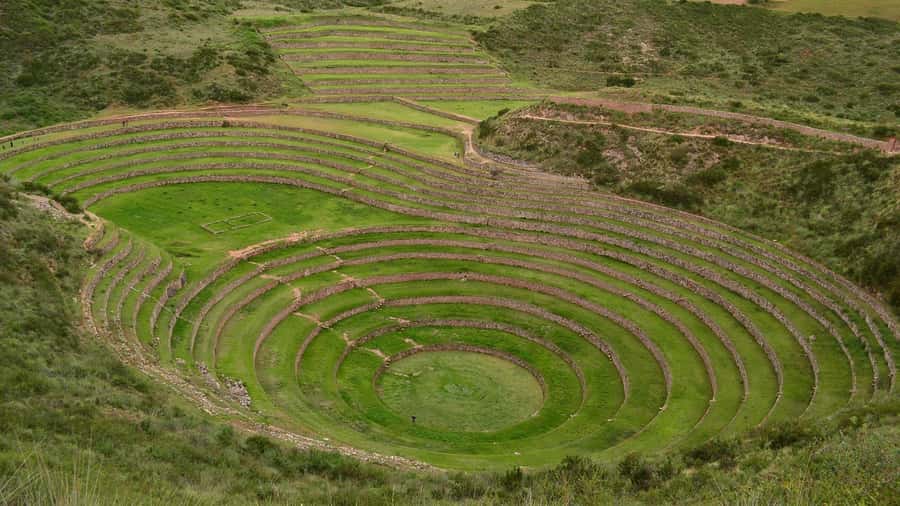
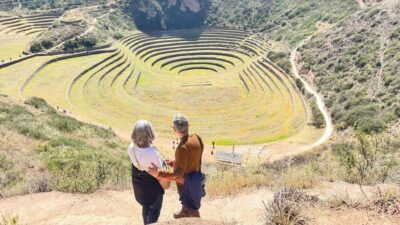
Moray is often described as the Inca Agricultural Laboratory, and that label is not just a catchy phrase. When you are standing amid the terraced structure, the idea becomes visual. The design suggests experimentation with conditions across levels. Even if you are not a science person, you can see why this place drew attention from the Incas and why it is considered “lab-like” in spirit.
Moray is also a good checkpoint for your energy. You have not yet hit the full briny spectacle of Maras. This stop gives you a clear Inca-meets-environment theme before the salt mines throw everything into a different category.
Altitude note again: Moray is at about 3,762 meters. The walk is not huge, but take it easy, especially if you have had any altitude symptoms in Cusco. A calm pace is the move.
Maras Salt Mines: brine, geometry, and a landscape that surprises
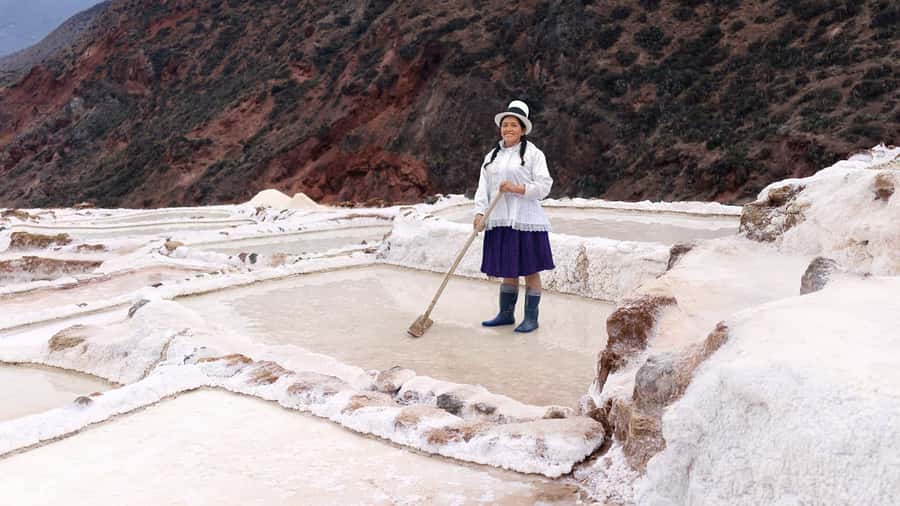
Then comes the stop that people talk about because it looks like nowhere else in Peru. You pass through the town of Maras and visit the salt mines of Maras. The schedule gives you about 40 minutes with a photo stop, guided visit, and sightseeing.
What I like about this part of the day is the mix of visuals and explanation. Salt mines are not just a photo opportunity here. The guided context helps you understand why the site exists where it does and why these small pans matter.
The Maras area is at the same altitude as Chinchero and Moray, about 3,762 meters. That means you may feel the day a bit more here, even if the time on foot is manageable. Sunscreen helps, and water is worth carrying even if you do not feel thirsty at first.
Budget note: entrance to the salt mines is not included. Plan for the 20 soles salt mines ticket.
More salt pans, terraces and weaving villages
Urubamba lunch: a buffet that keeps the day moving
You reach Urubamba for lunch, around the midday window. The schedule places you there for about 1 hour, and lunch is included as a buffet of Peruvian cuisine. This is your fuel stop before the stone-heavy afternoons at Ollantaytambo and Pisac.
There are two things worth calling out about lunch here. First, it is in Urubamba, which sits lower than the high points you visited earlier. That makes it easier to eat without feeling totally wiped out. Second, the description emphasizes a novoandino buffet with Cusquenian flavors, so it is not just generic cafeteria food. If you like trying regional dishes, this is a good place to do it without committing to one expensive plate.
I suggest you treat buffet time as strategic. Eat enough to keep you going, but avoid the super heavy choices if you are already feeling altitude fatigue. Think steady energy, not sleepy energy.
Ollantaytambo: stone terraces, the Temple of the Sun, and the Princess Baths fountain
After lunch you continue onward and arrive at Ollantaytambo, with about 30 minutes on the transfer in the schedule. The time here is about 1.5 hours including a photo stop, guided visit, and sightseeing.
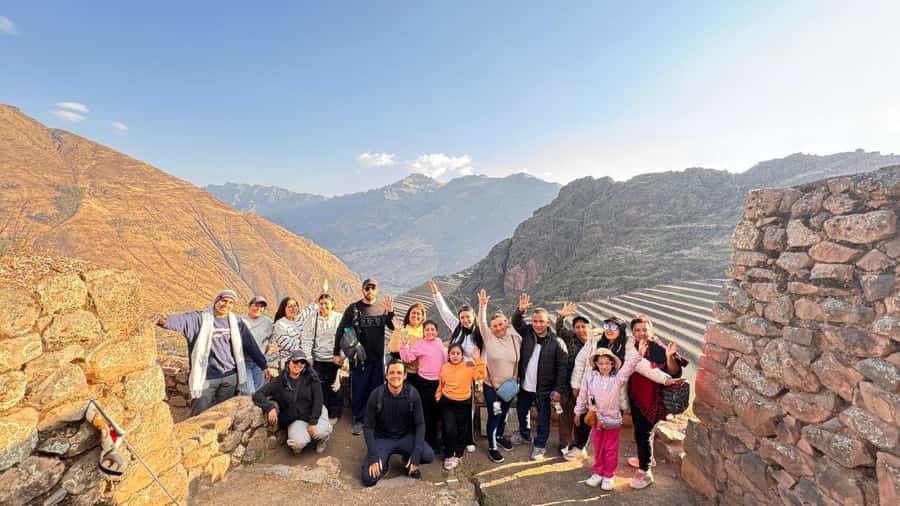
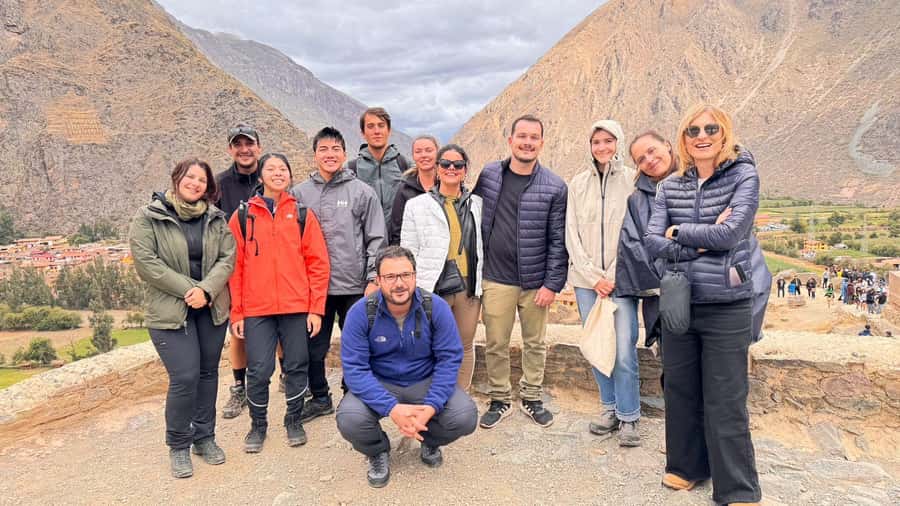
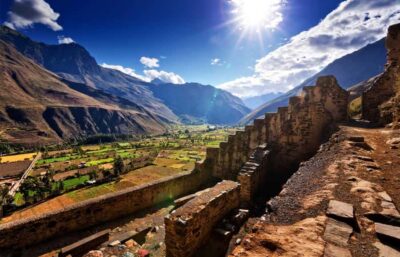
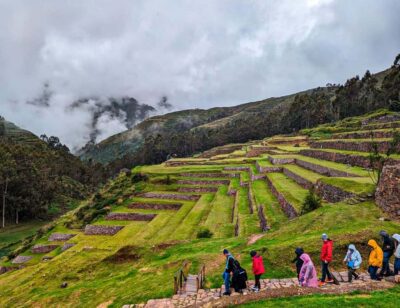
Ollantaytambo is one of those places where you start noticing how the Incas shaped movement through stone. You will explore major features, including the great stone terraces, the Temple of the Sun, and the fountain of the Princess Baths area. Even with limited time, you get the core highlights instead of getting lost.
This stop also helps you connect dots across the day. Earlier you saw textiles and agricultural experimentation. Now you see how engineering, religion, and water all show up in one compact, dramatic stone setting. If you want a site where the structures feel “built to last,” this is it.
One more practical angle: you are still at high altitude, around 2,790 meters (9,153 feet), and there can be uneven ground. Keep your footing careful and wear shoes you trust.
Pisac: mountaintop ruins and a handicraft market stop
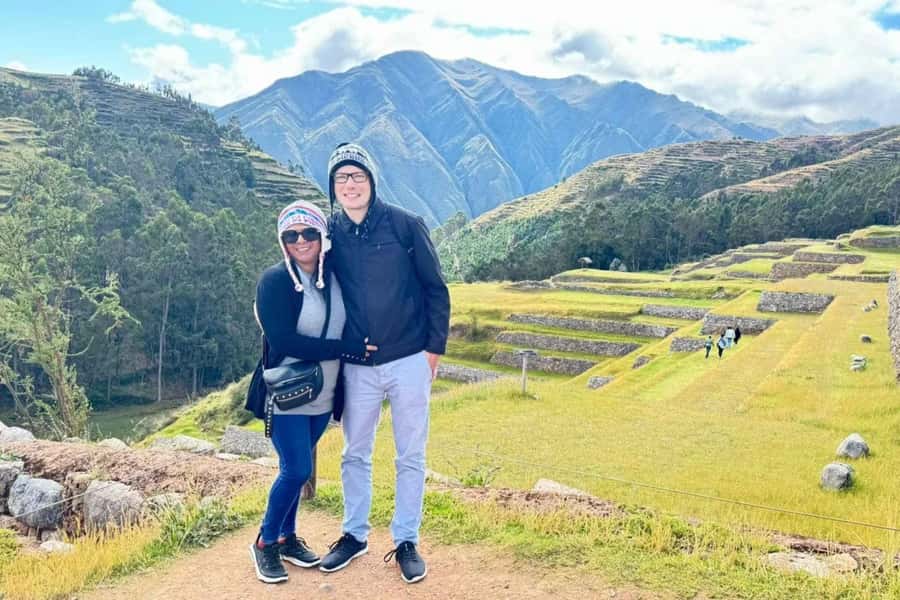
Pisac is the final cultural and viewpoint payoff. The day’s schedule gives you a transfer to Pisac of about 80 minutes, then about 1 hour total in the Pisac area.
You start with the archaeological site of Pisac, built on top of a mountain. This is the kind of site where the position does part of the storytelling. The height helps you feel the defensive and observational logic behind the layout.
On the way back toward Pisac town, you also get a picturesque handicraft market stop. The description notes that local people are experts working with minerals, which is a nice way to frame what you may see for sale. If you want something small and meaningful rather than mass-produced souvenirs, this is where you can spend time browsing without breaking the flow of the day.
Pisac altitude is about 3,300 meters (10,826 feet), so by now you may feel it more. The good news is your schedule includes sightseeing time, not a long hiking push. If you are feeling the altitude, focus on viewpoints and the key structures and let the market browsing be shorter rather than longer.
Transfers, group comfort, and why the guide matters
This is a shared service with hotel pickup and a shared mobility setup. Translation: expect a normal day of Cusco-area driving, plus a few pickup minutes where you meet the guide near downtown.
A big plus from the experience is the guide quality. Rudy stands out in the way he teaches. He brings a high-energy, fun approach and keeps explanations lively, which matters when you are listening for hours and scanning ruins with lots of details. Comfortable transfers also help. When the van time is predictable, the site time feels better.
Also, this tour ends centrally around the evening. You are looking at about 18:30 to 19:00, with the finish area noted as Plaza Regocijo and also referenced as Plaza de San Francisco. Either way, you should be able to walk to dinner without needing another long ride.
Price and value: what $30 really buys you
At $30 per person for a full day, this tour can be a strong value because you get multiple guided site visits, hotel pickup, and an included buffet lunch. It is not just transport. You are paying for organization, timing, and someone to explain what you are seeing at each stop.
But you do need to add two costs. Entrance tickets are not included, listed as 70 soles, and the salt mines ticket is 20 soles. If you only look at the base price, the final number can feel surprising.
Here is how I think about it for planning purposes: this day can replace the headache of arranging separate tickets and guides for each valley stop. If you want a guided, structured route with lunch built in, it is easier and often worth it. If you prefer to DIY with your own schedule, then you might compare against the cost of transport plus buying sites individually.
Who this tour suits best
This fits you if:
- you want a big Sacred Valley highlights day without committing to Machu Picchu logistics
- you enjoy guided context for what you are looking at, from textiles to terraces
- you want an included lunch so you do not spend your afternoon hunting for food
It might be less ideal if:
- you are very sensitive to altitude and prefer fewer high points
- you dislike markets or shopping stops, even if the market time is part of the flow
Should you book? My practical take
Book it if you want one efficient day that covers Chinchero, Moray, Maras, Ollantaytambo, and Pisac, with a guide and a real lunch stop. The stand-out factor is how the guidance keeps things interesting, especially when you are moving across sites with different themes.
Skip or consider another option if your budget cannot handle 70 soles for entrance tickets plus 20 soles for the salt mines. Also, if walking uphill and uneven ground at high elevation could be a problem, plan to take it slow, because the schedule includes multiple guided walks.
If you can handle altitude and you like getting your bearings quickly in the Sacred Valley, this is a solid one-day plan.
FAQ
Where does the tour pick up in Cusco?
The tour offers pickup from your hotel or accommodation in downtown Cusco. If you are staying in a private place, you share the address and phone number, and you will be given a nearby meeting point.
How long is the tour?
It is listed as a 1 day experience, with the tour running from the morning pickup to about 18:30 to 19:00 in the evening.
What language is the guide?
The guide is provided in English and Spanish.
Is lunch included?
Yes. Lunch is included as a buffet in Urubamba.
Are entrance tickets included in the price?
No. Entrance tickets are not included, listed as 70 soles, and the salt mines ticket is 20 soles.
What sites are included in the day?
The itinerary includes Chinchero, Moray, Maras Salt Mines, Ollantaytambo, and Pisaq, plus a stop at a handicraft market in Pisac.
What is the highest altitude you reach?
The highest altitude listed is about 3,762 meters (12,342 feet) at Chinchero, Moray, and Maras.
Is free cancellation available?
Yes. You can cancel up to 24 hours in advance for a full refund.
More Leaving From Cusco
- Cusco: Humantay Lake Tour with Breakfast and Buffet Lunch
★ 4.9 · 2,976 reviews - From Cusco: Moray, Maras Salt Mines & Chinchero Weavers Tour
★ 4.8 · 1,925 reviews - From Cusco: Full-Day Group Tour of Machu Picchu
★ 4.7 · 1,767 reviews - Machu Picchu Day Trip from Cusco
★ 4.5 · 1,644 reviews - Cusco: Half-Day City Tour with Sacsayhuaman and Q’enco
★ 4.6 · 1,129 reviews
Maras, Moray and Chinchero Again
- From Cusco: Moray, Maras Salt Mines & Chinchero Weavers Tour
★ 4.8 · 1,925 reviews - Cusco: Sacred Valley, Pisac, Ollantaytambo, Salt Mines Moray
★ 4.6 · 1,058 reviews - Cusco:Chinchero,Moray & Salt Mines drop-off in Ollantaytambo
★ 4.8 · 793 reviews - Sacred Valley: Chinchero, Moray, Ollantaytambo & Pisac+Lunch
★ 4.8 · 501 reviews - Sacred Valley: Maras & Moray by Quad Bike from Cusco
★ 4.6 · 418 reviews
Keep Going Down the Valley
- Cusco: Sacred Valley, Pisac, Ollantaytambo, Salt Mines Moray
★ 4.6 · 1,058 reviews - Cusco:Chinchero,Moray & Salt Mines drop-off in Ollantaytambo
★ 4.8 · 793 reviews - Sacred Valley: Chinchero, Moray, Ollantaytambo & Pisac+Lunch
★ 4.8 · 501 reviews - Sacred Valley: Maras & Moray by Quad Bike from Cusco
★ 4.6 · 418 reviews - Pisac Indian Market and Ollantaytambo Fortress with Lunch
★ 4.5 · 395 reviews
Fresh in from Cusco


Maras, Moray & Chinchero Tours, compared.
 ★ 4.8Sacred Valley & Maras Salt Mines Tour with LunchFrom $282,227 reviews
 ★ 4.8Moray, Maras Salt Mines & Chinchero Weavers TourFrom $151,925 reviews
 ★ 4.6Sacred Valley, Pisac, Ollantaytambo, Salt Mines MorayFrom $281,058 reviews
 ★ 4.8Chinchero,Moray & Salt Mines drop-off in OllantaytamboFrom $27793 reviews
 ★ 4.8Sacred Valley: Chinchero, Moray, Ollantaytambo & Pisac+LunchFrom $25501 reviews
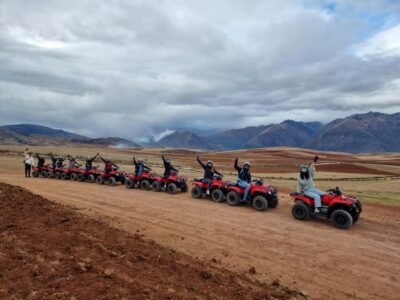
 ★ 4.6Sacred Valley: Maras & Moray by Quad Bike from CuscoFrom $39418 reviews
 ★ 4.7Quad bike tour Moray and Salt MinesFrom $27314 reviews
 ★ 4.8Sacred Valley Pisaq,Ollantaytambo,Chinchero with LunchFrom $28183 reviews
Browse the lists this tour appears in