
REVIEW · FULL-DAY
From Cusco: Q’eswachaka Bridge & 4 Lagoons Full-Day Tour
That rope bridge tests your courage. This full-day tour from Cusco links the Q’eswachaka crossing with four lagoon lookouts, where birds turn the scenery into something you actually remember.
I especially like the early start and the careful pacing, because you get to the bridge after breakfast and before the day gets loud. I also love the four-lagoon circuit, since the views change with the light and you get multiple chances to pause for photos.
One thing to think through: the crossing involves a steep path and a swinging bridge, so this is not the right choice if you have mobility or balance concerns.
Key things to know before you go
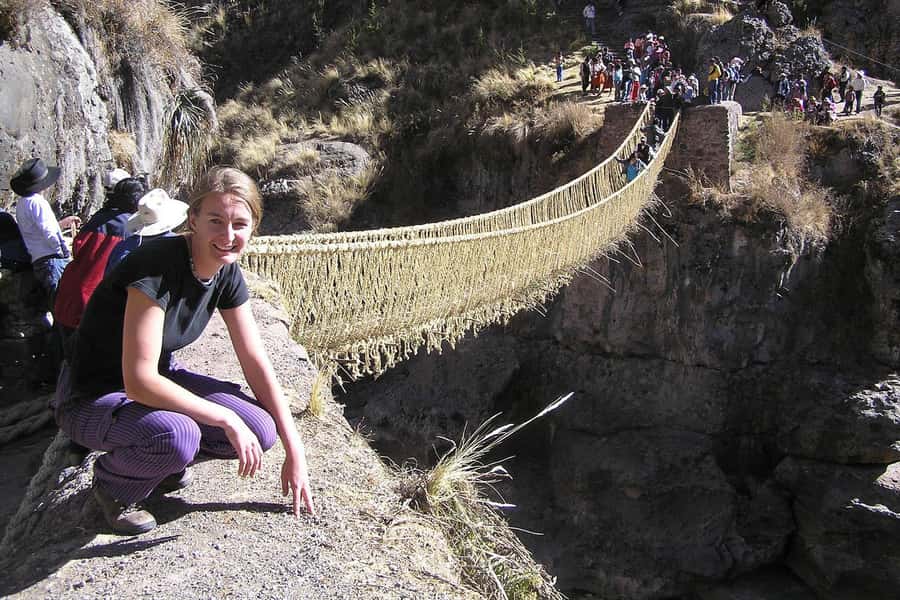
- You cross the last Inca bridge, a rope bridge made from grass that swings as you walk
- Early pickup (4:30 AM to 5 AM) helps you start the day while conditions are calmer
- Apurimac River canyon views come fast, with a viewpoint stop before the crossing
- Four lagoons in one outing: Pampamarca, Asnacqoccha, Acopia, and Pomacanchi
- Birdlife is a real highlight, especially flamingos feeding near the edges
- Meals are included, but plan around the fact that lunch is restaurant-style and may not suit everyone’s taste
More that leaves from a Cusco hotel door
- Cusco: Humantay Lake Tour with Breakfast and Buffet Lunch★ 4.9 · 2,976 reviews
- From Cusco: Moray, Maras Salt Mines & Chinchero Weavers Tour★ 4.8 · 1,925 reviews
- From Cusco: Full-Day Group Tour of Machu Picchu★ 4.7 · 1,767 reviews
- Machu Picchu Day Trip from Cusco★ 4.5 · 1,644 reviews
Early Morning Pickup, Breakfast, and the Scenic Drive Toward Combapata
The day starts before sunrise, with hotel pickup in Cusco between 4:30 AM and 5 AM. You head out in a private van for a drive that takes about two hours toward Combapata, with a breakfast stop along the way. That early rhythm matters. It lets you experience the bridge when the area feels less crowded, and it saves you from trying to solve hunger and travel fatigue in the middle of an adrenaline moment.
Once you arrive in Combapata, you’ll have a continental breakfast before continuing onward. Expect simple, practical fuel, the kind you can eat fast and still feel good during a long walk and a long day. Then it’s back on the road for another hour, with stops that focus on scenery and the places you pass through.
On the way, you’ll also see the Salcca River, described as a sacred river of the Incas. Even if you’re not a history person, I like this part because it gives the day context. It’s not just driving for driving’s sake, it’s a reminder that this region has meaning beyond the photos.
From Yanaoca to Q’eswachaka Bridge: Why This Crossing Feels Different
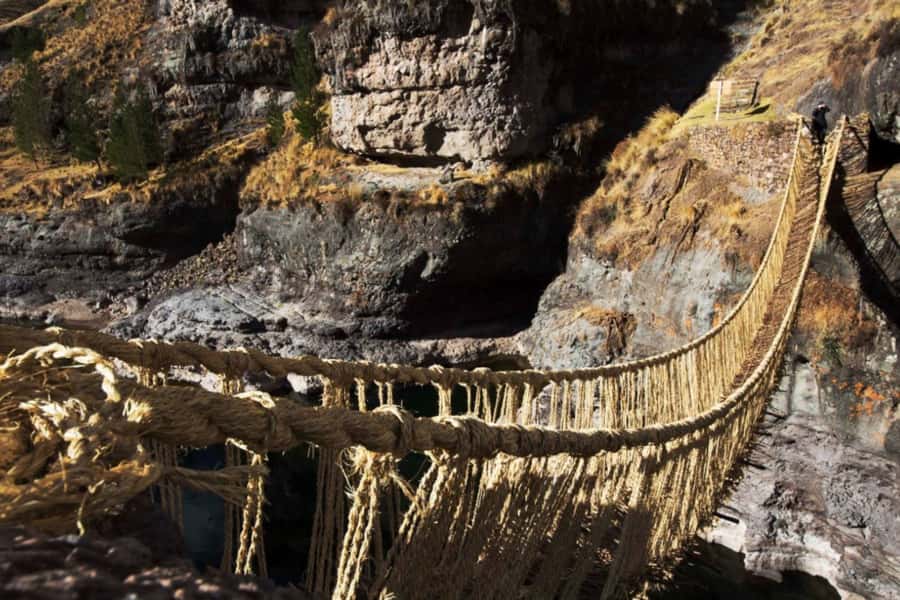
After the drive breaks up a bit around Combapata and Yanaoca, the trip reaches the Q’eswachaka area. This bridge is an old suspension bridge that crosses between steep rocky cliffs and spans the Apurimac River. What makes it stand out is the construction style: it’s one of the last remaining Inca rope bridges, made from grass.
You’re not just going to a viewpoint. You’re going to the bridge. That changes your mindset. Before you cross, you’ll first get the chance to understand the setting, including the canyon it spans. It’s also why the tour includes a bilingual guide in English and Spanish, because you’ll want help translating what you’re seeing into something you can hold onto.
After arriving, you’ll descend a steep path to a viewpoint. This is a short part, but it’s real walking on uneven ground. You’ll want to treat it like a warm-up: slow steps, good footing, and no rushing, because you still have the crossing ahead.
The Walk Across the Bridge: Swing, Height, and Real Adrenaline
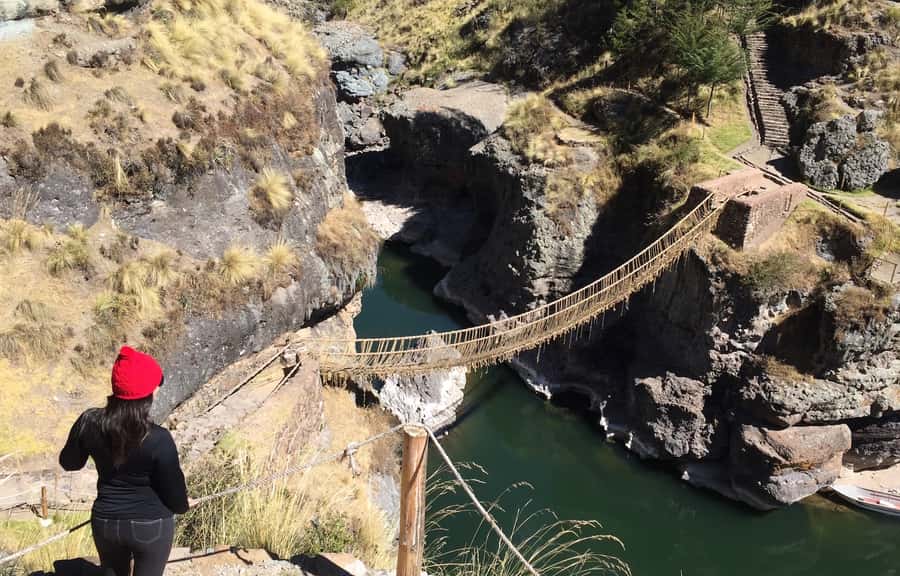
Now for the main event. You leave the vehicle and take the steep path down, then move to the bridge itself. The walk across is careful and intentional, because this is a swinging rope bridge over a deep canyon.
Here’s the part I think most people underestimate: you should try not to look down. Not because it’s forbidden, but because the canyon stretches many meters below, and staring into the drop tends to turn nerves into a full-body freeze. Instead, keep your focus on where you place your feet and what your guide is telling you in the moment.
It really is the kind of crossing where balance matters, even if you’re physically fit. The ropes move as you step, and that motion makes the bridge feel alive. If you’re the type who likes a controlled challenge, you’ll probably love it. If you hate heights, you’ll still be standing on a rope bridge, but you can reduce panic by moving slowly and staying focused.
Your guide will be guiding you throughout the crossing and often helping with timing and photo stops. One guide name that shows up in real experiences is Christian, who’s been noted for being both informative and helpful when it comes to getting good photos while you’re on the bridge.
Photo Stops and Optional Water Views Under the Canyon
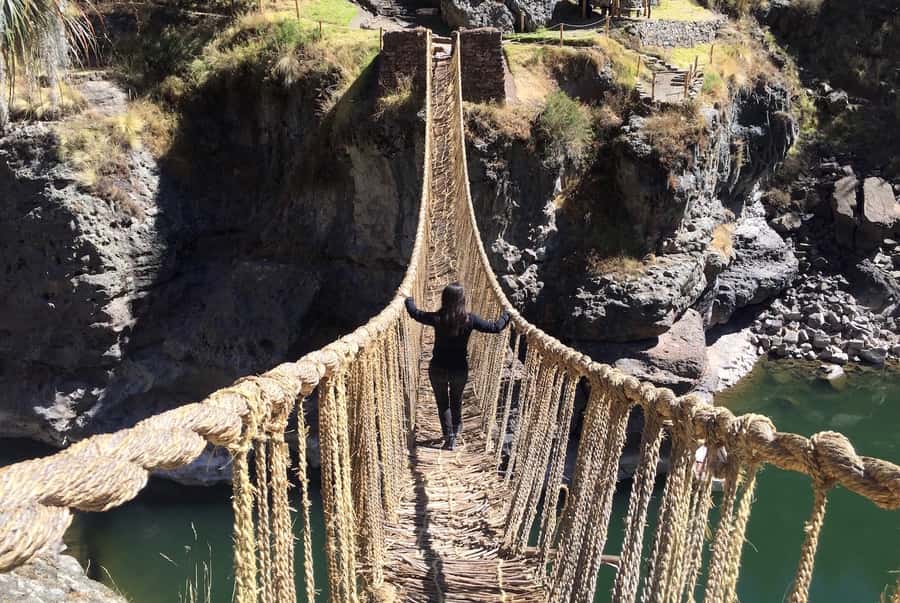
Between the viewpoint and the bridge, and then after the crossing, you’ll get moments to pause and take photos from safe positions. This is where the tour becomes more than just a “do it once” experience.
Some days include an optional boat ride under the bridge and through the canyon area, described as informative and beautiful. I can’t promise it’s offered every time, but if your guide mentions it, it’s worth considering. The bridge looks one way from above, then the canyon perspective changes again from the water.
Even without the boat option, you’ll likely come away with a set of images that feel different from standard Peru postcard shots. That’s because you’re seeing the bridge in motion and in context, with the river and cliffs shaping the frame.
More full days out of Cusco
Combapata Lunch Break: Fuel for the Afternoon Lakes
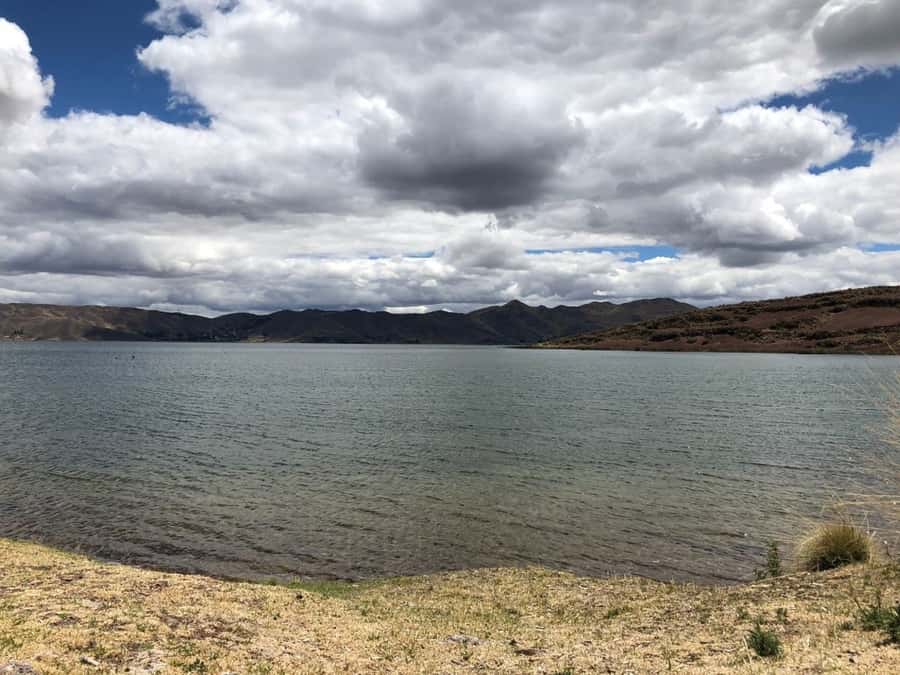
After the bridge, the tour drives back toward Combapata for a quick lunch break. This is your reset moment. You’ve already done the hardest part, physically and mentally, so this is when you should hydrate and refuel.
Lunch is included, but I’d go in with the right expectations. Restaurant meals on long tours can vary in quality and temperature depending on timing and how the meal is served. If warm and gourmet are your priorities, consider adding a snack or two to your small daypack, just for peace of mind.
Also plan your pace here. Don’t stuff yourself. You still have an afternoon lake circuit ahead, with time for photos and time standing outside. A comfortable meal helps you enjoy the views instead of rushing to find shade.
The Four Lagoons District: Pampamarca, Asnacqoccha, Acopia, and Pomacanchi
After lunch, you head to the lake district for the four lagoon stops. The lagoons are Pampamarca, Asnacqoccha, Acopia, and Pomacanchi, and the tour is structured so you can see them as a group rather than as a separate multi-day project.
What I like about this section is the “layering” of views. You get stretches of water that sit like jewels among rolling golden-green hills, and you’ll notice how the lighting shifts as you move from lagoon to lagoon. Afternoon light tends to flatter the scene, and it’s the kind of timing that makes photos look better without you trying too hard.
Then there’s the wildlife. Flamingos are a key draw, and you may also see other native birds flying and feeding around the edges. This matters because it gives the lagoons motion, not just reflections. Standing near the water’s edge with binoculars or a zoom lens can turn this into a slower, more patient kind of sightseeing, which is a nice contrast after the adrenaline bridge crossing.
If birdwatching is your thing, bring extra attention and patience. Don’t sprint between stops. Give yourself time to watch before you photograph, because birds often appear after a few minutes of quiet observation.
Timing and Return to Cusco Around 4:30 PM to 5 PM
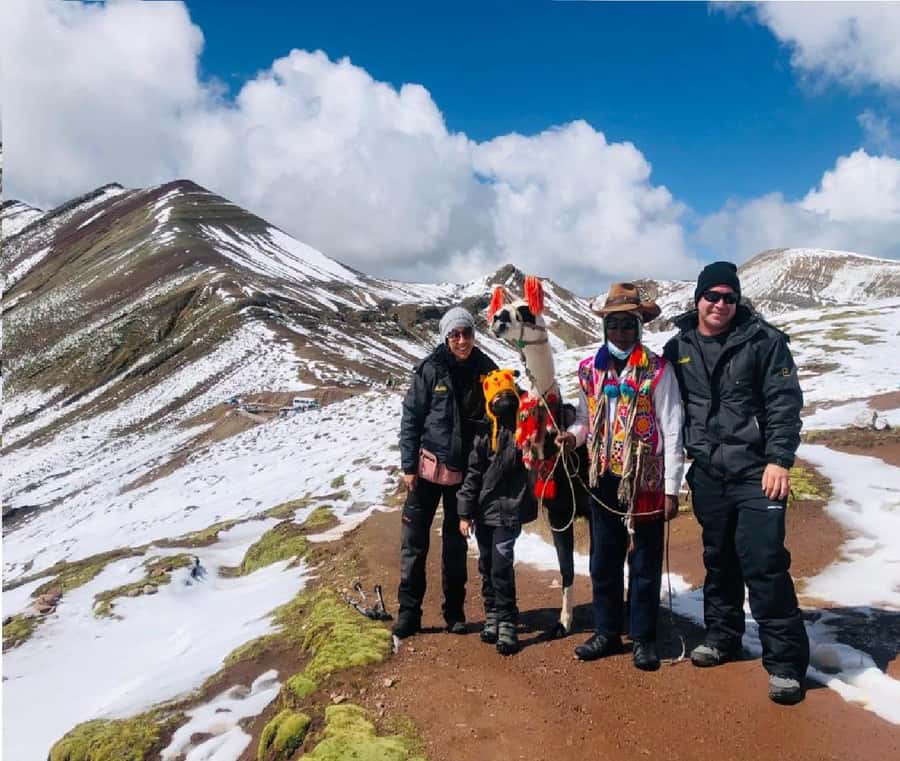
The tour runs about 750 minutes, roughly 13 hours total. You’ll return to Cusco around 4:30 PM to 5 PM, with hotel drop-off included.
A full day like this adds up, so manage your energy between activities. The bridge is short but intense. The lagoons are spread out, with walking and lots of standing. The drive time is long enough that you’ll want to be comfortable in your seat early, not grumpy by mid-day.
Transport is included, and you’ll be moving by van with scheduled breaks. The hotel pickup and drop-off are helpful too, since Cusco traffic can make independent timing stressful, especially when you’re leaving so early.
Price and Value: Is $49 Worth It for a Last Inca Bridge Day?
At about $49 per person, this tour can be good value, mainly because it bundles the big-ticket experiences. You get hotel pickup and drop-off, a bilingual guide, transportation, a continental breakfast, lunch, and on-site support tools like a first aid kit and an oxygen balloon.
Also, the bridge experience itself has a separate entrance cost. You’ll need 20 soles for the Q’eswachaka bridge entrance, and that means you should bring cash. When you calculate true cost, the entrance fee is what brings the total closer to a more realistic outing budget.
Still, I think the value works for most travelers because you are not just viewing the bridge from a distance. You are crossing it, and you’re also getting four lagoons and multiple viewpoints in one long day. If you were to combine those elements independently, the logistics would be harder and the guide context would be missing.
If you’re on a tighter budget, this price is compelling. If you hate long days or you have height or balance concerns, the price won’t matter much, because you won’t enjoy the core highlight.
What to Bring for a Long Day of Walking and Changing Weather
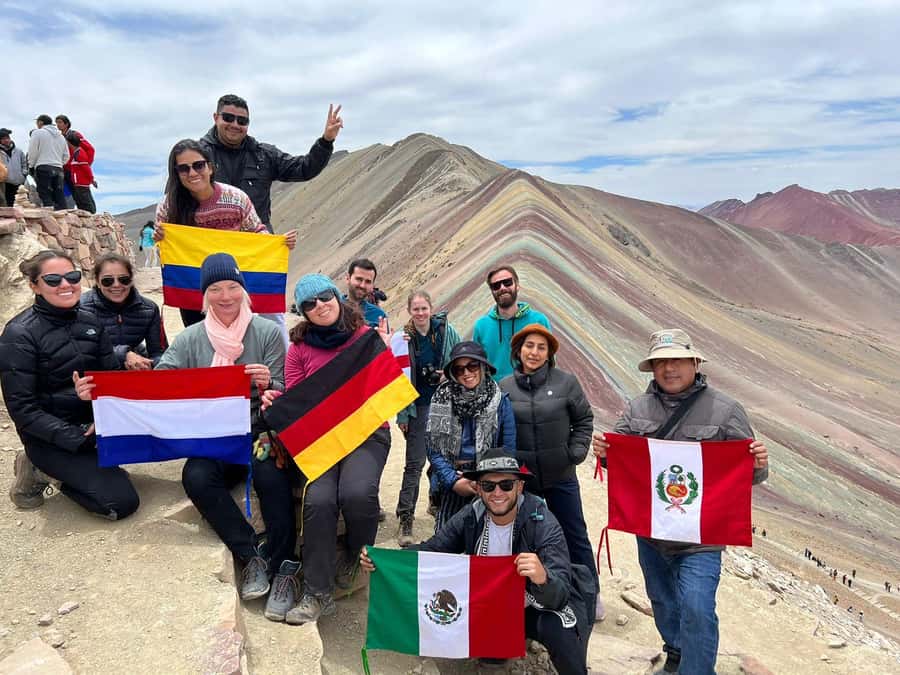
Bring a small backpack. Large bags and luggage are not allowed. That’s a big deal on a day with van transfers and steep paths, so travel light.
Your packing list should cover sun, cold, and rain. The tour guidance asks for:
- passport or ID card
- comfortable shoes
- sunglasses, sun hat, sunscreen
- water
- rain gear, ideally waterproof jacket
- daypack
- cash for the bridge entrance
- extra money (useful for snacks or optional items)
Also, plan for camera time. You’ll have multiple photo moments, especially at the viewpoint before the bridge and around the lagoons, where flamingos and other birds may show up near the water.
Who This Tour Suits Best (and Who Should Rethink It)
This is a great fit if you want one day that combines a signature Peru experience with nature and birdlife. I’d especially recommend it if you:
- enjoy active sightseeing and don’t mind a steep path
- want the last Inca bridge experience without coordinating transport on your own
- like wildlife spotting at scenic stops
- can handle early mornings
It’s not suitable for pregnant women or for people with mobility impairments. The combination of a steep descent and the act of crossing a swinging bridge makes that clear. If you’re unsure about your balance or stamina, it’s worth choosing a different tour where you stay closer to flat ground.
Should You Book This Q’eswachaka Bridge and Four Lagoons Tour?
Book it if you want the classic “only-in-this-region” Peru day: the last Inca rope bridge crossing plus a meaningful afternoon circuit of four lagoons with flamingos. It’s also a solid choice if you appreciate convenience, since hotel pickup and drop-off handle the hardest part, the early start.
Skip it if long days drain you, you dislike heights, or your mobility or balance is limited. This tour isn’t built for gentle, slow sightseeing. It’s built around one real physical challenge and one long scenic day after.
If you do go, I’d arrive mentally ready for motion and stairs. Once you accept that, the rest of the day feels like a reward, not a task.
FAQ
What time is hotel pickup in Cusco?
Pickup is included from your hotel in Cusco between 4:30 AM and 5 AM.
How long is the tour?
The duration is about 750 minutes, which is roughly 13 hours.
Is lunch included?
Yes. Lunch is included, along with a continental breakfast.
Do I need to pay an entrance fee for the Q’eswachaka Bridge?
Yes. Entrance to the Q’eswachaka Bridge is not included and costs 20 soles.
What language is the guide?
The guide is bilingual, with English and Spanish.
Is this tour suitable for people with mobility impairments?
No. It is not suitable for people with mobility impairments.
More Tours in Cusco
- Cusco: Humantay Lake Tour with Breakfast and Buffet Lunch
★ 4.9 · 2,976 reviews - From Cusco: Moray, Maras Salt Mines & Chinchero Weavers Tour
★ 4.8 · 1,925 reviews - From Cusco: Full-Day Group Tour of Machu Picchu
★ 4.7 · 1,767 reviews - Cusco: Half-Day City Tour with Sacsayhuaman and Q’enco
★ 4.6 · 1,129 reviews - Machu Picchu: Full-Day Tour from Cusco with Optional Lunch
★ 4.6 · 927 reviews
More Tour Reviews in Cusco
- Cusco: Humantay Lake Tour with Breakfast and Buffet Lunch
★ 4.9 · 2,976 reviews - From Cusco: Moray, Maras Salt Mines & Chinchero Weavers Tour
★ 4.8 · 1,925 reviews - From Cusco: Full-Day Group Tour of Machu Picchu
★ 4.7 · 1,767 reviews - Machu Picchu Day Trip from Cusco
★ 4.5 · 1,644 reviews - Cusco: Half-Day City Tour with Sacsayhuaman and Q’enco
★ 4.6 · 1,129 reviews
More Leaving From Cusco
- Cusco: Humantay Lake Tour with Breakfast and Buffet Lunch
★ 4.9 · 2,976 reviews - From Cusco: Moray, Maras Salt Mines & Chinchero Weavers Tour
★ 4.8 · 1,925 reviews - From Cusco: Full-Day Group Tour of Machu Picchu
★ 4.7 · 1,767 reviews - Machu Picchu Day Trip from Cusco
★ 4.5 · 1,644 reviews - Cusco: Half-Day City Tour with Sacsayhuaman and Q’enco
★ 4.6 · 1,129 reviews
Fresh in from Cusco

Full-Day, compared.
 ★ 4.7Full-Day Group Tour of Machu PicchuFrom $3211,767 reviews
 ★ 4.6Machu Picchu: Full-Day Tour from Cusco with Optional LunchFrom $283927 reviews
 ★ 4.4Puno: Full-Day Tour of Lake Titicaca and Uros & TaquileFrom $33178 reviews
 ★ 4.5Full-Day Excursion to Sacred Valley, Pisac and Ollantaytambo from CuscoFrom $47174 reviews
 ★ 5.0Food and Culture Full day Tour in the Sacred ValleyFrom $200144 reviews
 ★ 4.7Puno: Full-Day Route of the Sun Tour to Cusco with LunchFrom $44131 reviews
 ★ 5.0Private Rainbow Mountain Full Day Tour from CuscoFrom $119129 reviews
 ★ 4.0Machu Picchu Full Day from CuscoFrom $319124 reviews