
REVIEW · CUSCO REGION DAY TRIPS
From Cusco: Inka Suspension Bridge Qeswachaca – Qeswachaka
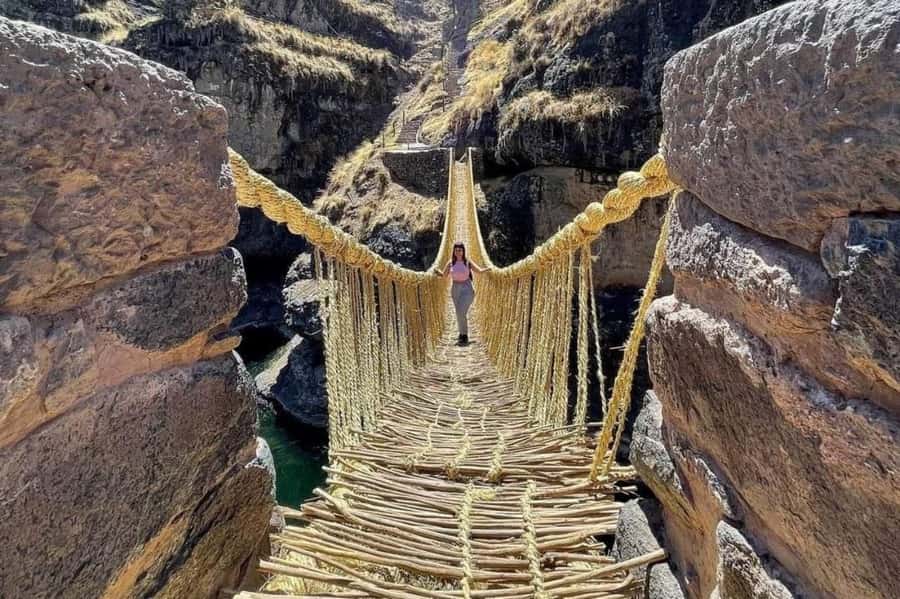
Morning fog, then a wobbly Inca bridge. This full-day Cusco outing is built around the Qeswachaca hanging bridge over the Apurimac River, with scenic lake stops and a later comparison point at the Colonial Inca Bridge of Checacupe. The main drawback is straightforward: it is a long day with an early pickup, plus the bridge entrance ticket is an extra cost.
I also like that this is not just a jump-off for photos. The bridge is woven by hand with plant fibers called ichu, and local families renovate it each year. You will spend plenty of time outdoors, so dress for cold mornings and plan on walking a bit.
Key Highlights You Will Actually Notice
- Ichu rope bridge craftsmanship you can see up close over the Apurimac River, with a guided explanation of construction and upkeep
- A morning circuit of high Andean lakes with photo time near Pomacanchi and calmer stops at Acopia, Asnaqocha, and Pampamarca or Tungasuca
- A dedicated Q’eswachaka visit with guided sightseeing time, including time to cross the bridge if you want the full experience
- A real comparison at Checacupe so you can spot differences between the Inca-style and Colonial Inca versions
- Meals included, but tickets add up (budget for the suspension bridge entrance and the mini-volcano ticket)
- Long stretches in transit from Cusco to the river area and back, so bring patience and snacks if you need them
More that leaves from a Peru hotel door
- From Cusco: Tour Ausangate & 7 Lakes Full Day★ 4.1 · 16 reviews
- Cusco: Ausangate Tour Seven Lagoons + meals★ 3.7 · 10 reviews
- ECONOMIC PRIVATE TOUR IN THE CITY OF CUSCO – HALF DAY★ 5.0 · 6 reviews
- Cusco: Half-Day City Tour★ 5.0 · 5 reviews
Why Qeswachaca Still Feels Like Living Inca Work
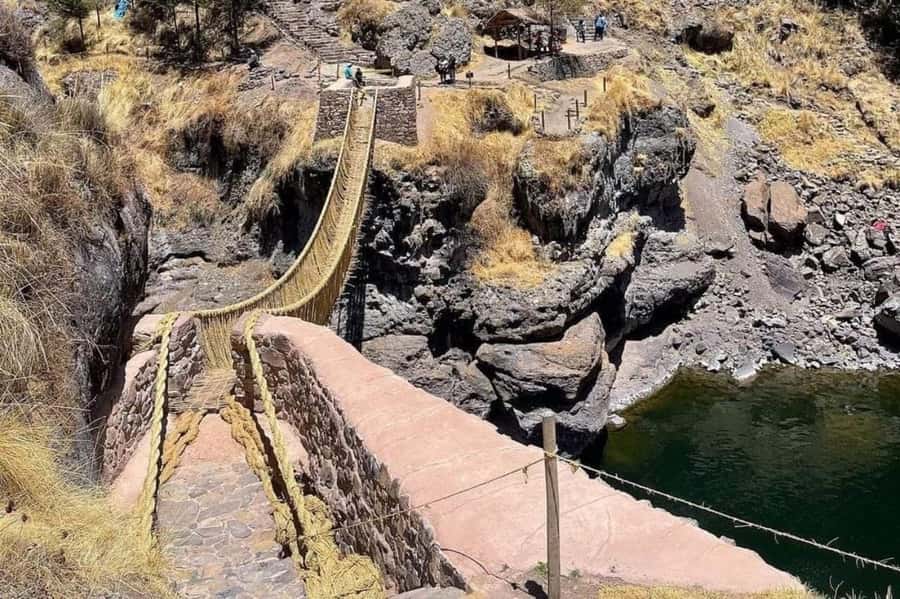
Q’eswachaka is one of those rare places where the Inca legacy is not frozen behind glass. The bridge is woven by hand using ichu plant fibers, and it is maintained annually by the surrounding communities. That detail matters because it changes how you experience it: you are not just watching something old, you are seeing a living practice.
You will also get a river setting that instantly makes sense of why a suspension design was so useful. The Apurimac area is dramatic, and the bridge becomes the practical link between sides. Even if you hate height, the guided walk and explanations help you focus on the technique and the view.
The 4:30 AM Start, Cusco Pickups, and the Big Time Jump
Your day starts early, with pickup typically between 4:30 AM and 5:10 AM from your Cusco hotel. The drive southwest takes about two hours, and that first stretch sets the tone: this tour is optimized for seeing the bridge in daylight and starting the day before traffic and crowds become a factor.
You are usually back around 5:00 PM, finishing near Plaza Kusipata, close to the Plaza de Armas area. That means a full-day commitment, not a half-day outing you can casually tack onto dinner plans.
Practical tip: this is the kind of morning where a light jacket and a warm layer under it pay off fast. High Andean temps can feel rude before the sun fully warms things.
Lakes Near Cusco: Pomacanchi, Acopia, Asnaqocha, and Pampamarca (or Tungasuca)
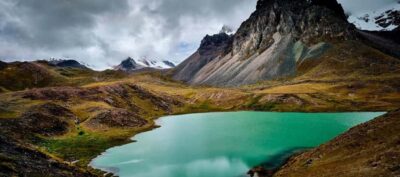
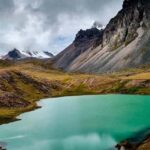
One of the nicest parts of this tour is the slow break in the schedule, using lakes as a visual reset. You stop near Lake Pomacanchi for a photo stop (about 25 minutes), then continue through other lake areas where you get time to pause and take in the views.
The specific names you may pass include Acopia, Asnaqocha, and Pampamarca, and sometimes the route references Tungasuca as well. Either way, the point is the same: you get a calmer rhythm before you reach the river, plus a chance to see the Andean water-and-mountain scenery from multiple angles.
Why I like these stops: they are not just decoration. They help you understand the geography the communities live in. And if you are the type who likes getting your bearings, these breaks make the later river walk feel less like a sudden leap into the unknown.
The Pabellones Mini-Volcano Stop: Short, Optional-Feeling, Still Part of the Flow
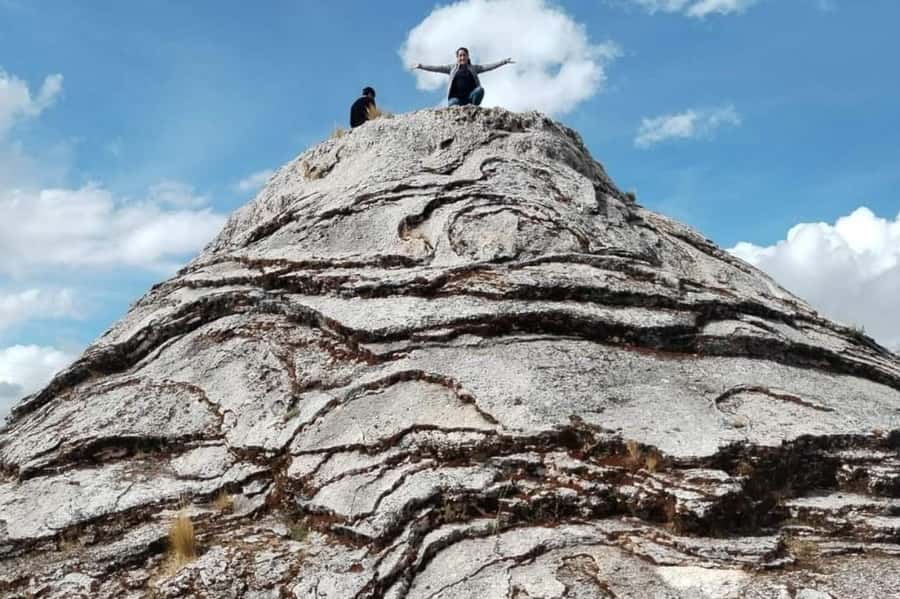
On the way, you make a stop near Yanaoca to visit the small Pabellones Volcano area, where there is a separate ticket cost (listed as S/2). Some people will find this stop quick and not super memorable compared with the bridge itself, but it can still be worth it if you enjoy simple viewpoint time and short hikes.
The bigger takeaway is logistics. This tour mixes scenic detours with long transfer time, so keep your expectations realistic. If your goal is only the bridge crossing, plan to treat the volcano stop as a brief checkbox rather than the main event.
Also, because tickets are not all included, it is smart to carry some cash you can use on the spot.
Walking the Q’eswachaka Rope Bridge Over the Apurimac
This is the star. You reach the Apurimac River and see the Inca Suspension Bridge of Q’eswachaka in the district of Quehue. The bridge is woven by hand from ichu plant fibers, and it is annually renovated and maintained by the inhabitants of the surrounding four communities.
There is usually a short guided lead-in before you walk. Then you cross the bridge on foot, which is where the experience turns from watching into doing. The bridge is high and wiggly, and that physical feeling is part of why this is so memorable.
Guides can add a lot here. One guide named Roland is highlighted for explaining the bridge technique and idea of the Incas, and for weaving in practical context about the Andes, climate, and local plants and animals. If your guide talks through what you are seeing, your time on the bridge becomes more than a photo stop.
My practical advice for the crossing:
- Wear grippy shoes. The bridge is made for foot traffic, not fashion.
- Keep your eyes forward instead of staring straight down for long stretches.
- Move slowly. If you rush, you will feel every wobble more intensely.
Checacupe: The Colonial Inca Bridge Comparison That Makes the Day Click
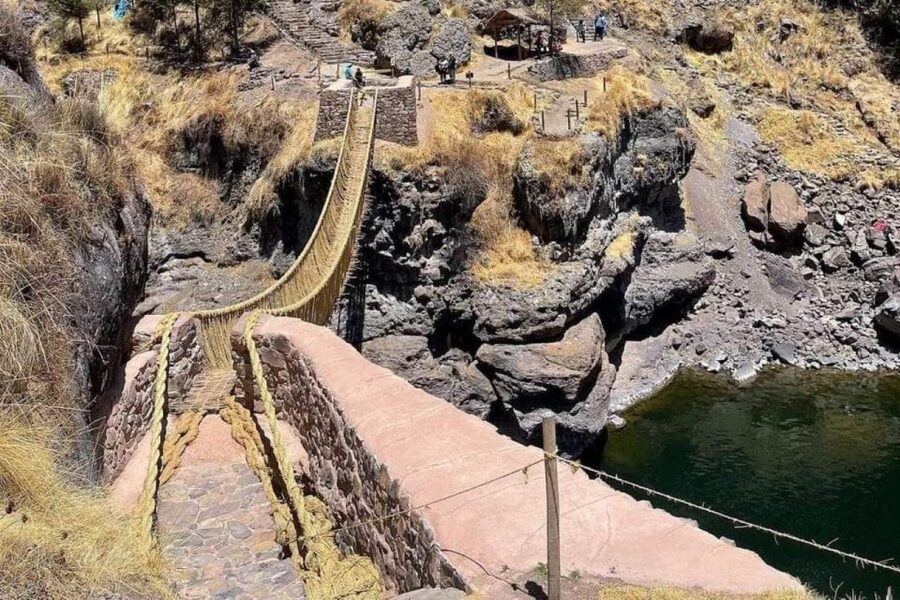
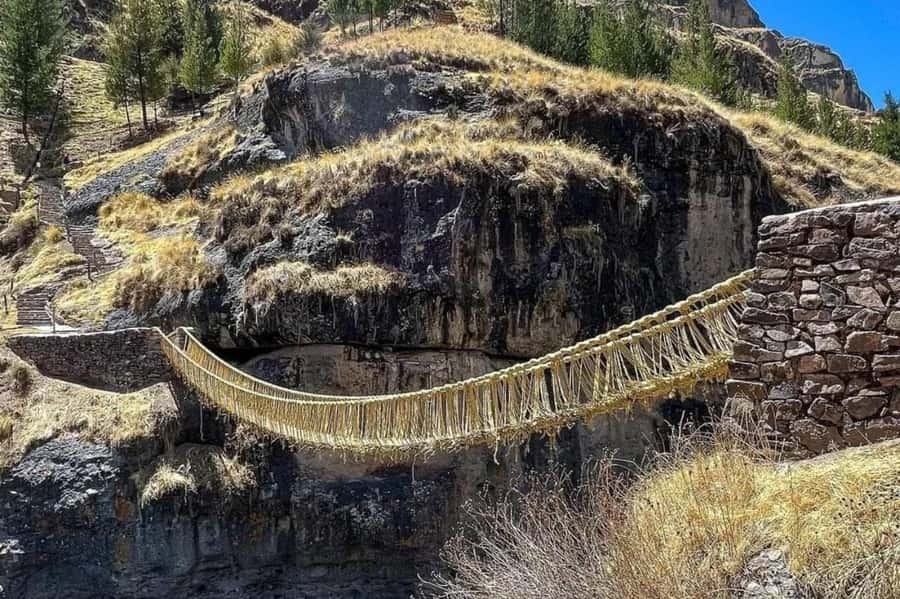
On your return toward Cusco, you stop at the Colonial Inca Bridge of Checacupe. This is one of the tour features I value because it gives you a comparison you can actually make with your own eyes.
You will not just be thinking about whether the bridge is impressive. You will start noticing differences in construction and architecture between the two bridge styles, which helps the morning and afternoon stops feel connected instead of random.
If you like history only when you can spot details, this is a good format. It is basically a visual lesson, with the bridge itself doing the teaching.
Food, Timing, and the Real-Life Comfort Stuff
Meals are included, with breakfast and lunch in the tour package, plus a first aid kit and oxygen for safety. That is genuinely helpful for a long day with early pickup.
I also like that the food is described as varied by at least one English-language visitor, with buffet-style meals for both breakfast and lunch. When the day starts before you want to be awake, a decent meal matters.
Now the caution. This is a full-day schedule with long bus hours, and at least one person felt there were not enough bathroom breaks or clear warnings. You might not experience the exact same pacing as every group, but the safer assumption is to plan for limited stops.
Bring what helps you handle a long day:
- A small snack in your day bag, just in case timing runs slow
- A warm layer, because mornings can be colder than you expect
- A fully charged phone, because you will want photos on the lake stops and bridge viewpoints
Price and Tickets: How the $47 Value Really Works
The price is listed at $47 per person for a 12-hour day from Cusco, including hotel pickup, transportation, a bilingual tour guide (English and Spanish), breakfast and lunch, and safety items like first aid kit and oxygen.
But two key things are not included:
- The suspension bridge entrance ticket (listed as S/20)
- The mini-volcano ticket (listed as S/2)
Here is the value math in plain terms. You are paying for a long guided day that covers transport, meals, and interpretation, plus a huge cultural activity (the bridge) and scenic lake time. If you are tempted to compare this with DIY travel, remember that getting to the right river area early, with the right timing, is the hard part.
Also, the tour includes skip the ticket line, which can save time on busy days when you are already on a strict schedule.
If you want the best value, treat the bridge crossing as non-negotiable. The lakes and mini-volcano add texture, but the bridge is what makes the price feel justified.
Language on the Day: English Can Be Fine, But Be Ready
The tour lists English and Spanish for the bilingual guide. That said, guide English can vary by day and person. One example from a booking notes that a guide who was passionate and informative spoke only Spanish even though English was chosen.
Another example suggests English can be a bit rusty with the guide, but that you can still get enough information to be okay thanks to friendliness and support.
My recommendation: go into this expecting explanations, but also bring a few basic questions you can ask in simple terms. If you speak even a little Spanish, you will feel more confident on the bridge and at the comparison stop.
Who This Tour Fits Best, and Who Should Skip It
This tour is a strong fit if you:
- Want a hands-on Inca-era experience, not just a viewpoint
- Like guided interpretation of how the bridge is built and maintained
- Are comfortable with a long day that starts early and involves outdoor walking
It is not suitable for wheelchair users, based on the tour info.
If you are sensitive to long bus time, or you need frequent rest stops, you might find the pace tough. And if you are only interested in the bridge and hate “filler” stops, be aware the mini-volcano and boat-style side activities can feel optional. The good news is the bridge crossing itself is the highlight that does most of the heavy lifting.
Should You Book Q’eswachaka and Checacupe?
Yes, I would book it if your heart is set on seeing the Q’eswachaka bridge and you do not mind an early start. The combination of (1) the ichu-woven bridge, (2) guided time to understand what you are seeing, and (3) the Checacupe comparison gives you more than one memorable moment.
Book it with a realistic mindset. This is not a leisurely scenic cruise. It is a structured long day designed to deliver the bridge, plus enough variety to keep the drive from feeling monotonous.
Quick decision checklist:
- If you want the bridge and you can handle 12 hours, this is good value.
- If you need very frequent breaks, or you dislike early pickups, consider other options.
- If your English needs to be perfect, plan to rely on clear visuals and guide support rather than flawless narration.
FAQ
Where does the tour start, and where do I end?
You are picked up from your hotel in Cusco. The tour finishes around 5:00 PM near Plaza Kusipata, close to the Plaza de Armas area.
What time is pickup?
Pickup is usually scheduled between 4:30 AM and 5:10 AM.
How long is the tour?
The total duration is 12 hours.
What languages is the tour guide?
The tour guide is listed as bilingual in English and Spanish.
What is included in the price?
Included are hotel pickup, transportation, a bilingual tour guide, breakfast, lunch, and a first aid kit and oxygen.
What tickets cost extra?
You pay extra for the Q’eswachaka suspension bridge entrance ticket (S/20) and the mini-volcano ticket (S/2).
Is the tour wheelchair accessible?
No. The tour is listed as not suitable for wheelchair users.
More Tour Reviews in Peru
- From Cusco: Tour Ausangate & 7 Lakes Full Day
★ 4.1 · 16 reviews - Cusco: Ausangate Tour Seven Lagoons + meals
★ 3.7 · 10 reviews - ECONOMIC PRIVATE TOUR IN THE CITY OF CUSCO – HALF DAY
★ 5.0 · 6 reviews - Cusco: Half-Day City Tour
★ 5.0 · 5 reviews - Ausangate 7 Lagoons Tour 1 day + Buffet Breakfast and Lunch
★ 4.2 · 4 reviews
More Leaving From Peru
- From Cusco: Tour Ausangate & 7 Lakes Full Day
★ 4.1 · 16 reviews - Cusco: Ausangate Tour Seven Lagoons + meals
★ 3.7 · 10 reviews - ECONOMIC PRIVATE TOUR IN THE CITY OF CUSCO – HALF DAY
★ 5.0 · 6 reviews - Cusco: Half-Day City Tour
★ 5.0 · 5 reviews - Cusco: Zipline in the Sacred Valley
★ 5.0 · 4 reviews
Fresh in from Peru

Cusco Region Day Trips, compared.
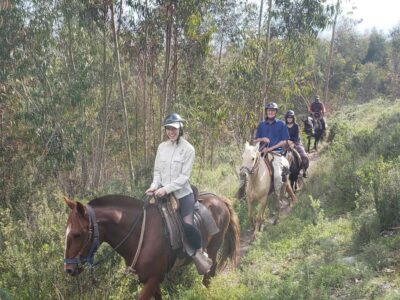 ★ 5.03-Hour Horse Riding Tour to the Temple of the MoonFrom $65105 reviews
 ★ 5.0Horse Riding Chacan Mountain And Temple Of The MoonFrom $6578 reviews
 ★ 4.5Cochahuasi Animal Sanctuary® Admission TicketFrom $1074 reviews
 ★ 4.1SOUTH VALLEY CUSCOFrom $2056 reviews
 ★ 5.0Horseback Tour in cusco to Temple of the Moon & Hidden templesFrom $6554 reviews
 ★ 4.51 day excursion to WaqrapukaraFrom $5023 reviews
 ★ 4.2Cusco South Valley: Morning Half Day TourFrom $2915 reviews
 ★ 3.9New attraction Morada de los dioses in ATVsFrom $3313 reviews
Browse the lists this tour appears in