
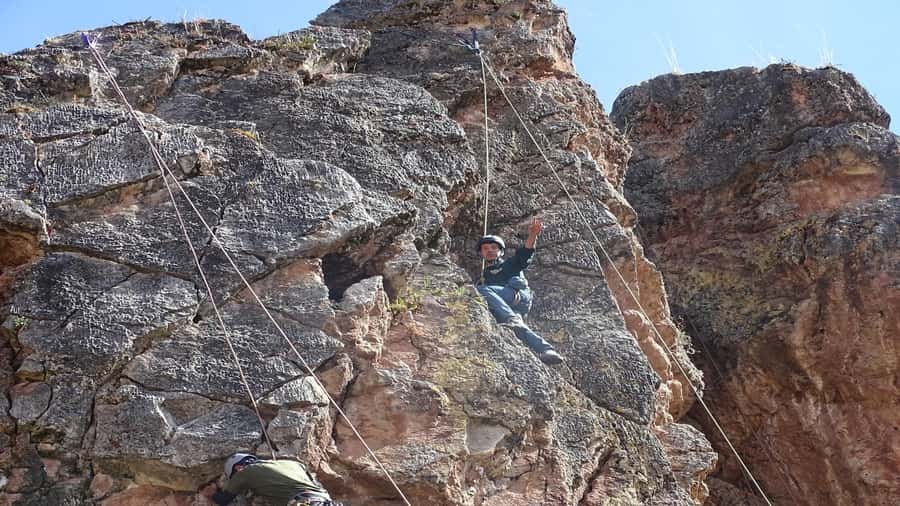
REVIEW · CUSCO TOURS
From Cusco: Balcony of the Devil Rock Climbing
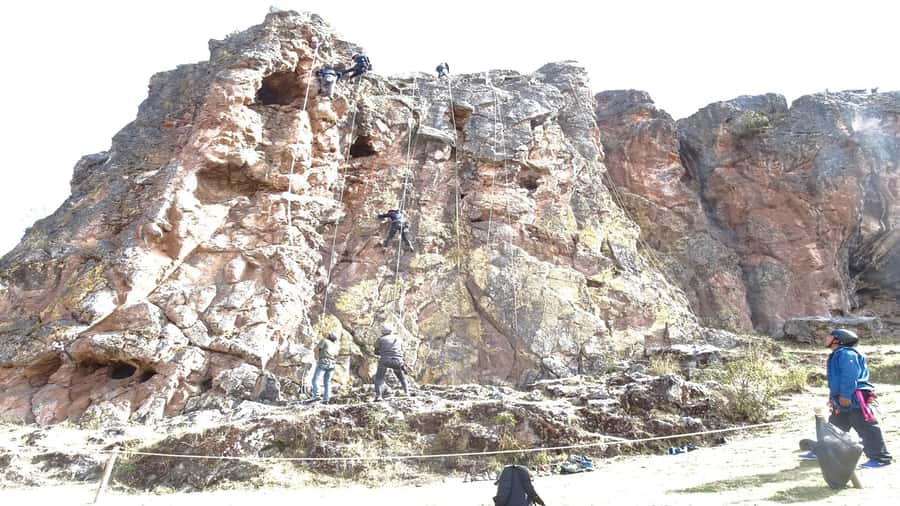
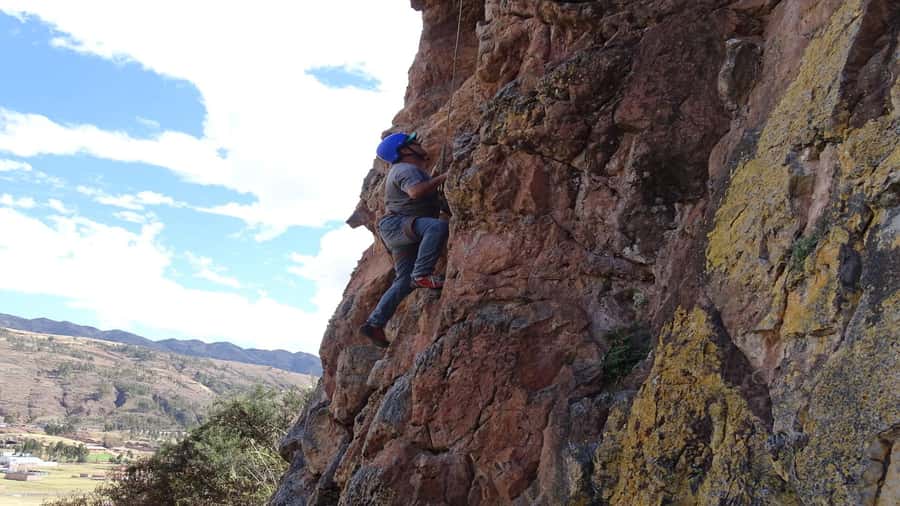
Your hands will find real limestone today. This 4-hour climb at Devil’s Balcony gives you a focused, guided route up a natural rock wall near Cusco. I like the progression through three climbing levels, and I especially appreciate how the instruction feels safety-first, including stand-out belaying by Brayan in the group I read about. One possible drawback: at this price point, the experience can feel a bit limited if you are hoping for a long, varied climbing session rather than repeated ups and downs.
You’ll start in the center of Cusco, then reach the rock after a short ride and walk. The altitude is serious at about 3,750 meters, so pace yourself, and bring the sun protection your skin will beg for.
Key things to know before you climb Devil’s Balcony
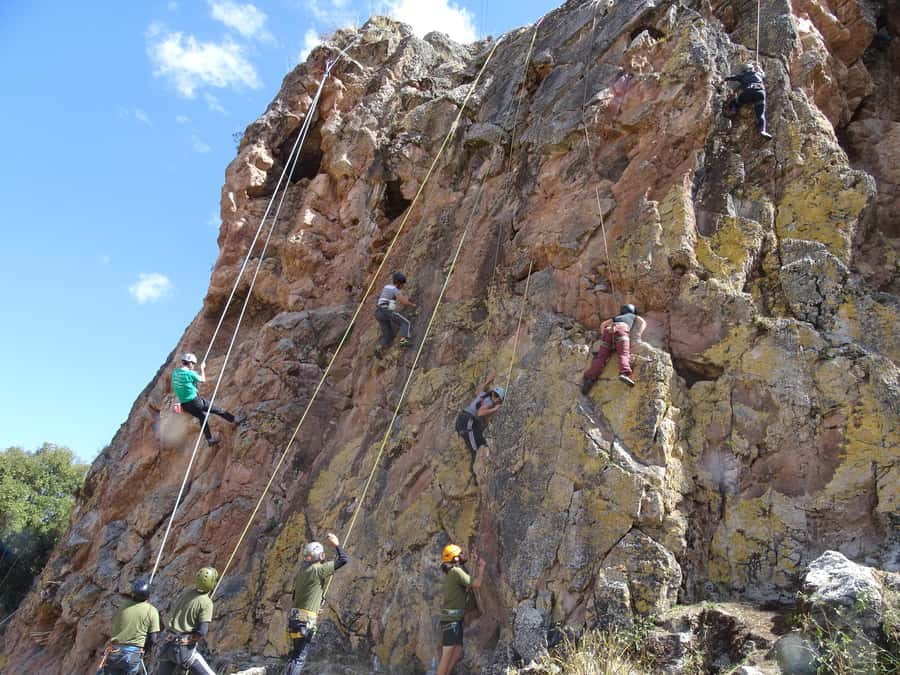
- Three route levels so casual climbers can have fun without needing technical experience
- Professional instruction and belaying, with Brayan specifically mentioned as excellent
- A short approach from the Cusco area, including a brief walk before you tie in
- Big panoramic rewards from the top, with Andes scenery and the Saphy River below
- Limestone rock challenge that feels different from softer rock you might have climbed elsewhere
More that leaves from a Cusco hotel door
- Cusco: Humantay Lake Tour with Breakfast and Buffet Lunch★ 4.9 · 2,976 reviews
- From Cusco: Moray, Maras Salt Mines & Chinchero Weavers Tour★ 4.8 · 1,925 reviews
- From Cusco: Full-Day Group Tour of Machu Picchu★ 4.7 · 1,767 reviews
- Machu Picchu Day Trip from Cusco★ 4.5 · 1,644 reviews
A real half-day adventure, not a sightseeing detour
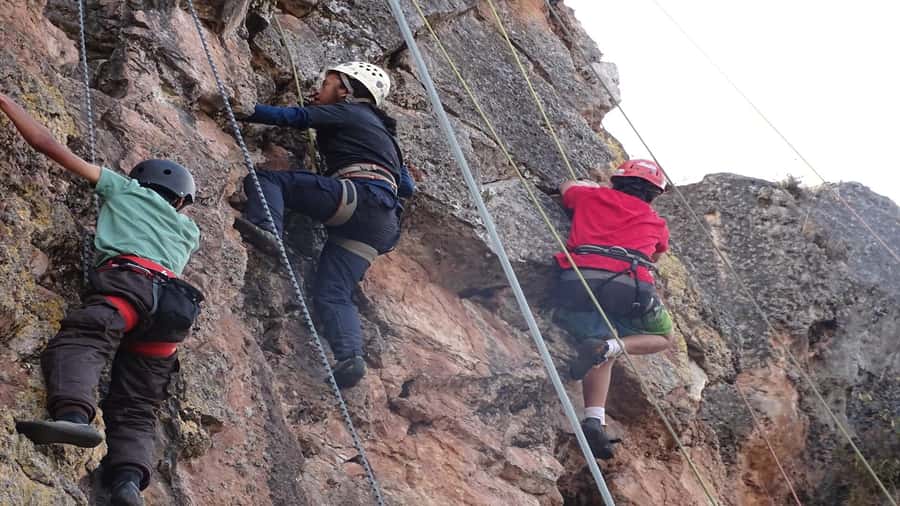
This is one of those Cusco tours that stays honest about what it is: you show up, gear up, climb, and head back. The whole thing clocks in at about 4 hours, which makes it easier to fit into a tight itinerary without sacrificing the “do something physical” part of travel.
What I like is that the experience is structured. You get a briefing, you climb three different levels, and you reach the summit for views that make the effort feel worth it. That rhythm matters at altitude, because it keeps you from rushing the approach and then hitting the wall out of breath.
The main tradeoff is intensity versus variety. One review pointed out the repetition of climbing three times up and down a wall. If you were dreaming of a longer route with tons of different moves and sections, you may finish this tour wishing for more climbing time.
Plaza Regocijo to Devil’s Balcony: the ride and the short walk
You meet near the historic core at Plaza Regocijo, just a few steps from Plaza de Armas. From there, you get roundtrip transportation to the city center, so you’re not left figuring out local transport or paying for taxis that don’t align with the group schedule.
After the pickup, there’s a 30-minute journey out toward the climbing area. When you arrive, you take a brief 10-minute walk to reach Devil’s Balcony. That short walk is not just a transfer. It gives your body a moment to adjust from street life to rock life, and it helps you spot the kind of terrain you’re about to tackle.
Drawback to keep in mind: you are doing the walk after sitting in a vehicle. If you are sensitive to altitude or you tend to get lightheaded, give yourself a slower pace for the first few minutes.
3,750 meters up: what altitude means for your climb
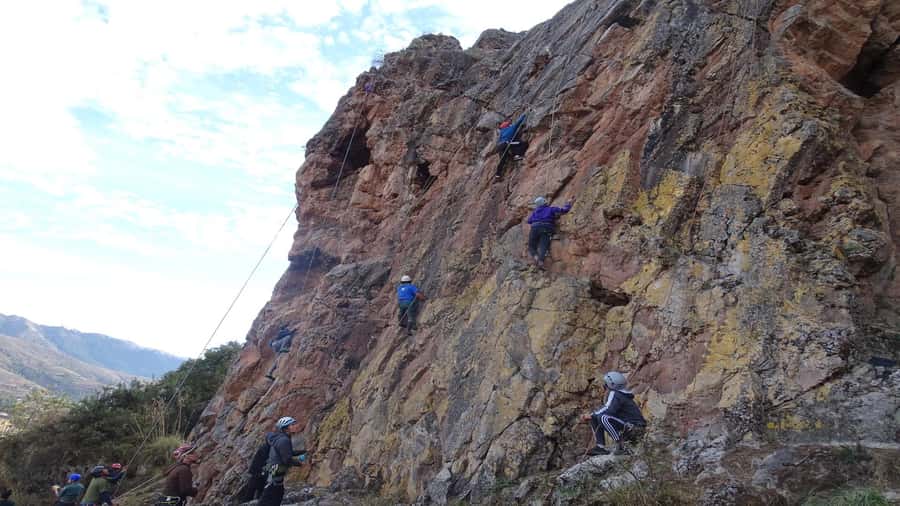
Devil’s Balcony sits around 3,750 meters above sea level. That’s high enough that you will feel it, even if you are fairly fit. Your breathing changes. Your legs feel a bit heavier. Your brain may try to rush the climb because you want to be done already.
The best approach is simple: work at a steady pace and don’t sprint for the first hold. The tour includes a 20-minute equipment and technique briefing, and that window is your chance to learn how to move efficiently and how to manage effort. Use the briefing to ask questions in English or Spanish, especially about how the belaying works for your comfort level.
Also, altitude plus sun can be a brutal combo. You’ll be outdoors much of the time, and the tour has the classic Cusco highland checklist for a reason: sunscreen, sunglasses, and a sun hat are not optional vibes. They are survival gear.
If you have vertigo, the elevation and exposure from the rock can be a problem, so this is not a good fit. And if you have heart problems, the tour explicitly lists it as not suitable.
Gear up: that 20-minute briefing you should take seriously
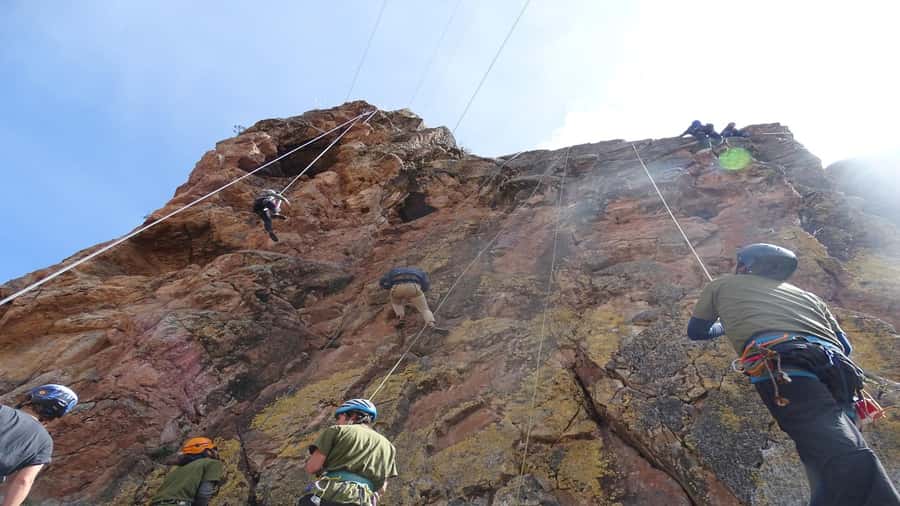
Before anyone touches the rock, you get a 20-minute briefing focused on how to use the climbing equipment. That matters more than most people think, especially at altitude, where you want your hands and head to do the right things without drama.
The tour provides the climbing equipment, so you’re not hunting gear in Cusco. You just need to show up in sportswear that you can move in. You also need to be ready to follow your instructor’s cues for safety and body positioning.
In the climbing world, a good belayer makes all the difference between nervous scrambling and confident movement. In one of the stories shared from this experience, Brayan is mentioned as an excellent belayer who made people feel secure. Even if you’ve climbed before, that reassurance helps, because your focus can stay on technique instead of fear math.
One thing to watch: the tour has a maximum weight limit of 95 kilos per person. If you are right near that, don’t assume it will be handled. Confirm your fit for the limit before you book.
Three climbing levels: how the challenge scales
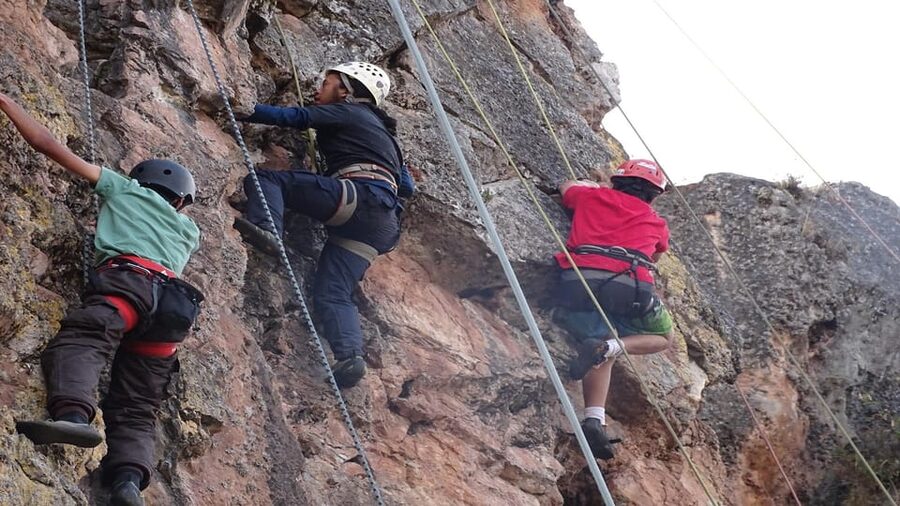
This isn’t a one-and-done climb. You get three different levels so you can match your comfort and stamina. The beauty of that setup is that it reduces the all-or-nothing feeling. You’re not forced into a single attempt that is either perfect or miserable.
For a casual climber, that progression is key. One review said the routes were doable as a casual climber and a lot of fun. That lines up with the idea that the instructors are there to guide you through each level so you can experience the top without needing elite climbing skills.
Here’s how to think about it. Each level is a chance to:
- learn how the rock holds feel under your hands,
- get more comfortable with the harness and rope setup,
- and then enjoy the final climb with less mental friction.
Possible drawback, based on feedback you might relate to: because there are three levels and you go up and down each time, the route may feel short and repetitive if you were hoping for a single continuous long climb. If you hate getting repeated reps, come with the mindset of skill practice plus views, not a marathon of movement.
The summit moment: Andes views and the Saphy River backdrop
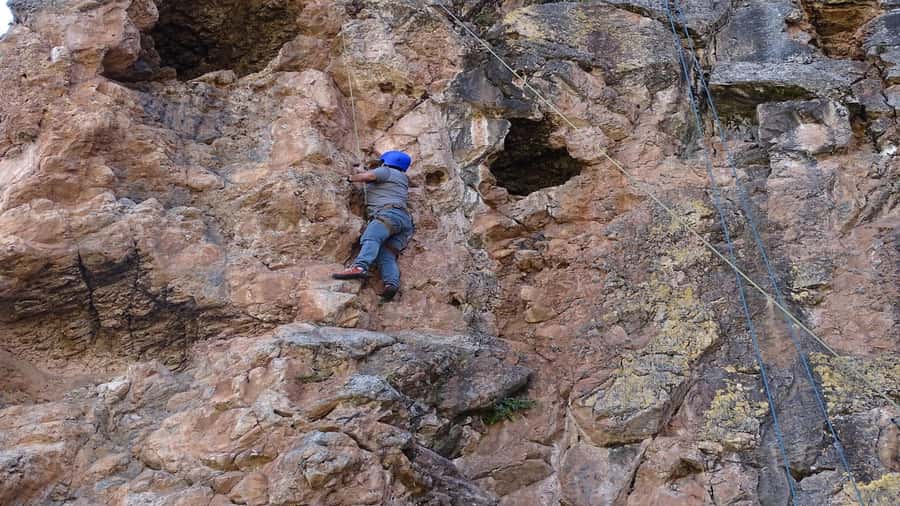
At the top, you get what you came for: spectacular panoramic views of the Andes Mountains. You also have a Saphy River backdrop, which adds a sense of depth to the scenery. It’s not just a pretty background for photos. It changes how the whole climb feels, because suddenly you understand the effort in a bigger context.
What makes the summit rewarding in this specific tour is the timing. You reach the top after the briefing, not after hours of wandering. You get the views while you still feel alert, not drained.
Practical tip: if you are moving from high exertion to standing and looking around, you might get dizzy for a moment. That’s normal at altitude. Take your time, keep your footing, and avoid sudden head turns.
Once the climbing finishes, you return to Cusco and get dropped at Plaza Regocijo again. That clean loop means you can plan the rest of your afternoon or evening without guessing logistics.
Limestone climbing: fun friction you can feel in your arms
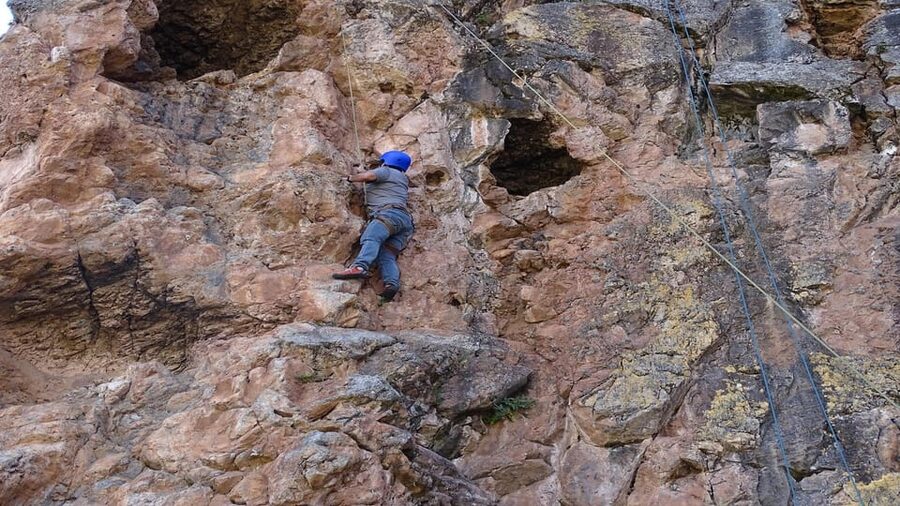
The rock at Devil’s Balcony is limestone, and that texture and grip matter. Limestone can feel sharper or more demanding than some other rock types. It also rewards proper technique. If you rely purely on strength, your arms will remind you later.
The upside is that limestone climbing tends to be very doable when you have good instruction. Your job is to listen, move deliberately, and trust the belay system. With the right guidance, you can enjoy the challenge without feeling like you are fighting the wall every second.
If you get tired, don’t panic. Climbing is a rhythm game. Keep your breathing steady, shift your weight carefully, and use your legs as much as possible. The instructors are there for a reason, and your safety depends on doing things the right way, not the fast way.
Packing smart: sun, bugs, and the simple sportswear rule
This tour gives you the climbing gear, so packing is mostly about comfort and protection. Here’s what the tour lists as bring-alongs:
- Sunglasses
- Sun hat
- Sunscreen
- Insect repellent
- Sportswear
In Cusco, the sun can feel sneaky even when the air is cool. Sunglasses and sunscreen are nonnegotiable. A sun hat is a small item that pays back fast, especially if you are waiting around before you climb.
Insect repellent is also a wise call. You are spending time outdoors, and small bites are not what you want at 3,750 meters.
One more packing thought: choose shoes that make you comfortable on uneven ground during the approach walk. The tour includes a walk to the rock, and you’ll want grip and stability before you ever clip in.
Price and value: is $59 fair for this climb?
At $59 per person for a 4-hour guided climbing experience, you are paying for more than just the activity. You’re paying for:
- roundtrip transportation to the city center,
- a guide in Spanish and English,
- climbing equipment,
- and the real value item, professional belaying and instruction through three levels.
That’s why the pricing can feel reasonable for people who want guided safety and a legit summit view without building a plan from scratch. It’s also why the experience may feel a bit expensive to someone who expects a longer climbing session with more route variety.
My practical take: if you want a well-run, structured intro to climbing in an Andes setting, this is strong value. If your priority is time on the rock above all else, you may wish it lasted longer.
Who should book this, and who should skip it
This is not a casual stroller activity. It’s a climbing tour with safety requirements, and the tour is explicit about who should not join:
- Children under 13
- Pregnant women
- People with heart problems
- People with vertigo
- People over 65
It also has the weight limit of 95 kilos per person. If you are close to that limit, double check ahead of time.
Who it suits best:
- Adults who want a guided climb near Cusco without needing specialized gear
- Casual climbers who like a challenge but want instructors and belaying doing the heavy safety work
- Friends who want a shared adventure that ends with a clear payoff at the top
Who might find it tough:
- Anyone sensitive to altitude or who tends to get anxious about heights
- Anyone who expects an all-day, multi-hour climbing journey
Should you book Balcony of the Devil Climbing?
Book it if you want a short, well-guided climb with three levels, provided equipment, and bilingual support, and if you are excited by the idea of Andes summit views right after tying in. The structure makes it beginner-friendly in the real-world sense, not the marketing sense.
Skip it if you have vertigo, heart problems, or you’re in a group the tour lists as not suitable, or if you are looking for a longer climbing day with lots of route variety. Also, if you know you are highly altitude-sensitive, treat the 3,750-meter setting as a real factor, not an afterthought.
If you do book, come prepared with sun protection and insect repellent, wear sportswear you can move in, and give yourself permission to climb at your own pace. This is the kind of tour where good technique beats brute force, and where the best memory is often the calm moment at the top when you finally get to look around.
FAQ
How long is the Devil’s Balcony rock climbing experience?
The duration is about 4 hours.
Where do we start in Cusco?
You start at Plaza Regocijo, a few steps from Plaza de Armas.
How high is Devil’s Balcony?
It is at an altitude of about 3,750 meters above sea level.
How many climbing levels or routes do you climb?
You climb three different levels.
Are the guides available in multiple languages?
Yes, the guide provides instruction in Spanish and English.
What is included in the price?
Roundtrip transportation to the city center, a guide in Spanish and English, and climbing equipment.
Is food or drinks included?
No, food and drinks are not included.
What should I bring?
Bring sunglasses, a sun hat, sunscreen, insect repellent, and sportswear.
Who should not join this tour?
It is not suitable for children under 13, pregnant women, people with heart problems, people with vertigo, or people over 65.
Is there a weight limit, and what about cancellation?
The maximum weight allowed per person is 95 kilos. You can cancel up to 24 hours in advance for a full refund.
More Tour Reviews in Cusco
- Cusco: Humantay Lake Tour with Breakfast and Buffet Lunch
★ 4.9 · 2,976 reviews - From Cusco: Moray, Maras Salt Mines & Chinchero Weavers Tour
★ 4.8 · 1,925 reviews - From Cusco: Full-Day Group Tour of Machu Picchu
★ 4.7 · 1,767 reviews - Machu Picchu Day Trip from Cusco
★ 4.5 · 1,644 reviews - Cusco: Half-Day City Tour with Sacsayhuaman and Q’enco
★ 4.6 · 1,129 reviews
More Leaving From Cusco
- Cusco: Humantay Lake Tour with Breakfast and Buffet Lunch
★ 4.9 · 2,976 reviews - From Cusco: Moray, Maras Salt Mines & Chinchero Weavers Tour
★ 4.8 · 1,925 reviews - From Cusco: Full-Day Group Tour of Machu Picchu
★ 4.7 · 1,767 reviews - Machu Picchu Day Trip from Cusco
★ 4.5 · 1,644 reviews - Cusco: Half-Day City Tour with Sacsayhuaman and Q’enco
★ 4.6 · 1,129 reviews
Fresh in from Cusco

Cusco Tours, compared.
 ★ 4.9Humantay Lake Tour with Breakfast and Buffet LunchFrom $222,976 reviews
 ★ 4.8Sacred Valley & Maras Salt Mines Tour with LunchFrom $282,227 reviews
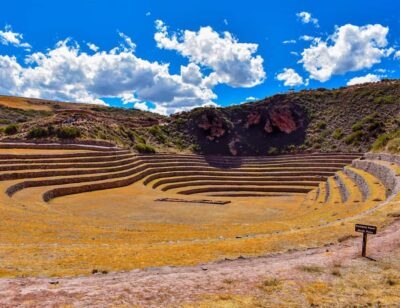 ★ 4.8Moray, Maras Salt Mines & Chinchero Weavers TourFrom $151,925 reviews
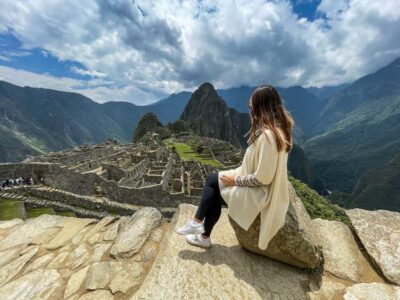 ★ 4.7Full-Day Group Tour of Machu PicchuFrom $3211,767 reviews
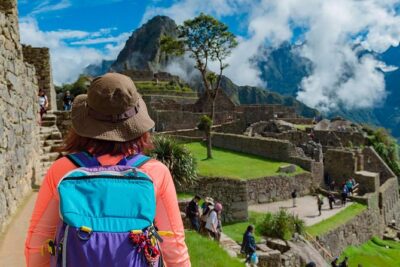 ★ 4.5Machu Picchu Day Trip from CuscoFrom $3361,644 reviews
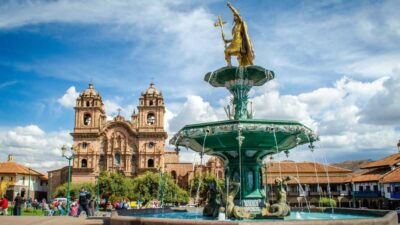 ★ 4.6Half-Day City Tour with Sacsayhuaman and Q’encoFrom $131,129 reviews
 ★ 4.6Vinicunca Rainbow Mountain ATV Tour with MealsFrom $761,060 reviews
 ★ 4.6Sacred Valley, Pisac, Ollantaytambo, Salt Mines MorayFrom $281,058 reviews