
REVIEW · MACHU PICCHU & AGUAS CALIENTES TOURS
From Cusco: 5-Night Trip with Salkantay Trek & Machu Picchu
Five days in the Andes, with cabin comfort. This Salkantay-to-Machu Picchu trip strings together glacier scenery and Machu Picchu sights with a small group feel. I like how the route aims for bigger views, not just a conveyor belt to the next photo spot.
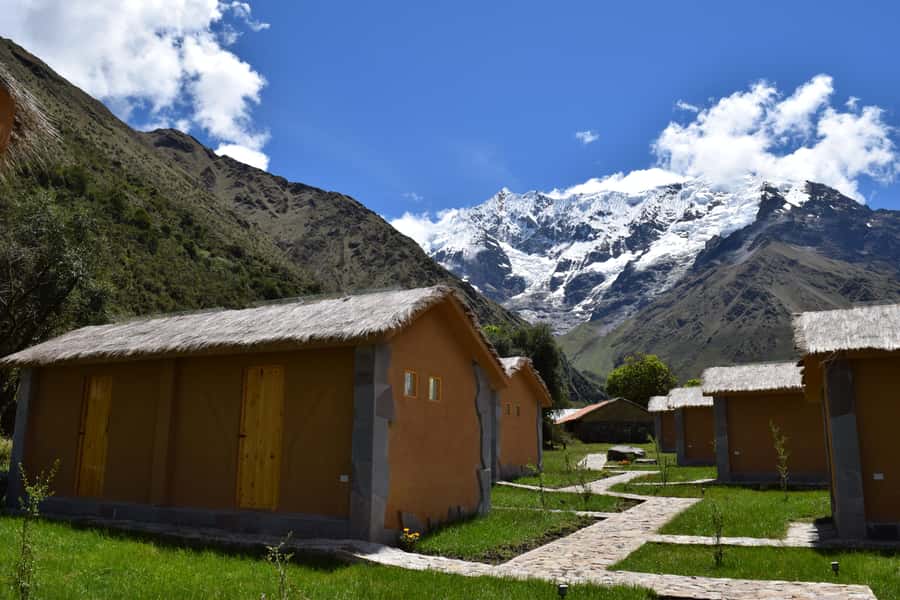
I also love the way the accommodations change each day. You get a glass cabin night, a Hobbit house with an outdoor jacuzzi vibe, two camping nights, plus a hotel night near Aguas Calientes, so the trek never feels like one long sameness slog.
One thing to consider: this is a hike with multiple days on the move, and the trip is not suitable for pregnant women or anyone with back, heart, or other pre-existing medical conditions.
Key highlights and what they mean for you
- Salkantay trek scenery: Expect alpine, glaciated mountain views and shifting landscapes on the same journey.
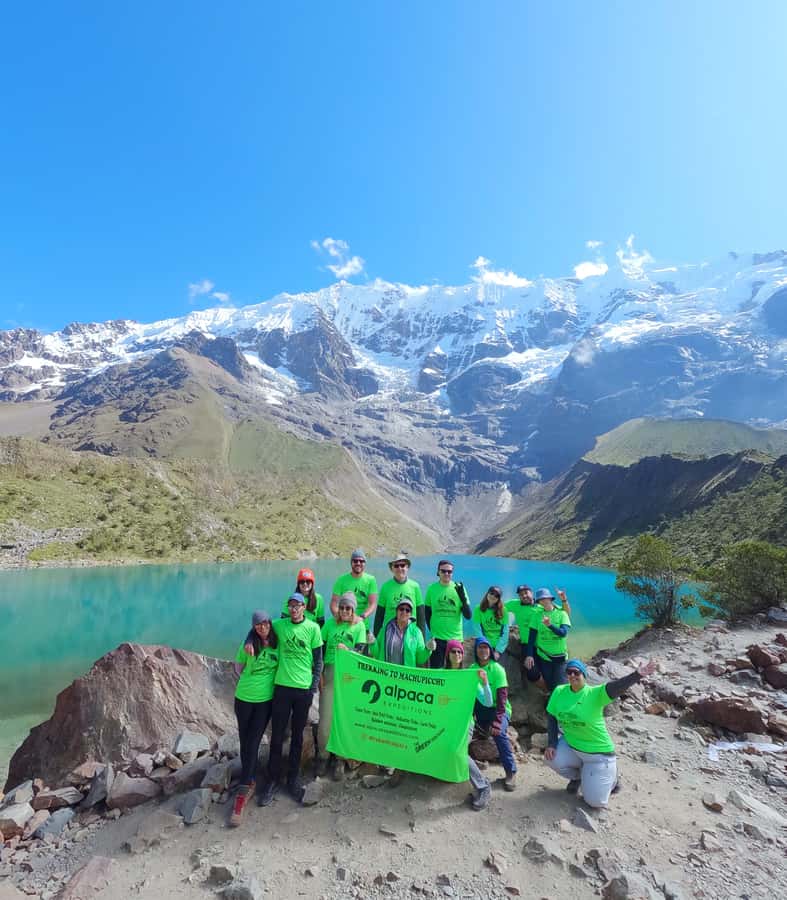
- Humantay Lagoon photo stop: You’ll have a classic viewpoint moment built into day 1.
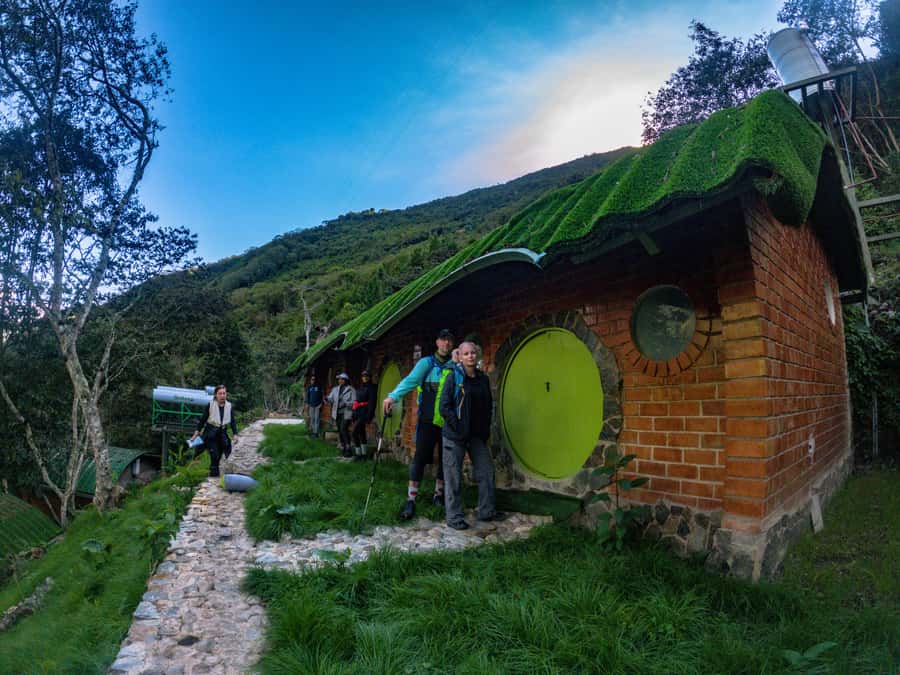
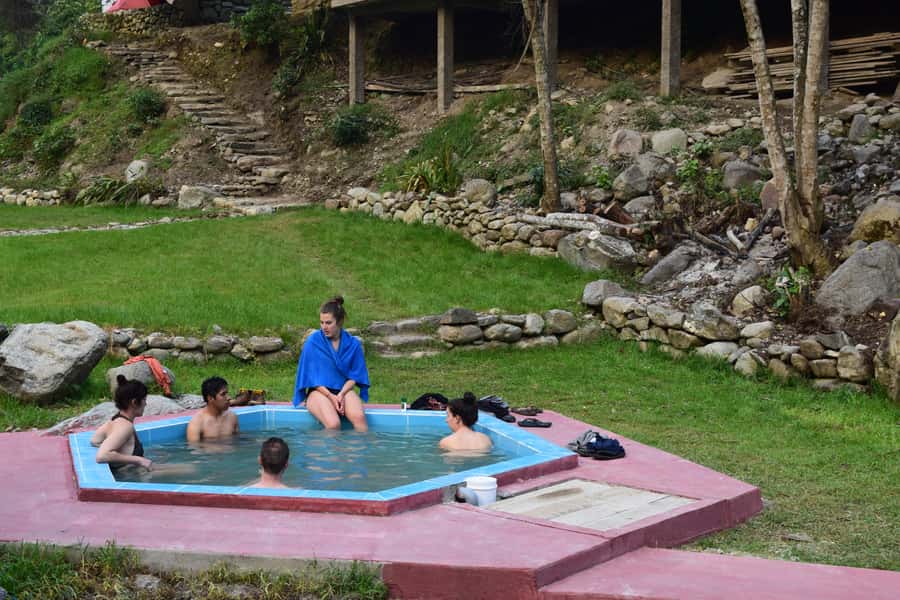
- Hobbit house at Ccollpapampa Loreta: A rest stop that feels playful, not bland, and includes outdoor jacuzzi access.
- Camp near Machu Picchu at Llactapata: You sleep close to the approach, not at the far end of the day’s commute.
- Machu Picchu with bus access: Round trip bus ticket to Machu Picchu is included for your day 5 timing.
- Small group up to 16: Easier pacing and fewer “lost in the crowd” moments on narrow trails.
Salkantay to Machu Picchu, the scenic Andean route you actually feel
If you’re choosing between treks just because they end at Machu Picchu, this one wins on style. The Salkantay path is known for big mountain drama and changing environments as you walk. You’re not only ticking off landmarks, you’re moving through the Andes like it’s one long, lived-in landscape.
What I like for you here is the mix of sights and pacing. You’ll hike days that build up to high viewpoints, then you get real breaks with meals and planned lodging. That balance matters because a trek can go either way: either it’s stressful and rushed, or it’s exhausting in a good, clear way.
Why the changing stays matter more than you think
This trip is not “camp, camp, camp, then a hotel.” It’s built as a sequence of different lodging styles across five days and five nights. That matters because fatigue hits differently when you have a chance to reset, not just sleep and wake up again.
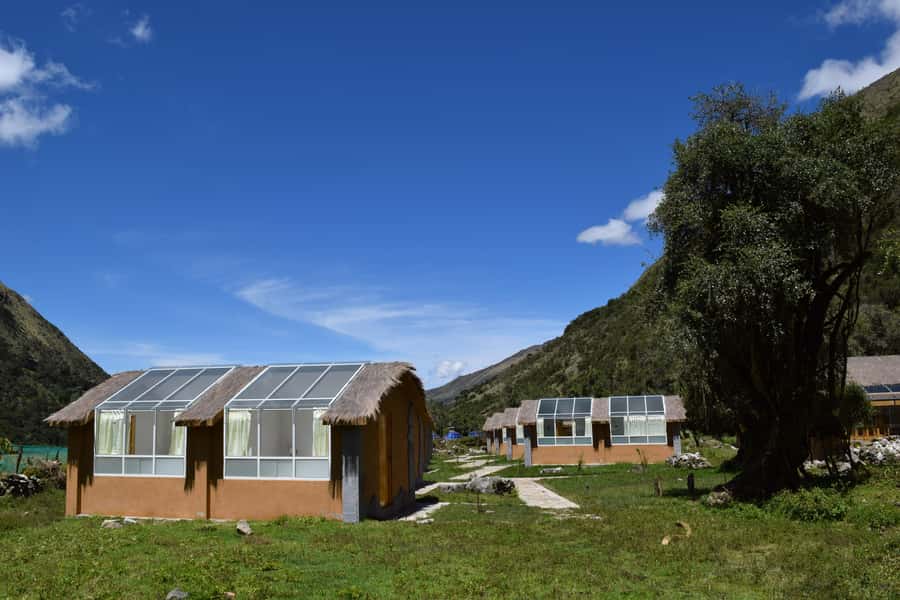
Here’s the flow: you start with Salkantay Glass Cabañas after a transfer, then you move through two camping nights, then you spend a night in a Hobbit house at Ccollpapampa Loreta with an outdoor jacuzzi setup. The last overnight before Machu Picchu is a hotel night in the Aguas Calientes area, then you finish with Machu Picchu day.
Why this helps in real life:
- Camping nights give you the “trek energy” without pretending you’re in a wilderness survival movie.
- The glass cabin and Hobbit house create comfort moments that make the next hike feel doable.
- A hotel night adds a “reset” before your Machu Picchu day, which tends to be emotionally and physically intense.
Your Day 1: Soraypampa, Humantay Lagoon, Salkantay Pass, Wayracpunko
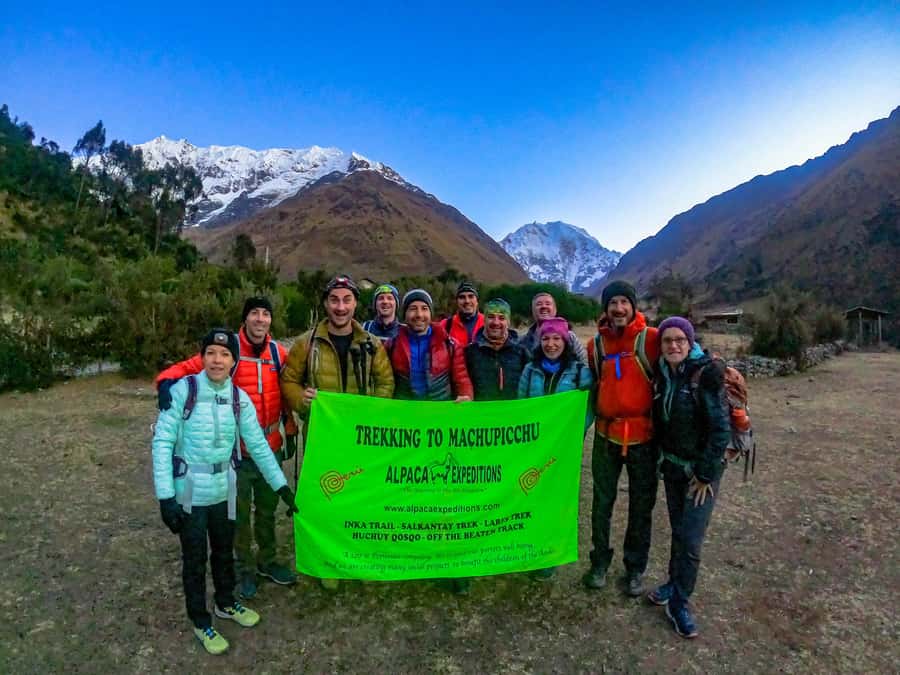
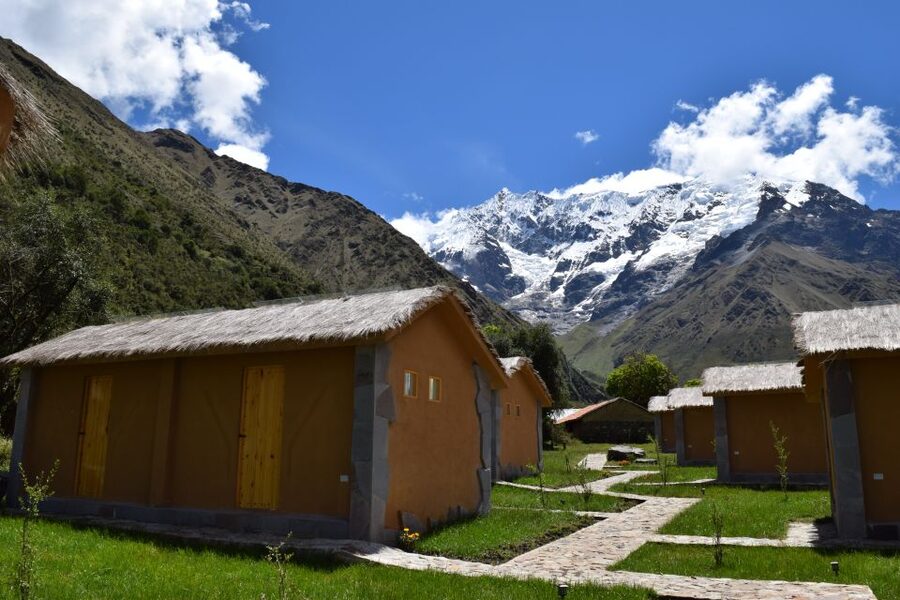
Day 1 starts with a transfer to the Salkantay Glass Cabañas around 3 pm. That late-afternoon arrival is useful because you’re not rushing straight onto the trail the moment you land in the mountains. It’s time to settle, get oriented, and prepare for the hike days ahead.
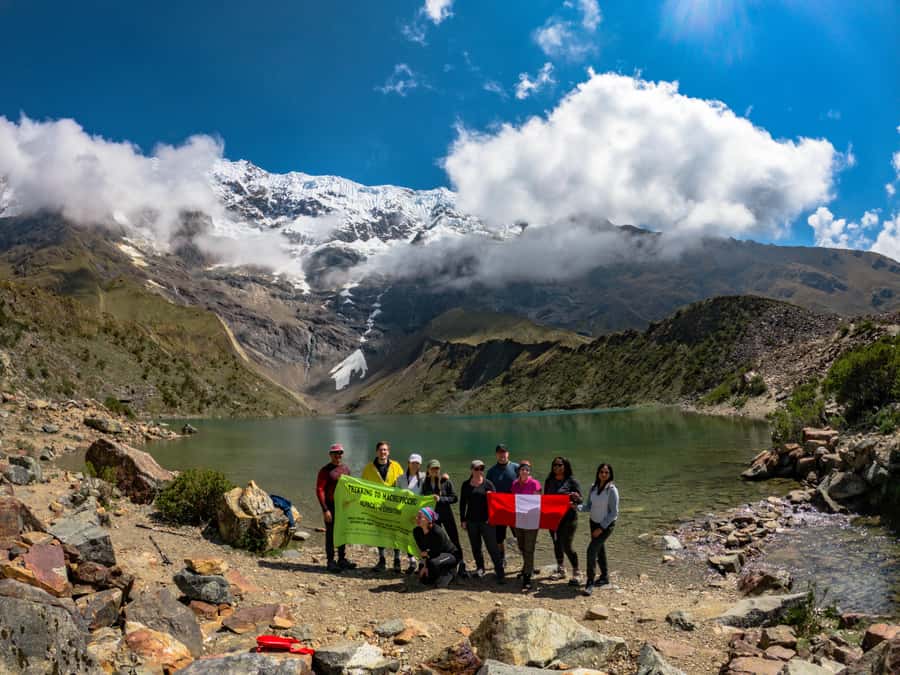
Then the trek begins at Soraypampa campsite. This is your first real walking day, and it’s structured around a classic highlight: Humantay Lagoon. If you like photos, this is the moment. It’s one of those stops where the views make you stop caring about anything else, including your feet.
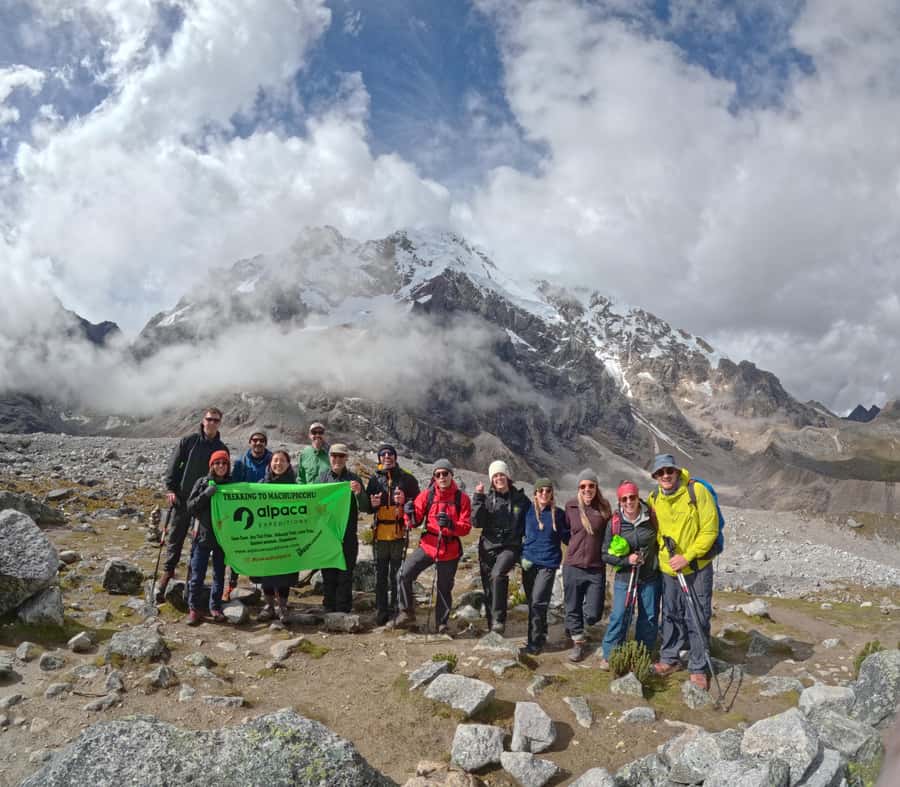
From there, the day continues toward the Salkantay Pass viewpoint area and then onward to Wayracpunko. The pass portion is where the trip leans into why Salkantay is famous: glaciated mountain scenery and that wide-open Andes feel. Even if you’re not a “huge altitude” person, you’ll still feel the scale of the terrain.
Practical note for you: this is a long, active day. Plan to move steadily, not heroically. Bring your sun and rain gear because mountain weather can change fast, and the trail doesn’t care about your plans.
Your Day 2: Wayracmachay, Chaullay, and the Hobbit House at Ccollpapampa Loreta
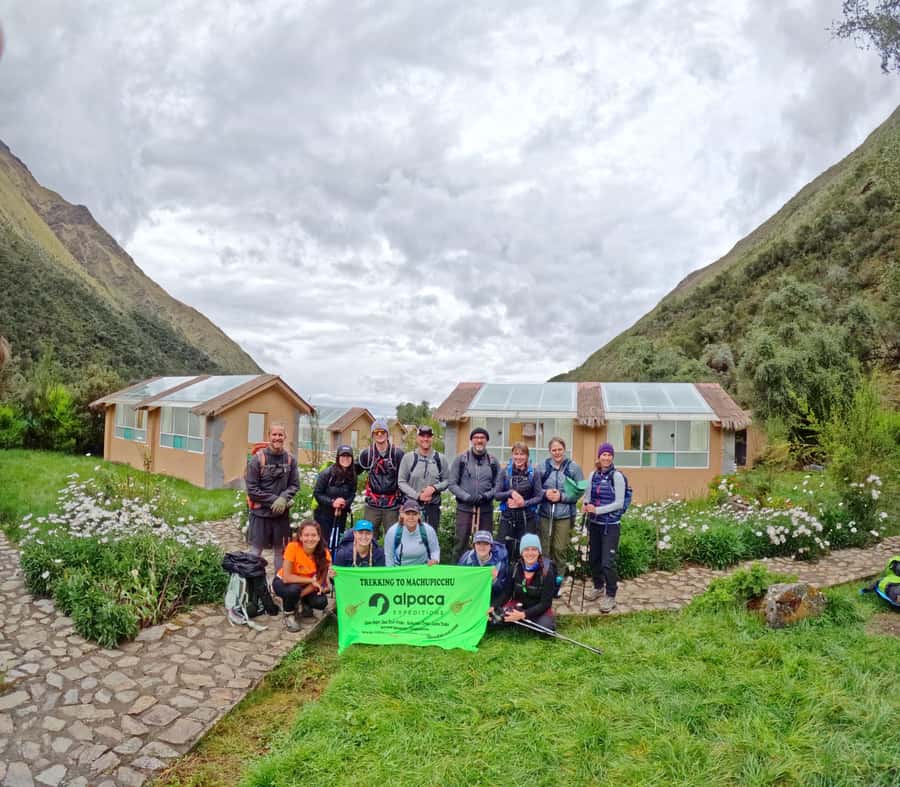
Day 2 continues the trek with a route that takes you through Wayracmachay and Chaullay, then onward to Ccollpapampa Loreta. The destination is the memorable one: a Hobbit house, where the trip includes access to an outdoor jacuzzi setup.
That may sound like a gimmick, but it’s actually smart. On multi-day treks, comfort isn’t just luxury. It helps your body recover so you can enjoy day 3 instead of dreading it. After walking all day, you want somewhere that feels different from a plain campsite.
What to expect from the walking day itself: you’ll be moving through changing scenery rather than repeating the same trail rhythm. That keeps your mind engaged, which matters when your legs get tired. Also, with an English-speaking guide and small group size up to 16, you’re less likely to feel like you’re wandering in a cloud of strangers.
If you’re the type who likes a clear plan, you’ll appreciate that the day is structured like this, not like “we’ll see how everyone feels.” You still have to listen to your body, but the route is there.
Your Day 3: La Playa Sahuayaku, Lucmabamba coffee farm, and Llactapata camping
Day 3 is where the trip adds personality beyond hiking. After the morning at Loreta, you head toward La Playa Sahuayaku, then to Lucmabamba, a coffee farm stop. That’s a great break in the middle of the trek day because it’s not another view, it’s a taste of local life.
Then the walking continues to Llactapata, where you camp with the Machu Picchu approach in mind. This is one of the key emotional beats of the whole itinerary. You’re not in Machu Picchu yet, but you’re close enough to feel it building.
Why this camp location helps your experience:
- It turns Machu Picchu from a sudden jump into a gradual payoff.
- It gives you a reason to think about sunrise and photo timing without needing to invent a plan.
- It’s physically more efficient than some end-of-trek logistics, because you’re already positioned for day 4.
Bring a bit of patience for this day. You may be excited, and you may also be tired. That’s normal. The route gives you meaningful stops, but it’s still a trekking day.
Your Day 4: Llactapata lookout to Mandor waterfalls and Aguas Calientes
On day 4, you start with the Llactapata lookout. This is your “Machu Picchu is real” moment before the final travel into Aguas Calientes. If you’re into photography, this is when you’ll understand why people get so fired up about this whole route.
After the lookout, the itinerary heads toward Mandor waterfalls. Waterfall stops are more than scenery. They’re natural breaks in walking rhythm, and they help you reset mentally. You’ll also likely cool down a touch, which matters when you’ve already been moving for several days.
Then you reach Aguas Calientes, where you spend your hotel night. This part is valuable because Aguas Calientes is where your energy needs to shift from trekking mode to Machu Picchu mode. A hotel night helps you sleep and recover so you can handle the big day coming next.
Your Day 5: Machu Picchu entry and the return train to Cusco
Day 5 is Machu Picchu. The trip includes entry fees and a round trip bus ticket to Machu Picchu, which helps keep your logistics from getting messy on your most important day. You’ll also travel back to Cusco by train, and the train ticket is included for the way back in Expedition class.
A small but meaningful point: when Machu Picchu day is part of an actively paced trek, you often appreciate it differently. You’re not arriving with a blank mind and then trying to feel something. You’ve earned your entrance by walking, sweating, and recovering through the days before.
From a value standpoint, the included entry fees, bus access, and return train ticket mean you’re not piecing together major components on your own at the last moment. That can save stress, and stress is expensive in its own way.
Price, value, and where extra costs may pop up
The price is listed at $650 per person for the 5-day, 5-night experience. On paper, that sounds like a “deal” or a “maybe expensive” depending on what you compare it to. The key is what’s included.
Included items you should care about:
- Guide plus expert local indigenous guides (the guide team is part of what makes the trek feel smoother)
- Meals: lunch x4, breakfast x5, dinner x4
- Accommodations across multiple lodging types, including glass cabins, a Hobbit house night, camping nights, and a hotel night
- Transportation tied to the route, plus entry fees
- Professional chefs and porters
- Personal porter up to 7 kg per person
- First aid kit and an oxygen tank
- Train ticket for the return (Expedition class)
- Round trip bus ticket to Machu Picchu
So where can costs add up?
- You need to bring what the trip lists as not included: day pack and headlamps, plus sleeping bag, air mattress, and trekking poles.
- If you want Huayna Picchu, that is an extra $75 per person and must be booked in advance. It is not included.
What you’re really paying for here is not only the walk. You’re paying for an organized trek with food, lodging variety, key transport pieces, and the safety support that comes with a first aid kit and oxygen tank. For many people, that’s the difference between a trek you remember and a trek you survive.
What’s in your hands: packing list and smart trail habits
The tour provides clear guidance on what to bring, and you’ll want to follow it. Mountain trekking is where “I’ll manage” turns into “why did I ignore this?”
Bring:
- Passport
- Sunglasses and sun hat
- Towel
- Hiking shoes
- Sunscreen and rain gear
- Long-sleeved shirt, outdoor clothing, and thermal clothing
- Insect repellent
- Insect-repellent helps more than you’d think on certain trail days
- Trekking gear (as listed for the trip you’re taking)
For sleep and comfort, the trip lists what isn’t included: sleeping bag, air mattress, and trekking poles. That means you should pack accordingly or confirm what option you’ll have.
Trail habit that will save you: use layers. Even if mornings start cool, the afternoons can warm up. Your goal is to be comfortable enough to keep a steady pace, not to layer up so much you become your own personal sweat machine.
The group size and pacing you’ll actually feel
This is a small group, limited to 16 participants, with an English live tour guide. That number matters. On crowded treks, you can lose time and focus just trying to stay together, especially when trails narrow.
With a limited group and a guide leading the way, you can relax a bit. You still need your own pace and stamina, but you avoid that stressful “everyone spread out” problem that ruins photo stops and slow down recovery.
Also, pickup is included from your hotel in Cusco. Getting to the start without negotiating transport on your own helps you start the trek day less frazzled.
Who this trek fits, and who should pass
This experience is best for active travelers who want a less crowded feel and appreciate alpine scenery plus a structured, comfortable lodging plan. If you like hiking, but you also want gourmet meals and planned rest, this setup makes sense.
It is not suitable for:
- Pregnant women
- People with back problems
- People with heart problems
- People with pre-existing medical conditions
If you’re on the edge health-wise, don’t guess. Ask your doctor first, then ask the operator what accommodations they can and cannot make. The itinerary includes multiple hiking days and mountain pass areas, so you’ll want to be realistic about your limits.
Should you book this Salkantay trek and Machu Picchu package?
I think you should book if you want:
- Salkantay trek scenery and Humantay Lagoon as part of the journey
- A Machu Picchu day supported by included entry fees, bus ticketing, and a return train ticket
- Comfort upgrades during the trek, including glass cabins and a Hobbit house night with outdoor jacuzzi access
- A small group experience (max 16) with guides, chefs, and porters handling the heavy logistics
I’d skip it if you:
- Need a gentle, no-stress walk, or you have health limits that make multi-day hiking unsafe
- Expect trekking poles, sleeping gear, or headlamps to be provided (they are not included)
If you’re trying to choose between a simple trek and a more comfort-aware adventure, this strikes a strong balance. You’ll work for the views, then you’ll actually rest like a human before Machu Picchu.
FAQ
How long is the Salkantay trek and Machu Picchu trip?
It lasts 5 days and 5 nights, with starting times depending on availability.
Where does the trip start?
It starts from Cusco, and pickup is included from your hotel.
What language is the tour guide?
The live tour guide is English.
What accommodations are included?
You get 1 night at Glass Cabañas, 2 nights camping, 1 night in a Hobbit house, and 1 night at a hotel.
Are meals included?
Yes. Lunch is included 4 times, breakfast 5 times, and dinner 4 times.
What tickets are included for getting to Machu Picchu and back?
You get an included round trip bus ticket to Machu Picchu, and a train ticket for the way back in Expedition class.
Is Huayna Picchu included?
No. Huayna Picchu Mountain Pass costs $75 per person and must be booked in advance.
What should I bring that is not included?
A day pack and headlamps, sleeping bag, air mattress, and trekking poles are not included.
Who is this trip not suitable for?
It’s not suitable for pregnant women, people with back problems, people with heart problems, or people with pre-existing medical conditions.
Machu Picchu & Aguas Calientes Tours, compared.
 ★ 4.7Full-Day Group Tour of Machu PicchuFrom $3211,767 reviews
 ★ 4.5Machu Picchu Day Trip from CuscoFrom $3361,644 reviews
 ★ 4.6Machu Picchu: Full-Day Tour from Cusco with Optional LunchFrom $283927 reviews
 ★ 4.84-Day Inca Trail to Machu Picchu with AccommodationFrom $470432 reviews
 ★ 4.62-Day Trip to the Sacred Valley and Machu PicchuFrom $370265 reviews
 ★ 4.9Machu Picchu 2-Day Inca Trail with Panoramic TrainFrom $582260 reviews
 ★ 4.22-Day Inca Trail to Machu PicchuFrom $290244 reviews
 ★ 4.9Machu Picchu: Inca Trail 2-Day Overnight Guided TourFrom $585203 reviews
Browse the lists this tour appears in