
REVIEW · MACHU PICCHU & AGUAS CALIENTES TOURS
From Cusco: 2-Day Sacred Valley and Machupicchu by Train
Machu Picchu in two days beats the stress. This Cusco-area trip pairs Sacred Valley sites like Pisac and Ollantaytambo with a guided morning at Machu Picchu, plus a train ride that makes the travel part feel less like a chore. It is a tight schedule, but it is built around how you actually want to see things: with stops, explanations, and time to look.
I like that you get door-to-door logistics, including hotel pick-up and drop-off in Cusco. I also like having a choice of train style for the scenic stretch between Ollantaytambo and Aguas Calientes, so you can tune the experience to how much you care about views. That is a smart way to spend your time and money.
The main drawback to plan for is extra costs for some site entry fees. While your Machu Picchu entrance ticket is included, Pisac and Ollantaytambo archaeological park tickets are not (listed as $20), and lunch on day 2 is also not included.
Key things to know before you go
- Small group (up to 10) means fewer people to manage and easier pacing across the day.
- Guided Sacred Valley and guided Machu Picchu helps you understand what you are looking at, not just where to walk.
- Pisac and Ollantaytambo entry fees are extra even though visits are part of the plan.
- Train choice is built in, with an option called Vistadome 360° panoramic.
- Overnight in Aguas Calientes saves you from doing Machu Picchu as a long day with minimal sleep.
- Expect some sales pressure at textile or animal-related stops, so decide in advance how you want to handle that.
Other ways into the citadel, side by side
- Machu Picchu Day Trip from Cusco★ 4.5 · 1,644 reviews
- Machu Picchu: Full-Day Tour from Cusco with Optional Lunch★ 4.6 · 927 reviews
- Cusco: 4-Day Inca Trail to Machu Picchu with Accommodation★ 4.8 · 432 reviews
- From Cusco: 2-Day Trip to the Sacred Valley and Machu Picchu★ 4.6 · 265 reviews
How the 2-day Cusco to Machu Picchu train plan really works
This is a guided two-day route that uses a train connection to break up the travel. Day 1 is all about setting context and seeing multiple Sacred Valley highlights. Day 2 is your Machu Picchu morning, then the ride back toward Cusco.
You start with breakfast at your Cusco hotel, then the tour picks you up and heads out into the valley. In the late afternoon you reach the train station in Ollantaytambo, and you transfer to your hotel in Aguas Calientes for the night. The next morning, you go up to Machu Picchu by bus with your guide, then return by train.
The big value here is pacing. Doing Sacred Valley plus Machu Picchu in one day often means rushing and guessing what matters. This plan gives you a calmer day 1, a proper Machu Picchu morning, and a night to sleep before you climb.
Day 1 Cusco to Sacred Valley: alpacas, viewpoints, and Inca-era stops
Day 1 starts early, with hotel pick-up in Cusco right after breakfast. The drive moves toward the Sacred Valley with a quick pass by major Cusco sights listed for the route (Sacsayhuamán, Qenqo, and PucaPucara), and the focus stays on reaching the valley sites efficiently.
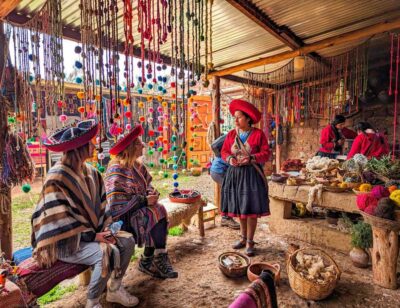
One of the first memorable moments is Awana Kancha, where you will spend about 30 minutes learning about textiles and the weaving process. You get to see llamas, alpacas, and vicuñas, and you can usually take photos. This is where you should be prepared for a gentle sales pitch tied to souvenirs or textiles. If you are not interested, just treat it like a short cultural stop, enjoy the animals and the technique, and keep moving.
Next comes the Taray viewpoint. This stop is timed for classic Sacred Valley photos, with terrace patterns along the Urubamba River. It is the kind of pause that helps your brain connect the geography to what you will see later, especially once you get to Pisac and Ollantaytambo.
The rest of day 1 is built around archaeological sites and local life. The guide’s job is to connect what you see, like agricultural terraces and stonework, to how the Incas used the valley.
Pisac: the views, the Inca agriculture, and the market moment
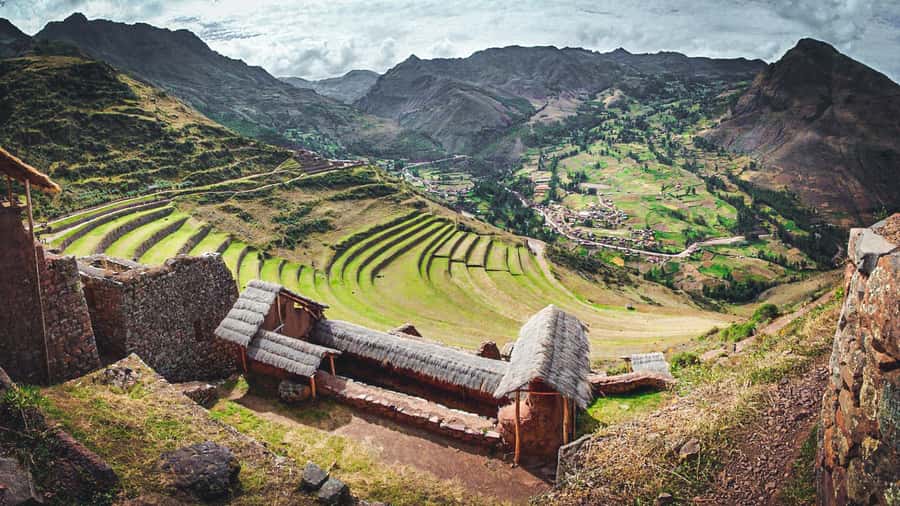
Pisac is a two-part experience: the archaeological park area and the village market side. You drive up to the Pisac Inca site for big valley views before you even start walking. The plan is to focus on key features you can actually spot: temples, residences, altars, channels, and evidence of Inca agricultural methods.
What makes this stop valuable is the way it changes your understanding of the valley. Terraces are not just scenery. They reflect water management and farming logic in a challenging environment. Even if you are not a hardcore history person, the guide helps you see why the stones matter.
Then you head to the Pisac market in the village. This is a chance to interact with local people and pick up small souvenirs like pottery, jewelry, and textiles. Markets also move fast, so if you want photos, go early in the market time window. If you want to shop, bring a simple plan so you do not get swept into buying everything at once.
One important budgeting note: the tour includes Machu Picchu entrance, but the entrance ticket to the archaeological park of Pisac is listed as not included (tied into the $20 archaeological park fee). I recommend setting aside that extra cash so you are not surprised when you arrive at the site.
Ollantaytambo terraces and the late afternoon train transition
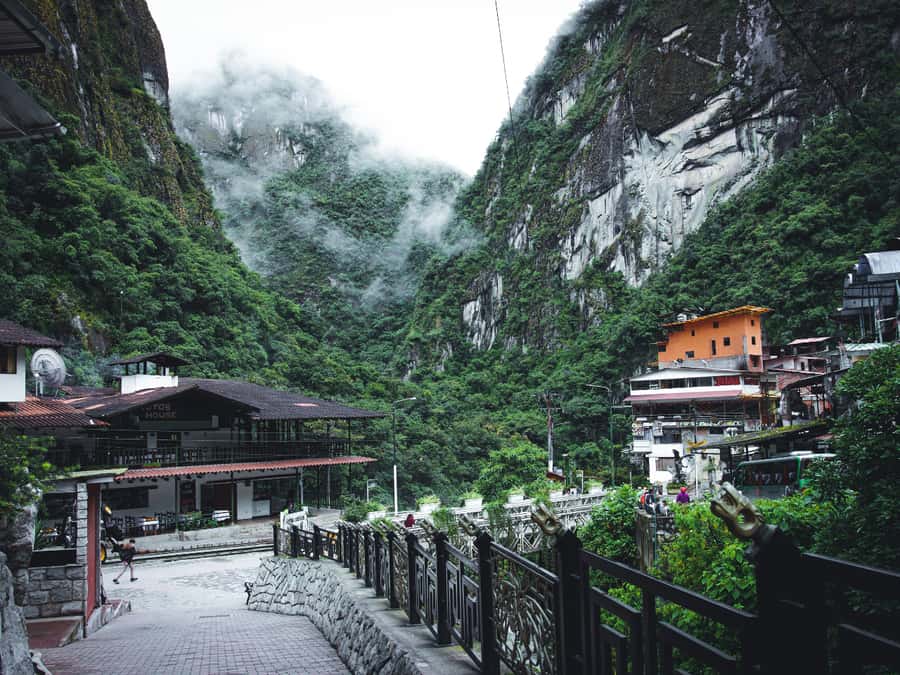
After Pisac, the day continues with lunch and the next major site. You get a buffet lunch in the Urubamba area, with vegetarian options available. For day 1, this meal matters because it keeps your energy steady during a long slate of sightseeing.
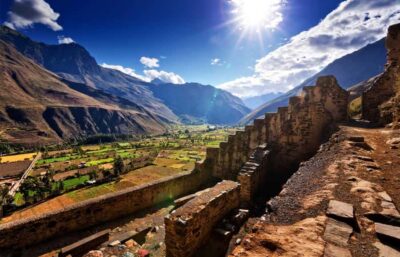
The last archaeological focus of day 1 is Ollantaytambo. You will visit the terraces and ruins, and the timing is set so you finish while daylight is still working for views. This location is especially important as a protected entrance area tied to routes toward Machu Picchu, and it has layers of conflict and change during later periods, too.
Then comes the practical part: you head to the station to board your selected train. The total train ride is listed as about 1 hour 45 minutes, with a chance to see mountainous terrain before you arrive at Aguas Calientes.
The transition from site to train is exactly why I like this format. You do not face a long scramble to find transport on your own. Your guide and transport are already coordinated, which lowers the chance of delays turning into stress.
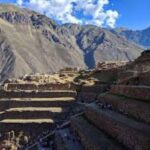
More of the valley floor, from Pisac to Ollantaytambo
Train choice: normal vs Vistadome 360° panoramic
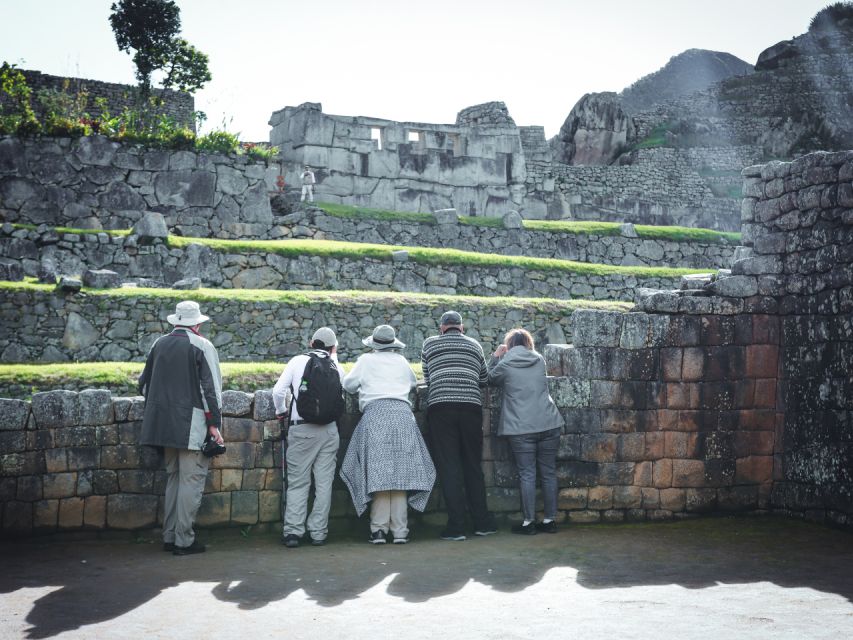
Your train segment runs round-trip between Ollantaytambo and Aguas Calientes. On booking, you can choose between a normal train and the Vistadome 360° panoramic option.
Here is my practical take. If you care about views and you want your travel time to feel like part of the sightseeing, Vistadome is a nice upgrade. If you are not obsessed with window angles, the route itself is scenic either way, and the money might be better spent on experiences you can enjoy on the ground at Machu Picchu.
Either train choice is designed around the same goal: get you to Aguas Calientes comfortably and in time to sleep before Machu Picchu. So do the decision math based on what you value most. For many people, the biggest payoff is getting to the overnight and Machu Picchu morning smoothly, not obsessing over tiny comfort differences in transit.
Aguas Calientes overnight: free afternoon, hotel included

By about 6:10 pm, you arrive in Aguas Calientes and transfer to your hotel for check-in. The included hotel is Inti Punku Machupicchu Hotel & Suites, or a similar 3-star property, so you should expect basic comfort, hot shower, and sleep rather than luxury.
You then get the afternoon free on your own. Lunch is not included, so plan for something simple once you arrive. This is also your best time to get oriented, buy a few essentials, and figure out how you will handle your morning bus timing.
One real advantage of staying overnight is that you avoid the feeling of constantly chasing the next departure. Machu Picchu mornings can be early, and having a night in Aguas Calientes lets you show up with less chaos.
Day 2 Machu Picchu morning: bus up, upper and lower visits, then down
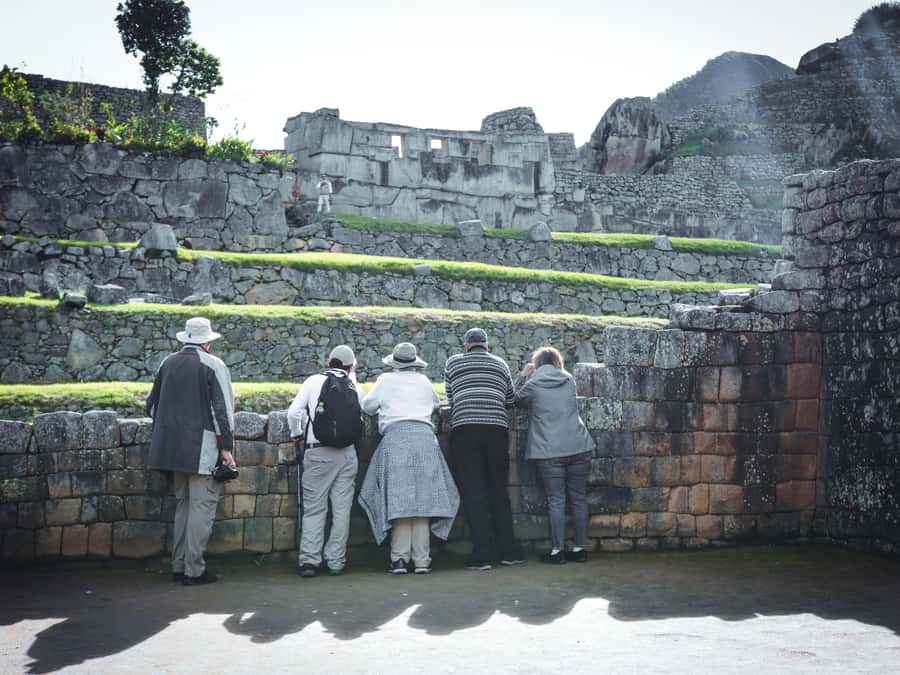
Day 2 starts with breakfast at your Aguas Calientes hotel. Then you move with your guide to the bus station in town, and the bus takes you to the main gate of Machu Picchu.
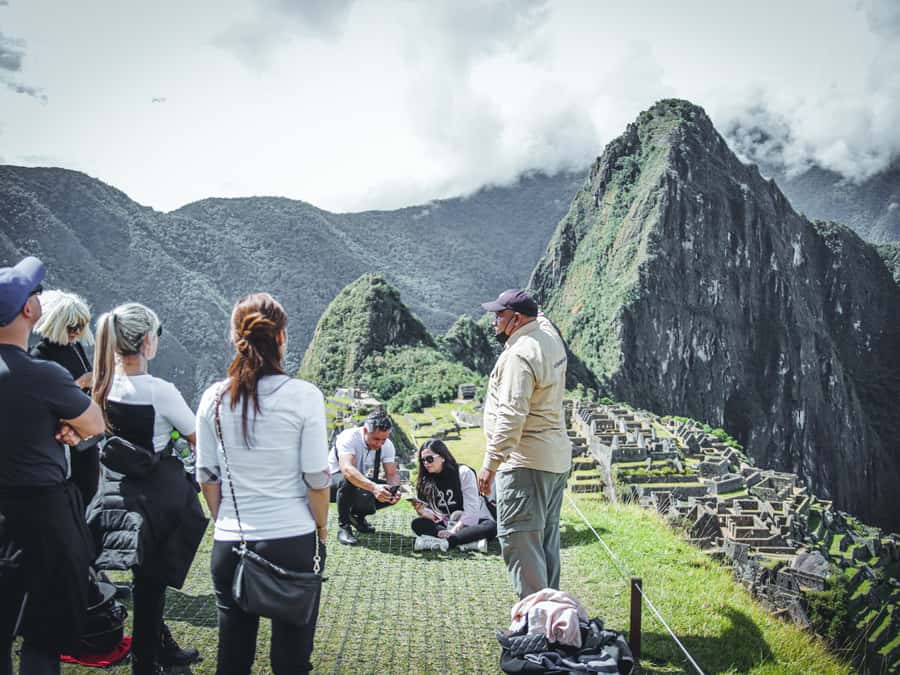
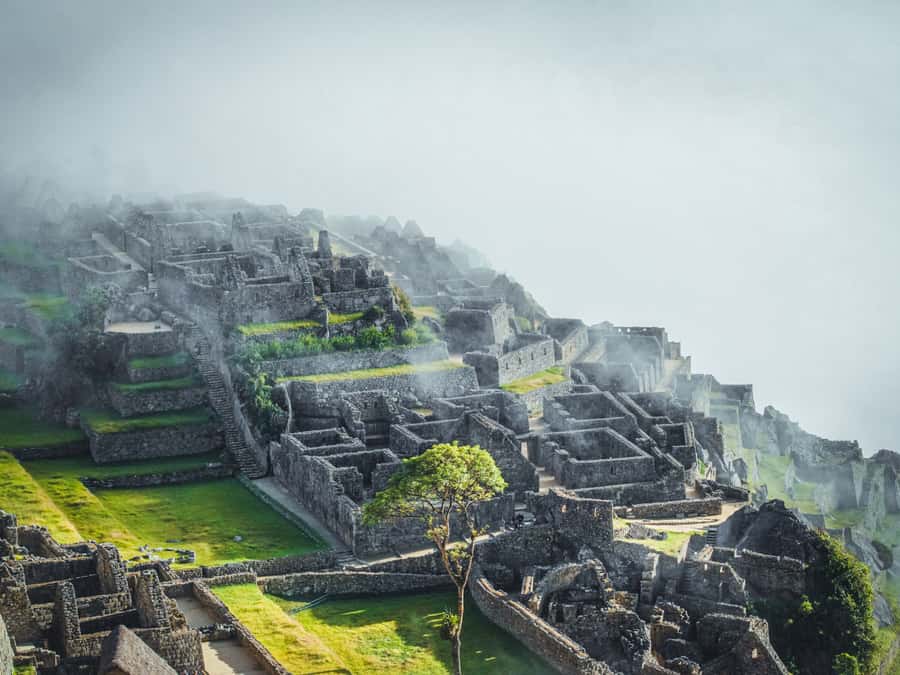
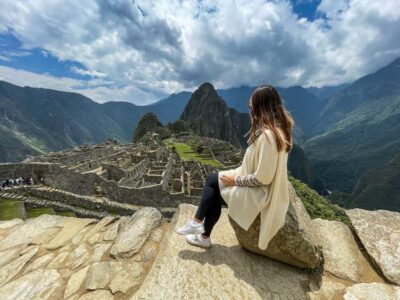
Your plan includes the classic photo moment first, from the highest part of Machu Picchu, and then you visit the lower part. A guide leads the walking tour and shares explanations about the history and meaning of what you are seeing.
This is one of the best parts of the whole trip: having an English and Spanish speaking guide at Machu Picchu itself, not just during the Sacred Valley portion. The guide helps you connect stone structures to how Machu Picchu functioned, and it also helps you understand what you should focus on while you are in crowds.
After the guided visit, you return by bus to Aguas Calientes. You will have time for lunch there, but lunch is not included. Then you board the train that takes you toward Ollantaytambo, and a transfer brings you back to your Cusco hotel. The estimated arrival time back in Cusco is listed as 6:30 pm.
If you like having momentum without feeling rushed, this schedule tends to work well. You get the big Machu Picchu payoff in the morning when you can still feel fresh, and the return is organized for a smooth finish.
What the included guide time and transport add up to
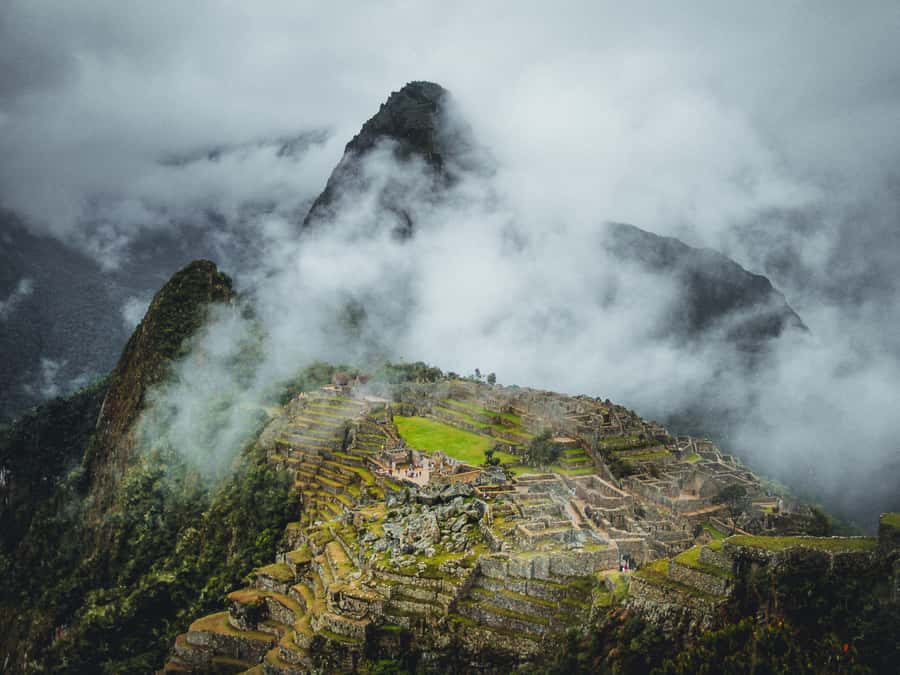
The tour includes an English and Spanish speaking guide for the Sacred Valley portion, and a guide for Machu Picchu (also listed as English and Spanish speaking). The wider activity languages are Spanish, English, and Portuguese, which can matter if you prefer one over another.
Group size is limited to 10 participants, which is a big deal for Machu Picchu. Smaller groups mean less waiting at bottlenecks and easier movement through the main areas. On the Sacred Valley side, smaller group size also helps the guide handle photo stops and short explanations without losing time.
Transport is also a highlight on paper and in practice. You get door-to-door service in Cusco, tickets for the train and bus segments, and transfers back to your Cusco hotel after you return. That cuts down on planning fatigue, especially because Machu Picchu logistics are notoriously structured around fixed schedules.
One more practical note: the plan includes bottled water. That is small, but it helps you not think about basics while you are focused on the sights.
Price and value for $499: what you are paying for
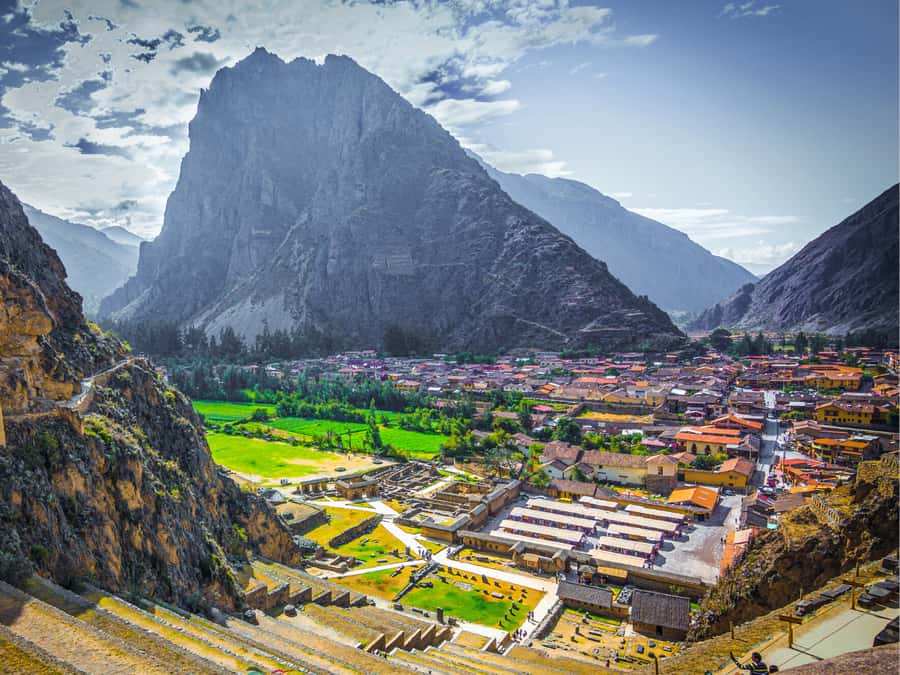
The price is listed as $499 per person for a 2-day trip that includes a lot of the “hard to coordinate” pieces. You are paying for guided interpretation, transport coordination, key tickets, and an overnight stay in Aguas Calientes.
Here is how I’d judge value in real terms:
- You get Machupicchu entrance ticket included, plus the bus access for the day.
- You get the train round-trip Ollantaytambo to Aguas Calientes and the bus between Aguas Calientes and Machu Picchu.
- You get breakfast and a 1-night hotel, which is often the cost that sneaks up if you DIY.
- You get on-the-ground guiding in both the valley and at Machu Picchu.
The potential value wrinkle is that some archaeological park entrances are extra, listed as $20 for Pisac and Ollantaytambo. Also, meals like lunch on day 2 and dinners are not included, so you need to budget for those.
Compared with piecing together tickets and timing on your own, this price can feel fair because it reduces the risk of getting stuck in the wrong line or missing a connection. The tour is most “worth it” if you want reliability and you would rather spend your energy looking at terraces and ruins than comparing train times.
Who this tour suits best, and who should think twice
This is a great fit if you want a structured route with real guide time at both Sacred Valley sites and Machu Picchu. It is also a good option if you like the idea of train travel with scenic views but do not want to handle all the logistics yourself.
It can be less ideal if you dislike any sales stops. Some parts of day 1 are tied to textiles or alpaca-related learning, and there can be a buying push. You can still enjoy the stops, but you should decide in advance that you will only buy what you genuinely want.
Another consideration is ticket add-ons. If you want Wayna Picchu, that ticket is listed as not included and must be requested a few months in advance if available. Also, Pisac and Ollantaytambo archaeological entrances are extra. If your plan depends on maximizing included value, account for these items when you budget.
Should you book this 2-day train tour from Cusco?
I would book it if you want the smoothest way to cover Sacred Valley plus Machu Picchu without compressing everything into one brutal day. The strongest reasons are the overnight in Aguas Calientes, guided time at Machu Picchu, and the way transport is handled end to end.
I would think twice if you are trying to minimize spending beyond what is listed. The tour includes a lot, but you still need to budget for Pisac and Ollantaytambo entrance tickets and lunch on day 2. If Wayna Picchu is your must-do, start early because the timing requirement is real.
If you do book, a smart move is to keep your shopping mindset practical. Enjoy the textile and market moments, but treat them as stops, not obligations.
FAQ
What is included in the price?
You get hotel pick-up and drop-off in Cusco, one night in a 3-star hotel in Aguas Calientes (Inti Punku Machupicchu Hotel & Suites or similar), guided tours for the Sacred Valley and Machu Picchu (English and Spanish speaking), Machu Picchu entrance, train tickets round-trip (Ollantaytambo to Aguas Calientes and back), the bus ticket between Aguas Calientes and Machu Picchu, breakfast, and bottled water.
What is the total duration of the tour?
The tour is listed as 2 days.
Do I need to pay extra entrance fees?
Yes. Machu Picchu entrance is included, but the entrance ticket for Pisac and Ollantaytambo archaeological parks is listed as not included (about $20 total).
Is lunch included?
Breakfast is included for one day. Lunch is included as a buffet on day 1. Lunch on day 2 is not included.
What train options are available?
When booking, you can choose between a normal train and the Vistadome 360° panoramic train for the Ollantaytambo to Aguas Calientes route.
Where do I sleep overnight?
You stay one night in Aguas Calientes in a 3-star hotel, listed as Inti Punku Machupicchu Hotel & Suites or a similar property.
Is the Machu Picchu guide included?
Yes. The tour includes an English and Spanish speaking guide visit at the Historic Sanctuary of Machu Picchu.
Do I need to provide passport details?
Yes. The tour states you must provide passport details (full name and passport ID, plus passenger names, passport numbers, date of birth, and nationality) after reservation.
Is Wayna Picchu included?
No. Wayna Picchu is not included. The ticket costs about $30 and must be requested a few months in advance if available.
How big is the group?
The tour is described as a small group limited to 10 participants.
More Leaving From Cusco
- Cusco: Humantay Lake Tour with Breakfast and Buffet Lunch
★ 4.9 · 2,976 reviews - From Cusco: Moray, Maras Salt Mines & Chinchero Weavers Tour
★ 4.8 · 1,925 reviews - From Cusco: Full-Day Group Tour of Machu Picchu
★ 4.7 · 1,767 reviews - Machu Picchu Day Trip from Cusco
★ 4.5 · 1,644 reviews - Cusco: Half-Day City Tour with Sacsayhuaman and Q’enco
★ 4.6 · 1,129 reviews
Keep Going Down the Valley
- Cusco: Sacred Valley, Pisac, Ollantaytambo, Salt Mines Moray
★ 4.6 · 1,058 reviews - Cusco:Chinchero,Moray & Salt Mines drop-off in Ollantaytambo
★ 4.8 · 793 reviews - Sacred Valley: Chinchero, Moray, Ollantaytambo & Pisac+Lunch
★ 4.8 · 501 reviews - Sacred Valley: Maras & Moray by Quad Bike from Cusco
★ 4.6 · 418 reviews - Pisac Indian Market and Ollantaytambo Fortress with Lunch
★ 4.5 · 395 reviews
Machu Picchu, Three More Ways
- From Cusco: Full-Day Group Tour of Machu Picchu
★ 4.7 · 1,767 reviews - Machu Picchu Day Trip from Cusco
★ 4.5 · 1,644 reviews - Machu Picchu: Full-Day Tour from Cusco with Optional Lunch
★ 4.6 · 927 reviews - Cusco: 4-Day Inca Trail to Machu Picchu with Accommodation
★ 4.8 · 432 reviews - From Cusco: 2-Day Trip to the Sacred Valley and Machu Picchu
★ 4.6 · 265 reviews
Fresh in from Cusco


Machu Picchu & Aguas Calientes Tours, compared.
 ★ 4.7Full-Day Group Tour of Machu PicchuFrom $3211,767 reviews
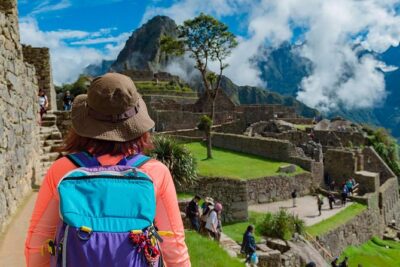 ★ 4.5Machu Picchu Day Trip from CuscoFrom $3361,644 reviews
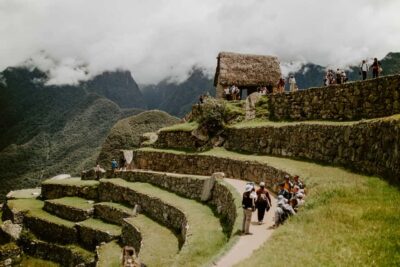 ★ 4.6Machu Picchu: Full-Day Tour from Cusco with Optional LunchFrom $283927 reviews
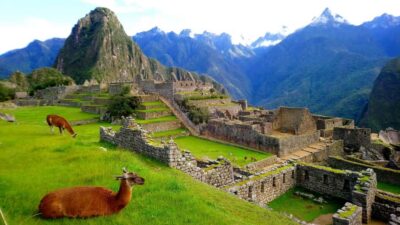 ★ 4.84-Day Inca Trail to Machu Picchu with AccommodationFrom $470432 reviews
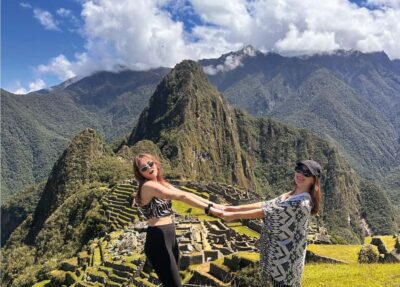 ★ 4.62-Day Trip to the Sacred Valley and Machu PicchuFrom $370265 reviews
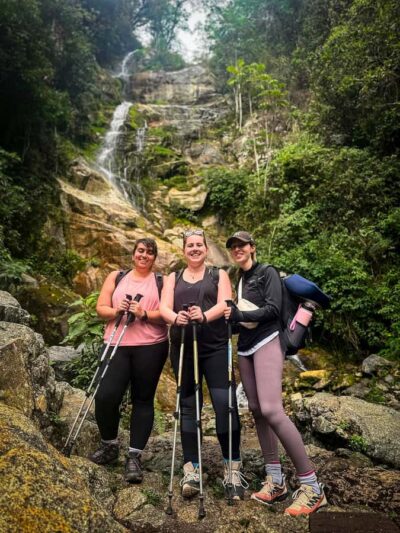 ★ 4.9Machu Picchu 2-Day Inca Trail with Panoramic TrainFrom $582260 reviews
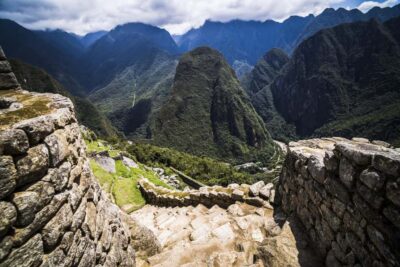 ★ 4.22-Day Inca Trail to Machu PicchuFrom $290244 reviews
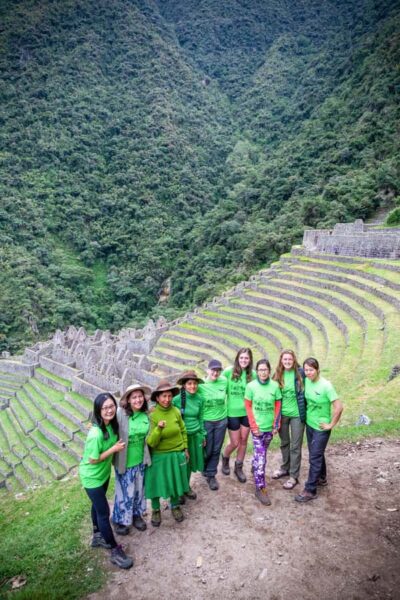 ★ 4.9Machu Picchu: Inca Trail 2-Day Overnight Guided TourFrom $585203 reviews
Browse the lists this tour appears in