
REVIEW · CUSCO TOURS
Excursion to the Planetarium of Cusco | New experience
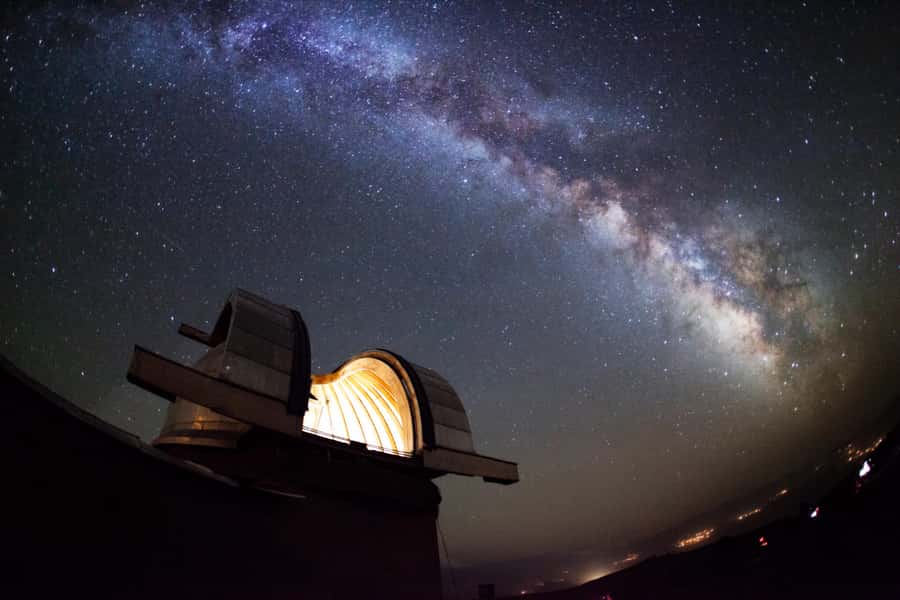
Cusco skies, explained after dark. This Cusco Planetarium excursion mixes an Inca astronomy talk with a planetarium dome show focused on constellations, then finishes with telescope viewing when conditions allow. One thing to keep in mind up front: the telescope segment depends on the weather, so the sky may be hit or miss.
I like that you go in a small group (up to 10 people) with a guide who speaks English and Spanish. You also get a proper night feel, with a short outdoor component that turns the science talk into something you can actually look up at.
If you are expecting a long, sit-down lecture, adjust your mindset. This is more of an evening program that moves from interpretation rooms to a dome projection, then outdoors for the sky part.
Key things you should know before you go
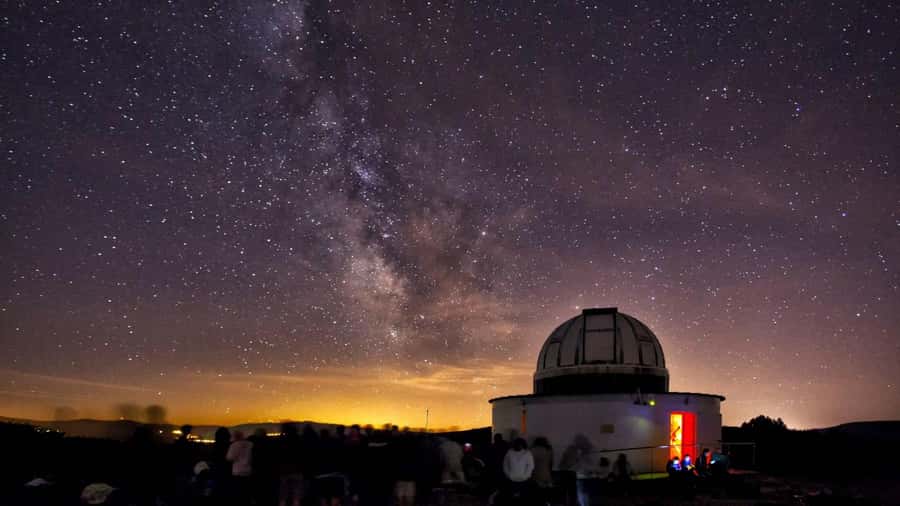
Inca-focused stargazing inside the Cusco Planetarium
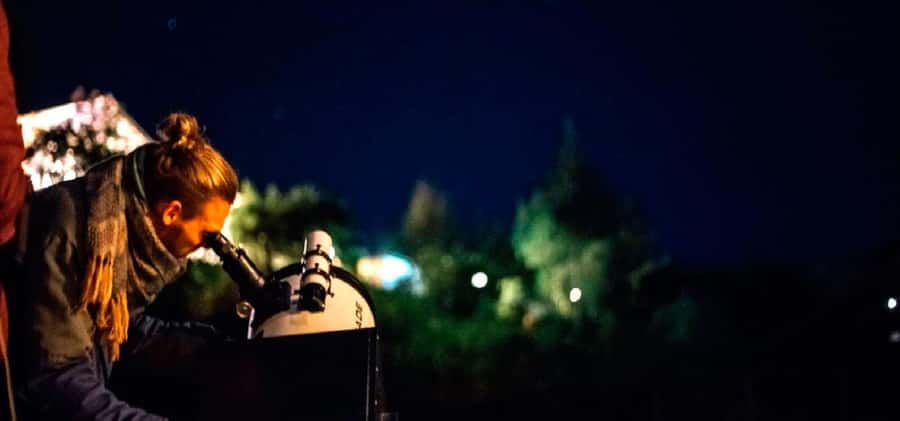
Professional telescopes used for nighttime viewing, weather permitting
A night walk tied into the overall observatory experience
Pickup from Plaza Regocijo with a quick transfer outside Cusco
Small group size limited to 10 participants for a more personal pace
More that leaves from a Cusco hotel door
- Cusco: Humantay Lake Tour with Breakfast and Buffet Lunch★ 4.9 · 2,976 reviews
- From Cusco: Moray, Maras Salt Mines & Chinchero Weavers Tour★ 4.8 · 1,925 reviews
- From Cusco: Full-Day Group Tour of Machu Picchu★ 4.7 · 1,767 reviews
- Machu Picchu Day Trip from Cusco★ 4.5 · 1,644 reviews
Cusco Planetarium at night, what makes it worth your evening
If you want an astronomy experience that feels local, Cusco’s planetarium is a smart choice. It is not only about Western constellations. The program is built around Inca astronomy, including how people in the region interpreted the sky using the constellions they tracked.
I also like the structure. You start with a guide-led talk in interpretation rooms, then you shift to a dome projection where the sky is mapped for you. That sequence matters because the stars are easier to spot when you already know what you are looking for.
The practical upside is that you do not need to plan equipment or know where to stand. The experience is organized around a professional setup and a guided flow, with a final telescope moment when the weather cooperates.
Pickup at Plaza Regocijo and the transfer outside the city
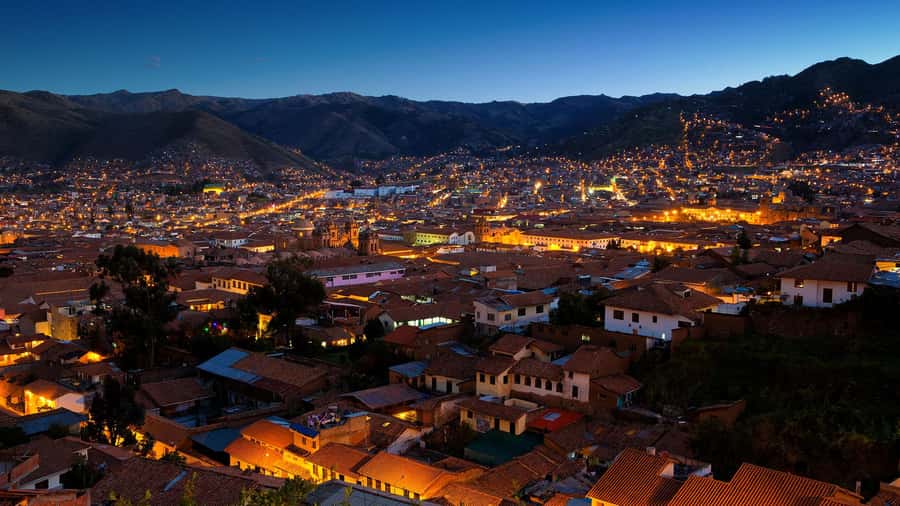
The tour begins with pickup at Plaza Regocijo between 5:30 and 6:00 PM. From there, you board a shuttle for a short ride, less than 20 minutes, to the Cusco Planetarium.
This kind of timing is normal for an evening observatory program, but it changes how you measure the “4 hours.” The official duration includes the full evening experience, meaning transportation is part of the total time. So if you are very time-sensitive, plan for that, not just the on-site portion.
On arrival, you are not thrown into the dark right away. You get a structured introduction first, which helps if you arrive still thinking of Cusco as daytime sightseeing.
The interpretation rooms talk: Inca astronomy you can actually connect to the sky
Once you reach the observatory, you receive a talk on Inca astronomy in the interpretation rooms. This is where the guide helps you connect the dots between constellations and meaning, not just name-and-point stargazing.
This step is valuable because it gives you context. When you later see the dome projection and then look up through a telescope, your brain has a reference point. Instead of wondering which bright object is which, you start with an explanation and then match it to what you see.
It is also a good stage to ask questions. The group stays small, and the guide speaks both English and Spanish, so you are not stuck figuring everything out alone.
Dome projection: learning the Inca constellations on the planetarium ceiling
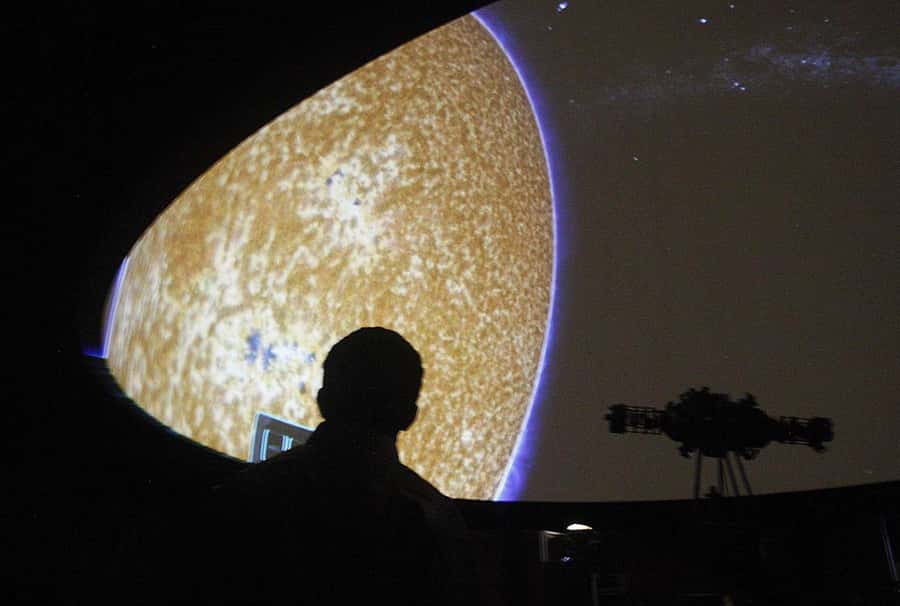
After the talk, you move to the planetarium dome for a virtual sky projection. This is where you learn the Inca constellations shown in the projection, guided step by step.
A dome show is one of the best formats for astronomy beginners. It compresses time and simplifies the sky so you can see patterns that would be hard to catch on your own in real darkness.
And it sets you up for the outdoor part. If your goal is to feel like the night has a story, the dome projection is the middle chapter that makes the telescope viewing more satisfying.
Telescope viewing: the main event, with one big weather reality check
You then use the professional telescopes at the Cusco Planetarium to admire the sky. This part is explicitly subject to weather conditions, so it is the one segment you should treat as conditional.
Here is the best way to plan your expectations: even if the telescope time is limited, you still get the dome projection plus the Inca astronomy talk. If the sky is clear, that telescope finale can feel like the moment the evening clicks into focus.
From what I picked up from past experiences with this kind of setup, the outdoor comfort details can make or break the experience. Expect cooler temperatures, and know you may need help staying comfortable while the group waits for the sky to cooperate.
Outdoor stargazing and the short night walk around the observatory
The itinerary includes a night walk as one of the highlights. That outdoor movement turns the program into more than just a room-to-room show. It gives you a chance to look around, absorb the nighttime setting, and get oriented for the sky time.
One practical detail that really helps in Cusco-area nighttime viewing is comfort gear. In at least one case, the program included blankets for outdoor star gazing with the giant telescopes. That kind of touch is worth your attention because it can keep you from rushing through the experience just to warm up.
If you tend to get cold easily, dress for it. Even when the sky cooperates, you want your body to stay comfortable enough to watch for a while.
Group size, guide language, and the pace of the evening
This is a small-group experience limited to 10 participants, and it runs with a live guide who speaks English and Spanish. For a planetarium and stargazing program, that size is a plus, because it is easier for the guide to manage questions and keep people oriented.
The pace is also important. The schedule is designed to work around darkness and the telescope window. That means you should expect the evening to be guided and timed, not slow and flexible.
Also, double-check your expectations about length. Some people found they were on site for closer to about an hour and a half, depending on how the evening ran and how much time was spent in transit. The total duration is listed as 4 hours, but the experience you are picturing may be shorter if you are mentally measuring only the observatory time.
Price and value: is $39 a fair deal for a planetarium plus telescopes?
At $39 per person, you are paying for more than just an entry ticket. You are paying for the full guided program: pickup, transportation, the Inca astronomy talk, the planetarium dome show, and access to the telescopes (weather permitting).
So the key value question is simple: do you want guided astronomy in a Cusco context, and will you benefit from being shown the sky? If you do, the format makes sense. You are getting structure and interpretation, not just looking at stars and hoping you can identify constellations.
If you are the type who expects a long lecture or lots of deep technical details about how specific Inca practices worked, you might find the evening too short for that level of depth. I saw this tension clearly in past experiences, where some people felt the information stayed more general and the time on site felt brief compared with the 4-hour headline duration.
A good middle path is to treat it as an evening introduction that combines story, projection, and a chance to view through large telescopes. For many people, that is exactly the sweet spot.
What to bring (and what to wear) for comfort and photos
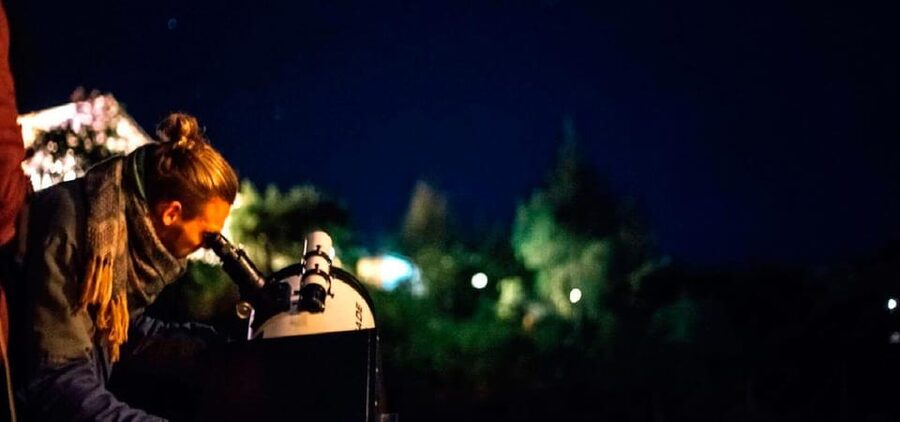
The tour includes outdoor time at night for star gazing and a night walk. Even without a detailed packing list, you can plan for a Cusco evening temperature drop.
Wear layers you can adjust. Bring a warm outer layer, and consider gloves if you get cold easily. Comfort matters because you will likely be standing or waiting long enough for your eyes to adjust and for the group to view through telescopes.
If the program provides blankets, you will still want proper outerwear. Blankets help, but they are not a substitute for being dressed for cold night air.
For photos, remember that star photography is hard without specialized gear. The main win here is seeing the sky through guided optics and learning what you are looking at, not expecting point-and-shoot miracles.
Who should book this Cusco Planetarium excursion
This excursion is best for you if you want:
A guided night program that connects Inca astronomy with what you see in the sky
A small-group experience with an English and Spanish guide
- A one-stop evening activity that includes both a dome show and telescope viewing
It is a weaker fit if you want a long, deep classroom lecture where you can follow a long chain of detailed technical explanations for hours. The experience is timed and weather-dependent, so it is more “evening program” than “study session.”
If you are traveling with someone who loves science but does not want to think about weather conditions or finding viewpoints, this format is a practical compromise. You show up, you learn, you look up.
Final decision: should you book?
Book it if you want a guided Cusco night with Inca astronomy context, a planetarium dome show, and a realistic shot at telescope viewing. The small group size, the guided interpretation, and the combination of indoors and outdoors are what make the excursion feel complete for many people.
Skip it or rethink it if your top priority is a lengthy, highly detailed explanation that runs at the full “4 hours” on site every time. Since telescope viewing depends on weather and the evening includes transportation, the actual time feeling like “watch the stars” can vary.
If you decide to go, go with the right mindset: this is an organized introduction to the sky over Cusco, designed to be understandable, guided, and memorable when the night cooperates.
FAQ
What time does the tour pickup start?
Pickup is at Plaza Regocijo between 5:30 and 6:00 PM.
How long is the excursion?
The duration is listed as 4 hours. Starting times vary, so check availability for the specific slot you choose.
How far is the Planetarium of Cusco from the city?
The planetarium is located less than 20 minutes from Cusco.
What happens when we arrive at the observatory?
You receive a talk on Inca astronomy in interpretation rooms, then there is a virtual sky projection in the planetarium dome.
Do we get to use telescopes?
Yes. The tour includes telescope viewing with the professional telescopes at the observatory, and this part is subject to weather conditions.
Is the group large?
No. It is a small group limited to 10 participants.
What languages are available for the guide?
The live guide speaks English and Spanish.
What is included in the price?
Included are hotel pickup, tourist transportation, entrance to the Planetarium of Cusco, and the guided activity.
What is not included?
Meals, travel insurance, and extra expenses are not included.
Is alcohol allowed during the tour?
No. Alcohol and drugs are not allowed.
What is the meeting and return point?
You pick up at Plaza Regocijo and return to Cusco’s Plaza de Armas, arriving at approximately 8:00 PM.
Is cancellation free?
Free cancellation is offered up to 24 hours in advance for a full refund.
More Tours in Cusco
- Cusco: Humantay Lake Tour with Breakfast and Buffet Lunch
★ 4.9 · 2,976 reviews - From Cusco: Moray, Maras Salt Mines & Chinchero Weavers Tour
★ 4.8 · 1,925 reviews - From Cusco: Full-Day Group Tour of Machu Picchu
★ 4.7 · 1,767 reviews - Cusco: Half-Day City Tour with Sacsayhuaman and Q’enco
★ 4.6 · 1,129 reviews - Machu Picchu: Full-Day Tour from Cusco with Optional Lunch
★ 4.6 · 927 reviews
More Tour Reviews in Cusco
- Cusco: Humantay Lake Tour with Breakfast and Buffet Lunch
★ 4.9 · 2,976 reviews - From Cusco: Moray, Maras Salt Mines & Chinchero Weavers Tour
★ 4.8 · 1,925 reviews - From Cusco: Full-Day Group Tour of Machu Picchu
★ 4.7 · 1,767 reviews - Machu Picchu Day Trip from Cusco
★ 4.5 · 1,644 reviews - Cusco: Half-Day City Tour with Sacsayhuaman and Q’enco
★ 4.6 · 1,129 reviews
More Leaving From Cusco
- Cusco: Humantay Lake Tour with Breakfast and Buffet Lunch
★ 4.9 · 2,976 reviews - From Cusco: Moray, Maras Salt Mines & Chinchero Weavers Tour
★ 4.8 · 1,925 reviews - From Cusco: Full-Day Group Tour of Machu Picchu
★ 4.7 · 1,767 reviews - Machu Picchu Day Trip from Cusco
★ 4.5 · 1,644 reviews - Cusco: Half-Day City Tour with Sacsayhuaman and Q’enco
★ 4.6 · 1,129 reviews
Fresh in from Cusco

Cusco Tours, compared.
 ★ 4.9Humantay Lake Tour with Breakfast and Buffet LunchFrom $222,976 reviews
 ★ 4.8Sacred Valley & Maras Salt Mines Tour with LunchFrom $282,227 reviews
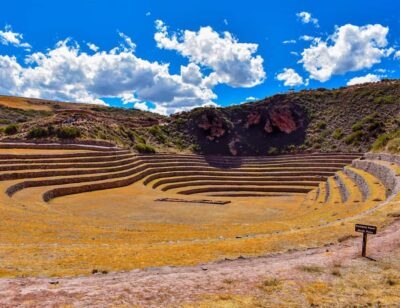 ★ 4.8Moray, Maras Salt Mines & Chinchero Weavers TourFrom $151,925 reviews
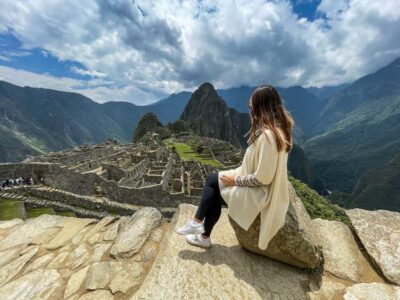 ★ 4.7Full-Day Group Tour of Machu PicchuFrom $3211,767 reviews
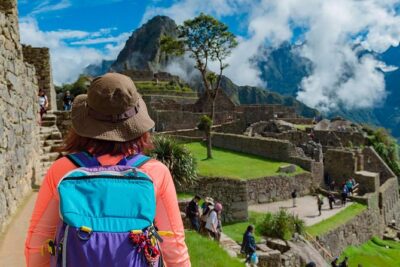 ★ 4.5Machu Picchu Day Trip from CuscoFrom $3361,644 reviews
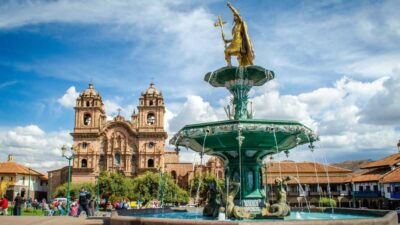 ★ 4.6Half-Day City Tour with Sacsayhuaman and Q’encoFrom $131,129 reviews
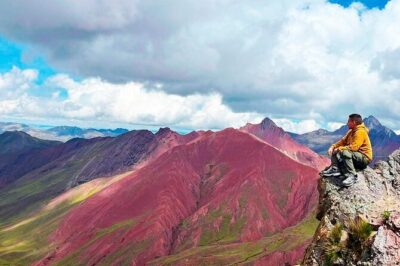 ★ 4.6Vinicunca Rainbow Mountain ATV Tour with MealsFrom $761,060 reviews
 ★ 4.6Sacred Valley, Pisac, Ollantaytambo, Salt Mines MorayFrom $281,058 reviews