
REVIEW · MARAS, MORAY & CHINCHERO TOURS
Cusco: Moray, Maras Salt Mines, and Chinchero Weavers Tour
Four stops, big Sacred Valley payoffs.
This tour is interesting because it stitches together Sacred Valley views with three very different cultural landscapes: Moray’s Inca terraces, Chinchero weaving with plant-based dyes, and the pre-Inca salt work at Salineras. I especially like how the itinerary keeps moving, so you see a lot in just 6 hours without feeling rushed. One thing to consider is that the key site entrances are not included, so you’ll want cash ready for Moray and the salt mines.
I also like the small group setup, limited to 12 people, which makes it easier to hear the guide and ask questions. In my experience with tours like this, the biggest comfort factor is a solid guide, and here you can meet bilingual guides such as Víctor, known for strong explanations and for keeping a friendly, caring tone. Just note the day has several bus segments, and the elevation plus sun means you’ll want to be ready for a long, bright day outdoors.
Key Points You Should Know Before You Go
- Chinchero weaving with natural plant dyes: see how colors come from plants, not synthetic shortcuts
- Moray terraces at 11,318 feet: the irrigation layout makes the place feel smart, not just pretty
- Maras Village thin-stone colonial architecture: a quieter stop that slows the pace and gives texture to the day
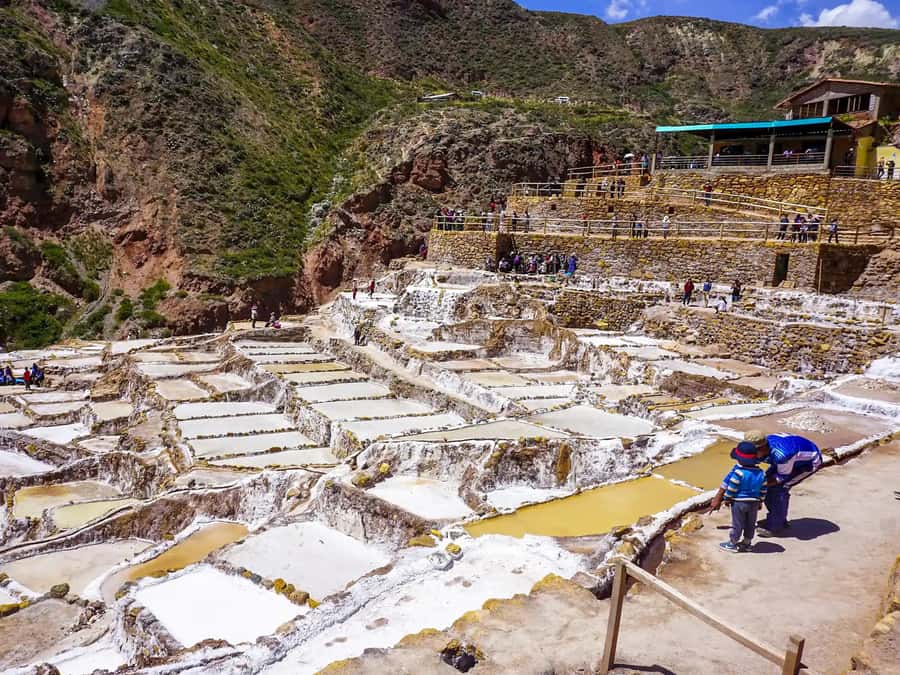
- Salineras salt mines with 3,000 pools: pre-Inca roots, still producing salt today
- Small group of up to 12: easier conversations, fewer bottlenecks at viewpoints
- Entrances cost extra: plan for site fees plus sun protection and comfortable walking shoes
More salt pans, terraces and weaving villages
- Cusco: Sacred Valley, Pisac, Ollantaytambo, Salt Mines Moray★ 4.6 · 1,058 reviews
- Cusco:Chinchero,Moray & Salt Mines drop-off in Ollantaytambo★ 4.8 · 793 reviews
- Sacred Valley: Chinchero, Moray, Ollantaytambo & Pisac+Lunch★ 4.8 · 501 reviews
- Sacred Valley: Maras & Moray by Quad Bike from Cusco★ 4.6 · 418 reviews
Cusco Pickup to Chinchero, Then Straight Into Weaving Culture
The day starts with pickup from your hotel in Cusco. It’s a practical arrangement, because Cusco streets can be confusing and curvy, and once you’re in the vehicle you can just focus on the drive. After about 50 minutes by bus, you reach the Chinchero area, which sits high enough that you’ll feel the sun and altitude quickly.
Chinchero is a good first stop because it sets the theme for the rest of the day. Before you see Inca engineering or salt production, you get a human-scale craft story: textiles. You’ll have a half-hour break with time for photos and a quick walk, plus a chance to look around and do some shopping if that’s your style.
The weaving component matters more than it sounds. In places like the Sacred Valley, textiles are a form of language. Motifs, colors, and techniques often connect to community identity. Even if you don’t buy anything, you can still appreciate the effort it takes to produce the final cloth.
Chinchero Weavers Workshop: Natural Dyes, Good Purchases, and a Few Smart Questions
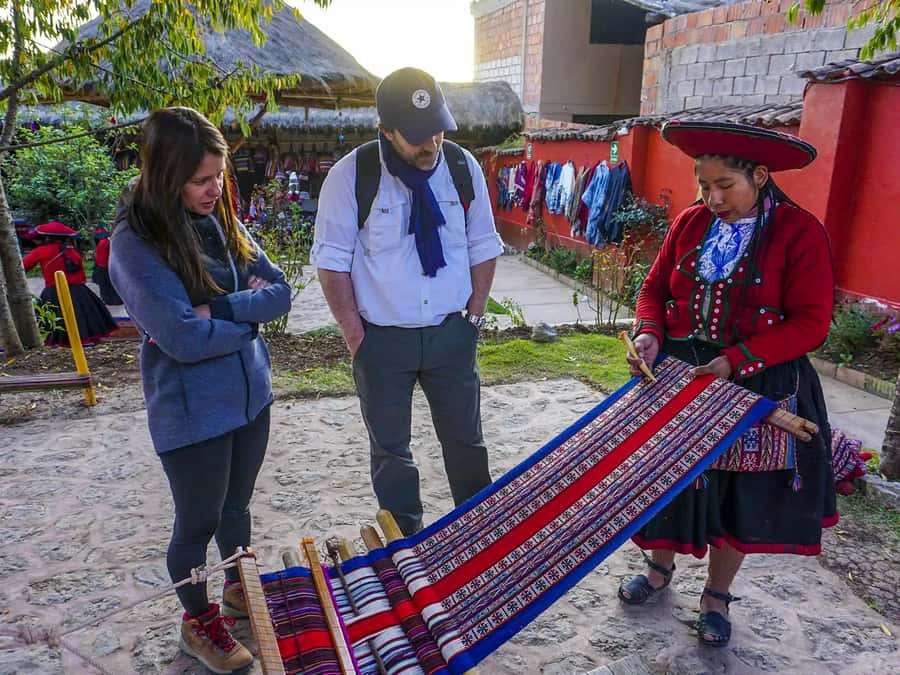
The highlight in Chinchero is the weaving workshop visit. You’ll see artisans working within the Quechua tradition, and you’ll learn about how they use natural plants to extract colors for their Andean art. That detail changes how you look at the textiles. Instead of thinking it’s all decoration, you start thinking about chemistry, patience, and local knowledge.
Here’s how I’d approach it as a buyer. If you want something authentic, look for clarity over fancy claims. Ask what the color comes from, whether the process is plant-based, and what you’re paying for: materials, time, and finish. If a vendor is quick to move you along, slow down and focus on quality signs you can actually see.
The workshop is also a good place to take your time with photos, because Chinchero tends to deliver scenic backdrops and close-up craft moments in the same frame. If your camera batteries struggle in cold or high air, keep them warm in a pocket.
One consideration for textile-focused shoppers: workshop stops can be the most variable part of any half-day itinerary. If textiles are your main reason for booking, it helps to ask your guide what workshop you’ll visit and what kinds of items are typically featured. That way you’re not disappointed by expectations that didn’t match reality.
Moray Archaeological Complex: Terraces That Make Sense at 11,318 Feet
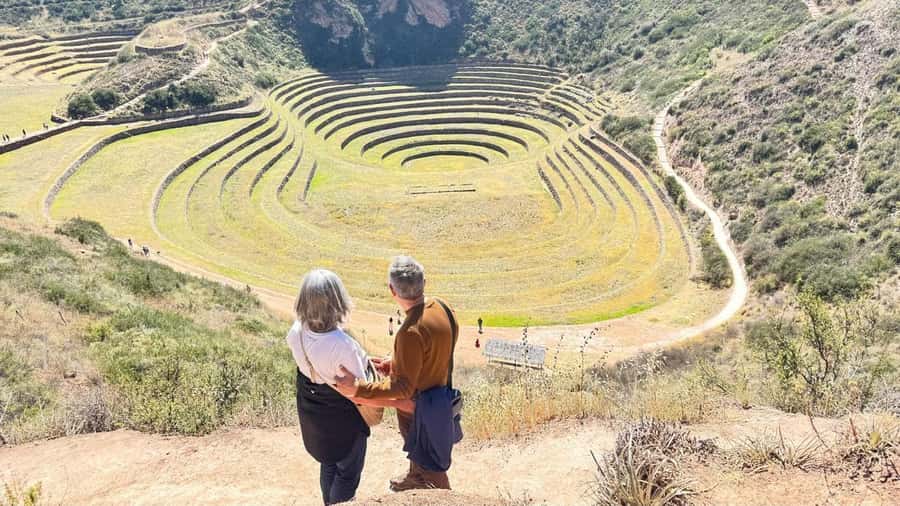
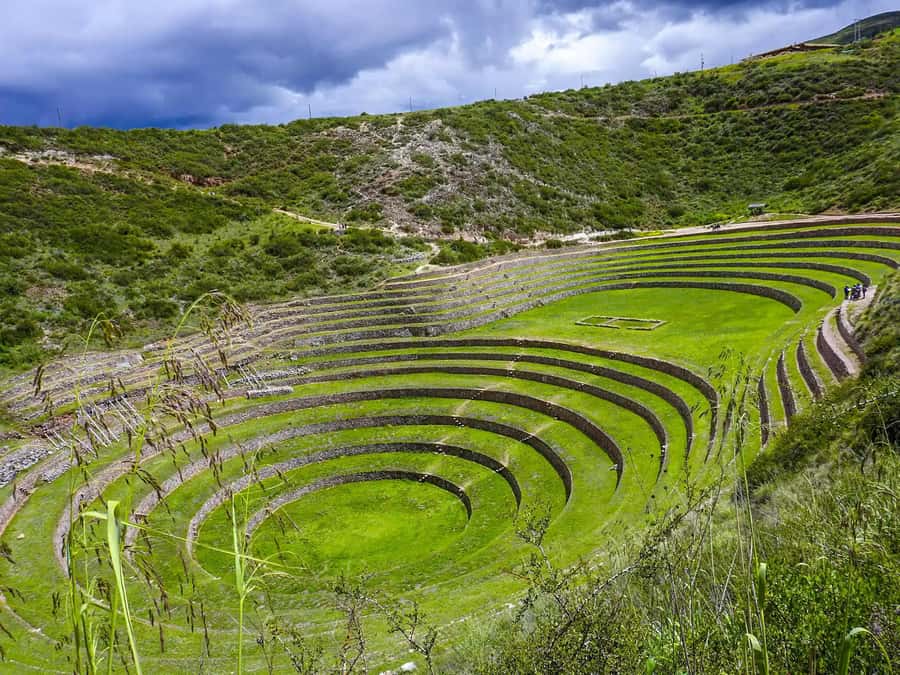
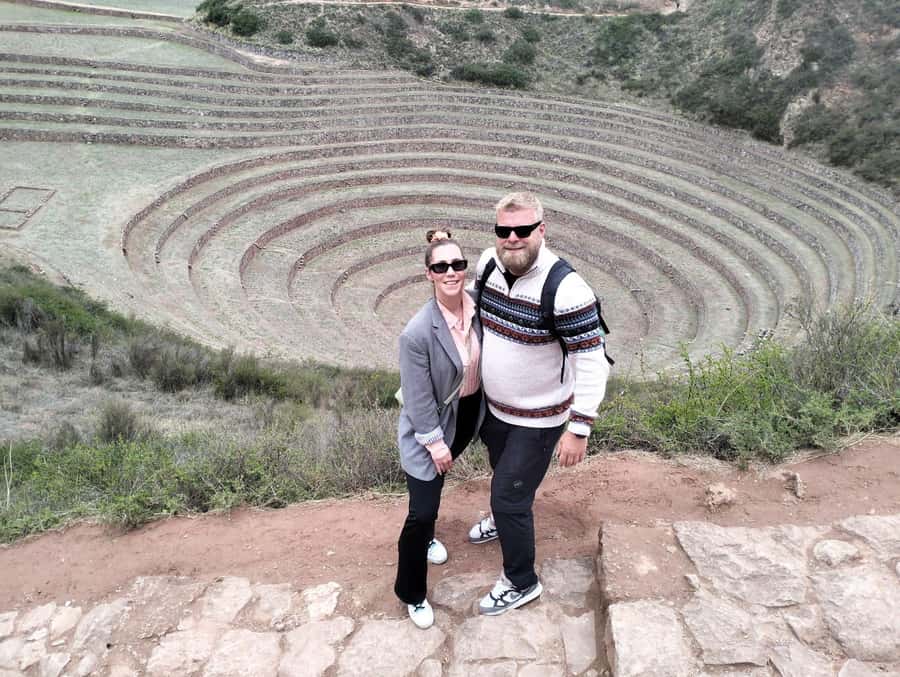
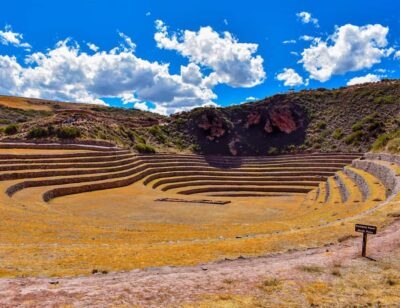
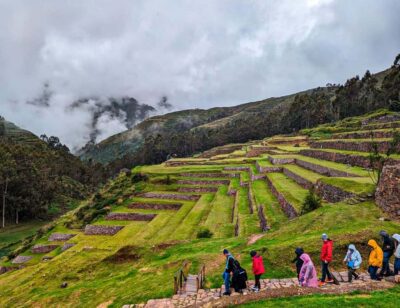
Moray is where the Sacred Valley gets technical in a fascinating way. After Chinchero, you head on for roughly 35 minutes to the Complejo arqueológico Moray. You’ll reach a very high elevation, around 11,318 feet, and that’s part of the experience. The views open up, but the air also feels thin. Move slowly when you walk, and take water seriously.
Moray itself is a mesmerizer in the most practical way. It’s not just a bowl of terraces. The key story is the Inca agricultural terraces and the irrigation system that supports them. The layout shows how people thought about microclimates and water management long before modern agriculture became a science class.
Your time here typically includes a photo stop and a guided tour, plus walking and sightseeing with breaks for questions. You’ll probably have the chance to stop at viewpoints on the way and watch the terrain change as you move. When it clicks, Moray turns from “cool ruins” into “smart design.”
For the photos, aim for consistency:
- shoot wide first, to capture the full terrace geometry
- then shoot details, like irrigation channels and stone edges
Those two angles help you remember the place later, because Moray can look similar in images if you only take one kind of shot.
Maras Village: Thin-Stone Colonial Buildings in a Working Valley
Next comes a shift in tone. You’ll travel about 40 minutes from Moray to the Maras area, where you visit Maras Village. This stop is different from the big archaeological sites. It’s not about massive engineering. It’s about preserved colonial architecture and the feel of the town itself.
The thin-stoned buildings can look surprisingly fragile, but in practice they’re part of why the area feels local rather than staged. You’re seeing how architecture and everyday life coexist in a place shaped by farming and altitude.
This is also a good moment to slow down and reset. If you’ve been focused on terraces and salt pools, Maras Village gives you texture: walls, streets, and human-scale spaces where you can just stand and look.
In terms of value, I like this stop because it breaks the “power points only” rhythm of a half-day tour. Moray is big picture, Salineras is industrial and visual, but Maras is intimate and calm.
More that leaves from a Cusco hotel door
Salineras Salt Mines: 3,000 Pools, Pre-Inca Origins, Still Working Today
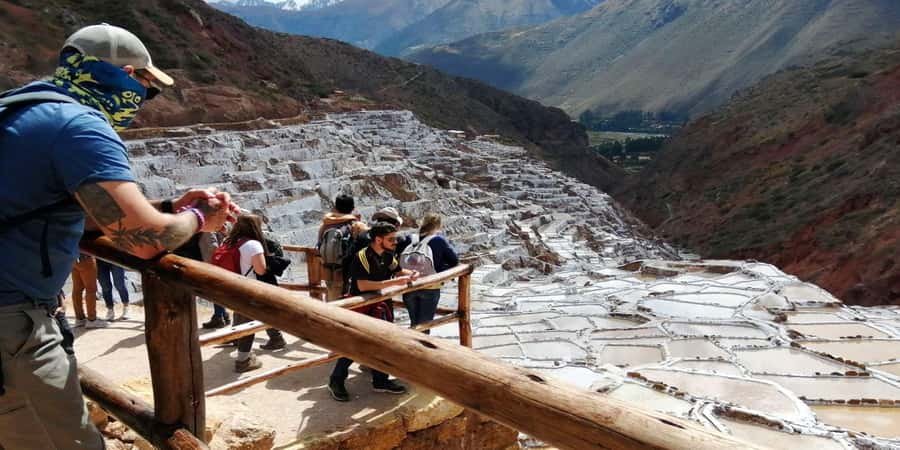
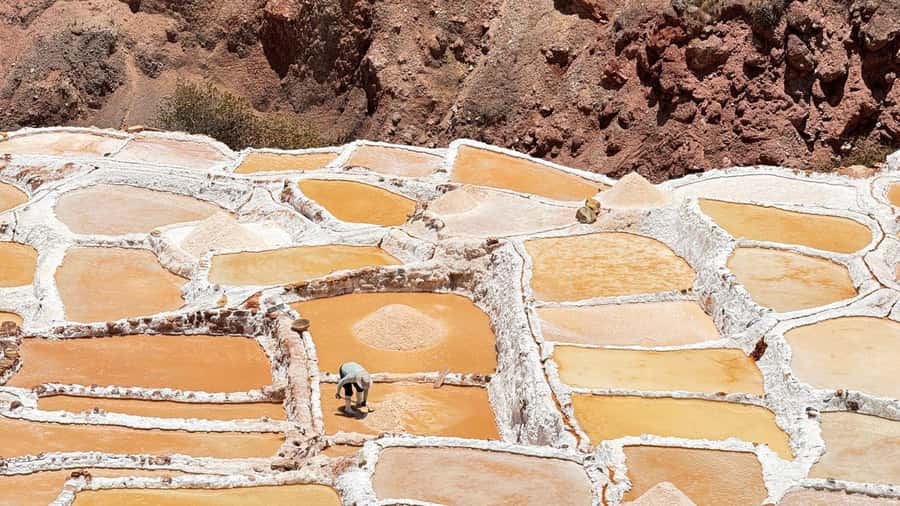
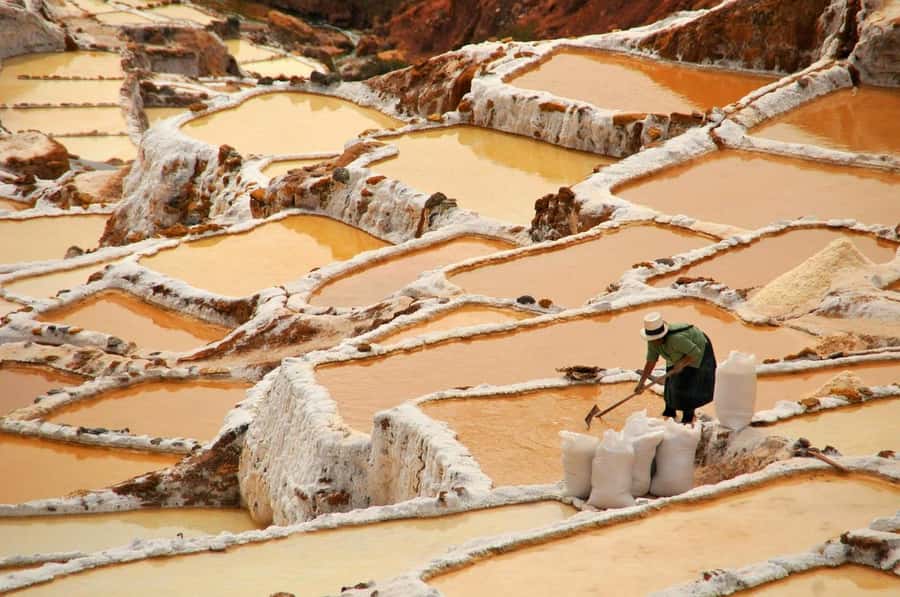
Salineras is the part most people remember. It’s a historic salt production site with roots that go back to pre-Inca times, and it still produces salt today. The signature detail is the sheer number of pools, around 3,000 small pools, spread across the area in a pattern that feels almost like a grid made by hand.
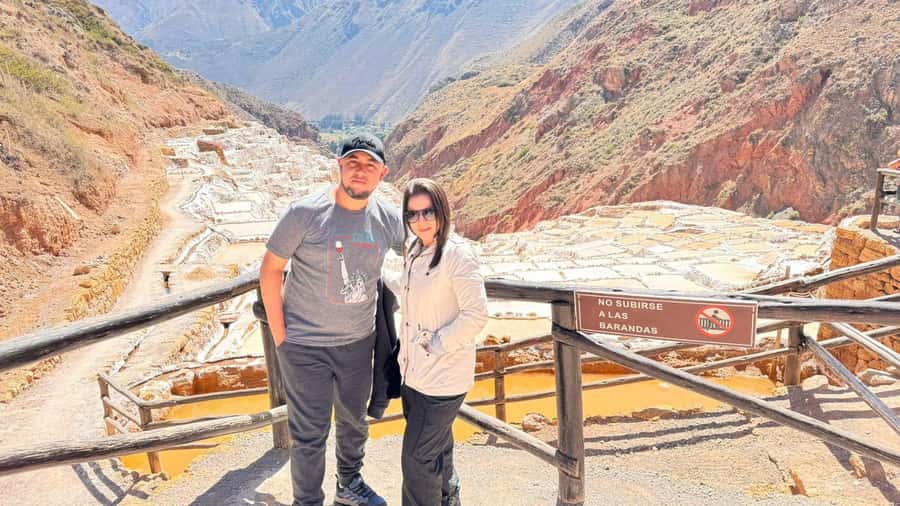
You’ll get a photo stop and guided tour here, with time to walk around and take in the view from different angles. The walking is manageable, but you should expect uneven ground and sun. If you’re the type who likes to photograph repeatedly, plan to move steadily so you don’t end up rushing in the last 10 minutes.
Why this stop is worth it: salt shaped economies for centuries. Knowing that the site is still active gives you a real-world connection. You’re not just looking at history. You’re seeing a living process.
One practical tip: protect your eyes and skin. Even on a “mild” day, the salt flats areas can feel bright and reflective. Sunscreen and a hat are not optional here. If you wear sunglasses, bring them.
The Drive, the Pace, and How to Enjoy 6 Hours Without Feeling Wrecked
This is a half-day experience at 6 hours, and it’s structured to keep momentum. You’ll pass through a 50-minute drive to Chinchero, then a series of shorter rides between Moray and Maras, and finally a longer return drive of about 80 minutes back toward central Cusco, finishing at Plaza Regocijo.
The pace works because each stop is visually and culturally distinct. You’re not repeating the same type of attraction three times. It goes weaving, terraces, village architecture, then salt mines.
The drawback is obvious: outdoors all day equals fatigue. So plan for comfort:
- wear comfortable shoes you can walk in at elevation
- keep sunscreen and a hat in reach
- drink water and take it slow when you arrive at higher elevations
If you’re prone to altitude headaches, this route is still doable for many people, but go easy on your first hour. Cusco altitude doesn’t automatically mean trouble, but Moray is high enough to make you notice your breathing.
Also consider your comfort with a talkative guide. One thing I value is learning, but some people prefer fewer spoken facts at each stop. With this tour, the guide typically explains a lot and may switch between English and Spanish, so if you’re sensitive to that, wear headphones for music during bus rides or ask for slower explanations when needed.
Price and Value: What $14 Really Buys You Here
The headline price is $14 per person, and for Cusco and the Sacred Valley, that can be good value for a 6-hour, multi-stop day. But here’s the honest math you should plan for.
Entrance fees are not included:
- Archeological sites entrance: $19 or 70 soles
- Salt mines entrance: $6 or 20 soles
So your all-in base total can be around $39 per person once those site costs are added. Whether that feels like a deal depends on what you care about most. If you want Moray and Salineras in one organized day, you’re paying for logistics and interpretation, not just access.
To me, the value looks strongest if:
- you want a guide to explain Moray’s irrigation and terrace logic
- you care about seeing the craft side in Chinchero, especially natural dyes
- you want the salt mines without trying to stitch together transport on your own
To be clear, if you mainly want photos and don’t care about the explanations, you might find other options cheaper. But if you want understanding, this structure makes sense.
What the Best Guides Do in This Tour: Explanations That Stick
The guide experience is a big part of why the tour rates well. One named example you might meet is Víctor, praised for extensive knowledge and empathy. That kind of guide behavior matters on this route because the stops are technical and cultural at the same time.
When the guide does well, you start noticing details you would otherwise skip. At Moray, it’s not only the terrace shape but how irrigation and water movement relate to the layout. At Salineras, it’s not only the pools but the idea that salt production continues and why that matters.
A small group also helps. Limited to 12 participants, you’re less likely to be trapped behind people at viewpoints, and you can ask for clarification without feeling like you’re interrupting a stadium lecture.
Who Should Book This Cusco Sacred Valley Day
This tour is a strong fit if you want a single, efficient day that covers:
- Inca agricultural engineering (Moray)
- craft tradition and natural dyes (Chinchero)
- village architecture and colonial texture (Maras)
- salt production and pre-Inca continuity (Salineras)
It’s especially good for first-time Sacred Valley visitors who want variety without committing to a full day elsewhere.
It might be less ideal if:
- you hate walking in bright sun
- you want a quiet, self-paced day (this tour is guided and active)
- your priority is only one site, because the value comes from the mix
My Booking Recommendation: Yes, If You Plan for Fees and Comfort
Should you book? I’d say yes, with two conditions you can control.
First, plan your budget for entrance fees. The tour price is attractive, but the site costs add up fast if you’re not ready. Bring cash and expect to pay on arrival.
Second, prepare for the physical reality. This is an outdoor day at high elevations, and Moray is at 11,318 feet. Wear shoes that grip, bring a hat, and keep sunscreen ready.
If those two things line up, you’ll likely enjoy this tour because it gives you a chain of connected experiences. You start with color and craft, move into engineering and water, then end with salt production that still runs today. That full arc is the reason the day works.
FAQ
How long is the Cusco Moray, Maras, and Chinchero tour?
The tour duration is 6 hours.
Where does the tour start and where does it end?
Pickup is from your hotel in Cusco, and the tour finishes at Plaza Regocijo. Hotel drop-off is not included.
Is pickup included?
Yes. Pickup from your hotel is included.
How big is the group?
The group is small, limited to 12 participants.
What languages is the tour guide?
The tour guide is bilingual, with English and Spanish.
Are entrance fees included?
No. Entrance to the Archeological sites is listed as $19 or 70 soles, and Salt Mines entrance is listed as $6 or 20 soles.
Is transportation included?
Yes. Transportation is included in the tour price.
Does the tour include a weaving workshop in Chinchero?
Yes. You visit a weaving workshop and learn how artisans use natural plants to extract colors for their art.
What should I bring with me?
Bring your passport, comfortable shoes, a sun hat, a camera, sunscreen, and cash.
Can I get a refund if I cancel?
You can cancel up to 24 hours in advance for a full refund.
More Tour Reviews in Cusco
- Cusco: Humantay Lake Tour with Breakfast and Buffet Lunch
★ 4.9 · 2,976 reviews - From Cusco: Moray, Maras Salt Mines & Chinchero Weavers Tour
★ 4.8 · 1,925 reviews - From Cusco: Full-Day Group Tour of Machu Picchu
★ 4.7 · 1,767 reviews - Machu Picchu Day Trip from Cusco
★ 4.5 · 1,644 reviews - Cusco: Half-Day City Tour with Sacsayhuaman and Q’enco
★ 4.6 · 1,129 reviews
More Leaving From Cusco
- Cusco: Humantay Lake Tour with Breakfast and Buffet Lunch
★ 4.9 · 2,976 reviews - From Cusco: Moray, Maras Salt Mines & Chinchero Weavers Tour
★ 4.8 · 1,925 reviews - From Cusco: Full-Day Group Tour of Machu Picchu
★ 4.7 · 1,767 reviews - Machu Picchu Day Trip from Cusco
★ 4.5 · 1,644 reviews - Cusco: Half-Day City Tour with Sacsayhuaman and Q’enco
★ 4.6 · 1,129 reviews
Maras, Moray and Chinchero Again
- From Cusco: Moray, Maras Salt Mines & Chinchero Weavers Tour
★ 4.8 · 1,925 reviews - Cusco: Sacred Valley, Pisac, Ollantaytambo, Salt Mines Moray
★ 4.6 · 1,058 reviews - Cusco:Chinchero,Moray & Salt Mines drop-off in Ollantaytambo
★ 4.8 · 793 reviews - Sacred Valley: Chinchero, Moray, Ollantaytambo & Pisac+Lunch
★ 4.8 · 501 reviews - Sacred Valley: Maras & Moray by Quad Bike from Cusco
★ 4.6 · 418 reviews
Fresh in from Cusco


Maras, Moray & Chinchero Tours, compared.
 ★ 4.8Sacred Valley & Maras Salt Mines Tour with LunchFrom $282,227 reviews
 ★ 4.8Moray, Maras Salt Mines & Chinchero Weavers TourFrom $151,925 reviews
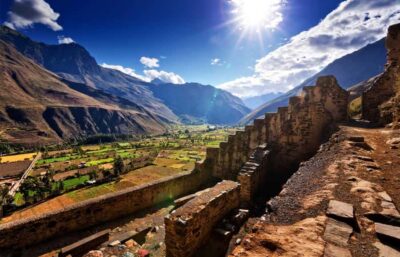 ★ 4.6Sacred Valley, Pisac, Ollantaytambo, Salt Mines MorayFrom $281,058 reviews
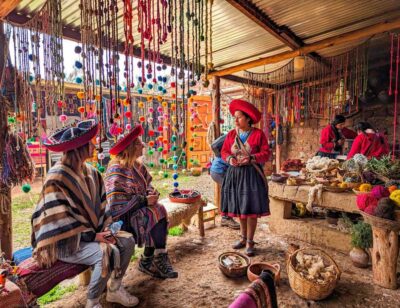 ★ 4.8Chinchero,Moray & Salt Mines drop-off in OllantaytamboFrom $27793 reviews
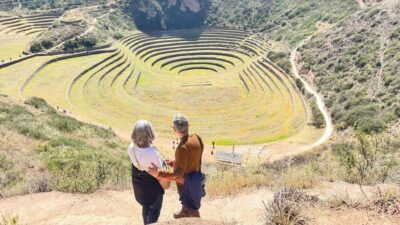 ★ 4.8Sacred Valley: Chinchero, Moray, Ollantaytambo & Pisac+LunchFrom $25501 reviews
 ★ 4.6Sacred Valley: Maras & Moray by Quad Bike from CuscoFrom $39418 reviews
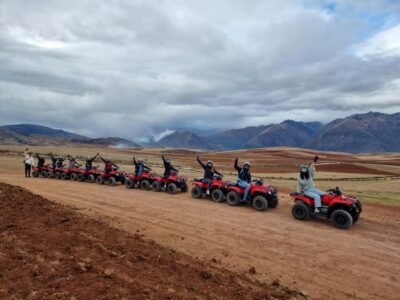 ★ 4.7Quad bike tour Moray and Salt MinesFrom $27314 reviews
 ★ 4.8Sacred Valley Pisaq,Ollantaytambo,Chinchero with LunchFrom $28183 reviews
Browse the lists this tour appears in