
REVIEW · MARAS, MORAY & CHINCHERO TOURS
Cusco: Maras and Moray Tour ending in Ollantaytambo
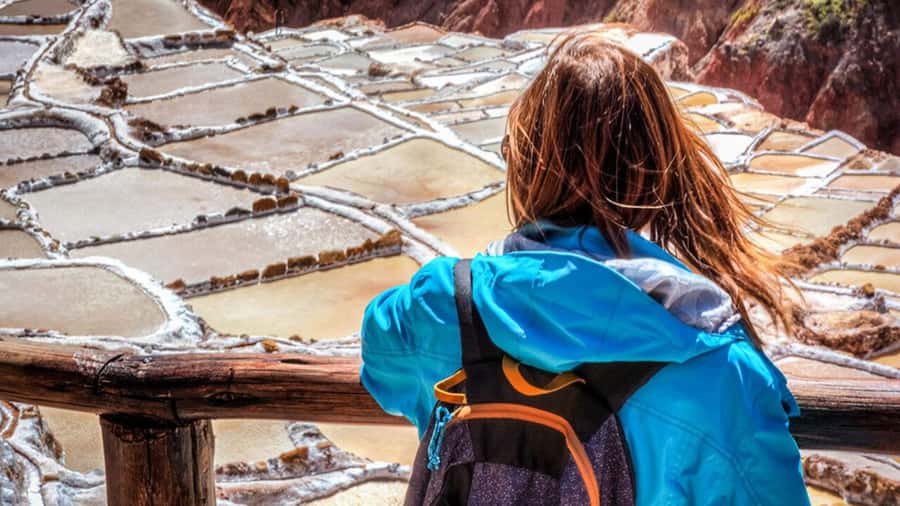
Cusco’s Sacred Valley hits hard in six hours. I love how the route strings together Moray and Ollantaytambo in one morning, so you see two very different sides of Inca engineering without wasting time. You also get the Maras salt pools, with their famous pattern of thousands of evaporation basins that feel instantly visual, even before you learn the details.
I also like the small group setup, limited to 15, plus the included buffet lunch in Urubamba. The trade-off is that this is a tight schedule, and the salt mine requires extra payment on site, so you’ll want to plan for that if you come hungry for photos and time to linger.
Key things to know before you go
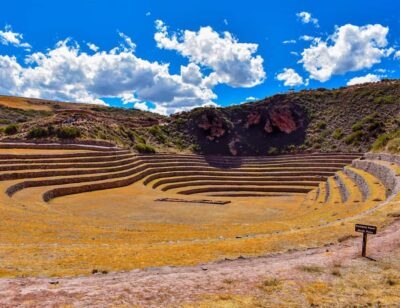
- Moray’s circular terraces in natural sinkholes, built for agriculture, but still debated for deeper meaning
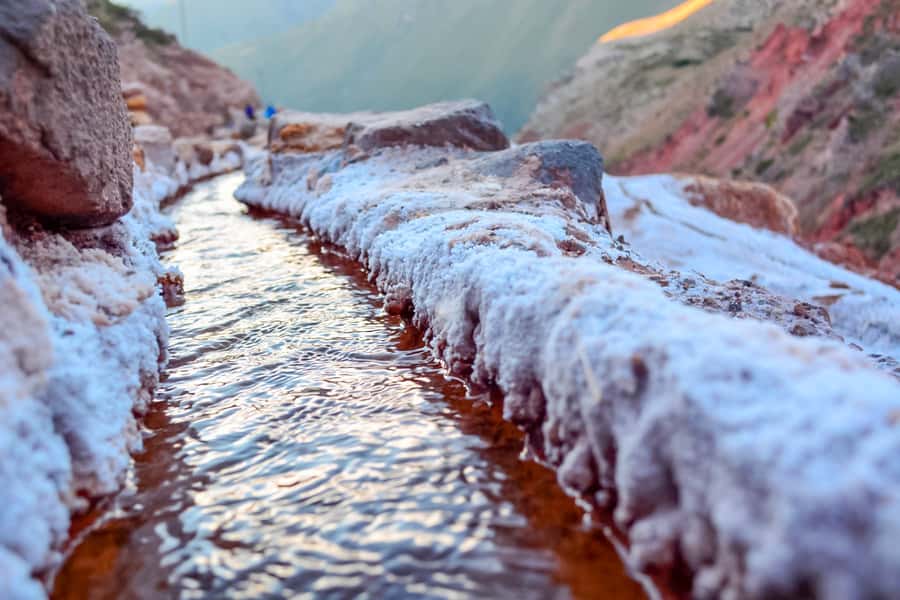
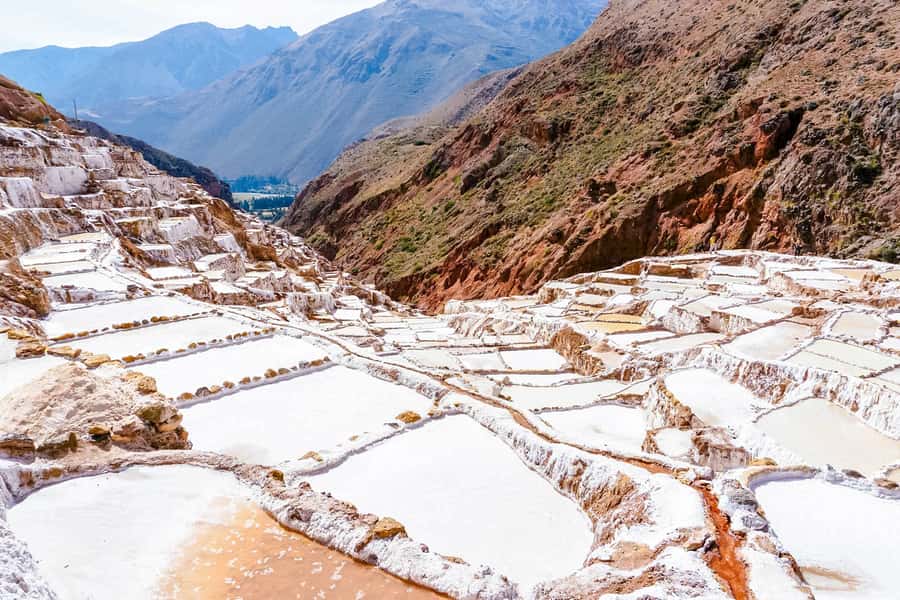
- Maras Salt Village with 3,000+ salt evaporation pools up-slope from town, used since Inca times
- Urubamba lunch included, a real break in the middle instead of a drive-thru stop
- Dropoff in Ollantaytambo Plaza de Armas, timed for trains after 3pm
- Limited to 15 people, so you’re not trapped in a huge bus crowd
More of the valley floor, from Pisac to Ollantaytambo
- Cusco: Sacred Valley, Pisac, Ollantaytambo, Salt Mines Moray★ 4.6 · 1,058 reviews
- Cusco:Chinchero,Moray & Salt Mines drop-off in Ollantaytambo★ 4.8 · 793 reviews
- Sacred Valley: Chinchero, Moray, Ollantaytambo & Pisac+Lunch★ 4.8 · 501 reviews
- Sacred Valley: Maras & Moray by Quad Bike from Cusco★ 4.6 · 418 reviews
The 6-hour Sacred Valley route that ends at Ollantaytambo Plaza
This is a Cusco Region half-day tour in the Sacred Valley, designed as a clean loop: you’re picked up in Cusco early, guided through Moray and Maras, then you finish in Ollantaytambo. The total duration is about 6 hours, and the end time is around 3pm, with a specific drop-off point at the main square (Plaza de Armas).
That matters because Ollantaytambo is where many people catch trains deeper into the Sacred Valley. If your train is after 3pm, you can usually enjoy the ruins without playing time-check games. If your train is earlier, you’re pushing it, since the tour is built to complete visits normally by mid-afternoon.
Morning pickup in Cusco at 6:30am, then straight to Moray
Pickup is around 6:30am from your accommodation in Cusco. The early start is not just for show. Moray and the salt flats are outside central Cusco, and you’ll spend the morning driving through valley roads where timing affects how relaxed your stops feel.
The tour uses transport, and you’ll travel with a bilingual guide in English and Spanish. If you’re the type who likes clear direction, pay attention early. Some past experiences point to occasional confusion around pickup timing or meeting the group. To reduce stress, make sure you’re ready at the exact pickup point your provider gives you, and confirm details when you book.
Wear comfortable shoes. You’ll be walking at multiple stops, and surfaces can be uneven. Sunscreen is a must, because even on a scheduled half-day, you can still get sun.
Moray’s circular terraces in sinkholes: a living lab in limestone
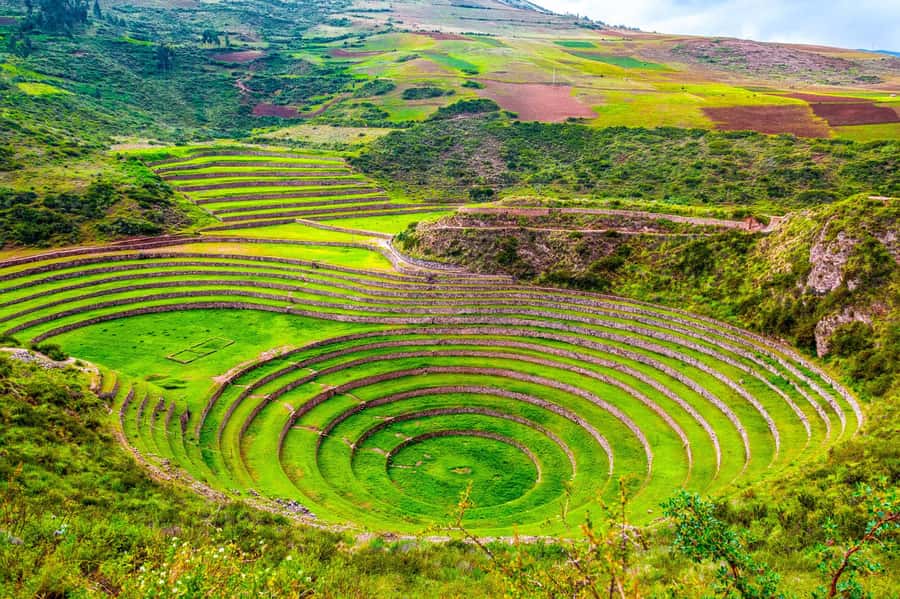
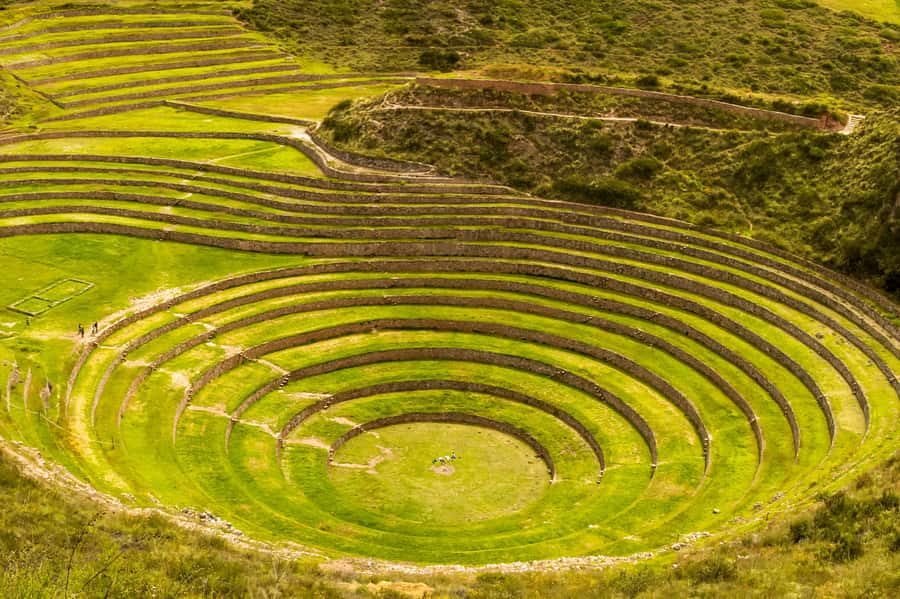
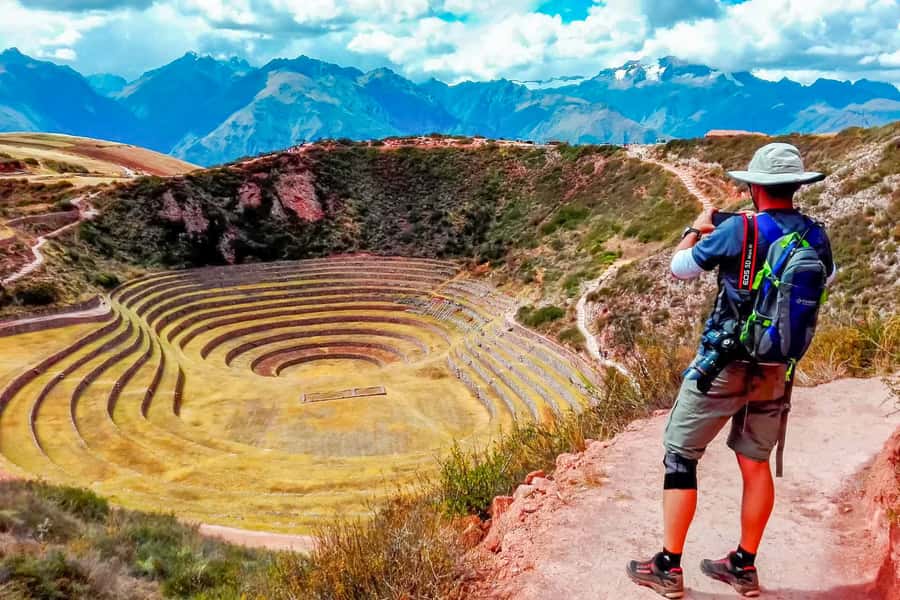
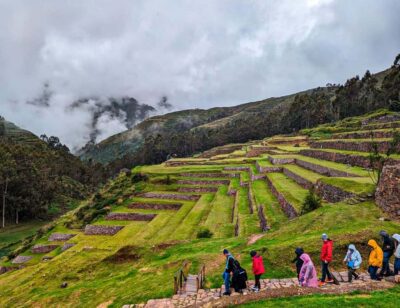
Moray is the first stop, about 50 km northwest of Cusco. What you’re looking at are circular agricultural terraces cut into natural sinkholes on a limestone plateau. These terraces are a standout because the Inca didn’t just build fields. They sculpted the environment itself, creating different growing conditions in one place.
The details you’ll hear can vary from guide to guide, but the core story stays the same: the terraces are strongly tied to agriculture, while the idea of extra cosmological meaning is still uncertain. In other words, you may get a mix of explanations, but you should expect honest ambiguity in the interpretation.
Here’s why this stop is valuable for you:
- You’ll see a different kind of Inca site than the big stone cities. Moray feels more experimental, more practical.
- The setting gives you scale. From viewpoints, the Urubamba valley appears below, and the terraces make sense as a designed system.
- Even if you know little about Inca farming, the shape does the teaching. Circles are easy to “read” with your eyes, especially when a guide points out how the sinkholes shape microclimates.
Time-wise, the stop can feel quick if you want long photo breaks. Keep your photos efficient: take wide shots first, then step closer for details. That way you don’t lose time hunting angles.
Maras Salt Village and the 3,000+ evaporation pools you can actually count
After Moray, you’ll head to Maras, a colonial-era village in the Sacred Valley. The big draw is the nearby salt evaporation ponds, known for being in use since Inca times. The pools sit up-slope, less than 1 km west of the town, which is great because it means you’re not dealing with a long trek to reach the action.
This is the moment where the scenery goes from “interesting” to “wow.” The salt pans create a grid of small pools, and the colors can look like a patterned patchwork depending on the light. Even if you don’t know how salt production works, you can sense the logic: water is directed into shallow basins and evaporates, leaving salt behind.
Practical note: salt mine entrance is not included in the price. You should plan for extra costs on the day. The tour also lists a tourist ticket (S/70.00 per person), and you’ll want to budget for both items you’re asked to pay locally. One useful tip is simple: bring some cash in Peruvian soles so you are not stuck figuring it out at the entrance.
Another practical consideration: this is an outdoors stop. You’ll want sun protection and comfortable shoes, and you’ll likely stand and walk on uneven ground near the pools. If you care about photos, go wide first and then look for lines and angles that show how many pools there are.
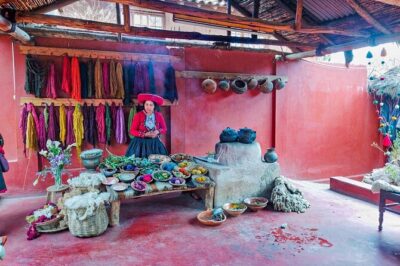
More salt pans, terraces and weaving villages
Lunch in Urubamba before you head toward Ollantaytambo ruins
You’ll have lunch in Urubamba, and it’s included as a buffet. I like this part of the plan because it gives you a reset mid-tour. After morning sightseeing, it’s easier to enjoy the afternoon ruins when you’re not scrambling for food.
One thing to keep in mind: meals besides lunch are not included. So if you’re arriving hungry or staying out late afterward, consider a quick snack before pickup, and plan your next meal after the tour ends.
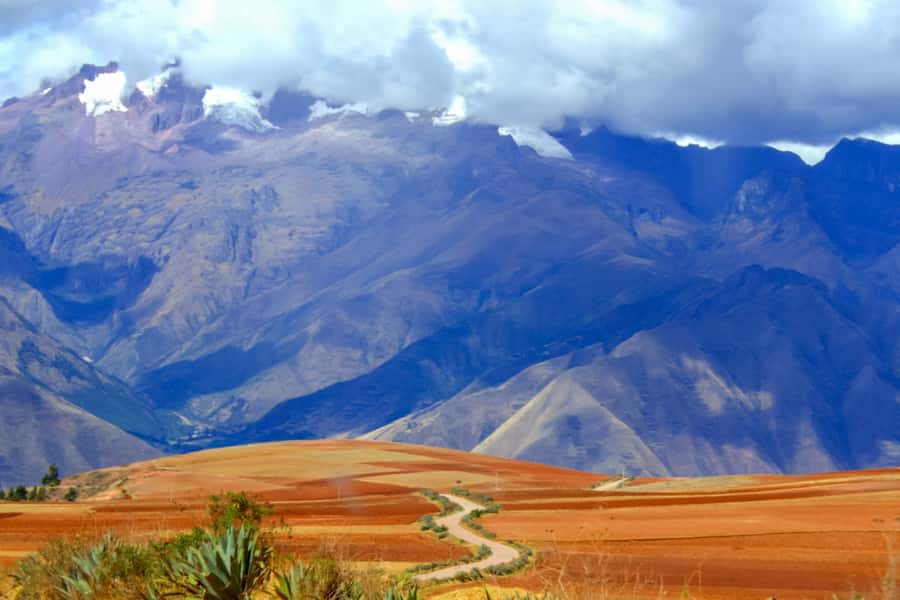
Then you’ll drive toward Ollantaytambo along the Urubamba River. Even if you don’t memorize every viewpoint, the drive helps link the dots. The Sacred Valley is not just “three stops.” It’s a corridor shaped by the river, where villages and ruins sit in a shared geography.
Ollantaytambo ruins: Inca building skills and Wiracocha rock imagery
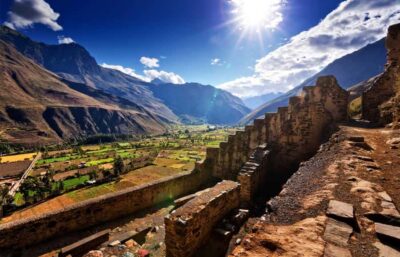
Ollantaytambo is your final major stop, and it’s where the day’s story lands. The ruins here are described as important Inca construction from the Inca’s heydays. What makes Ollantaytambo extra for many people is the way the site’s rock formations are interpreted, including rock formations representing the Inca god Wiracocha.
Even if you focus only on the stones, the site has a powerful feel. Ollantaytambo is known for how the terrain and the architecture work together, and you can often spot stonework that looks precise from a distance and more complex when you get closer. If you like learning through visuals, this is a good place to slow down for a moment, step back for wide composition, then move for details.
The tour ends around 3pm, and your drop-off is at Ollantaytambo’s main square (Plaza de Armas). That location is practical because it’s a central point for transport and for grabbing food or water before a train. Just keep your train schedule in mind. This tour is built to finish normally by the time you need to go.
Price value: what $49 covers, and what costs extra
At about $49 per person for a 6-hour tour, this is aimed at good value for a packed itinerary. You’re not just paying for a driver. You get hotel transfer in Cusco, transport between sites, a bilingual guide, and a buffet lunch in Urubamba. You also get the key logistical win of being dropped off in Ollantaytambo’s main square, ready for onward travel.
What is not included matters:
- The touristic ticket is listed as S/70.00 per person
- Entrance to the salt mines is not included
So when you budget, assume your final total will be higher than the starting price once you pay local site fees. The good news is that the included lunch and guided structure help offset those costs. Still, don’t show up assuming everything is paid in advance.
Also check what “meals not included” means for you. Lunch is included, so the missing meals are more likely breakfast and dinner on travel days. Plan accordingly.
Small group of up to 15: nicer vibe, but manage photo time
The group is limited to 15 participants. That is a big deal for comfort. Smaller groups mean you’re less likely to get separated in a crowd, and you’ll usually have an easier time hearing your bilingual guide.
The flip side is pacing. Some experiences you might relate to include moments where the guide seems in a hurry, gives less direction than you’d like, or doesn’t offer much time for photos. That doesn’t mean the tour is poorly run all the time. It does mean you should take control of your own photo rhythm.
Here’s how I’d do it so you get the day you want:
- At each stop, take your most important shots first, then wander for details
- If you want more time, say it calmly to the guide at the start of the stop
- Stay close when you get a group cue, because getting separated usually costs time
- Keep your phone ready, but don’t lose time packing and unpacking constantly
If you are the kind of traveler who needs deep explanations at every wall, you might find a short format limits how much you can absorb at each location. But if you like efficient, guided sampling of the Sacred Valley, this tour fits that style.
What to bring, and what not to bring, for a smooth Sacred Valley day
This is a practical tour, and it has a few clear rules.
Bring:
- Comfortable shoes (you’ll walk outdoors)
- Sunscreen
Avoid bringing:
- Pets
- Luggage or large bags
If you’re traveling light, you’ll feel less stressed. If you’re traveling with more stuff, you might find it annoying if your items become a problem at meeting points. Also keep your valuables secure, since you’ll move through multiple places in a single morning and afternoon.
One more planning detail: the booking requires passport name, number, expiry, and country for all participants. That’s not the kind of thing you want to do last minute.
Who should book this Cusco to Ollantaytambo tour
This tour is a strong match if you want:
- A time-efficient Sacred Valley day in about 6 hours
- Guided visits to Moray, Maras, and Ollantaytambo
- An included buffet lunch and an end point that works for trains after 3pm
- A smaller group experience (15 people max)
It might not be ideal if:
- You need wheelchair accessibility, because the tour is not suitable for wheelchair users
- You’re traveling with lots of luggage
- You want long, slow museum-style exploration at each stop
If you’re balancing a tight itinerary around train schedules, this tour structure is exactly what you want.
Should you book this Cusco Sacred Valley tour ending in Ollantaytambo?
Book it if your priorities are efficiency, guided highlights, and a practical finish point in Ollantaytambo’s Plaza de Armas. The combination of Moray’s agricultural terrace mystery, Maras’s salt pools, and Ollantaytambo’s Inca ruins gives you three memorable Sacred Valley experiences without needing separate tour planning.
Skip or rethink it if you need extra time for photos at every stop, because the schedule is built to finish around 3pm. Also factor in extra fees for the tourist ticket and salt mine entrance, so you’re not surprised by on-site costs.
If you go in prepared with soles for entrance fees, sunscreen, and comfortable shoes, you’ll likely feel like you got your money’s worth in a short window.
FAQ
What time is pickup in Cusco?
Pickup is around 06:30am from your accommodation in Cusco.
How long is the tour?
The duration is about 6 hours.
Where does the tour end?
The tour ends with a drop-off at Ollantaytambo main square (Plaza de Armas).
What is the latest time my train should be?
Your train must be after 3pm so the visits occur normally.
Is lunch included?
Yes, there is a buffet lunch in Urubamba included.
What tour fees are not included?
The tour lists a tourist ticket (S/70.00 per person) and entrance to the salt mines as not included.
What languages is the guide?
The guide is bilingual in Spanish and English.
What should I bring for the day?
You should bring comfortable shoes and sunscreen.
Is this tour suitable for wheelchair users?
No, it is not suitable for wheelchair users.
More Leaving From Cusco
- Cusco: Humantay Lake Tour with Breakfast and Buffet Lunch
★ 4.9 · 2,976 reviews - From Cusco: Moray, Maras Salt Mines & Chinchero Weavers Tour
★ 4.8 · 1,925 reviews - From Cusco: Full-Day Group Tour of Machu Picchu
★ 4.7 · 1,767 reviews - Machu Picchu Day Trip from Cusco
★ 4.5 · 1,644 reviews - Cusco: Half-Day City Tour with Sacsayhuaman and Q’enco
★ 4.6 · 1,129 reviews
Maras, Moray and Chinchero Again
- From Cusco: Moray, Maras Salt Mines & Chinchero Weavers Tour
★ 4.8 · 1,925 reviews - Cusco: Sacred Valley, Pisac, Ollantaytambo, Salt Mines Moray
★ 4.6 · 1,058 reviews - Cusco:Chinchero,Moray & Salt Mines drop-off in Ollantaytambo
★ 4.8 · 793 reviews - Sacred Valley: Chinchero, Moray, Ollantaytambo & Pisac+Lunch
★ 4.8 · 501 reviews - Sacred Valley: Maras & Moray by Quad Bike from Cusco
★ 4.6 · 418 reviews
Keep Going Down the Valley
- Cusco: Sacred Valley, Pisac, Ollantaytambo, Salt Mines Moray
★ 4.6 · 1,058 reviews - Cusco:Chinchero,Moray & Salt Mines drop-off in Ollantaytambo
★ 4.8 · 793 reviews - Sacred Valley: Chinchero, Moray, Ollantaytambo & Pisac+Lunch
★ 4.8 · 501 reviews - Sacred Valley: Maras & Moray by Quad Bike from Cusco
★ 4.6 · 418 reviews - Pisac Indian Market and Ollantaytambo Fortress with Lunch
★ 4.5 · 395 reviews
Fresh in from Cusco
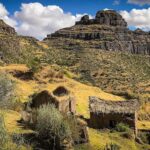

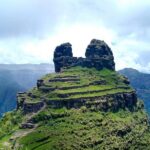

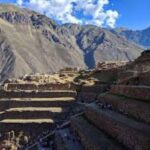
Maras, Moray & Chinchero Tours, compared.
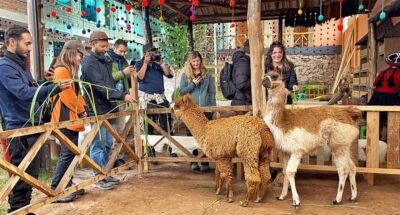 ★ 4.8Sacred Valley & Maras Salt Mines Tour with LunchFrom $282,227 reviews
 ★ 4.8Moray, Maras Salt Mines & Chinchero Weavers TourFrom $151,925 reviews
 ★ 4.6Sacred Valley, Pisac, Ollantaytambo, Salt Mines MorayFrom $281,058 reviews
 ★ 4.8Chinchero,Moray & Salt Mines drop-off in OllantaytamboFrom $27793 reviews
 ★ 4.8Sacred Valley: Chinchero, Moray, Ollantaytambo & Pisac+LunchFrom $25501 reviews
 ★ 4.6Sacred Valley: Maras & Moray by Quad Bike from CuscoFrom $39418 reviews
 ★ 4.7Quad bike tour Moray and Salt MinesFrom $27314 reviews
 ★ 4.8Sacred Valley Pisaq,Ollantaytambo,Chinchero with LunchFrom $28183 reviews
Browse the lists this tour appears in