
REVIEW · LUNCH EXPERIENCES
Cusco: Chonta Canyon and Condor Flight Tour with Lunch
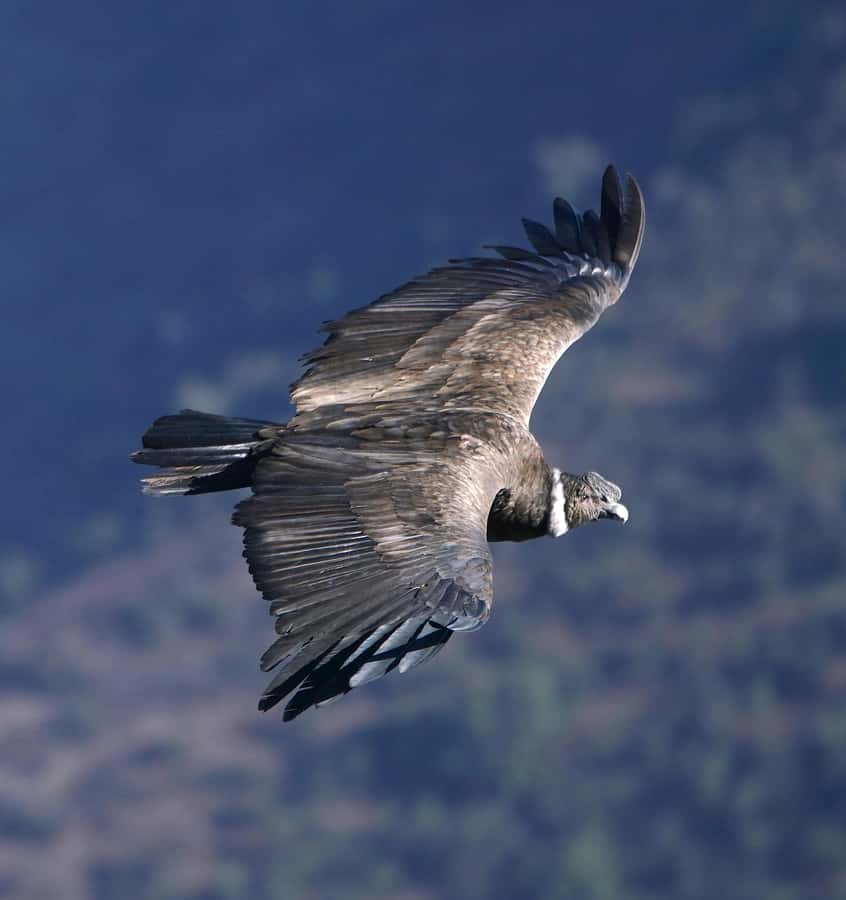
Condors over the canyon feel unreal at first. This full-day Cusco trip pairs in-the-field condor watching with two archaeological stops, then finishes with lunch before you hike up to the Chonta viewpoints.
I love how the day is organized for real sightings, not just hoping for the best. You also get guided time at Killarumiyoq and Tarawasi, so the scenery comes with context, not just photos. One thing to consider: this is an outdoors, walking day with steep uphill sections and viewpoints that are not a good fit if you have vertigo or are afraid of heights.
Key things to know before you go
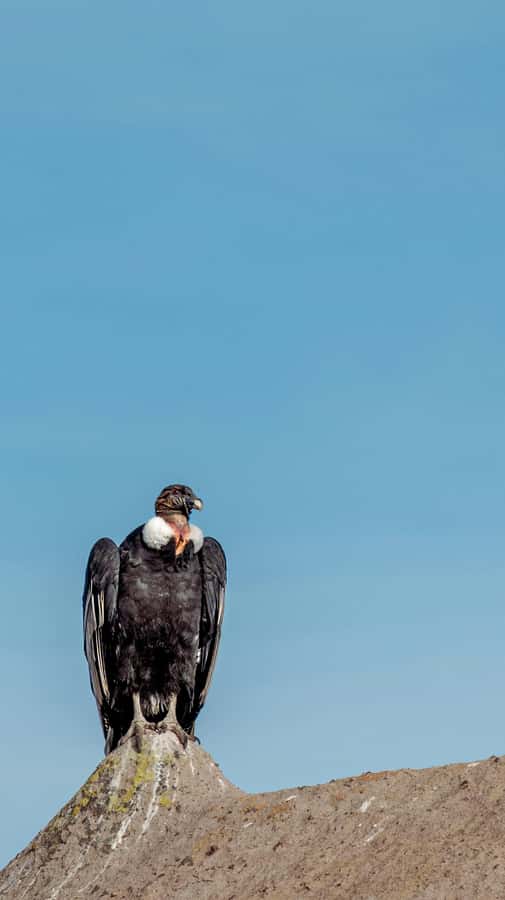
- Condors are the main event, with time set aside at lookout points for watching and photos
- Two archaeological stops add meaning to the drive and the canyon setting
- A camouflage-vest approach helps you stay low-key during wildlife viewing
- Lunch is built into the schedule, so you are not scrambling for food after hiking
- Long day timing (about 7:00 am to 7:00 pm) means you should plan snacks and rest
Cusco to Chonta Canyon, in one focused day
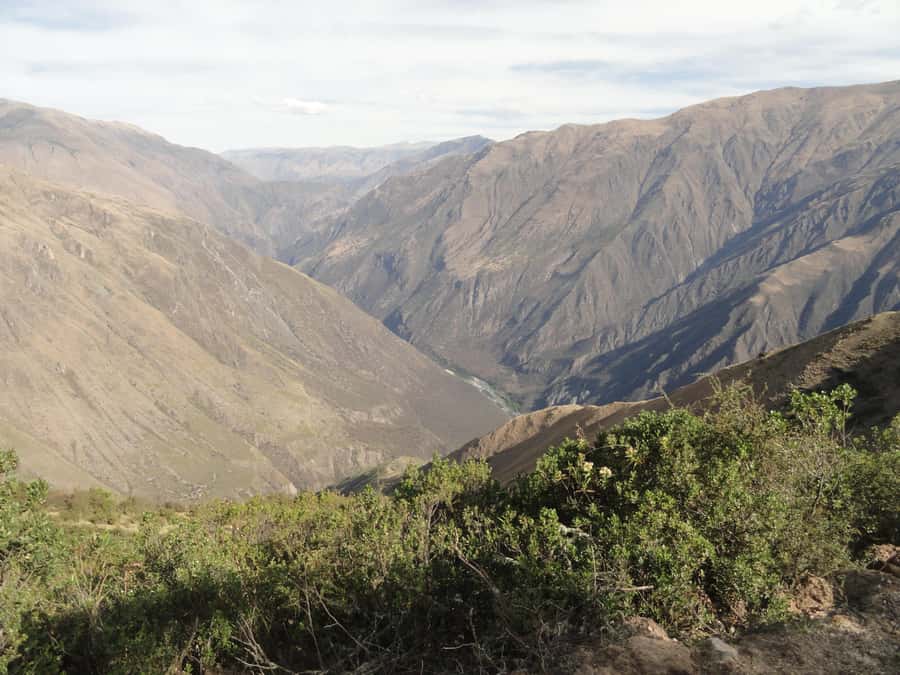
This tour runs about 12 hours, starting around 7:00 am and returning to Cusco around 7:00 pm. If you only have a day to spend outside the city, I like that the schedule is tight and purposeful. You are not bouncing between a dozen unrelated stops. Instead, you are going where the condors fly, then you spend time at sites that connect the region’s history to the same highland rhythms.
Most days like this stand or fall on timing and guidance. Here, you are picked up in the Centro Histórico area, then you head out by van with a guided component along the way. The professional guide speaks Spanish and English, so explanations are not limited to a few signs. One detail that felt smart to me is the inclusion of camouflage vests. They are meant to make your presence less intrusive while you wait at the viewpoints.
A practical note: the day includes a short climb and a longer hike segment. It is not a museum tour. If you have questions about your stamina, take them seriously early, because there is a real uphill stretch on the route to Chonta.
Killarumiyoq: archaeo-astronomy before the canyon
Your first major stop is Killarumiyoq, an archaeo-astronomical site in the Anta area. You will have about an hour here, which is enough time to get your bearings and understand what you are looking at without turning it into a rushed photo sprint.
Why this stop matters for the rest of the day: Killarumiyoq is tied to how Andean cultures watched the sky and organized meaning around it. Even if you are not a specialist, a good guide helps you notice how the site’s position and design relate to observation. It sets you up to see the canyon stops with the right frame of mind. You are not just traveling for animals. You are seeing a region where attention to nature and timing has been part of life for a long time.
Potential drawback: cold mornings are common at altitude, and you are standing around while you listen and look. Warm layers are worth it here, not later.
Tarawasi near Limatambo: a ceremonial platform you can picture
After Killarumiyoq, the day shifts to Tarawasi, near Limatambo. Plan on another guided visit of about an hour. This site is home to one of the few remaining Andean ceremonial platforms (called a Usno) used for rituals.
I like Tarawasi because it gives you something concrete to visualize. A ceremonial platform is not abstract once you are standing there with a guide describing how rituals worked and how the space was used. It also helps you understand why the region around Chonta is more than a scenic day trip. This is cultural terrain, not just scenery.
If you prefer your archaeology with minimal walking, this portion is relatively manageable compared with the later hike to the viewpoints. You still move around enough to connect the explanations to what you see.
Lunch in the Limatambo stop before the climb
You get a break for lunch after the Tarawasi visit. The schedule lists a lunch stop around the Limatambo area, with about an hour set aside. The tour is designed so you eat before the main uphill hiking segment, which is a smart piece of logistics for altitude and energy levels.
The highlight you should pay attention to is that lunch is included. That matters for value. Many “condor” tours either skip lunch or make it an expensive add-on, leaving you to guess what to eat in a new town. Here, you know there is a dedicated meal period, so you can show up ready for the walk.
What to do: treat lunch as your energy anchor. Bring the snacks you want for before or after, but use the included meal so you are not dependent on convenience stops.
Huayronka Bridge detour and the hour-long ascent
Next comes a driving segment plus a detour around Huayronka Bridge, followed by an hour-long ascent through Andean terrain toward the village of Chonta. This is where the tour starts to feel more like an expedition.
Even though most of the ascent is by van, you are still moving from stop to stop in cold, higher air. If you are sensitive to altitude discomfort, take it easy on the first hour of the day’s exertion, and keep your breathing steady. The tour includes a first aid kit and an oxygen balloon, which is reassuring, especially on long road days.
Why I think this detour is worth it: the bridge area is part of the scenic route that gets you into the condor zone. You are not just transferring locations. You are traveling through the areas that set up the canyon viewpoints.
If you dislike heights: you are heading into a viewpoint-based day, and later you will do a hike. The detour itself might already feel exposed depending on where you are sitting in the vehicle and how often you stop to look around.
Chonta village, then a 50-minute hike to viewpoints
Once you reach the village of Chonta, you continue on foot toward the three viewpoints in Chonta Canyon. The hike segment is listed as about 50 minutes.
This portion is a key reality check. You are going from village access points to vantage spots where you can actually see the condors moving across the canyon. The viewpoints are where the magic happens, but the route there requires effort. Wear comfortable shoes you trust. You do not want to find out your soles are slippery halfway up.
What you are doing during the hike: you are positioning yourself. It is not just exercise. You are getting into the right angle and elevation to watch condors glide across the canyon air currents.
Once you reach the viewpoints, you have around two hours to admire and photograph the flight of the Andean condors. This is long enough to get multiple passes and settle into watching behavior, not just catch one quick moment.
Condor watching: what “close” actually feels like
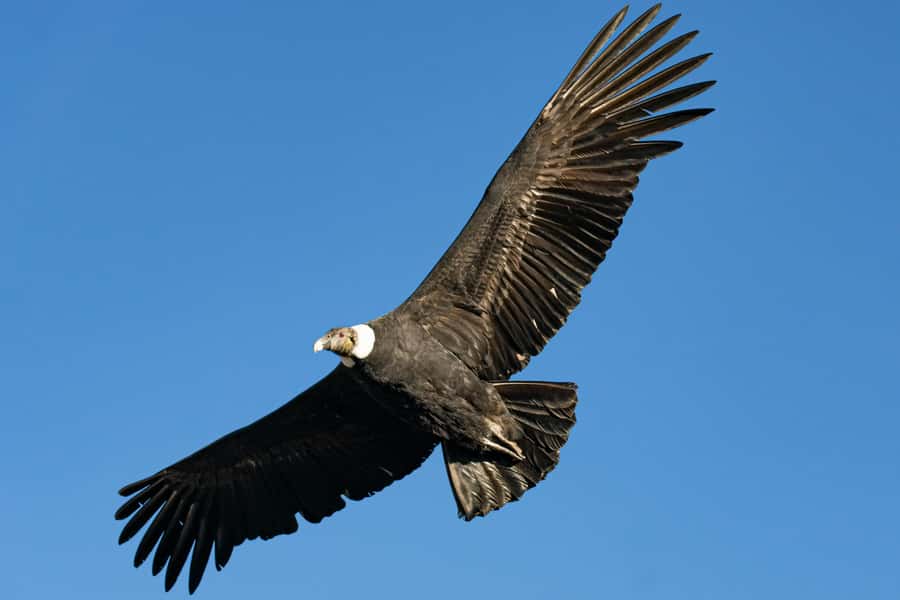
This is the part that makes people book. The tour is designed around witnessing the majestic flight of the Andean condor in Chonta Canyon, and the timing gives you a real chance to see them glide.
In a recent experience, the guide Rafael was described as friendly and competent, with the ability to lead the group to the best observation points. That kind of guidance matters because condors do not hover on schedule. They ride thermals, and the best spots can shift depending on wind and how the birds are moving.
Here’s the practical mindset I recommend: during your two hours at the viewpoints, do not just watch from one spot the whole time. Follow your guide’s cues, use the camouflage-vest setup appropriately, and be ready to adjust your stance for sightlines. If you get a burst of activity, stay calm and let it play out. Condors can keep returning to the same air routes.
Also, remember this is wildlife watching. Sometimes you see several condors for extended periods, and sometimes the timing is slower. The two-hour viewing window helps, but it still comes down to nature.
Getting back to Cusco by late afternoon
After your condor observation time, you head back toward the town of Chonta, then your transport is waiting to take you back to Cusco. The expected arrival back in Cusco is around 7:00 pm, which brings the day to a full-circle end at Plaza Regocijo or near your drop-off point.
This is a long day, so plan your evening like you would after a hike. Eat something light if you need it right away, and give yourself a break from heavy sightseeing. You will have earned that couch time.
Price and value: what you pay for, and what costs extra
At $150 per person, the tour price includes a lot of the big-ticket items that make day trips actually work: hotel pickup in the city center, a professional guide in Spanish and English, van transportation, camouflage vests, lunch, and basic medical support (first aid kit and oxygen balloon).
The part to budget separately is entrance tickets. Entrance tickets for Killarumiyoq, Tarawasi, and Chonta Canyon are not included, and the listed cost is $20.00 USD per person. So your all-in budget depends on that total, but at least you know it upfront.
My take on value: if you are going to do a condor-focused day trip from Cusco, having a guide who can manage observation points and interpret the sites is usually where the money turns into real experiences. Add in lunch and the fact that transport is handled end to end, and it is easier to justify the price.
Who this tour fits best (and who should skip it)
This tour suits you if you want one efficient day combining wildlife watching with meaningful cultural stops. It also fits well if you like being outdoors and you are comfortable with walking uphill and standing for long stretches while you wait for birds.
It is not suitable for people who are pregnant, have mobility impairments, have heart problems, are afraid of heights, or have vertigo. If any of those apply, it is better to choose a calmer option. The viewpoints and canyon area are central to the experience, and the hike plus exposed vantage points are not optional.
If you can handle the physical side, you’ll probably enjoy the balance: archaeology early, lunch break, condor viewing later, then a straightforward return.
Tips to make the day easier
- Bring warm clothing, even if the city feels mild in the morning. You will be waiting at viewpoints.
- Wear comfortable shoes with grip. The 50-minute hike is part of the core experience.
- Pack sunscreen and a hat. High-altitude sun is no joke.
- Bring cash, since entrance tickets are not included.
- Bring water and snacks even though lunch is included. You can use them for comfort during long waits.
One more small tip: keep your camera ready but don’t freeze in place. If you feel yourself missing bird movement, adjust with your guide. Good viewing is about angles, not just zoom.
Should you book this Chonta Canyon condor tour?
If you want the classic Andean condor experience from Cusco, this is a strong choice because it’s built around actual viewing time. The combination of condor watching plus guided stops at Killarumiyoq and Tarawasi gives the day variety without losing focus.
I would book it if you are comfortable with a long day, cold mornings, and a moderate hike. I would not book it if you are sensitive to heights, vertigo, or you cannot do uphill walking. The canyon viewpoints are part of the deal, not a bonus.
If your schedule allows just one outdoors day trip, this is the kind that can make your trip feel complete: culture in the morning, condors in the afternoon, and dinner back in Cusco.
FAQ
What time does the tour start and end?
The tour starts at approximately 7:00 am and ends around 7:00 pm, with return drop-off near Plaza Regocijo.
Is hotel pickup included?
Yes. Pickup is included from the Centro Histórico (city center). Your guide will pick you up at your hotel lobby if your hotel is in the city center.
Are entrance tickets included?
No. Entrance tickets for Killarumiyoq, Tarawasi Inca sites, and Chonta Canyon are not included and cost $20.00 USD per person.
What language is the guide?
The guide provides live interpretation in Spanish and English.
Is lunch included?
Yes. Lunch is included during the tour, with a lunch break scheduled after the historical site visit.
What should I bring?
Bring comfortable shoes, warm clothing, a hat, your camera, snacks, sunscreen, water, and cash.
Is this tour suitable for everyone?
It is not suitable for pregnant women, people with mobility impairments, people with heart problems, people afraid of heights, or people with vertigo. Pets are also not allowed.
Lunch Experiences, compared.
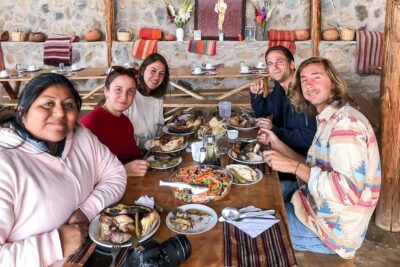 ★ 4.9Humantay Lake Tour with Breakfast and Buffet LunchFrom $222,976 reviews
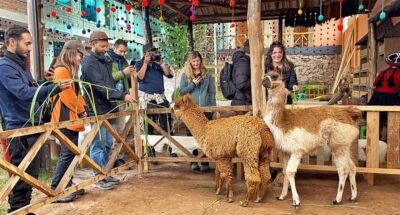 ★ 4.8Sacred Valley & Maras Salt Mines Tour with LunchFrom $282,227 reviews
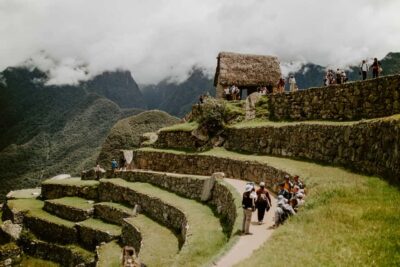 ★ 4.6Machu Picchu: Full-Day Tour from Cusco with Optional LunchFrom $283927 reviews
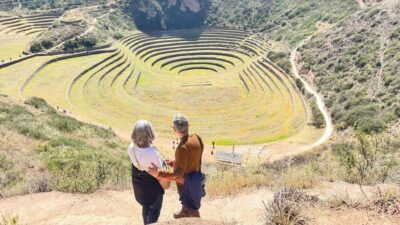 ★ 4.8Sacred Valley: Chinchero, Moray, Ollantaytambo & Pisac+LunchFrom $25501 reviews
 ★ 4.5Pisac Indian Market and Ollantaytambo Fortress with LunchFrom $84395 reviews
 ★ 4.87 Lakes Ausangate Trek with Breakfast and LunchFrom $29360 reviews
 ★ 4.8Sacred Valley Pisaq,Ollantaytambo,Chinchero with LunchFrom $28183 reviews
 ★ 4.7Puno: Full-Day Route of the Sun Tour to Cusco with LunchFrom $44131 reviews
Browse the lists this tour appears in