
REVIEW · PRIVATE
Cusco 4-Hour Private Tour Including Sacsayhuaman and Qenqo
Saqsaywaman and the city in one half day. This private tour stitches together Inca stone, Spanish-era Cusco, and the little explanations a guide points out, all with hotel pickup and snacks. I like how it gives you a strong Cusco orientation fast, without turning it into a marathon.
The one thing to watch is entrance fees. Sacsayhuaman, Qorikancha, and the Cathedral are not included, so you will want to budget ahead.
Key highlights in plain language
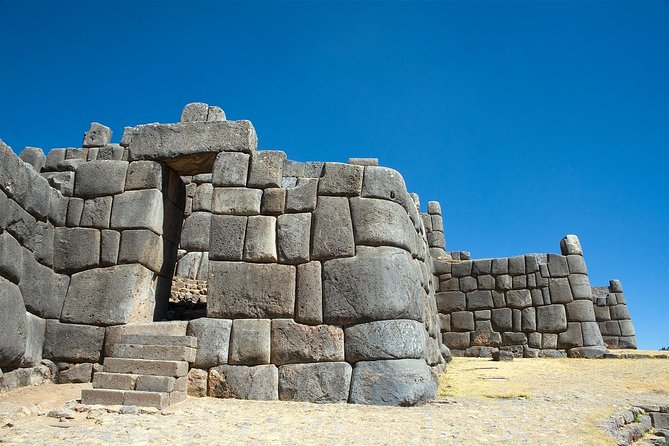
- Saqsaywaman’s huge stone blocks with clear context for how the Inca and earlier Killke work shaped Cusco
- Plaza de Armas right away, so you understand why Cusco’s colonial look still sits on top of older Inca choices
- Qorikancha’s wall-to-temple story, where Spanish building reused Inca stone after wars and earthquakes
- Q’enqo’s zig-zag canal mystery, with thoughtful guesses on ritual use rather than one-size-fits-all answers
- Short site stops with lots of driving, which helps if you are fighting altitude or just prefer not to rush
- Optional textile factory visit, included at no extra charge if you want to see how local fiber work becomes clothing
More that leaves from a Cusco hotel door
- Cusco: Humantay Lake Tour with Breakfast and Buffet Lunch★ 4.9 · 2,976 reviews
- From Cusco: Moray, Maras Salt Mines & Chinchero Weavers Tour★ 4.8 · 1,925 reviews
- From Cusco: Full-Day Group Tour of Machu Picchu★ 4.7 · 1,767 reviews
- Machu Picchu Day Trip from Cusco★ 4.5 · 1,644 reviews
A half-day route that keeps Cusco from feeling like a blur
Cusco can overwhelm you fast. This tour helps because it mixes the big “I’m in the Inca capital” moments with the town center you’ll use later for meals, shopping, and day trips. You are not just collecting photos. You get the why behind the walls.
I especially liked how the tour flow makes sense. You start with an Inca citadel outside town, then you come back into Cusco’s heart at Plaza de Armas, then you move through key sites near the city. It is a logical loop that teaches how Cusco layers time: Inca foundations, Spanish rebuilding, and modern Cusco living in the middle.
The private format is the other win. With hotel pickup, your guide can set a pace that works for your group. In the reviews I read, guides like Patricia and Alfredo were praised for linking sites into one story, and Ruben or Soledad were called out for clear explanations. When you get that kind of guiding, four hours can feel like you learned a lot more than the clock suggests.
Price and what you truly get for $87 per person
The listed price is $87 per person for about four hours. That covers the guide, your private vehicle, hotel pickup and drop-off, plus snacks. For many people, that bundle is the main value because Cusco ruins spread out, and travel time plus navigation can eat half a day quickly.
Then there are entrance fees, and they are the part most people forget to total. Cusco Cathedral is PEN 40 per person, Qorikancha is PEN 15 per person, and Sacsayhuaman is PEN 70 per person. If you add those up, the admissions can become a meaningful chunk on top of the tour price. If you are pinching budget, you should decide if you want all three paid stops in advance, because this itinerary includes them.
One more practical thought: the tour is designed for seeing multiple sites efficiently. That means you will not linger for hours at every location. You get value by hitting the right highlights with a guide, then you can return later if one place hooks you.
Private guide care, vehicle comfort, and why it matters in Cusco
Cusco has two kinds of friction: altitude and logistics. This tour reduces both. You ride in a private vehicle, you do short visits at each stop, and you start and end with hotel pickup and drop-off. That helps if you are feeling the altitude early in your trip, or if you just want to avoid crowds and slow group pacing.
Also, the guide language options are English or Spanish. In practice, that is huge. If you get a guide who can clearly explain the meaning of place, you spend less time guessing. In the feedback, I saw multiple mentions of guides who were strong at tying the Inca story to what you see today in Cusco.
Snacks are included too, which you will appreciate around the midday energy drop. And yes, bring a camera. The photos at the viewpoints around the ruins tend to be better when you are not rushing, and you will have time to frame a shot at most stops.
Sacsayhuaman: the northern citadel and why it still feels huge
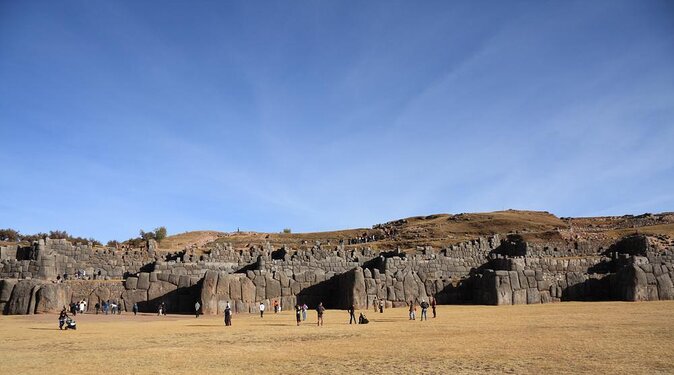
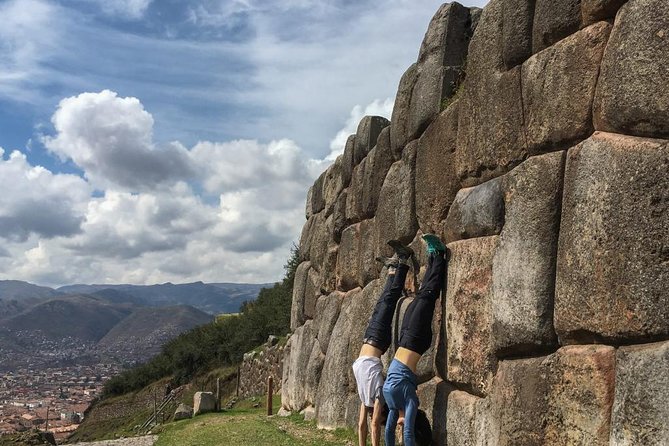
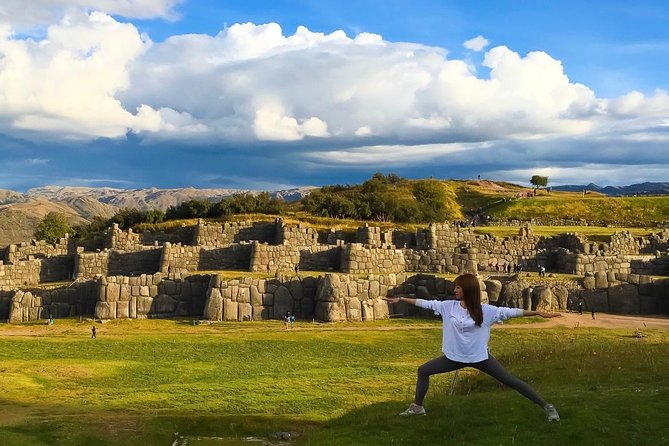
Your first major stop is Saqsaywaman on the northern outskirts of Cusco. This place is often described as a citadel, but it also reads like an unfinished storybook of engineering. Parts were first built around 1100 CE by the Killke culture, then later Inca expansion added to what you see today.
What makes it compelling is the sheer scale and the way the walls feel like they were built to last centuries. Your guide’s job here is not just to point and say Inca. A good guide will connect the stones to the broader idea of Cusco as a power center: defense, ceremony, and political presence all mixed together.
The tour time is about 30 minutes here, and that is a deliberate pace. You get enough time to appreciate the layout, but you will not get stuck for hours. If you want more time for photos or to study the stonework, you could always plan a return visit later, but this start gives you a strong first impression.
Admission is not included for Sacsayhuaman (PEN 70 per person), so make sure that is in your mental math before you go.
The same ground, privately
Plaza de Armas: where Cusco’s Spanish look meets Inca origins
After the ruins, you come into Plaza de Armas, Cusco’s main square. The biggest reason I like starting here is that the plaza is not only pretty. It is the city’s organizing principle.
Your guide will likely explain how the colonial buildings were shaped by Spanish conquest, but the chosen location for developing the Imperial City actually existed long before the Spanish arrived. That is the key takeaway: this plaza sits on layers, and once you notice that, you start seeing history in the streets around you.
You get about 10 minutes at the plaza. It is short, but in this kind of tour, that can be perfect. You get the orientation hit, and then you move on before you lose energy.
One practical tip: if you plan to buy something in town later, Plaza de Armas is the “base map” for your day. You will recognize streets faster once you have a guide point out landmarks right there.
Entrance is included at this stop.
Cusco Cathedral: what you see depends on where you stand
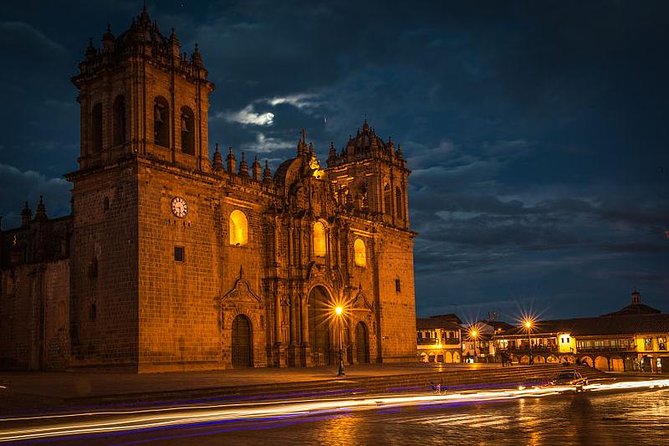
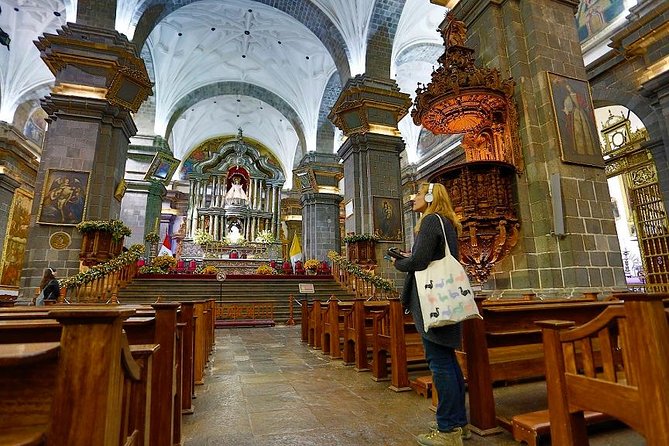
Next up is the Cusco Cathedral, formally the Cathedral Basilica of the Assumption of the Virgin. This is the mother church of the Roman Catholic Archdiocese of Cusco, and it sits at Plaza de Armas.
Here’s the balancing act. The cathedral is impressive, but it can also feel like you are just checking a box if you do not understand why it exists on this spot. A great guide helps you connect it to the Spanish rebuilding era and the broader pattern of how conquerors used existing centers of power and sacred geography.
You have about 20 minutes here. That usually gives you time to look around, take a few photos, and catch the main artistic and architectural features without feeling trapped inside.
Admission is not included (PEN 40 per person). If you are low on time later, you might consider prioritizing photos in the plaza and letting the guide decide how long to stay, depending on your energy level.
Qorikancha: the Inca Sun Temple turned into a layered stone puzzle
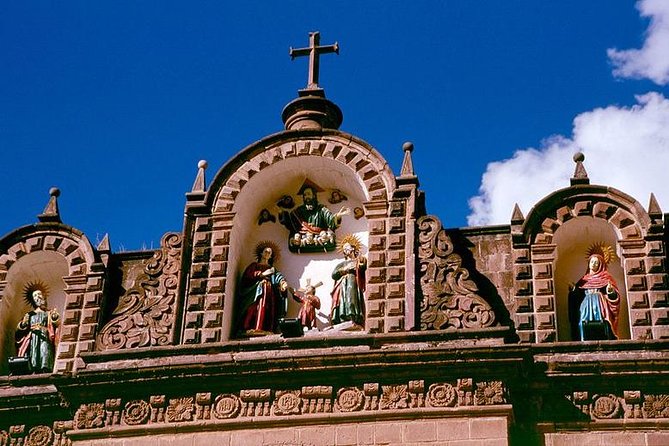
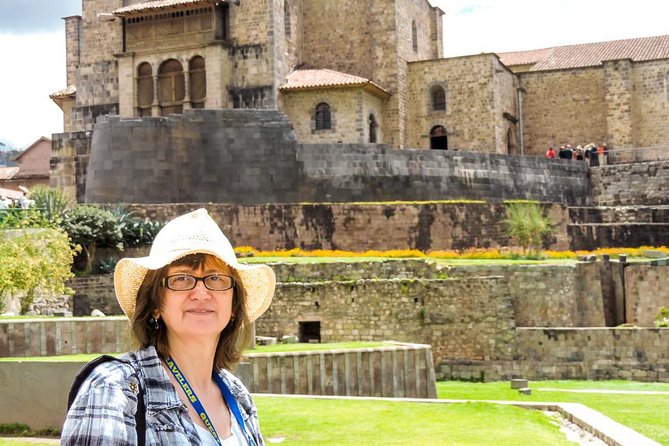
Qorikancha is a must-stop for anyone who likes the story of how empires leave physical traces. Originally named Intikancha or Intiwasi, it was dedicated to Inti, the Inca sun. After wars with the Spanish in the 16th century, much of the temple was destroyed. Stone was reused, and settlers also dismantled parts of the original complex to build churches and residences.
Then the pattern repeats after the 1650 earthquake, when the Dominican convent was built on top of earlier foundations. A lot of what you see today connects to that timeline, including the Santo Domingo Convent built over the repurposed stone.
Your visit is about 20 minutes. In that window, you will likely get the most value from your guide’s ability to point out which parts are clearly tied to the Inca layout, and which pieces reflect later Spanish use.
Admission is not included (PEN 15 per person). Still, even at a short stop, Qorikancha tends to land as one of the most meaningful places because it physically shows the collision and blending of eras.
Puka Pukara: the red fortress-watchtower along the old road
From Cusco, you head to Puka Pukara, about 6 km from town. The Quechua meanings matter here. Puka means red, and Pucara means fortress-watchtower. That name fits the role it played: a strategic checkpoint along the road to Antisuyo, which refers to the jungle side of the Inca empire.
If you like roads and systems, this stop is a nice break from the big landmark feeling. It is more about function. A watchtower or checkpoint is about movement, control, and communication, not just dramatic ceremonial architecture.
The tour time is about 15 minutes, and that is realistic. You can enjoy the setting and the reasoning behind its location without needing a long climb or a big hike.
Admission is not included.
Q’enqo: the zig-zag canal and the ritual theories
Next is Q’enqo, sometimes explained as meaning labyrinth or zig-zag in Quechua. The name fits because of the crooked canal cut out of the rock.
Researchers are still guessing what the canal carried and why. The theories you will hear often include holy water, chicha (corn beer), or blood. And those guesses tie to the idea of death rituals, like embalmers using liquids or ceremonies tied to whether a person was believed to have lived well.
This stop is only about 15 minutes, but it can be memorable because it is not just a pile of stones. It raises questions and forces you to think about how the Inca may have understood ritual, water, and the body in one system.
Admission is not included.
My practical advice here: slow down just a little. A quick glance is easy, but this is one of those sites where one detail, like the canal, helps you make sense of the whole place.
Tambomachay: canals, aqueducts, and the feel of running water
The final archaeological stop is Tambomachay, also known by the Spanish name El Baño del Inca. This site is associated with the Inca empire and is known for aqueducts, canals, and waterfalls running through terraced rocks.
Why it matters is how it connects nature, engineering, and sacred use. Even if you do not see dramatic water at every moment, the layout shows how seriously the Inca treated water flow. It is functional, but it also has the feel of a curated place where water is meant to be part of the experience.
You get about 25 minutes here, which is the longest of the final sites. That extra time is helpful if your group wants to circle around and compare angles of the terraces and channels.
Admission is not included.
Optional textile factory stop: fiber crafts you can actually use as souvenirs
One of the best value additions is the optional textile factory visit, included at no additional charge. This is where you can connect what you learn about the region with a tangible item.
If you are into scarves, hats, or small gifts, this can be a smart use of time because you will not just be buying. You are likely seeing how local fiber work turns into clothing. In the feedback I read, people mentioned llama and alpaca fiber crafts around this kind of stop, which fits the general idea of Andean textiles being made from local animals and then turned into products.
Since it is optional, you can skip it if you want to stay focused on ruins. But if you want one thing to remember Cusco that you can take home, it is often the easiest option to justify.
Timing, walking, and who this tour fits best
This is a half-day tour at about four hours. It moves with a mix of driving and short walks. That pacing shows up clearly in the reviews I saw, with people calling out that it was a good option while adjusting to altitude. The walking is generally not described as long or extreme, but it is still Cusco, so you should plan on uneven surfaces.
Who it fits:
- First-time Cusco visitors who want a fast overview of Inca sites plus the colonial center
- People who prefer private attention and hate being stuck behind a slow group
- Couples and families who want an organized route but with flexibility in pace
- Travelers heading to Machu Picchu soon, since this tour helps set the context for later Inca sites
Who might want a different plan:
- If you already know Cusco history well and want longer stays at fewer locations
- If you prefer a pure city walking tour without nearby ruins
- If you strongly dislike entrance fees, because several stops require paid tickets
Should you book Cusco 4-Hour Private Tour Including Sacsayhuaman and Qenqo?
I think this is a good pick if your goal is clarity. You want to see the main Cusco Inca landmarks near town, understand how they connect to what you see in the Plaza de Armas area, and do it without stress.
The biggest reason to book is the combination: private guide + private transport + well-chosen highlights in one 4-hour block. It is also a solid value if you count what you get included, then add the tickets you know you will pay anyway.
My main caution is the entrance fees, especially Sacsayhuaman. If you hate spending extra at the door, budget for it before you go. If that is fine, this tour can give you the kind of Cusco context that makes your next day in Peru click faster.
FAQ
How long is the tour?
The tour runs for about 4 hours.
Is this a private tour?
Yes. It is private, so only your group participates.
What is included in the price?
Included are a private English- or Spanish-speaking guide, hotel pickup and drop-off, snacks, and transport by private vehicle.
What entrance fees are not included?
Entrance fees not included are Cusco Cathedral (PEN 40.00 per person), Qorikancha (PEN 15.00 per person), and Sacsayhuaman (PEN 70.00 per person).
Is there an optional stop for textiles?
Yes. There is an optional visit to a textile factory available at no additional charge.
When will I receive confirmation?
Confirmation is received at time of booking.
What is the minimum age?
You must be at least 2 years of age.
What should I wear?
Dress according to the season.
Does the tour require good weather?
Yes. The experience requires good weather, and if it is canceled due to poor weather, you will be offered a different date or a full refund.
What is the cancellation policy?
Free cancellation is available. You can cancel up to 24 hours in advance of the experience for a full refund.
More Tours in Cusco
- Cusco: Humantay Lake Tour with Breakfast and Buffet Lunch
★ 4.9 · 2,976 reviews - From Cusco: Moray, Maras Salt Mines & Chinchero Weavers Tour
★ 4.8 · 1,925 reviews - From Cusco: Full-Day Group Tour of Machu Picchu
★ 4.7 · 1,767 reviews - Cusco: Half-Day City Tour with Sacsayhuaman and Q’enco
★ 4.6 · 1,129 reviews - Machu Picchu: Full-Day Tour from Cusco with Optional Lunch
★ 4.6 · 927 reviews
More Tour Reviews in Cusco
- Cusco: Humantay Lake Tour with Breakfast and Buffet Lunch
★ 4.9 · 2,976 reviews - From Cusco: Moray, Maras Salt Mines & Chinchero Weavers Tour
★ 4.8 · 1,925 reviews - From Cusco: Full-Day Group Tour of Machu Picchu
★ 4.7 · 1,767 reviews - Machu Picchu Day Trip from Cusco
★ 4.5 · 1,644 reviews - Cusco: Half-Day City Tour with Sacsayhuaman and Q’enco
★ 4.6 · 1,129 reviews
More Leaving From Cusco
- Cusco: Humantay Lake Tour with Breakfast and Buffet Lunch
★ 4.9 · 2,976 reviews - From Cusco: Moray, Maras Salt Mines & Chinchero Weavers Tour
★ 4.8 · 1,925 reviews - From Cusco: Full-Day Group Tour of Machu Picchu
★ 4.7 · 1,767 reviews - Machu Picchu Day Trip from Cusco
★ 4.5 · 1,644 reviews - Cusco: Half-Day City Tour with Sacsayhuaman and Q’enco
★ 4.6 · 1,129 reviews
Fresh in from Cusco

Private, compared.
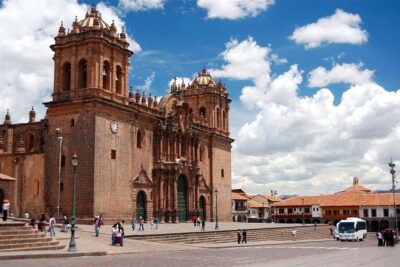 ★ 5.0City Tour in Cusco & visit Museum South American Camelid Private.From $49147 reviews
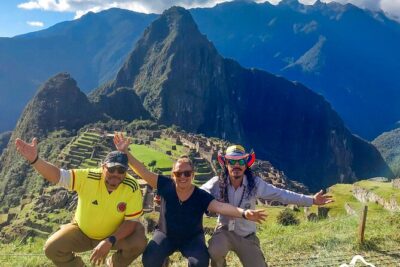 ★ 5.0Private Tour to Sacred Valley and Machu Picchu from CuscoFrom $600133 reviews
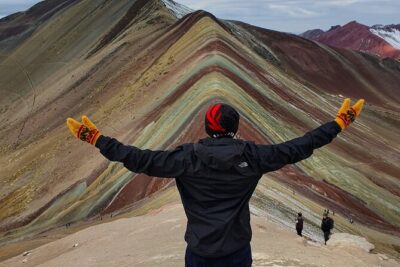 ★ 5.0Private Rainbow Mountain Full Day Tour from CuscoFrom $119129 reviews
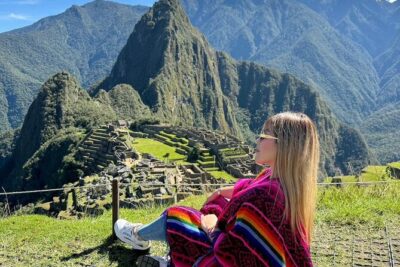 ★ 5.0Full Day Private Guided Tour in Machu PicchuFrom $339115 reviews
 ★ 5.0Sacred Valley Full-Day Private Tour from Urubamba & OllantaytamboFrom $135112 reviews
 ★ 5.0Machupicchu Full Day In Private ServiceFrom $54090 reviews
 ★ 4.9Machu Picchu: Private Tour Guide ServiceFrom $9890 reviews
 ★ 5.0Excursion to MachuPicchu from Cusco with lunch | Private Service|From $33187 reviews