
REVIEW · 1-DAY TOURS
Ayahuasca Ceremony 1 Day in Cusco
A night in the Andes, quiet and intentional. This Cusco-area ritual centers on San Pedro Wachuma with fire-led cleansing, ancestral music, and subtle altered states meant for connection, healing, and release.
I like that the setting feels natural and remote even though you’re close to Cusco, about 15 minutes from the city. I also like the hands-on preparation, especially the black tobacco and flowery water cleansing right before the cactus medicine. One consideration: it’s not a casual evening out, the pre-ceremony diet and restrictions are strict, and it’s not suitable for pregnant people or anyone with pre-existing medical conditions.
Key things I think you’ll care about
- San Pedro Wachuma (mescaline) instead of ayahuasca: the included medicine is explicitly San Pedro Wachuma.
- Small group size (up to 10) for a more controlled, personal feel.
- Black tobacco + flowery water cleansing and an opening with fire and ancestral music.
- Subtle altered states with consciousness intact, effects described as lasting 5 to 7 hours until midnight.
- 4 elements energetic work tied to earth, fire, air, and water.
- Master shaman Luis leads, and his guidance gets especially strong praise for making people feel safe early.
More that leaves from a Cusco hotel door
- Cusco: Humantay Lake Tour with Breakfast and Buffet Lunch★ 4.9 · 2,976 reviews
- From Cusco: Moray, Maras Salt Mines & Chinchero Weavers Tour★ 4.8 · 1,925 reviews
- From Cusco: Full-Day Group Tour of Machu Picchu★ 4.7 · 1,767 reviews
- Machu Picchu Day Trip from Cusco★ 4.5 · 1,644 reviews
San Pedro Wachuma, not ayahuasca: what this Cusco ceremony really is
First, the quick reality check. The experience is called an Ayahuasca Ceremony in Cusco, but the ceremony itself is San Pedro Wachuma. The description spells out the Wachuma cactus and even frames it as a natural concoction linked to mescaline. The included items also list the SAN PEDRO WACHUMA ceremony and the Wachuma drink.
So if you’re searching specifically for ayahuasca, confirm that the medicine offered is what you want. If you’re open to San Pedro Wachuma, the way this ritual is described has a clear theme: a structured opening, guided meditation, and energetic cleansing built around traditional tools like fire, tobacco, water, and music.
You’ll also notice the tone is not wild or chaotic. The effects are described as subtle, with changes in perception rather than full loss of consciousness. That matters, because it sets expectations for how you can approach the night mentally: more “steady and present” than “fighting your way through.”
The 7-hour label versus the one-night flow you should expect
The listed duration is 7 hours, yet the plan includes 1 night of rustic lodging and time in Pisac that includes sunrise. That tells me this isn’t just a quick pick-up, ceremony, and drop-off. You’re building in travel time, preparation, a tea ritual, and at least a basic overnight reset.
Practically, plan your day like this:
- You’ll be picked up in Cusco from several possible locations.
- You’ll spend time in the Cusco region around Pisac, including an early light moment tied to sunrise.
- You’ll do a tea ceremony in Pisac.
- You’ll have the Wachuma ceremony that runs until about midnight.
- You’ll sleep on-site for the night, then return the next day for drop-off.
In other words, treat it as an all-day commitment with a spiritual night attached, even if the booking length looks shorter on paper.
Also, the group is capped at 10 participants. That’s a real advantage when everyone’s in the same stage of preparation and the schedule has to stay calm. Big groups can turn spiritual work into logistics. This one is built to avoid that.
Cusco pickup and the Pisac portion, including sunrise time
Your day starts with pickup from one of nine listed areas in Cusco, including big hubs like Plaza De Armas, San Pedro Market, Wanchaq, and Alejandro Velasco Astete Airport. That spread matters. It reduces the stress of finding your own taxi and lets you keep your energy focused.
From there, the tour uses private transportation round trip (Cusco to Pisac). In the real world, that means fewer uncertain handoffs and less time hunting for the right vehicle.
The Pisac segment is described as a guided tour plus walking, with an overnight stay and sunrise time. Sunrise is not just scenic here. It’s a useful rhythm marker. Waking into cooler light tends to slow the brain down and makes it easier to follow a guided spiritual process later. If you’re sensitive to schedule changes, sunrise time can help you transition out of “tour mode” and into “ritual mode.”
A small note on how to manage your body: you should bring warm clothing and plan for movement. The walk is part of the program, and the area is higher elevation than lowland Peru. Even if the daytime feels pleasant, evenings and early mornings can get chilly fast.
Tea ceremony in Pisac: why this step matters
The schedule includes a Pisac tea ceremony after the guided tour and walking time. The data doesn’t spell out exactly what the tea contains, but the placement is the message.
This comes before the Wachuma medicine. That makes it preparation work, not an optional extra. You can think of it as a gentle on-ramp. Even when the main medicine effects are described as subtle, your body still needs time to shift. A tea ritual at the earlier stage can help your digestion and your mental readiness.
You’ll also notice the ceremony preparation instructions emphasize diet and rest. That suggests the team cares about your physical-emotional state before the cactus medicine. In practical terms, your best experience is usually the one where you respect that lead-in.
More single-day runs from Cusco
Fire, black tobacco cleansing, and flowery water opening
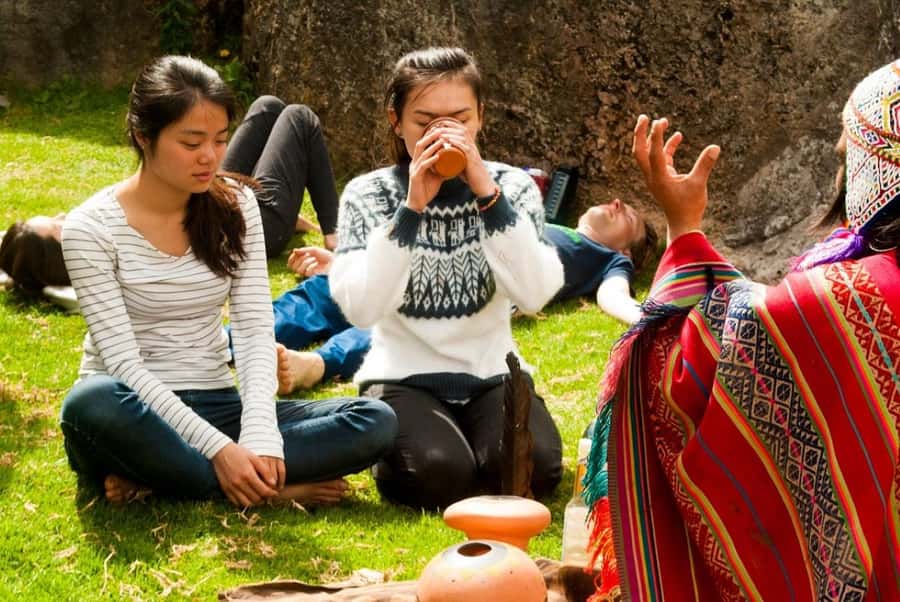
The ceremony opening is detailed, and that’s a good sign. The process begins with lighting the fire, then an energetic cleansing using black tobacco and flowery water. After that, you do a small meditation to prepare for the Wachuma drink.
What I like about this structure is that it gives you actions to follow even if you’re nervous. If you’re trying to do this type of work on your own, the hard part is not the medicine, it’s the “what do I do next” problem. Here, the ceremony includes steps that guide your attention.
During the opening, fire and ancestral music are part of the environment. The description ties the meditation and ritual process to nature, with music and the elements used as grounding points. That matters because many people go in with expectations about visuals and lose sight of the calmer work: breathing, listening, and letting the body settle.
Also, the location is described as natural and remote, but still close to Cusco, about 15 minutes away. That strikes a helpful balance. You get an off-the-street setting without long, complicated travel in the hours leading up to the medicine.
Wachuma effects: subtle shifts, no loss of consciousness
The description says you’ll experience altered states in about one hour after drinking Wachuma, but very subtly. It also notes that perception of the air and slight changes in how you see the environment can lead to feeling merged with the ancestral shamanic process.
Most importantly, it states that at no time is consciousness lost. The effects last about 5 to 7 hours, until midnight.
That combination, subtle effects plus consciousness intact, shapes how you should prepare your mindset:
- You don’t need to panic about being unable to stay aware.
- You do need to be comfortable doing nothing for hours except resting, listening, and following guidance.
- You should expect the experience to feel mostly physical-emotional at the beginning, especially around relaxation.
The ritual aims at release, not just “trip stories.” It’s described as an opening of sacred space and a process to release energy charges accumulated in the body. If you go in thinking you’ll have fireworks every minute, you may miss what the ceremony actually does well: steady integration and a calmer mind-body reset.
There’s also a theme of quiet relaxation. The plan says the cactus meditation helps you pause the daily pattern of creating and recreating thoughts without interruption. That’s not a promise that everyone feels something identical, but it does point to the intended outcome: less mental noise.
Connect, Heal, Release: 4 elements energetic work explained simply
A major part of this ceremony is the energetic cleaning work tied to the four elements of nature: earth, fire, air, and water. The description links preparation and ritual closely to that element framework.
Here’s how that can be meaningful in real human terms:
- Earth points to grounding, body awareness, and release through stillness.
- Fire ties to transformation, heat, and the ceremony container created by the fire itself.
- Air supports breath, perception, and the sense of spacious calm.
- Water relates to flow, cleansing, and emotional loosening, especially since flowery water is used during opening.
The ceremony also includes ancestral music with traditional instruments. In many rituals, music functions like a metronome for your nervous system. It keeps the mind from running away and helps you stay with the guidance.
And the “Connect – Heal – Release” phrase is not just branding. It matches the described flow: connecting through shamanic ancestral merging, healing through relaxation and integration, and releasing energy charges from the body. If you’re looking for structure, this is one of the stronger elements-based frameworks in the way it’s written.
Guidance and safety feel: why master shaman Luis is a big deal
A repeated theme in the available feedback is the quality of the leader. The shaman is identified as Master shaman Luis, and his guidance comes through as calm and confidence-building. People also reference his wife as part of the team, described as lovely and supportive.
From a practical point of view, leadership matters more than most people think. When you’re under the influence of a hallucinogenic cactus medicine, your ability to relax depends on trust. A clear, grounded guide helps you feel safe early, which makes later stages easier.
Also, the experience is described as easy to manage logistically. Pickup happens from your chosen Cusco location, and you’re taken to the shaman for the ceremony. That reduces your first-day stress, and stress is the enemy of good ritual focus.
What to bring, what to wear, and what to avoid
This is one of those experiences where your packing list is part of the success plan. Here’s what the provided info calls for, and why it matters:
Bring warm clothing. The ceremony timing goes deep into the evening, and you also have sunrise time in Pisac. Comfortable layers beat one perfect jacket.
Bring a sleeping bag and socks. The lodging is described as rustic. That means you should be ready for basic comfort standards, and your sleeping bag can be the difference between tolerable and miserable.
Bring gloves and a scarf. Cold hands and chilly necks can distract you when you’re trying to relax.
Bring a change of clothes. You’ll be traveling, walking, and likely sweating and cooling down.
Water is not included. Yet water is recommended after the ceremony in the instructions. So yes, bring water for yourself, plus anything you need to stay comfortable outside the included meals.
What is not allowed includes intoxication, alcohol and drugs, smoking in the vehicle, smoking indoors, and drinks in the vehicle. There are also restrictions like no pets and no weapons or sharp objects. There are dress-related rules such as not wearing short skirts.
One more practical tip: you’re asked to bring a daypack. Use it for essentials only. You do not want to be digging through luggage during the most sensitive hours.
Diet rules before San Pedro: the difference between okay and great
The preparation instructions are clear: it is very necessary to do a diet at least 1 day before, and ideally 3 days in advance for a better reception of the drink, meditation, and rest. The instructions say in general terms to avoid meat of any kind. Dinner the night before is discouraged. The allowed food approach is mostly fruit and plenty of water, with tea or hot tea without sugar.
They also say to avoid alcohol and other substances, and avoid strong drinks. And they recommend resting the day before, avoiding movements that cause physical fatigue.
This isn’t busywork. It’s tied to digestion, and better digestion is connected to a better personal experience during meditation and integration.
After the ceremony, it’s suggested you can eat food, specifically fruit and water, before returning to your lodging.
If you’ve ever tried to do anything spiritual while still feeling heavy or restless in your body, you already understand why these diet steps are taken seriously. Your digestive system is not just about food. It’s about comfort, sleep, and nervous system calm.
Price and value: what $380 buys in the Cusco region
The price is listed as $380 per group with up to 1, while the experience itself is limited to a small group of 10 participants. The exact pricing structure could vary by how the platform labels group size, so treat it as a “confirm per-person cost” situation when you book.
That said, the included items explain why this might be more than a simple ceremony ticket:
- Private round-trip transportation between Cusco and Pisac
- The SAN PEDRO WACHUMA ceremony
- The Wachuma drink or medicine
- 1 night of rustic lodging
- Natural breakfast
- Energetic cleaning work related to the earth, fire, air, and water elements
- Ancestral music with traditional instruments
- Meditation
So you’re paying for a full container: transport, ceremony preparation, the medicine, music, guided meditation, and at least basic lodging. If you’ve ever tried to do something like this without a structured team, you know the hidden costs are usually time, uncertainty, and wasted effort.
When it feels expensive, I compare it to what you’d pay for a guided, language-supported spiritual retreat with private transport and an overnight. Here, that structure exists. That’s the main value driver.
Who this is best for, and who should skip it
This experience is described as led by an instructor in English and Spanish, which is helpful if you want guidance you can actually understand.
It also specifies not suitable for:
- Children under 9
- Pregnant women
- People with pre-existing medical conditions
Because this is a hallucinogenic cactus medicine and can affect perception, you should take those restrictions seriously. If you have any medical uncertainty beyond “pre-existing conditions” listed here, I’d treat that as a reason to pause and talk to a qualified healthcare professional before you book.
Who it fits best:
- Adults who want a structured San Pedro Wachuma ritual with a traditional opening and music
- People who prefer subtle, guided altered states rather than a chaotic, unpredictable party vibe
- Anyone who benefits from element-based energetic work and a calm, small-group setting
If you’re looking for a high-adrenaline adventure, this is not that. If you want a night built around relaxation, release, and integration, you’ll likely feel more at home.
Should you book this San Pedro Wachuma ceremony near Cusco?
Book it if you want a traditional, guided San Pedro Wachuma experience with a clear ceremony structure. I especially think it’s worth your time if you care about the lead shaman, because Master shaman Luis gets strong praise for making the experience feel safe and well-run from the beginning. The black tobacco and flowery water cleansing, plus the fire opening and ancestral music, are also a good match for people who like ritual detail.
Skip it or ask more questions first if any of these apply:
- You are pregnant, have pre-existing medical conditions, or you’re responsible for a child under 9.
- You’re not willing to follow the diet and rest recommendations before the ceremony.
- You’re expecting the experience to be quick, casual, or purely sightseeing.
If you’re ready to treat the night as part healing session and part quiet reset, this Cusco-region format offers a solid value package: small group size, private transport, medicine included, and a full ceremony container through midnight.
FAQ
What medicine is used in this Cusco ceremony?
The experience includes a SAN PEDRO WACHUMA ceremony and the Wachuma drink or medicine.
How long do the Wachuma effects last, and when do they end?
The effects are described as lasting 5 to 7 hours, until about midnight, and it says consciousness is not lost.
Where does the ceremony take place relative to Cusco?
The ceremony is described as happening in a natural and remote place about 15 minutes from Cusco.
Is pickup and transportation included?
Yes. It includes private transportation round trip (Cusco to Pisac) and pickup from multiple Cusco locations, with included drop-off at several listed locations.
What language support is available?
The instructor is listed as speaking English and Spanish.
What dietary preparation is recommended before the ceremony?
It’s stated that you should make a diet at least 1 day before, and ideally 3 days in advance. The guidance includes avoiding meat, avoiding alcohol and strong drinks, and eating mostly fruit, plus plenty of water and unsweetened tea. You are also advised to rest the day before.
Who is the ceremony not suitable for?
It is listed as not suitable for children under 9, pregnant women, and people with pre-existing medical conditions.
More 1-Day Tours in Cusco
- Machu Picchu Day Trip from Cusco
★ 4.5 · 1,644 reviews - From Cusco: 2-Day Trip to the Sacred Valley and Machu Picchu
★ 4.6 · 265 reviews - From Cusco: 1-day Machu Picchu Tour by Train
★ 4.6 · 138 reviews - Machupicchu 1 day tour
★ 5.0 · 128 reviews - Machu Picchu full day trip from Cusco
★ 5.0 · 102 reviews
More Tour Reviews in Cusco
- Cusco: Humantay Lake Tour with Breakfast and Buffet Lunch
★ 4.9 · 2,976 reviews - From Cusco: Moray, Maras Salt Mines & Chinchero Weavers Tour
★ 4.8 · 1,925 reviews - From Cusco: Full-Day Group Tour of Machu Picchu
★ 4.7 · 1,767 reviews - Machu Picchu Day Trip from Cusco
★ 4.5 · 1,644 reviews - Cusco: Half-Day City Tour with Sacsayhuaman and Q’enco
★ 4.6 · 1,129 reviews
More Leaving From Cusco
- Cusco: Humantay Lake Tour with Breakfast and Buffet Lunch
★ 4.9 · 2,976 reviews - From Cusco: Moray, Maras Salt Mines & Chinchero Weavers Tour
★ 4.8 · 1,925 reviews - From Cusco: Full-Day Group Tour of Machu Picchu
★ 4.7 · 1,767 reviews - Machu Picchu Day Trip from Cusco
★ 4.5 · 1,644 reviews - Cusco: Half-Day City Tour with Sacsayhuaman and Q’enco
★ 4.6 · 1,129 reviews
Fresh in from Cusco

1-Day Tours, compared.
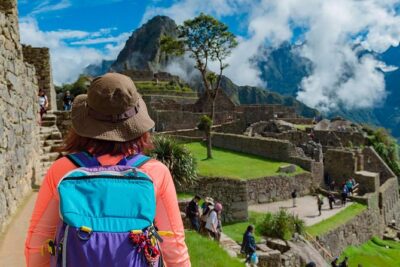 ★ 4.5Machu Picchu Day Trip from CuscoFrom $3361,644 reviews
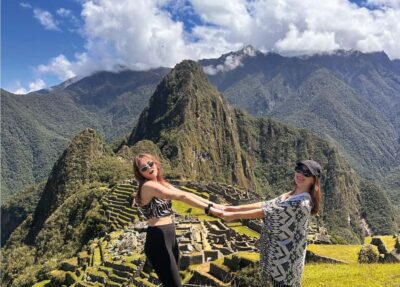 ★ 4.62-Day Trip to the Sacred Valley and Machu PicchuFrom $370265 reviews
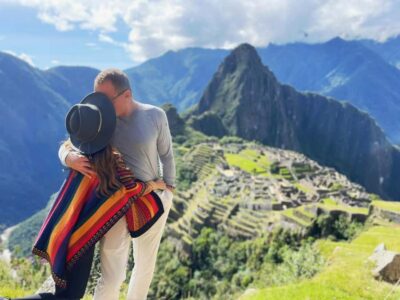 ★ 4.61-day Machu Picchu Tour by TrainFrom $360138 reviews
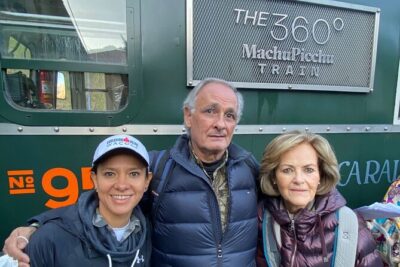 ★ 5.0Machupicchu 1 day tourFrom $353128 reviews
 ★ 5.0Machu Picchu full day trip from CuscoFrom $490102 reviews
 ★ 5.0Machu Picchu in 1 Day from CuscoFrom $44398 reviews
 ★ 4.6From Arequipa: Colca Canyon Day Trip with Transfer to PunoFrom $6590 reviews
 ★ 5.0Machu Picchu Day Trip from CuzcoFrom $38076 reviews
Browse the lists this tour appears in