
REVIEW · MACHU PICCHU & AGUAS CALIENTES TOURS
4 Days Inca Trail To Machu Picchu
A sunrise hike through ancient steps sounds intense. This 4-day Inca Trail route ends at Machu Picchu, with three camping nights plus guided time at the citadel and the Historic Sanctuary, starting with a very early Cusco pickup.
I love two things here right away. First, the food setup is taken care of with snacks, breakfasts, dinners, and lunches that guests describe as generous, including four-course style meals from chef Dante. Second, the group stays small (up to 15 travelers), so you feel like you’re moving as a team, not drifting with a giant crowd.
Here’s the main drawback to consider: this is a demanding trek. Day two climbs toward the highest point of the Inca Trail at about 13,779 feet and includes the Warmiwañiusca pass, and the camps are basic (think simple facilities, limited creature comforts, and no electricity). If you want plush and predictable, this won’t be that kind of trip.
Key things I’d plan around
- A 4:20 am hotel pickup means you’ll start fast, so don’t plan late nights in Cusco.
- Passport check at the km 82 checkpoint is a must, and it’s best to keep your passport easy to reach.
- High passes and long days (including Warmiwañiusca) make “moderate fitness” feel real.
- Camping is functional, not fancy, with tents for two and a foam mattress per person.
- Machu Picchu is guided first, then free time for photos and wandering at your own pace.
- Optional tips are on you for the guide, porters, and chef, even though everything else is organized.
Other ways into the citadel, side by side
- Machu Picchu Day Trip from Cusco★ 4.5 · 1,644 reviews
- Machu Picchu: Full-Day Tour from Cusco with Optional Lunch★ 4.6 · 927 reviews
- Cusco: 4-Day Inca Trail to Machu Picchu with Accommodation★ 4.8 · 432 reviews
- From Cusco: 2-Day Trip to the Sacred Valley and Machu Picchu★ 4.6 · 265 reviews
Price and what you’re really paying for
At $725.20 per person, this isn’t the cheapest way to reach Machu Picchu. But the value comes from how much is bundled into one package.
You get:
- Inca Trail and Machu Picchu entrance tickets (subject to availability)
- A guided Machu Picchu experience (2.5 hours) plus a guided Historic Sanctuary tour
- Round-trip style logistics like Cusco hotel pickup, transfers tied to the route, and train between Ollantaytambo and Aguas Calientes
- Tent camping for three nights with a foam mattress per person
- Meals are largely handled: snacks (3), breakfasts (3), dinners (3), and lunches (4)
That matters because the Inca Trail itself is heavily scheduled. When you’re dealing with permits, timed entry, and early starts, buying a “get you there” package often costs less stress than piecing everything together. For most people, paying extra for the full system makes the whole experience feel smoother, especially on the final day when Machu Picchu timing is tight.
Getting to the Inca Trail: Cusco pickup and the km 82 start
Day one begins around 4:20 am with hotel pickup in Cusco. From there, you travel until km 82, where there’s a checkpoint and you must show your passport. Only then do you start walking.
This early start is not just tradition. It’s practical:
- You avoid losing too much time to morning logistics.
- You get moving while the day still feels manageable.
- You build momentum early, which helps when the trail gets steeper later.
If you’re the type who likes to be ready early, you’ll love this. If you’re a “sleep in and sprint later” person, plan to adjust your rhythm before this trip.
Day-by-day: what happens on the trail and why each day matters
Day 1: km 82 to Patallacta, then Huayllabamba camp
After the passport checkpoint at km 82, you walk for about 2 hours until Patallacta. Here, you meet partners and porters, have lunch, and then keep going until Huayllabamba camp, where dinner is served and you overnight.
Why day one feels important:
- It’s your adjustment day. You’re still moving, but you’re not thrown into the toughest climb immediately.
- You get used to the rhythm of hiking in a group while someone else handles camp timing and meals.
What to watch for:
- Even on a “less intense” day, the high altitude can make normal effort feel harder.
- Camps are basic, so the goal is to rest, not to hang out in comfort.
Still weighing up the trail? More Inca Trail departures
Day 2: Warmiwañiusca, the big climb, then down to Pacaymayo
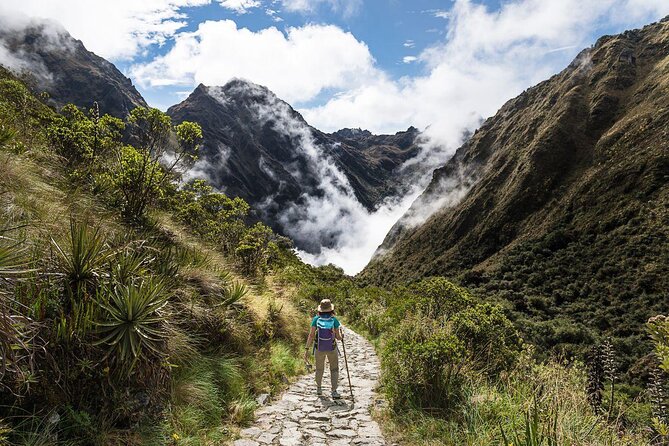
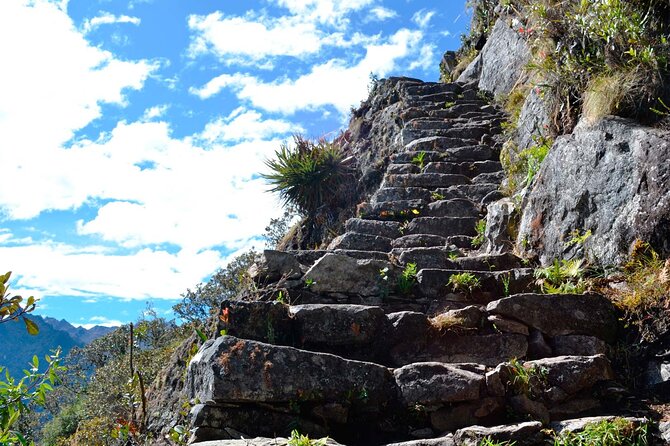
Day two is the heavy day. After breakfast, you start climbing toward the highest point of the Inca Trail, about 13,779 feet. Then you cross the pass called Warmiwañiusca, which means Dead Woman.
Once you reach the top, you get lunch. After that, you descend until Pacaymayo, where you have dinner and sleep.
This is the day where the trek earns its reputation. The benefit of structuring the day like this is clear: you do the big work, stop for food at the pass area, then spend the afternoon coming down. Going down can still be tough on your legs, but it’s a relief compared to the climb.
If you’re going to overthink one day, make it day two. Bring a realistic attitude. Expect slow sections. Expect effort. That’s how you protect the “reward” feeling for day four.
Day 3: Runcurakay, Chaquicocha, Phuyupatamarca, and Wiñaywayna
Day three starts with breakfast and then includes about 15 kilometers of walking. You pass Runcurakay and Chaquicocha, then have lunch at Chaquicocha.
After lunch, you continue to Phuyupatamarca, which means City above the clouds. Finally, you reach Wiñaywayna, where you have dinner and overnight at the camp.
Why this day stands out:
- You see a sequence of Inca sites along the route, so the day feels like more than just hiking.
- Phuyupatamarca brings a strong “this is why I’m here” moment, because it’s described as above the clouds, and the name alone hints at the atmosphere.
What’s tricky:
- After two days already, day three often feels longer than the numbers suggest.
- This is also a day where weather and altitude can make you feel less steady, even if your pace is fine.
Day 4: Sun Gate, Machu Picchu guided time, Aguas Calientes lunch, then train
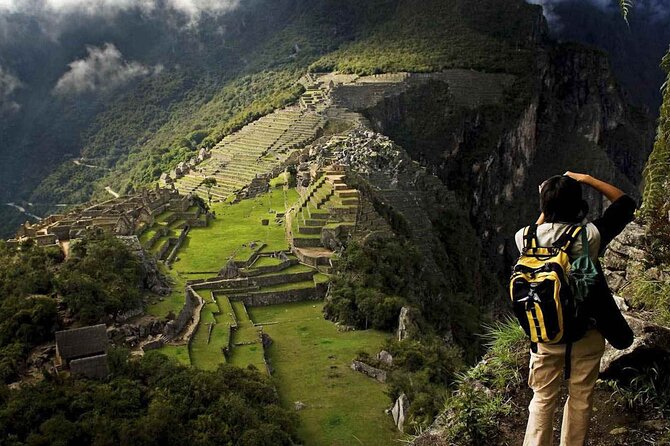
The big finish starts with walking and passing Inti Punku, the Sun Gate. This is your entrance into the Machu Picchu citadel area, at about 7,970 feet. Here you show your entry ticket and start a guided tour lasting 2 hours 30 minutes.
After the guided portion, you get free time to explore and take photos.
Then you go to the Historic Sanctuary of Machu Picchu for another guided tour, followed by more free time for photos and exploring at your own pace.
Finally, you return to Aguas Calientes for lunch, then head to the train station. You board a train to Ollantaytambo, where a representative meets you with a sign and transports you back to Cusco for hotel drop-off.
What I like about the pacing:
- You get the guided interpretation first, so you understand what you’re looking at.
- Then you get time for photos without feeling stuck listening the whole time.
Potential consideration:
- Day four includes multiple timed components, so you should plan to be flexible and ready to move when the group moves. Machu Picchu rewards calm, not rushing.
Machu Picchu tours: guided first, then your time for photos
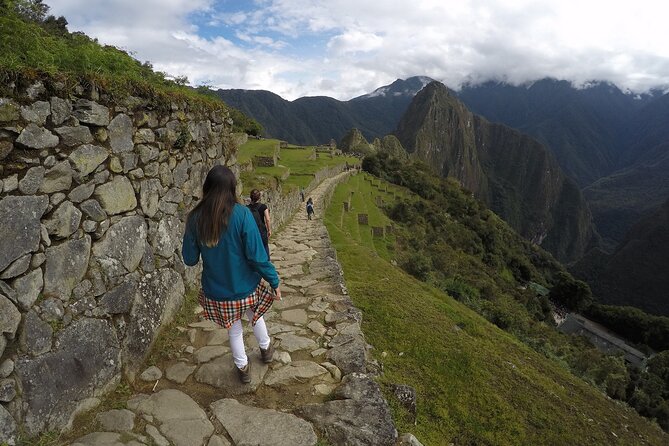
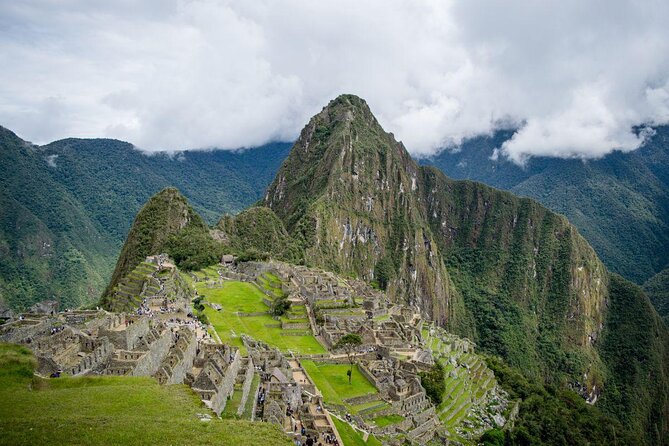
Machu Picchu here isn’t just a “walk around and figure it out” experience. You get a 2.5-hour guided tour right after entering through Sun Gate, then you also have a guided Historic Sanctuary segment.
That matters because Machu Picchu is easy to romanticize and harder to understand. Guided time gives you context so you can look at architecture and layout with meaning, then your free time becomes a choice instead of guesswork.
Also, you’re not stuck in one spot. You have structured learning, then space to wander, take photos, and focus on what catches your eye.
If you’re a photo person, the free time windows are the moments to slow down. If you’re more history-and-details driven, lean into the guided portions and let your questions be ready.
Camping reality: tents, foam mattresses, and basic facilities
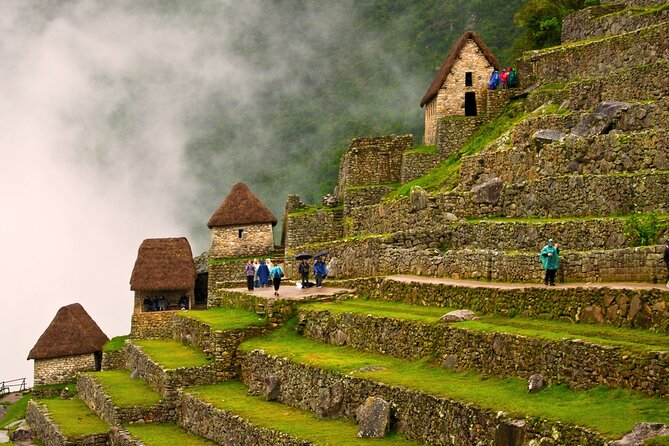
This trip includes a tent for two travelers plus a foam mattress per person for three nights.
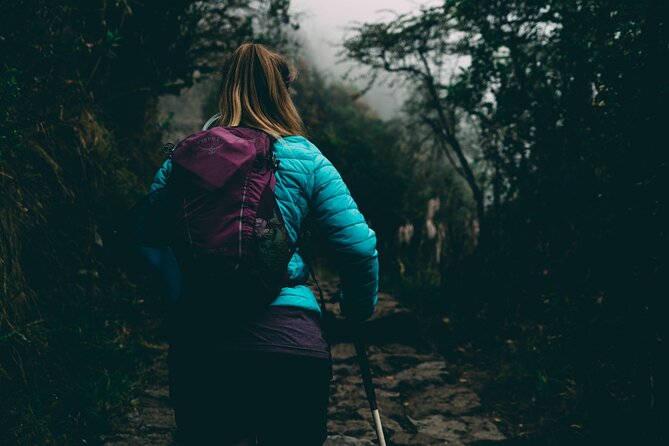
That setup is practical, and most people do fine once they accept what camping on the Inca Trail is. Guests talk about basic camps and facilities like bathrooms and showers, and they mention there’s no electricity at the camp level. Think simple shelter and recovery time, not comfort amenities.
My advice:
- If you don’t already own hiking gear, plan for the basics you might need. Sleeping bag and walking sticks aren’t included, though they can be rented from the operator.
- Bring a sleep mindset. You’re sleeping high, tired, and ready for rest, not turning your camp into a lounge.
Transfers, train, and the Aguas Calientes rhythm
The package uses train and bus connections to handle the end of the route:
- Train Ollantaytambo to Aguas Calientes is included
- Bus between Aguas Calientes and Machu Picchu is included
- After Machu Picchu day, you do lunch in Aguas Calientes, then train back to Ollantaytambo and transfer to Cusco
This is a big quality-of-life point. It means you’re not trying to coordinate day four transport on your own, at a time when timing is everything.
Also, after you finish Machu Picchu, you’re not instantly dropped back into Cusco chaos. The representative meets you at Ollantaytambo with a sign and handles the return.
If you can add extra time in the region, some people like staying an additional day in Aguas Calientes so Machu Picchu feels less like a sprint and more like a day you can repeat with calmer energy. That’s not required by the tour itself, but it’s a smart option if you like breathing room.
Guides, chefs, and why the small details matter
The experience is built around a team: guide, porters, and chef. Reviews praise guides for being positive and speaking fluent English, and there are specific shout-outs to:
- Chef Dante, described as preparing four-course restaurant quality meals for lunches and dinners
- Guides such as Julio and Marcial for attentiveness and kindness
- A guide named Alexsandro who shared tips and helped make the Cusco experience smoother too
Even if the exact people differ with your departure date, the pattern is consistent: you’re not just buying the trail, you’re buying a trained support system that keeps you fed, moving, and informed.
And food quality is not a minor detail on a hard hike. When you’re working at altitude, strong meals can be the difference between feeling drained and feeling capable.
Who should book this 4-day Inca Trail to Machu Picchu?
This tour fits best if:
- You have moderate physical fitness
- You want the classic Inca Trail finish, with Machu Picchu as the payoff
- You like being part of a small group rather than a huge line of hikers
- You prefer having meals and gear basics handled (tent, foam mattress, and most meals are included)
You might want to think twice if:
- You need lots of comfort. Camping is basic and there’s limited electricity.
- You hate early mornings. Pickup is around 4:20 am on day one.
- You expect the toughest day to feel easy. Day two has a real climb and a high pass.
Should you book this Inca Trail to Machu Picchu tour?
If you want the full classic experience, I’d book it. The package is strong on the things that make the Inca Trail work: organized timing, porters and kitchen support, a meal plan that keeps energy up, and guided Machu Picchu time that helps you understand what you’re seeing.
Two smart cautions before you say yes:
- Train for the kind of climbs that include long stair efforts and a high pass, especially Warmiwañiusca.
- Accept that camping is basic. The value is the trek and the trail team, not hotel comfort.
One more practical note: Inca-related add-ons can require extra planning. If you’re thinking about climbing Huayna Picchu or adding a separate mountain viewpoint, one common strategy is reserving well ahead, with some advice pointing to roughly four months earlier.
FAQ
What time is the hotel pickup for day 1?
Pickup is scheduled around 4:20 am from your hotel in Cusco.
What fitness level do I need?
The tour is suitable for travelers with moderate physical fitness.
How many meals are included?
Snacks are included for 3 days, with 3 breakfasts, 3 dinners, and 4 lunches included.
What sleeping setup is provided?
You’ll have a tent for two travelers and a foam mattress per person.
Are sleeping bag and walking sticks included?
No. Sleeping bag and walking sticks are not included, but they can be rented from the operator.
Can I cancel for a full refund?
Yes. You can cancel up to 24 hours in advance for a full refund.
If you cancel less than 24 hours before the experience starts, the amount you paid is not refunded.
More Tour Reviews in Cusco
- Cusco: Humantay Lake Tour with Breakfast and Buffet Lunch
★ 4.9 · 2,976 reviews - From Cusco: Moray, Maras Salt Mines & Chinchero Weavers Tour
★ 4.8 · 1,925 reviews - From Cusco: Full-Day Group Tour of Machu Picchu
★ 4.7 · 1,767 reviews - Machu Picchu Day Trip from Cusco
★ 4.5 · 1,644 reviews - Cusco: Half-Day City Tour with Sacsayhuaman and Q’enco
★ 4.6 · 1,129 reviews
Other Inca Trail Departures
- Cusco: 4-Day Inca Trail to Machu Picchu with Accommodation
★ 4.8 · 432 reviews - Cusco: Machu Picchu 2-Day Inca Trail with Panoramic Train
★ 4.9 · 260 reviews - From Cusco: 2-Day Inca Trail to Machu Picchu
★ 4.2 · 244 reviews - Machu Picchu: Inca Trail 2-Day Overnight Guided Tour
★ 4.9 · 203 reviews - Short Inca trail to MachuPicchu || 2days – 1nigth ||
★ 5.0 · 103 reviews
Machu Picchu, Three More Ways
- From Cusco: Full-Day Group Tour of Machu Picchu
★ 4.7 · 1,767 reviews - Machu Picchu Day Trip from Cusco
★ 4.5 · 1,644 reviews - Machu Picchu: Full-Day Tour from Cusco with Optional Lunch
★ 4.6 · 927 reviews - Cusco: 4-Day Inca Trail to Machu Picchu with Accommodation
★ 4.8 · 432 reviews - From Cusco: 2-Day Trip to the Sacred Valley and Machu Picchu
★ 4.6 · 265 reviews
Fresh in from Cusco

Machu Picchu & Aguas Calientes Tours, compared.
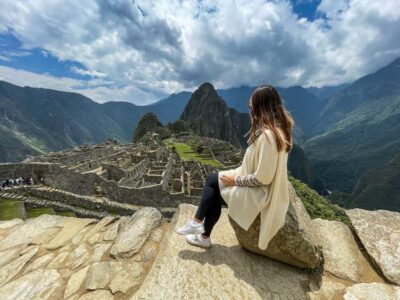 ★ 4.7Full-Day Group Tour of Machu PicchuFrom $3211,767 reviews
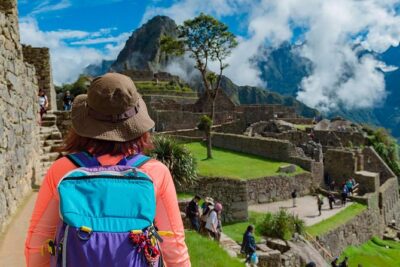 ★ 4.5Machu Picchu Day Trip from CuscoFrom $3361,644 reviews
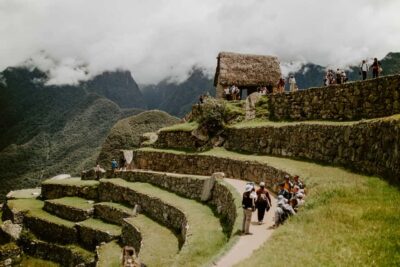 ★ 4.6Machu Picchu: Full-Day Tour from Cusco with Optional LunchFrom $283927 reviews
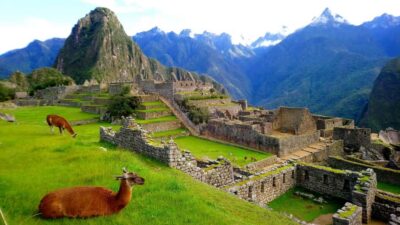 ★ 4.84-Day Inca Trail to Machu Picchu with AccommodationFrom $470432 reviews
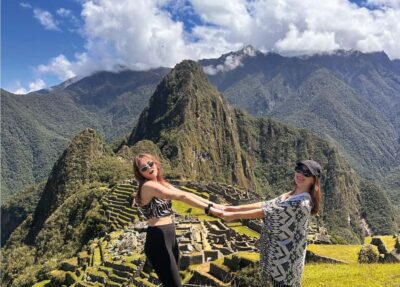 ★ 4.62-Day Trip to the Sacred Valley and Machu PicchuFrom $370265 reviews
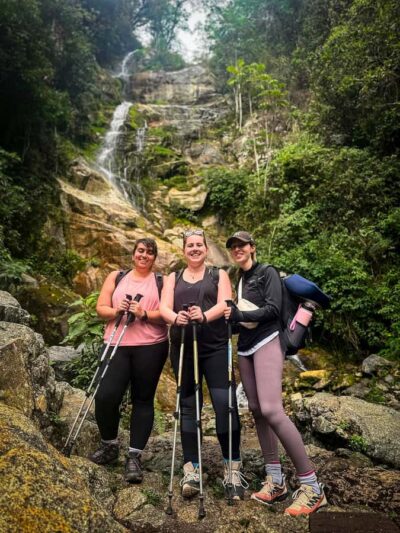 ★ 4.9Machu Picchu 2-Day Inca Trail with Panoramic TrainFrom $582260 reviews
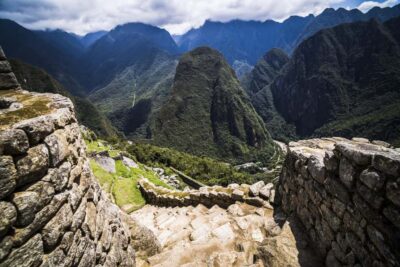 ★ 4.22-Day Inca Trail to Machu PicchuFrom $290244 reviews
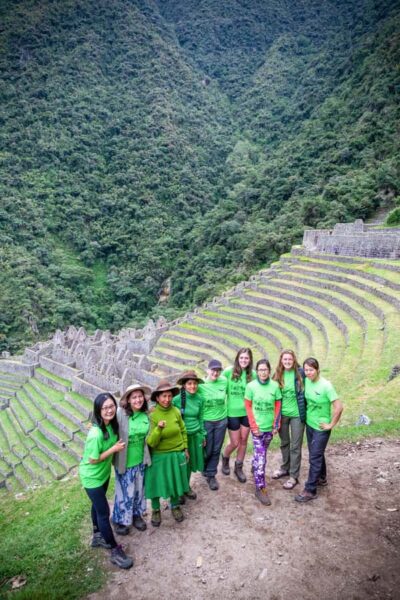 ★ 4.9Machu Picchu: Inca Trail 2-Day Overnight Guided TourFrom $585203 reviews
Browse the lists this tour appears in