
REVIEW · MACHU PICCHU & AGUAS CALIENTES TOURS
4-Day Lares Trek to Machu Picchu
Machu Picchu, minus the crush. This 4-day Lares Trek is a rugged, calmer way to reach the Inca citadel, with small communities and big-altitude passes. You also get a Machu Picchu morning plan that helps you see the site before the biggest surge.
I love that the trek leans into the real Andes, with Quechua villages and the kind of moments you only get when you are not stuck on the main tourist paths. I also like the way the day-by-day route mixes effort with payoff, like the high pass views and the stop for Yanacocha (Black Water Lake).
One consideration: the route goes high. You’ll reach passes near 14,000 feet (4,400m) and the start times are early, so strong pacing matters.
Quick highlights that actually matter
- Less-crowded Lares trail with serenity most days
- Nearly 14,000-foot high passes for big views and real altitude challenge
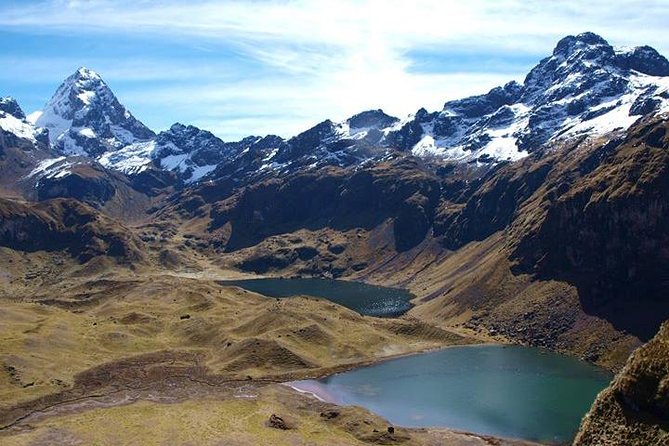
- Yanacocha (Black Water Lake) stop, dark water that reflects the sky
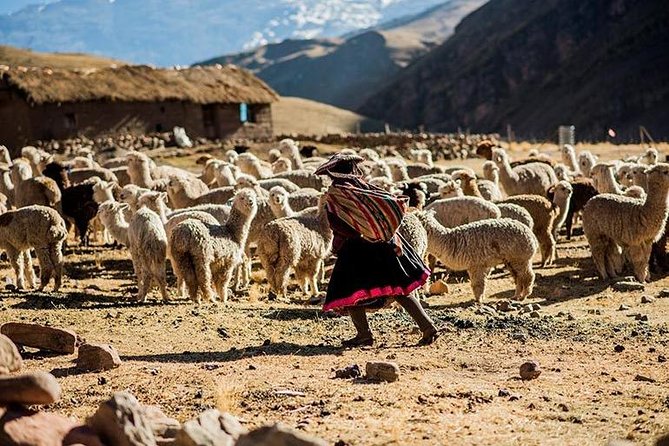
- A home visit in Cuncani plus time browsing alpaca textiles
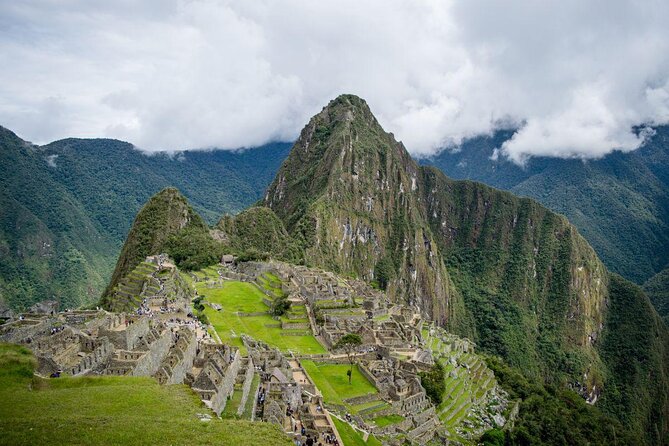
- Machu Picchu early morning with both a guided tour and solo wandering time
Other ways into the citadel, side by side
- Machu Picchu Day Trip from Cusco★ 4.5 · 1,644 reviews
- Machu Picchu: Full-Day Tour from Cusco with Optional Lunch★ 4.6 · 927 reviews
- Cusco: 4-Day Inca Trail to Machu Picchu with Accommodation★ 4.8 · 432 reviews
- From Cusco: 2-Day Trip to the Sacred Valley and Machu Picchu★ 4.6 · 265 reviews
Lares Trek to Machu Picchu: Why this route feels different
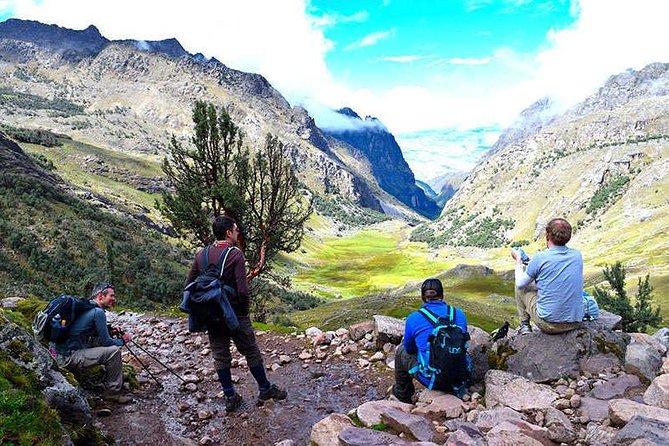
Most Machu Picchu trips drop you into a crowded machine. The Lares trek is different because your day is measured in altitude, dirt, and conversation with people living nearby. You spend real time walking past high valleys and small Quechua communities. It feels more like a journey than a sightseeing package.
The route also gives you a more gradual emotional build. Day by day, the Andes get wilder and the scenery gets bigger. Then Machu Picchu arrives in the morning, with the guided tour leading you through temples, terraces, and ceremonial zones, and then you get time to wander on your own.
Small group size helps a lot. This tour caps at 15 travelers, and there is a bilingual professional guide plus an assistant guide for larger groups. That matters on a trek, because altitude makes pace and planning more important than “how fast can we go?”
Day 1: Cusco pickup, Sacred Valley drive, and Pumahuanca’s first ascent
You start early, with pickup from your hotel in Cusco at around 5:00 am. Cusco sits at 3,399m (11,152 ft.), and then you ride toward the trek start at Pumahuanca (2,950m / 9,678 ft.). That transport through the Sacred Valley is not wasted time. It sets your eyes on the mountains, village life, and the Inca story lines that show up again and again on this route.
Then comes your first hike: about 14 km (8.7 mi) with a climb of roughly 1,150 m (3,773 ft.). This is the first “real work” day. You’ll hike through a valley with native forests and streams, which is a nice change of pace once you start feeling the altitude.
You also visit the Inca site of Pumahuanca, where your guide explains local history along with plants and birdlife. This is one of those stops that can feel quick on a crowded schedule, but on a trek it lands better. You get context for what you are seeing, not just a quick photo stop.
Practical takeaway for day 1: keep your effort controlled. That first ascent is long, and the goal is to arrive at camp steady, not wrecked. If you’re the type who sprints early because you feel good at the start, this is the day to resist that instinct.
Day 2: Puyoc to Cuncani, the high pass, and Yanacocha’s dark mirror
Day 2 is the “high views” day. You camp at Puyoc and then hike about 13 km (8 mi) toward Cuncani (3,900m / 12,795 ft.). Terrain is described as mostly downhill after the big climb, which helps you keep moving even after the day’s main effort.
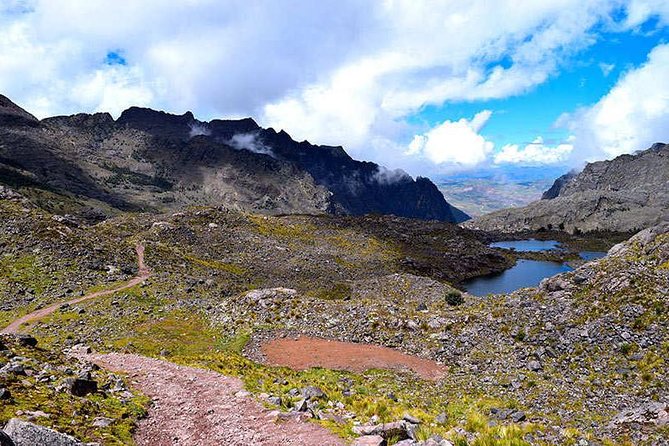
The day begins with a two-hour climb to the highest pass of the trek. That climb is where your body pays attention. You’ll likely feel breath and legs more than you feel enthusiasm. The reward, though, is the kind of panorama that makes every slow step worth it.
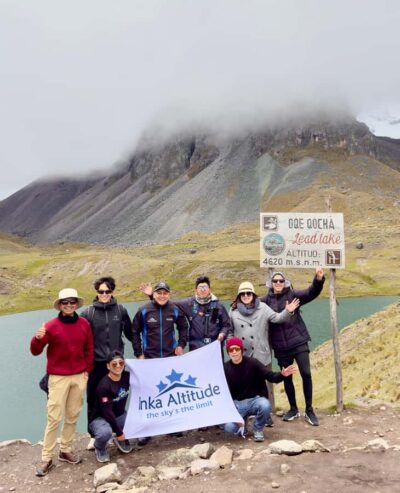
As you come down, you pass mountain lakes, including Yanacocha (Black Water Lake). The name says it all. The water can look dark and mirror-like, reflecting the sky with a dramatic tone that feels different from the bright turquoise images people expect.
And then you transition toward a cultural shift from the earlier day. Day 1 gives you the wild valley feel. Day 2 adds that sense of human presence, remote but alive, with you arriving in a higher community setting.
Tip: on days like this, your best tool is your breathing. Short steps, steady pace, no sudden surges. If your group moves too fast, tell your guide early. Strong treks are built on staying in your rhythm.
Day 3: Cuncani family visit, alpaca textiles, and Lares hot springs
If you want the Lares trek to feel meaningful beyond the photos, day 3 is where it happens. After an early wake-up, you visit a local home near Cuncani. The experience focuses on meeting an Andean family and learning about their traditions through conversation and shared time.
This is not framed as a performance. It’s more about exchange. The visit includes small opportunities to give small gifts and browse handwoven alpaca textiles known for their quality and craftsmanship. You might even hear yourself trying a few Quechua phrases, and the setting makes it feel natural rather than forced.
Then you move on from Cuncani (3,900m / 12,795 ft.) with about a 6 km (3.7 mi) descent toward Lares hot springs (3,150m / 10,334 ft.). The trail passes quinoa and tarwi fields, and the walking shifts from steep focus to “relax and notice” mode.
Hot springs are the payoff. After the trekking effort, you get time to soak in the natural heat. It’s a practical recovery moment, not just a fun add-on. Your legs cool down, your body resets, and you go into the final transition with better energy.
More trails out of Cusco
Day 4: Machu Picchu morning, guided tour first, then your own time
Day 4 starts with breakfast, then you board a morning bus to Machu Picchu (2,430m / 7,972 ft.). The early timing matters. You’re trying to beat the biggest crowd wave, and it changes your experience of the site. The stones feel quieter. Your photos look less like a traffic jam.
Once you enter, you get an in-depth guided tour. Your guide points out and explains key features like temples, ceremonial areas, terraces, and storage structures. If you only wander without context, you can still enjoy Machu Picchu, but you miss how the whole complex “reads” as a planned living and sacred space.
After the guided portion, the group returns to Aguas Calientes. The structure also allows for optional add-on views if you have tickets in advance. If you secured an extra ticket, you can explore Huayna Picchu (2,720m / 8,924 ft.) or Machu Picchu Mountain (3,082m / 10,111 ft.) for a higher-angle perspective.
If you are deciding on that optional mountain ticket, think about your energy. The trek days are physically demanding, and the day after altitude is not the day to gamble on a tough hike if you feel shaky. If you do go, you’ll get a higher viewpoint that changes how you understand the site’s placement.
Ollantaytambo’s terraces: the Sacred Valley link you may catch
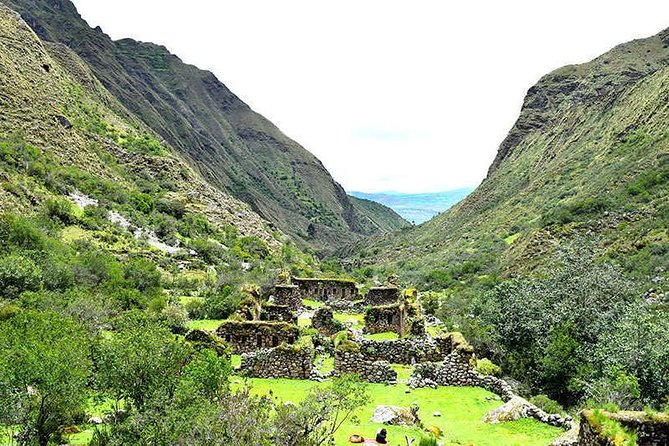
One of the promised thrills of this trip is the chance to visit Ollantaytambo, known for ancient agricultural terraces used by the Incas. In practical terms, this matters because it connects the trek story to the bigger Inca landscape you’re about to enter.
Ollantaytambo is not just a pretty stop. It shows how Inca engineering worked with mountain conditions. If your schedule includes it, treat it like a learning moment, not a speed bump. Watch how the terraces shape water flow and make farming possible on steep slopes. That understanding makes Machu Picchu’s structure feel less mysterious and more logical.
Getting from the trek to Aguas Calientes to Machu Picchu
A lot of Machu Picchu trips treat the city of Aguas Calientes like a sad holding pen. Here, it’s a reset step. You take the train to Aguas Calientes, then you sleep in a hotel on day 3. That night matters because it turns the final day from “survival mode” into “enjoy mode.”
The tour also includes return transportation by train and bus to Cusco, plus round-trip bus between Aguas Calientes and Machu Picchu. That’s not glamorous, but it’s valuable. It reduces the stress of coordinating schedules after four days of walking, especially when altitude makes everything feel more time-sensitive.
The hotel night plus a planned morning departure is how you keep Machu Picchu from becoming only exhausting. If you have ever felt rushed arriving late, you’ll appreciate this rhythm.
Price and value: is $656.42 a smart deal?
At $656.42 per person, the key question is what is included that you would otherwise pay for separately. This package covers a lot of the “hard to assemble” pieces.
Included items you should count as real value:
- Professional bilingual guide, and an assistant guide when groups are larger
- Chef and a full camp setup (including a dining tent with tables and chairs)
- Mules that carry cooking and camping equipment plus up to 7 kg of your personal items
- Hotel in Aguas Calientes on day 3
- Entrance fees (with the big exception that Huayna Picchu is not included)
- Train and buses for getting back to Cusco, plus the round-trip bus to Machu Picchu
- All meals for the trek duration in the sense of 3 breakfasts, 3 lunches, and 3 dinners, plus 3 afternoon snacks, while breakfast on day 1 and lunch on day 4 are not included
- Comfort and safety extras like Thermarest inflatable sleeping mattresses, an oxygen bottle, and a first aid kit
What you should budget outside the package:
- A sleeping bag (available to hire)
- Tips
- Travel insurance, strongly recommended
- Optional Huayna Picchu or Machu Picchu Mountain tickets
Also, the itinerary is four days. That’s tight, but it’s also efficient. You are not paying for extra days of transportation and hotel time, yet you still get the essential Machu Picchu access plan plus the Lares route experience. If you were trying to build this yourself, coordinating guides, camp logistics, and train and bus timing would quickly eat up any savings.
So for most people, this price looks fair, mainly because it handles coordination plus camp life plus the Machu Picchu day.
What the camping comfort actually looks like
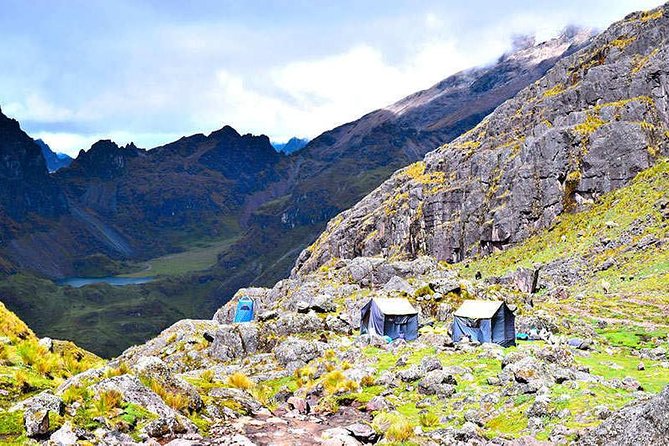
You’re going to sleep at altitude camps, so it helps to know what comfort means here. You get inflatable sleeping mattresses (Thermarest) and tents described as 4 man tents for every 2 trekkers, which usually translates to extra space for gear. You will also have camp staff managing the cooking and general setup.
Water is also handled, but not the full way. Water is excluded during the first four hours of the trek, so plan to bring what you need at the start of each day’s hike.
Safety support includes an oxygen bottle and a first aid kit. That doesn’t mean you should treat altitude lightly. It means the operators prepared for the common problems that show up on high routes.
Packing for Lares: your “don’t be miserable” checklist
The tour gives you a strong list of what to bring, and I agree with the priorities. This is what keeps you warm, dry, and able to move:
- Walking boots (broken in)
- Waterproof jacket or rain poncho
- Warm jacket
- Hat and gloves
- Sunscreen factor 35 or higher
- Insect repellent
- Toiletries and hand sanitizer
- Personal medication
- Torch with spare batteries
- Camera gear you actually plan to use, not just carry
Layering is key because mornings at high altitude can feel cold fast, then your body warms up once you start climbing. Also, sunglasses can be a lifesaver even when it’s not bright blue day weather.
And yes, you will likely be grateful you packed the warm stuff when you stop moving and the air settles in.
Who should book this trek, and who should rethink it
This trek is built for people with strong physical fitness. You’re hiking multiple days with a serious climb early on and a day that includes a pass near 14,000 feet (4,400m). If you’ve struggled with altitude before, take that seriously and talk to your guide about pacing before you set off.
This tour may be a great fit for you if:
- You want Machu Picchu without losing four days to crowds
- You like the idea of small village encounters and not just stones and selfies
- You want a route that feels more rugged and human-scale
It may not be the best fit if:
- You know you cannot handle sustained altitude effort
- You want a purely easy walk with minimal physical challenge
- You hate early starts. This one begins around 5:00 am
One more note from a guide support perspective: altitude can make people anxious, and having a guide who stays calm and supportive makes a big difference. I saw one case involving a guide named Edgar, remembered for encouraging a walker who struggled at height. It’s a good reminder to choose a company where the guiding culture is about teamwork, not just speed.
Should you book the 4-Day Lares Trek to Machu Picchu?
Yes, if you want a Machu Picchu visit that feels earned and if you care about the journey between Cusco and the citadel as much as the destination. The value is strong because the package covers guide support, camp operations, meals, key transport pieces, and Machu Picchu access timing. The group size also keeps the experience from turning into a moving crowd.
I’d only tell you to pause if altitude is already a problem for you, or if you’re not ready for early mornings and high-pass hiking. If that’s you, consider acclimation time first, or choose an easier route.
If you do book, go in with respect for the altitude, pack warm layers, and commit to a steady pace. Lares rewards that mindset.
FAQ
What time does the pickup and trek start?
The start time listed is 5:00 am, with hotel pickup in Cusco.
How many people are in the group?
The tour has a maximum of 15 travelers.
What kind of guides do you get?
You get a professional bilingual tour guide. For groups of 9+, there is also an assistant tour guide.
Which meals are included, and what is not?
The tour includes 3 breakfasts, 3 lunches, and 3 dinners, plus 3 afternoon snacks. Breakfast on Day 1 and lunch on Day 4 are not included.
Is a sleeping bag included?
No. You get an inflatable sleeping mattress (Thermarest), but you’ll need a sleeping bag, which can be hired from the provider.
Are Huayna Picchu and Machu Picchu Mountain included?
Entrance to Huayna Picchu is not included. You can also explore either Huayna Picchu or Machu Picchu Mountain only if you have the additional ticket arranged in advance.
Do I get water during the trek?
Water is included, but it is excluded during the first 4 hours of the trek, so you need to bring water for that stretch.
Can I request vegetarian meals?
Yes, vegetarian meals are available. You should confirm dietary needs at booking so the cook can arrange it.
What do I need to bring for check-in?
You’ll need your original passport. If you’re a student and want a discount, bring an ISIC card.
Is there any altitude or emergency support?
Yes. The package includes an oxygen bottle and a first aid kit. You should still plan for altitude by pacing yourself.
More Trails Out of Cusco
- From Cusco: 7 Lakes Ausangate Trek with Breakfast and Lunch
★ 4.8 · 360 reviews - Cusco: Rainbow Mountain Tour and Red Valley Hike (Optional)
★ 4.7 · 149 reviews - Cusco: Full-Day Rainbow Mountain & Red Valley Trekking Tour
★ 4.5 · 121 reviews - Salkantay Trek Challenge – 3 Days / 2 Nights
★ 5.0 · 101 reviews - From Cusco: Rainbow Mountain Trek
★ 4.5 · 98 reviews
More Tour Reviews in Cusco
- Cusco: Humantay Lake Tour with Breakfast and Buffet Lunch
★ 4.9 · 2,976 reviews - From Cusco: Moray, Maras Salt Mines & Chinchero Weavers Tour
★ 4.8 · 1,925 reviews - From Cusco: Full-Day Group Tour of Machu Picchu
★ 4.7 · 1,767 reviews - Machu Picchu Day Trip from Cusco
★ 4.5 · 1,644 reviews - Cusco: Half-Day City Tour with Sacsayhuaman and Q’enco
★ 4.6 · 1,129 reviews
Machu Picchu, Three More Ways
- From Cusco: Full-Day Group Tour of Machu Picchu
★ 4.7 · 1,767 reviews - Machu Picchu Day Trip from Cusco
★ 4.5 · 1,644 reviews - Machu Picchu: Full-Day Tour from Cusco with Optional Lunch
★ 4.6 · 927 reviews - Cusco: 4-Day Inca Trail to Machu Picchu with Accommodation
★ 4.8 · 432 reviews - From Cusco: 2-Day Trip to the Sacred Valley and Machu Picchu
★ 4.6 · 265 reviews
Fresh in from Cusco

Machu Picchu & Aguas Calientes Tours, compared.
 ★ 4.7Full-Day Group Tour of Machu PicchuFrom $3211,767 reviews
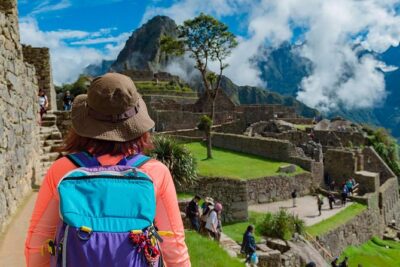 ★ 4.5Machu Picchu Day Trip from CuscoFrom $3361,644 reviews
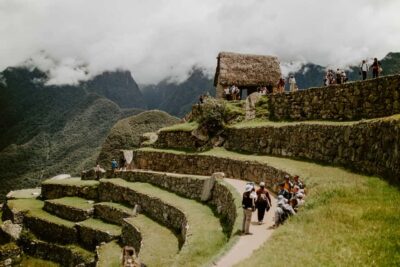 ★ 4.6Machu Picchu: Full-Day Tour from Cusco with Optional LunchFrom $283927 reviews
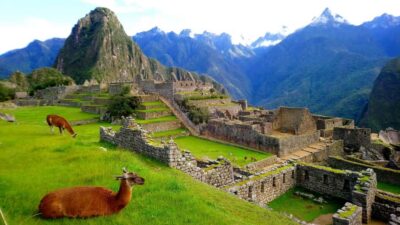 ★ 4.84-Day Inca Trail to Machu Picchu with AccommodationFrom $470432 reviews
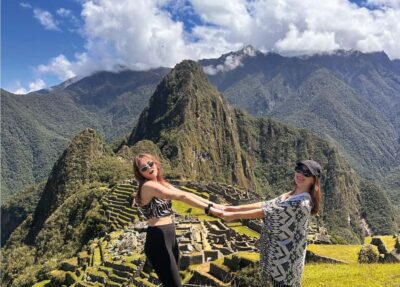 ★ 4.62-Day Trip to the Sacred Valley and Machu PicchuFrom $370265 reviews
 ★ 4.9Machu Picchu 2-Day Inca Trail with Panoramic TrainFrom $582260 reviews
 ★ 4.22-Day Inca Trail to Machu PicchuFrom $290244 reviews
 ★ 4.9Machu Picchu: Inca Trail 2-Day Overnight Guided TourFrom $585203 reviews
Browse the lists this tour appears in