
REVIEW · MACHU PICCHU & AGUAS CALIENTES TOURS
4 Day Inca Trail To Machu Picchu – Private Service
Inca Trail feels personal with private support. This 4-day private service from Cusco puts you on the classic Inca route to Machu Picchu with a guide who keeps close track of your pace, plus camping gear and most meals handled in advance. It also means you get undivided attention on the trail, plus time to ask questions and get real context for what you are seeing.
The main consideration is altitude and effort. Day 2 pushes up to Abra de Warrmihuañusca, also called Dead Woman’s Pass, at about 4,200 m, and you will feel it in your legs even if you train.
You should also be ready for pre-dawn timing, including an early run to Intipunku, the Sun Gate, for your first view of Machu Picchu. In the past, guides such as Victor, Nico, Rene, Guido, and Guillermo have earned repeat praise for staying calm, explaining clearly, and keeping hikers moving at a sensible pace.
Key highlights you should know before you go
- Private service on a limited-access trek, so your group stays the focus
- Full camping setup with tents, foam mattresses, and a dining tent with tables
- On-trail meals cooked onsite, plus boiled drinking water after the first morning
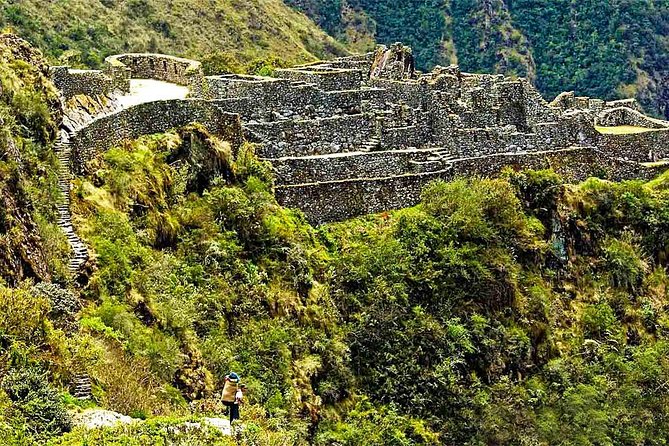
- Classic Inca landmarks like Huillca Raccay, Patallacta, Dead Woman’s Pass, Phuyupatamarca, and Intipata
- Sun Gate timing so you see Machu Picchu when it feels most dramatic
- Huayna Picchu is optional, but ticket timing can affect your Machu Picchu guided tour
Other ways into the citadel, side by side
- Machu Picchu Day Trip from Cusco★ 4.5 · 1,644 reviews
- Machu Picchu: Full-Day Tour from Cusco with Optional Lunch★ 4.6 · 927 reviews
- Cusco: 4-Day Inca Trail to Machu Picchu with Accommodation★ 4.8 · 432 reviews
- From Cusco: 2-Day Trip to the Sacred Valley and Machu Picchu★ 4.6 · 265 reviews
Cusco at 4:00 am, then the Inca Trail starts fast
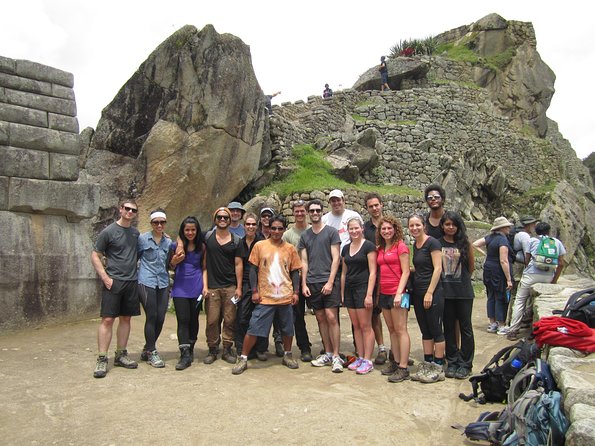
This trek begins with an early start that helps you beat the worst of the day’s crowds and heat. You meet at your hotel area around 04h30, and the start time is listed as 4:00 am. From there, you head toward the trail access point, where you will show passport and tickets at the control area.
You begin at about 2,720 m and cross the Vilcanota River, then step into the Andes along the Inca route. The first stretch is a good reality check. It is not just scenic walking, it is an actual entry into high-altitude trails where breathing feels different.
What private service changes on the Inca Trail
Private service is not just marketing fluff here. Your guide works with your group directly, so you get quicker answers, more attention on timing, and less waiting around in a larger crowd. That matters most when the trail turns steep or when you pause for viewpoints and Inca ruins.
A second bonus is support logistics. Your porters carry cooking and camping equipment, and there is also a personal porter to carry up to 7 kg of your personal effects. Practically, it means you can pack a day bag for what you need and leave the heavy stuff to the team.
If your group size is 9 or more, the plan includes an assistant tour guide. Even in smaller groups, the structure is built around keeping you moving as a unit instead of blending into a big group rhythm.
Day 1: Piscacucho control point, cloud forest, Wayllabamba camp
Day 1 starts with the check-in moment at Piscacucho. This is when limited access becomes real. Use restrooms, apply sunscreen, and put on insect repellent before you step off, because the trail soon gets busy with elevation and fewer chances to stop.
Once you are moving, you head across the Vilcanota River to begin the main hike. The path climbs into cloud forest territory, and along the way you catch views tied to specific Inca sites. You will look out toward Huillca Raccay, an Inca fortress, and the large site of Patallacta.
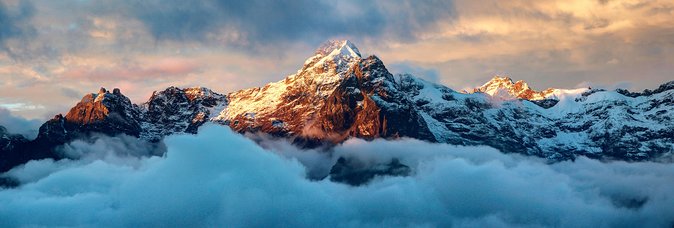
One of my favorite altitude-details from the route is the mountain horizon. You get a view of the Urubamba mountain range and even snow-capped W’akay Willca, known in the plan as Veronica at 5,860 m. It is the kind of moment that makes you understand why this route was sacred to the Incas.
By late afternoon you camp near the village of Wayllabamba at about 3,000 m. Night temperatures are listed around 5°C depending on the month, so it is cold enough that you will feel the difference when you stop moving. Expect about 7 hours of walking time on day 1.
Day 2: Dead Woman’s Pass at 4,200 m and the birds of Pacaymayu
Day 2 is where the trail’s personality gets serious. After breakfast made by the cooks, you head out around 5:30 am. You climb for hours, and the plan frames the ascent as part of the sacred pilgrimage route tied to the apus, the mountains or protective spirits of the Andes.
The big moment is Abra de Warrmihuañusca, Dead Woman’s Pass, at about 4,200 m. Even if you are used to hiking, this is a tough altitude checkpoint because the climb is steep and the air is thin.
Then comes a classic Inca Trail rhythm: rest, descend, and keep going. Your lunch stop is Pacaymayu at about 3,550 m. The route notes hummingbirds and multiple native bird species around this zone, so if you like wildlife moments, this is a good day to slow down for a minute and scan the edges of the path.
You also pass through a cloud forest zone where Polylepis trees grow, and the plan calls out that these trees are located at about 3,650 m. After lunch, you take another steep climb for about 2 hours to reach Runkurakay pass near 4,000 m, then set up camp by around 5 pm.
Night temperatures at this campsite are listed around 4°C. That is cold enough that your body feels stiff in the morning, so plan to keep your routine simple and focused.
Still weighing up the trail? More Inca Trail departures
Day 3: Phuyupatamarca, Intipata steps, and Wiñay Wayna’s Forever Young feel
Day 3 is shorter in distance but still demanding. The plan lists about 10 km and around 5 hours of walking. After breakfast, you start with a gentle climb toward Phuyupatamarca, meaning Town in the Clouds, at about 3,680 m, noted as the third highest point on the trail.
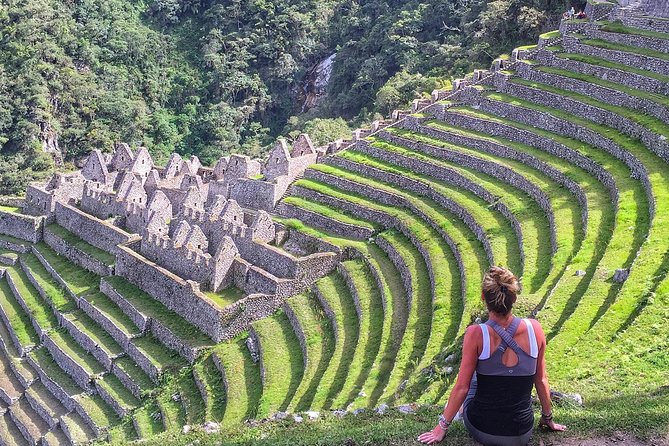
From here, you get big views of mountains and canyons, and it is also a day that blends archaeology and agriculture. The route then connects you to Intipata, an agricultural Inca site. You will walk roughly 3,000 steps through cloud forest, which is less about speed and more about steady effort.
Later, you reach Wiñay Wayna camp at about 2,680 m (about 8,792 ft). You should arrive by lunchtime after roughly 4 to 5 hours of hiking. Wiñay Wayna is close to the Inca site of the same name, and this stop is described as a must to visit.
That area tends to feel special because it is both lived-in and spiritual in the way the terraces and stonework relate to the mountain. If you have been saving your energy for the final morning, this is still a good day to show up curious and take your time with the details.
Day 4: Intipunku before sunrise, then about 3 hours at Machu Picchu
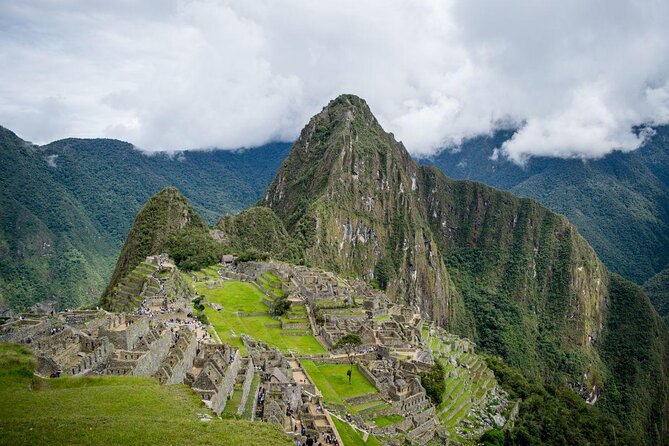
Day 4 starts early again, because the best Machu Picchu moments happen before the sky warms up. You wake up, have early breakfast, and then head toward Intipunku, the Sun Gate, at about 2,730 m. The plan specifies you should get there before sunrise.
That is not an optional extra. It is built into the schedule so you get your first major view of Machu Picchu around 2,400 m, and it changes the vibe of your whole visit. You are not staring at a postcard, you are arriving as the light shifts across the ruins.
Once you reach Machu Picchu, plan for about 3 hours there. The route schedule lists Machu Picchu admission ticket as free in this package, which typically means you are not paying a separate entrance ticket on your side for that site.
After your time at the citadel, you go down by bus to Aguas Calientes. Then you return by train to Ollantaytambo, and there is collection from Ollantaytambo train station on day 4. In other words, the plan tries to close the loop end-to-end, so you are not hunting transportation after the big moment.
Camp life, real food, and the support team that makes this work
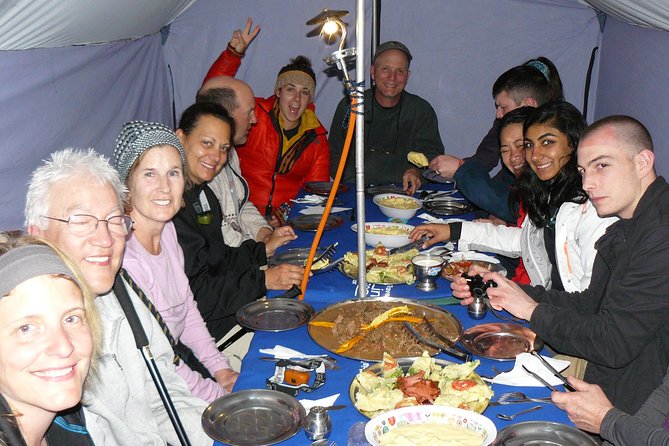
This private package is built around taking trekking friction out of your day. You get a dining tent with tables and chairs, plus a cook working onsite. Meals are included three times per day on most parts of the trek, with breakfast listed 3 times, lunch 3 times, and dinner 3 times.
One practical detail: you need to bring water for the first morning. After that, you are provided drinking water that was previously boiled. If you have been on hikes where water becomes the stress, you will appreciate how this plan handles it.
Sleeping is also handled for you. Tents are listed as 4-man tents, shared by 2 people, and you get foam sleeping mattresses. That is important, because the nights are cold enough to make comfort and warmth part of your success.
Finally, you are not trekking completely solo. Porters carry cooking and camping equipment, and you also get an oxygen bottle and a first aid kit. These are not guarantees that altitude will feel easy, but they are the difference between coping and panicking if anything goes wrong.
Price and value: what $1,395 covers and why it matters
At $1,395 per person, this is not a budget hike. But it is also not just a guide leading you onto a trail. You are paying for the whole logistical machine, including transport legs (bus to km 82 and train back to Ollantaytambo), bus down from Machu Picchu to Aguas Calientes, meals, camping gear, and porter labor.
You also get a professional bilingual guide, and the plan includes assistant guiding for larger parties. Add the tents, foam mattresses, dining setup, oxygen bottle, and first aid kit, and the cost starts to look more like paying for a high-touch expedition than a simple guided walk.
One small note on cost details: there is a single supplement fee of $60.00. If you are traveling solo and you want a different sleeping arrangement, that is something to factor in early.
Huayna Picchu tickets: choose early, accept tradeoffs
If you want to add Huayna Picchu, you need tickets booked well in advance. The plan specifies two time sessions: 7am to 8am, or 10am to 11am.
Here is the key planning tradeoff. If you get the permits for the 7am start, you may probably have to miss the Machu Picchu guided tour. So if guided interpretation is a big part of why you chose this trek, treat the 7am Huayna Picchu option as a gamble.
Huayna Picchu entrance is listed as not included in the base plan, so you should budget for the ticket if you add it.
Who this private trek suits best
This private service fits best if you want a more personal pace and stronger support around logistics. If you care about understanding what you are walking past, the guide is the point. Many of the guides associated with this operator, like Victor, Nico, Rene, Guido, and Guillermo, are highlighted for patient explanations and keeping people comfortable on the move.
It also fits hikers with at least moderate fitness. The route includes steep climbs and high passes, plus long stair sections. There is no claim that it is easy, and the altitude numbers make the effort clear.
The minimum age is 10, which suggests the operator is used to families planning carefully, as long as kids can handle the climbs and schedule.
Practical tips you can act on before you commit
Start with the schedule. The plan begins around 4:00 am, and day 4 includes a pre-sunrise Sun Gate run. If you hate early wake-ups, be honest with yourself.
Pack around the cold. Night temperatures are listed around 5°C on day 1 and around 4°C on day 2. You will be stopped and stationary at camp, so plan to stay warm after you finish walking for the day.
Bring what the route explicitly expects from you: sunscreen, insect repellent, and water for the first morning. Also bring your passport and your tickets for the control point.
And know what is not included. Walking sticks are not included, and the plan also notes that Huayna Picchu is not included. You should also expect that your first breakfast and the lunch and dinner on the last day are not included in the meal count.
Should you book this private 4-day Inca Trail service?
If you want the classic Inca Trail experience but do not want the stress of figuring out equipment, porters, meal timing, and transportation legs, I think this is a strong match. The value is in the package: tents and mattresses, a dining setup, cooks preparing meals, porters carrying camp gear, and a guide focused on your group.
Book it if you can handle altitude and steep walking, and you are fine with cold nights and early starts. Also book it if Machu Picchu timing matters to you, since the route is built around Intipunku and a first sunrise-style view.
Skip it only if the high-pass days (especially Dead Woman’s Pass) sound intimidating. This trek rewards steady pacing, not hero moves. If you want a smoother day with less elevation strain, this may not be the right fit.
More Tour Reviews in Cusco
- Cusco: Humantay Lake Tour with Breakfast and Buffet Lunch
★ 4.9 · 2,976 reviews - From Cusco: Moray, Maras Salt Mines & Chinchero Weavers Tour
★ 4.8 · 1,925 reviews - From Cusco: Full-Day Group Tour of Machu Picchu
★ 4.7 · 1,767 reviews - Machu Picchu Day Trip from Cusco
★ 4.5 · 1,644 reviews - Cusco: Half-Day City Tour with Sacsayhuaman and Q’enco
★ 4.6 · 1,129 reviews
Other Inca Trail Departures
- Cusco: 4-Day Inca Trail to Machu Picchu with Accommodation
★ 4.8 · 432 reviews - Cusco: Machu Picchu 2-Day Inca Trail with Panoramic Train
★ 4.9 · 260 reviews - From Cusco: 2-Day Inca Trail to Machu Picchu
★ 4.2 · 244 reviews - Machu Picchu: Inca Trail 2-Day Overnight Guided Tour
★ 4.9 · 203 reviews - Short Inca trail to MachuPicchu || 2days – 1nigth ||
★ 5.0 · 103 reviews
Machu Picchu, Three More Ways
- From Cusco: Full-Day Group Tour of Machu Picchu
★ 4.7 · 1,767 reviews - Machu Picchu Day Trip from Cusco
★ 4.5 · 1,644 reviews - Machu Picchu: Full-Day Tour from Cusco with Optional Lunch
★ 4.6 · 927 reviews - Cusco: 4-Day Inca Trail to Machu Picchu with Accommodation
★ 4.8 · 432 reviews - From Cusco: 2-Day Trip to the Sacred Valley and Machu Picchu
★ 4.6 · 265 reviews
Fresh in from Cusco

Machu Picchu & Aguas Calientes Tours, compared.
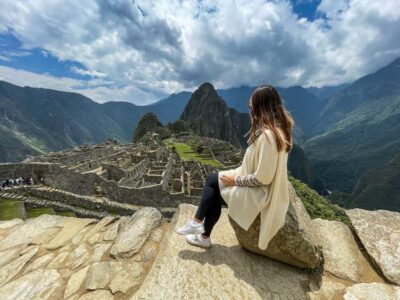 ★ 4.7Full-Day Group Tour of Machu PicchuFrom $3211,767 reviews
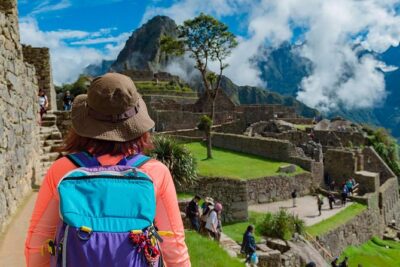 ★ 4.5Machu Picchu Day Trip from CuscoFrom $3361,644 reviews
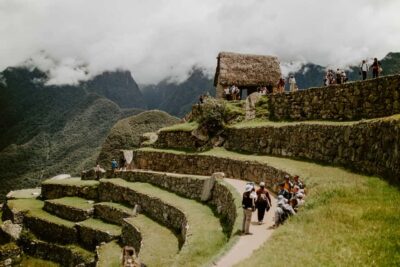 ★ 4.6Machu Picchu: Full-Day Tour from Cusco with Optional LunchFrom $283927 reviews
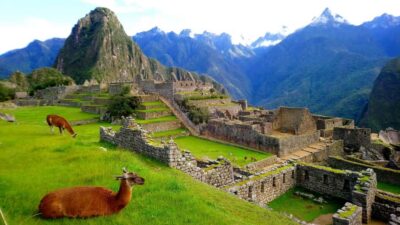 ★ 4.84-Day Inca Trail to Machu Picchu with AccommodationFrom $470432 reviews
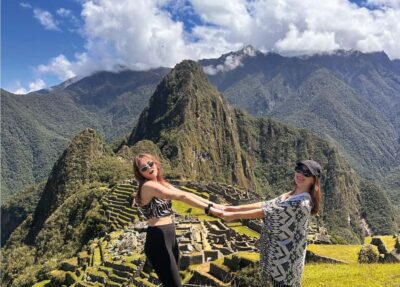 ★ 4.62-Day Trip to the Sacred Valley and Machu PicchuFrom $370265 reviews
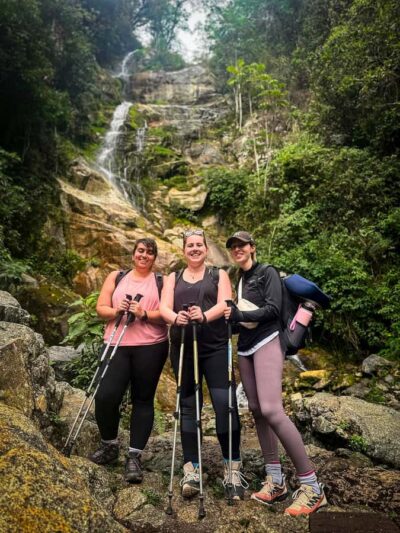 ★ 4.9Machu Picchu 2-Day Inca Trail with Panoramic TrainFrom $582260 reviews
 ★ 4.22-Day Inca Trail to Machu PicchuFrom $290244 reviews
 ★ 4.9Machu Picchu: Inca Trail 2-Day Overnight Guided TourFrom $585203 reviews
Browse the lists this tour appears in