
REVIEW · MACHU PICCHU & AGUAS CALIENTES TOURS
4 Day Classic Inca Trail to Machu Picchu by 360° Train
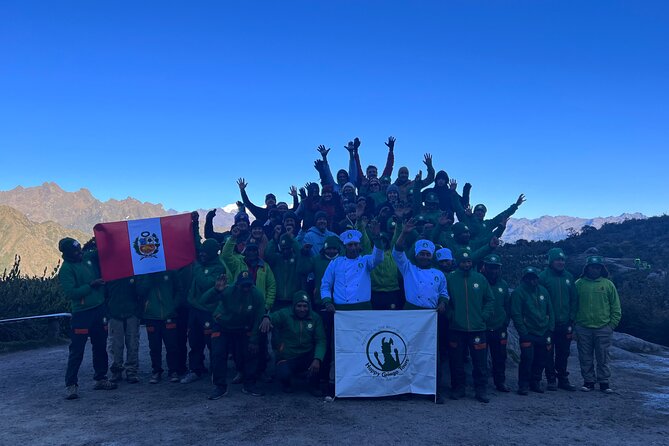
Four days, nine people, one giant goal. This trek takes you from Cusco to the Inca sites and ends at Machu Picchu with early access, plus train connections that keep the logistics sane. What makes it especially interesting is the mix of hiking classics with a tight group and all the key tickets handled for you.
I love that you get all-inclusive meals during the trek, with lunches timed at waiting porter stops and dinners set up at camp so you’re not hunting food after a long day. I also like the promise of private tents at each campsite, which is a big comfort upgrade on a trek where most of your energy goes to altitude and steep steps.
The main drawback to consider is the physical grind. The itinerary includes a climb to Dead Woman’s Pass at 4,215 meters, and the day is described as the toughest segment, so you need strong stamina and altitude tolerance.
Key things that make this trek work
- Max 9 travelers, so the pace and logistics feel less chaotic
- Tickets included for both the Inca Trail and Machu Picchu entry
- Private tents at each campsite, which makes the nights feel more human
- Organic, fresh lunch stops with porters waiting for you on the trail
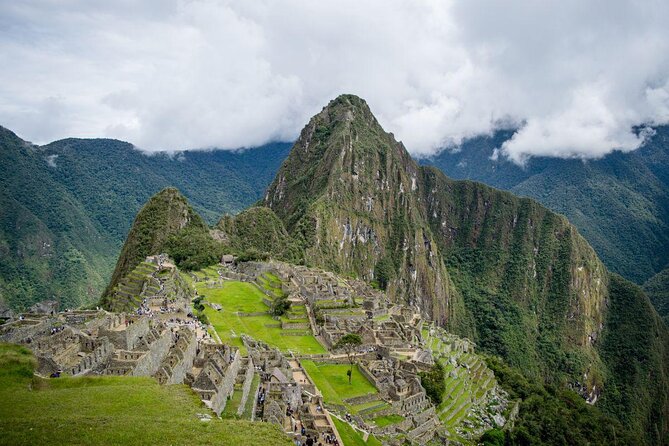
- Sun Gate morning for your first big Machu Picchu view
- Train link back via Ollantaytambo, then bus back to Cusco
Other ways into the citadel, side by side
- Machu Picchu Day Trip from Cusco★ 4.5 · 1,644 reviews
- Machu Picchu: Full-Day Tour from Cusco with Optional Lunch★ 4.6 · 927 reviews
- Cusco: 4-Day Inca Trail to Machu Picchu with Accommodation★ 4.8 · 432 reviews
- From Cusco: 2-Day Trip to the Sacred Valley and Machu Picchu★ 4.6 · 265 reviews
From Cusco to the Inca Trail, with a train-based plan
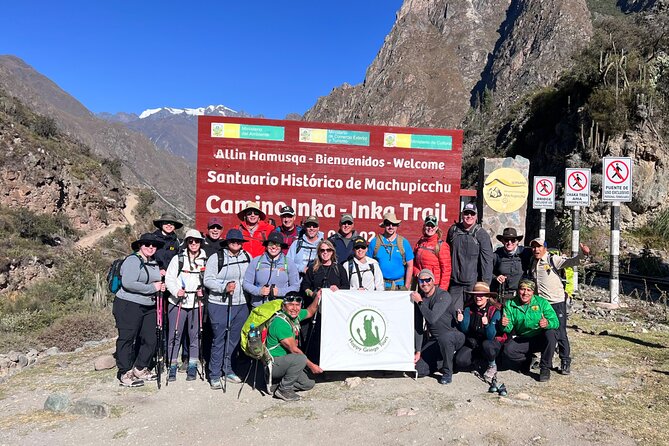
This is a four-day trek built around the Inca Trail experience and a train ride that takes the edge off getting to and from Machu Picchu. You start with a hotel pickup in Cusco, then you drive to the trailhead area at KM-82. There’s a checkpoint where your passport has to match your permits, so make sure your documents are ready and exact.
The schedule starts very early, listed with a 4:00 am start time. That early start matters because the Inca Trail is controlled, Machu Picchu entry is timed, and your best chance for smooth days is when the whole system is running on time.
If you’re coming from Cusco already acclimated, great. If not, still plan to be patient with yourself. Even the “flat” early hours can feel like work once you’re walking uphill at altitude, and your lungs will be the first to let you know.
Day 1 KM-82 to Llactapata, then Ayapata Base Camp
Day 1 is your classic ramp-up. After pickup and the KM-82 checkpoint, you begin hiking with a section that’s mostly flat to ease you into the trail, arriving at Llactapata. This stop is a useful warm-up, not just for the views, but because it teaches you the rhythm you’ll need for the harder days.
After Llactapata, the hike continues for another stretch before you reach the first lunch spot. This is where the porters meet you with organic and fresh lunch, which is one of the smartest parts of this trip’s structure. It means you don’t lose time scrambling for food or trying to figure out how to carry enough energy for hours you don’t really get to control.
Once lunch is done, you tackle the first real uphill with breaks built in, then you continue for a couple more hours until you reach your first campsite, Ayapata Base Camp. The big win here is that you’re tired, but you’re not stressed. You know you’ve got a private tent waiting, and you know food has already been planned into the day.
Day 2 Dead Woman’s Pass, Runkurakay, and Sayacmarca
Day 2 is the day you hear about. You start with an organic breakfast, then you climb for about 5 hours to the highest point of the journey: Dead Woman’s Pass at 4,215 meters. The route is described as the most difficult day of the Inca Trail, and that tracks with the reality of high altitude plus sustained uphill.
After the summit, you descend steep Inca steps for around 2 hours to the second lunch spot. That detail is important: steep downhill can be as punishing as uphill on your knees and ankles, especially when you’re already running on limited oxygen.
After lunch, the day keeps its intensity. You hike about 2 hours uphill and then about 2 downhill, with breaks in Inca sites including Runkurakay and Sayacmarca. The payoff is variety. You’re not just climbing and walking, you’re repeatedly stepping into the Inca world in a way that feels like a sequence, not a single photo stop.
At the end of the day, it’s about 30 minutes to the campsite at Chaquicocha. By then, you’ll likely feel the day in your legs, but you’ll also have that quiet satisfaction that comes from surviving the hard chapter of the trail and still making it to camp with a plan.
Day 3 Phuyupatamarca and Winay Wayna in City-in-the-Clouds light
Day 3 starts with breakfast, then you hike roughly 2 hours to the last summit stop: Phuyupatamarca. The name Phuyupatamarca means City in the Clouds, and Inti Pata is the Sun above terraces viewpoint you visit in the morning. Even if you’re not chasing meaning in every name, this stop helps because it’s where the trail’s scenery shifts from tough ascent to wide, open altitude views.
The itinerary also points out this is a good area for flora and fauna, plus the broader kind of sightseeing that you don’t always get on high passes. In plain terms, this is where the trek starts to feel less like survival mode and more like a journey.
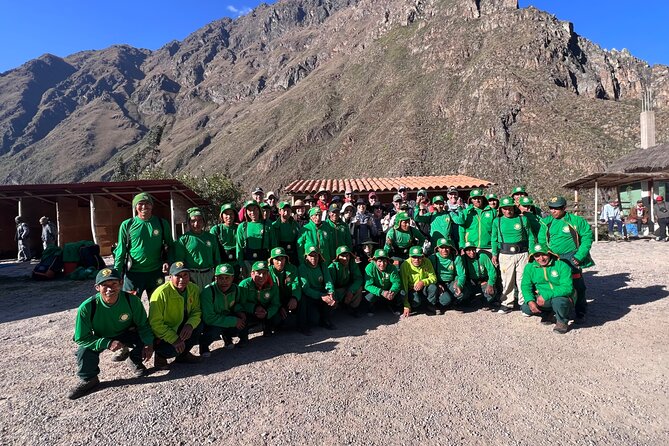
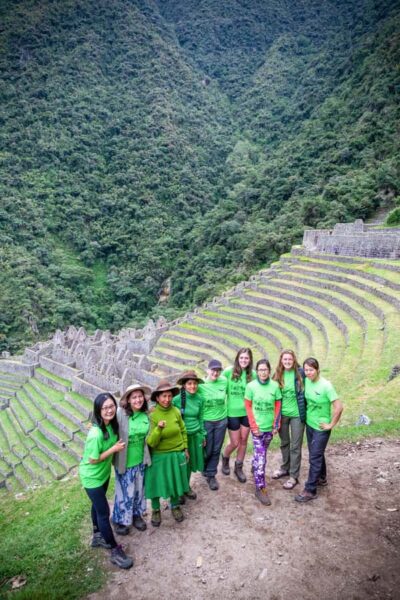
After lunch, you visit Winay Wayna, described as Forever Young. Then you head back to your campsite for dinner and a farewell to the porter team. This structure is more than polite tradition. Ending with that wrap-up helps you close the loop emotionally, not just physically, so Day 4 doesn’t feel like a random jump right from fatigue to Machu Picchu crowds.
Still weighing up the trail? More Inca Trail departures
Day 4 Sun Gate to Machu Picchu, then train back to Cusco
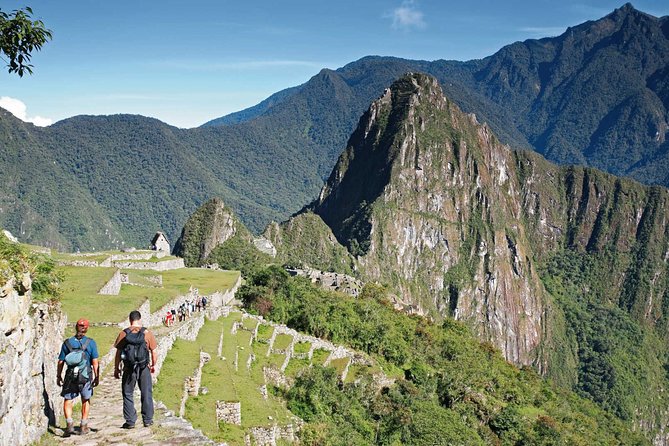
Day 4 is the headline. Your team wakes you early, and you head straight to the checkpoint to enter Machu Picchu as soon as the site opens. Once inside, you hike to Sun Gate, and this is where you get your first big view of Machu Picchu.
That sequence matters. Going to Sun Gate first changes your perspective. You don’t arrive at ruins feeling like you were dropped into a highlight package. You build up to it, and your brain gets time to adjust to the scale.
After Sun Gate, you visit the most important temples of Machu Picchu. The exact temples aren’t listed in your details here, but the key point is that you’re not left to wander blindly. Your time is spent where the main architectural and ceremonial focus is.
In the afternoon, you take the train back to Ollantaytambo, then bus back to Cusco. This is a practical win. By the time you reach the return train, you’re often done with long walking and ready for your body to reset.
Meals, private tents, and comfort at altitude
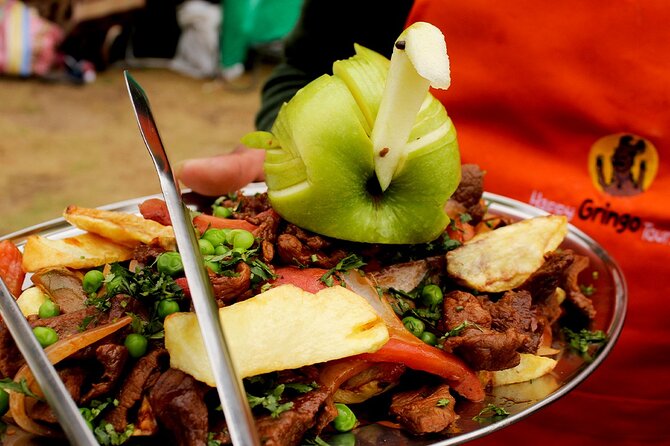
One of the quiet advantages of this tour is how it handles the “daily basics” that can derail a trek. You’re told you get breakfast 3 times, lunch 4 times, and dinner 3 times. The biggest practical value is timing: meals are placed around the hardest hiking segments so you’re not under-fueled for climbs like Dead Woman’s Pass.
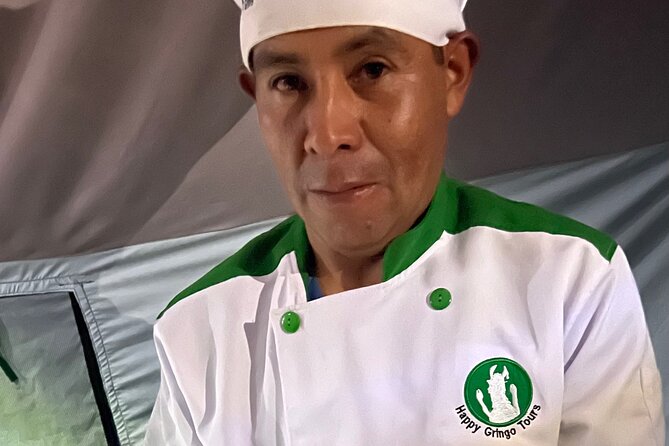
Lunch is specifically described as organic and fresh at the porter stops. That’s not a luxury claim you should blindly trust, but it does tell you the trip expects food to be a core part of the experience, not an afterthought.
The other comfort piece is the private tent at each site. Even if you’re an experienced hiker, private tent time is where you regain yourself. After long days and early mornings, having personal space for rest can make the difference between “this is tough” and “this is hard, but doable.”
One thing to watch: your details confirm tents, but they do not clearly spell out sleeping bag or liner requirements. If you rely on gear you’re used to using, ask ahead of time what you’re expected to bring versus what’s provided.
Price and logistics value: is $820 buying peace of mind?
At $820 per person, the price is doing more than covering hiking. Your details say it includes the Inca Trail and Machu Picchu tickets, plus meals across the trek. That matters because permits and timed entry are where many budgets get messy fast, and it’s also where plans can fall apart if you’re doing everything yourself.
You should also know what’s not included. Health insurance and tips for guide, cook, and porters are listed as not included. Tips are common on trekking operations, but it’s still smart to budget for them early so you’re not doing math while you’re already tired.
Also, the trek is described for travelers with strong physical fitness. That’s not just marketing language. You’re hitting high altitude and long hiking days that run around 9 hours each, including steep segments and multiple Inca sites.
Given that, I see the value as this: you’re paying for a plan that reduces uncertainty. Not every trek can promise you the tickets are handled and your food is scheduled. When those parts are organized, you can spend your energy on the part you actually came for, the trail.
What to double-check before you go, based on real-world risk
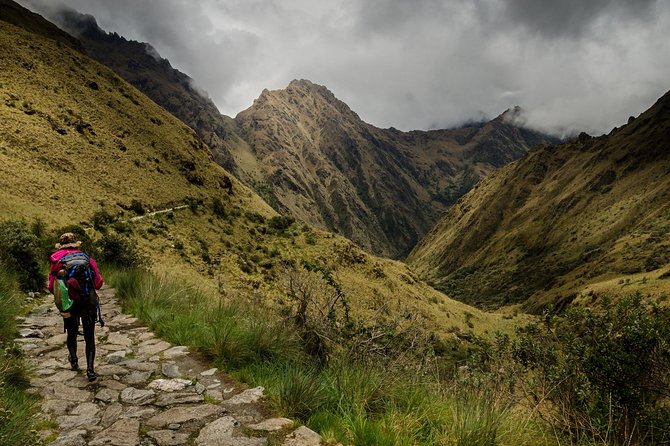
This trip is popular, with an average booking window of about 56 days in advance, which tells you dates matter. In a high-demand, permit-based itinerary, the best way to protect yourself is to be proactive.
Here’s what I would confirm in writing before you leave home:
- Your exact pickup location and pickup timing in Cusco, since early mornings leave no room for confusion
- Your KM-82 checkpoint details and that your passport name and number match your permits
- What gear you need for nights in a tent (especially sleeping bag and liners), since this isn’t fully spelled out in your essentials
- Your schedule for the Machu Picchu morning checkpoint and Sun Gate timing, since early entry is the whole point of the final day
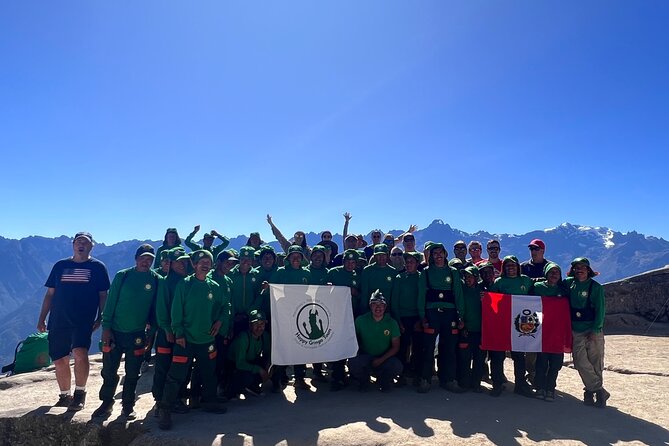
Your operator is listed as Happy Gringo Tours. In the online chatter you provided, the most serious complaints are about last-minute schedule communication and unclear packing or pickup details. The company disputes those claims in its responses. Whether you believe the dispute or not, the practical lesson is the same: don’t assume anything will be obvious on the morning it matters most.
Also note, your trip is listed as non-refundable and not changeable for any reason. If your plans are fragile, you’ll want to handle risk management up front, like travel insurance and backup accommodations.
Who should do this trek, and who should skip it
If you love structured hiking, clear stop-by-stop pacing, and you want Machu Picchu in a controlled morning route, this fits. The small group size, maximum 9 travelers, is a meaningful benefit if you dislike big-bus energy.
You’ll likely enjoy it if you can handle:
- Long days, around 9 hours of hiking each
- High altitude effort up to 4,215 meters
- Steep climbs and steep descents, including Inca steps
- Early starts, including Sun Gate morning
You might want to skip or choose a gentler option if you:
- Know you struggle with altitude
- Have knee or ankle issues that dislike steep step descents
- Hate the idea of being held to a tight permit schedule
Should you book this Inca Trail trek?
Yes, if you want a small-group, ticket-covered trek that feeds you, houses you in private tents, and gets you into Machu Picchu via Sun Gate early enough to feel like you earned the view. The $820 price makes more sense when permits and entry are included, and when you value reduced logistics stress.
Before you pay your final attention, do the boring part well: confirm pickup, confirm passport-to-permit matching, and confirm your sleeping gear expectations. If those boxes are clean, you’re set up for the classic Inca Trail arc, tough climbs, smart lunch timing, and then that first Sun Gate look at Machu Picchu.
FAQ
What time does the tour start?
It lists a 4:00 am start time.
Where does the trekking start from?
After hotel pickup, you drive to the trailhead at KM-82 and pass a checkpoint where your passport must match your permits. It also references Piscacucho Estacion de Tren as a stop.
Is Machu Picchu entry included?
Yes. Inca Trail and Machu Picchu tickets are included.
How many travelers are in the group?
This tour has a maximum of 9 travelers.
Are meals included?
Yes. It includes 3 breakfasts, 4 lunches, and 3 dinners during the tour.
Do you sleep in tents?
Yes. You sleep comfortably in a private tent at each site.
What is not included in the price?
It lists health insurance and tips for guide, cook, and porters as not included.
More Trains to the Mountain
- Cusco: Machu Picchu 2-Day Inca Trail with Panoramic Train
★ 4.9 · 260 reviews - The First Class Machu Picchu Train by Inca Rail
★ 4.0 · 182 reviews - From Cusco: 1-day Machu Picchu Tour by Train
★ 4.6 · 138 reviews - 2-Day Machu Picchu Tour by train from Cusco ( All included )
★ 5.0 · 85 reviews - From Cusco: Sacred Valley & Machu Picchu 2-Day Tour by Train
★ 4.9 · 79 reviews
Other Inca Trail Departures
- Cusco: 4-Day Inca Trail to Machu Picchu with Accommodation
★ 4.8 · 432 reviews - Cusco: Machu Picchu 2-Day Inca Trail with Panoramic Train
★ 4.9 · 260 reviews - From Cusco: 2-Day Inca Trail to Machu Picchu
★ 4.2 · 244 reviews - Machu Picchu: Inca Trail 2-Day Overnight Guided Tour
★ 4.9 · 203 reviews - Short Inca trail to MachuPicchu || 2days – 1nigth ||
★ 5.0 · 103 reviews
Machu Picchu, Three More Ways
- From Cusco: Full-Day Group Tour of Machu Picchu
★ 4.7 · 1,767 reviews - Machu Picchu Day Trip from Cusco
★ 4.5 · 1,644 reviews - Machu Picchu: Full-Day Tour from Cusco with Optional Lunch
★ 4.6 · 927 reviews - Cusco: 4-Day Inca Trail to Machu Picchu with Accommodation
★ 4.8 · 432 reviews - From Cusco: 2-Day Trip to the Sacred Valley and Machu Picchu
★ 4.6 · 265 reviews
Fresh in from Cusco

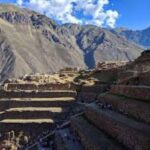
Machu Picchu & Aguas Calientes Tours, compared.
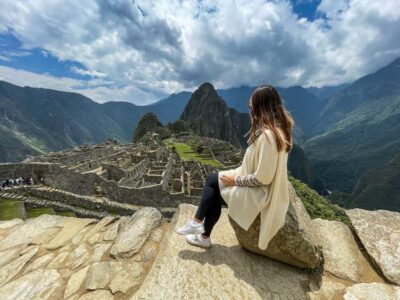 ★ 4.7Full-Day Group Tour of Machu PicchuFrom $3211,767 reviews
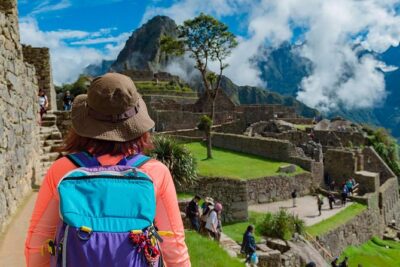 ★ 4.5Machu Picchu Day Trip from CuscoFrom $3361,644 reviews
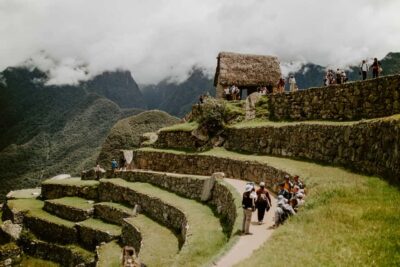 ★ 4.6Machu Picchu: Full-Day Tour from Cusco with Optional LunchFrom $283927 reviews
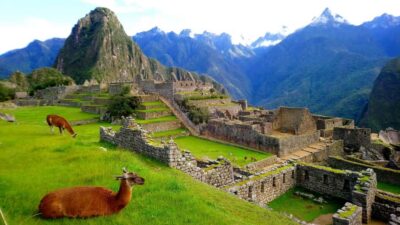 ★ 4.84-Day Inca Trail to Machu Picchu with AccommodationFrom $470432 reviews
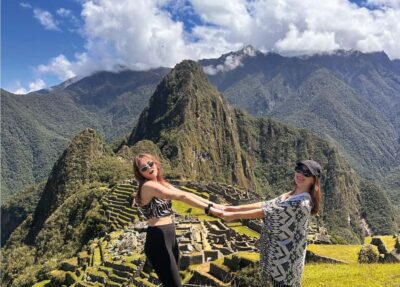 ★ 4.62-Day Trip to the Sacred Valley and Machu PicchuFrom $370265 reviews
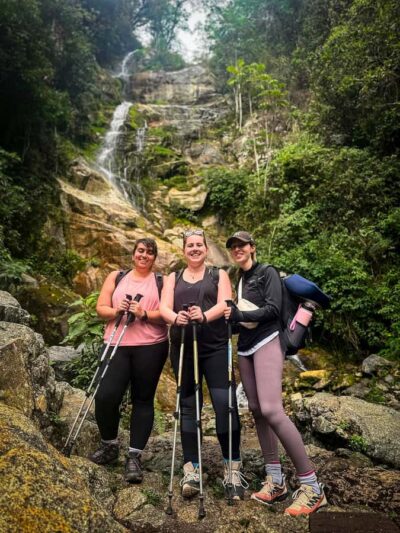 ★ 4.9Machu Picchu 2-Day Inca Trail with Panoramic TrainFrom $582260 reviews
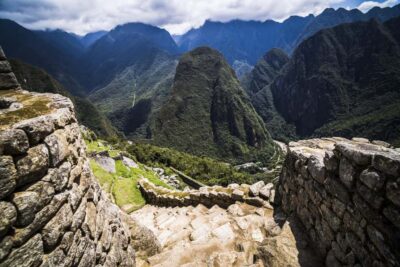 ★ 4.22-Day Inca Trail to Machu PicchuFrom $290244 reviews
 ★ 4.9Machu Picchu: Inca Trail 2-Day Overnight Guided TourFrom $585203 reviews
Browse the lists this tour appears in